
For many, a trip to Las Vegas conjures images of glittering casinos, world-class entertainment, and luxurious resorts. However, for the savvy traveler, practical considerations like the cost of fuel can significantly impact the overall budget and experience. Whether you’re planning a scenic road trip through the Nevada desert, navigating the vibrant Las Vegas Strip, or venturing out to explore breathtaking natural wonders in the Southwest USA, understanding gas prices is crucial. This comprehensive guide delves into everything you need to know about fuel costs in Sin City, offering insights into pricing trends, strategic tips for saving money, and how these expenses might shape your travel decisions, from choosing accommodation to planning excursions.
Understanding Gas Prices in the Entertainment Capital
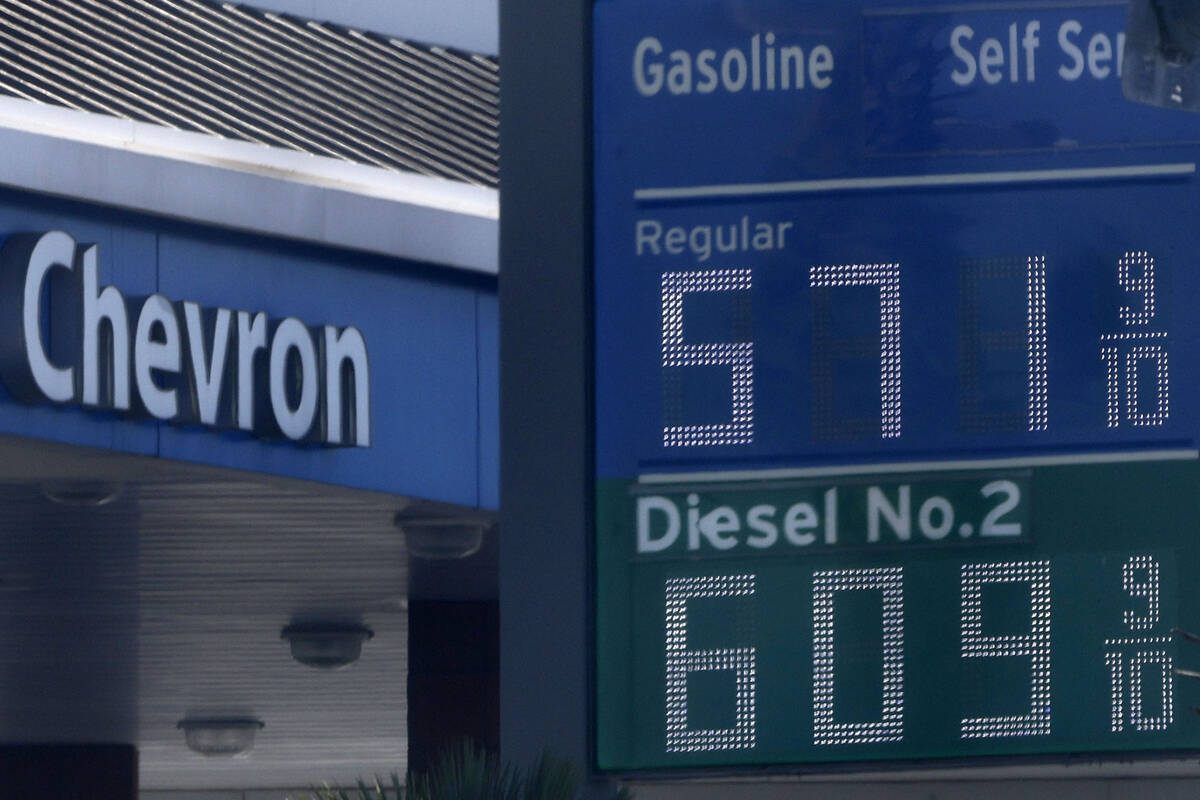
The cost of gasoline in Las Vegas can often be a point of surprise for first-time visitors, particularly those arriving from states with historically lower fuel prices. Several factors contribute to the unique pricing dynamics in this desert metropolis, making it essential for travelers to be informed and prepared.
Why Are Las Vegas Gas Prices Unique?
Gas prices in Las Vegas are influenced by a confluence of geographical, logistical, and economic elements. Firstly, Nevada is a landlocked state, meaning a significant portion of its fuel supply must be transported via pipelines or trucks from refineries in neighboring California, Arizona, and Utah. This reliance on transportation adds to the base cost. Secondly, state and local taxes on gasoline in Nevada contribute to higher pump prices compared to the national average. These taxes fund infrastructure projects and public services, but they invariably push up the price at the pump.
Beyond these fundamental factors, the tourism-driven economy of Las Vegas plays a significant role. The sheer volume of visitors, many of whom rent vehicles or drive into the city, creates consistent demand for fuel. Stations strategically located near major tourist arteries, such as the Las Vegas Strip or airport exits, often leverage this demand by pricing their fuel at a premium. Seasonal variations also impact prices; peak travel seasons, especially summer and major holiday weekends, typically see an uptick in demand and consequently, higher prices. Supply chain disruptions, global oil price fluctuations, and refinery issues can also cause rapid and sometimes unpredictable changes in local prices.
Current Price Trends and How to Track Them
Staying informed about current gas prices is one of the best ways to manage your budget. Prices in Las Vegas are dynamic, changing daily, and sometimes even hourly. Fortunately, several digital tools and resources are available to help travelers track these trends in real-time.
Apps like GasBuddy are invaluable for identifying the cheapest gas stations in your immediate vicinity or along your planned route. Users can report prices, creating a crowdsourced database that is remarkably accurate. Similarly, websites like AAA and major news outlets often provide daily or weekly updates on average gas prices in various metropolitan areas, including Las Vegas. Checking these resources before you embark on your journey or even before you leave your hotel can save you a considerable amount over the course of your trip. Paying attention to these trends allows you to make informed decisions about when and where to refuel, turning potential savings into extra funds for dining, entertainment, or attractions.
Navigating Las Vegas: Fuel Costs and Your Travel Budget
For many visitors, driving is an integral part of their Las Vegas experience, whether it’s a cross-country road trip or local exploration. The cost of gas directly impacts your travel budget, dictating how much you spend getting around versus on other aspects of your vacation.
The Impact on Road Trips to Las Vegas
Las Vegas is a popular road trip destination for millions, particularly those hailing from nearby states like California, Arizona, and Utah. Cities such as Los Angeles, Phoenix, and Salt Lake City serve as common starting points for these journeys. When planning such a trip, the fluctuating price of gas can significantly alter your overall expenditure. It’s not just the cost of fuel within Las Vegas itself, but the cumulative cost of reaching the city and returning home.
Before setting out, it’s wise to calculate an estimated fuel cost for your entire road trip. Consider your vehicle’s fuel efficiency, the distance to Las Vegas, and the current average gas prices along your route and in Nevada. A helpful strategy is to fill up your tank in states or areas known for lower gas prices before crossing into Nevada, or at least avoid the very last gas station before the state line, which often has inflated prices. Budgeting for fuel explicitly helps prevent unexpected expenses from eating into funds allocated for shows, dining, or other activities, ensuring a more enjoyable and stress-free vacation.
Exploring Beyond the Strip: Day Trips and Excursions
While the Las Vegas Strip offers an abundance of entertainment, many travelers seek to explore the natural beauty and historical landmarks surrounding the city. Day trips to iconic destinations are incredibly popular, but they inherently involve significant driving and, consequently, fuel costs.
Consider some of the most sought-after excursions:
- Grand Canyon National Park: A journey to the South Rim is typically a 4-5 hour drive each way, making it a full-day commitment requiring a substantial amount of fuel. The West Rim, famous for the Grand Canyon Skywalk, is closer but still a considerable drive.
- Hoover Dam and Lake Mead National Recreation Area: These are relatively close, about a 30-45 minute drive, making them more fuel-efficient options.
- Red Rock Canyon National Conservation Area: Just a short 20-30 minute drive from the Strip, this is an excellent choice for a quick nature escape without burning too much gas.
- Valley of Fire State Park: About an hour’s drive northeast, offering stunning red rock formations.
- Mount Charleston: Roughly an hour’s drive northwest, providing a cool escape from the desert heat.
For each of these trips, factor in not just the distance from your hotel but also the mileage involved in exploring the destination itself (e.g., scenic drives within national parks). These costs can quickly accumulate, so planning your itinerary with fuel efficiency in mind or considering organized tours that include transportation can be a smart move, especially during periods of high gas prices.
Smart Fueling Strategies for Your Las Vegas Vacation
Effectively managing your fuel expenses in Las Vegas goes beyond simply knowing the prices; it involves strategic planning and utilizing alternatives to personal vehicles. By adopting smart fueling habits, you can significantly reduce the impact of gas costs on your travel budget.
Where to Find the Best Gas Prices in Las Vegas
One of the most effective ways to save on gas in Las Vegas is to be discerning about where you refuel. As a general rule, avoid gas stations directly on or immediately adjacent to the Las Vegas Strip, near major highway exits (like those serving Harry Reid International Airport), or close to popular tourist attractions. These locations often have the highest markups due to convenience and captive audience.
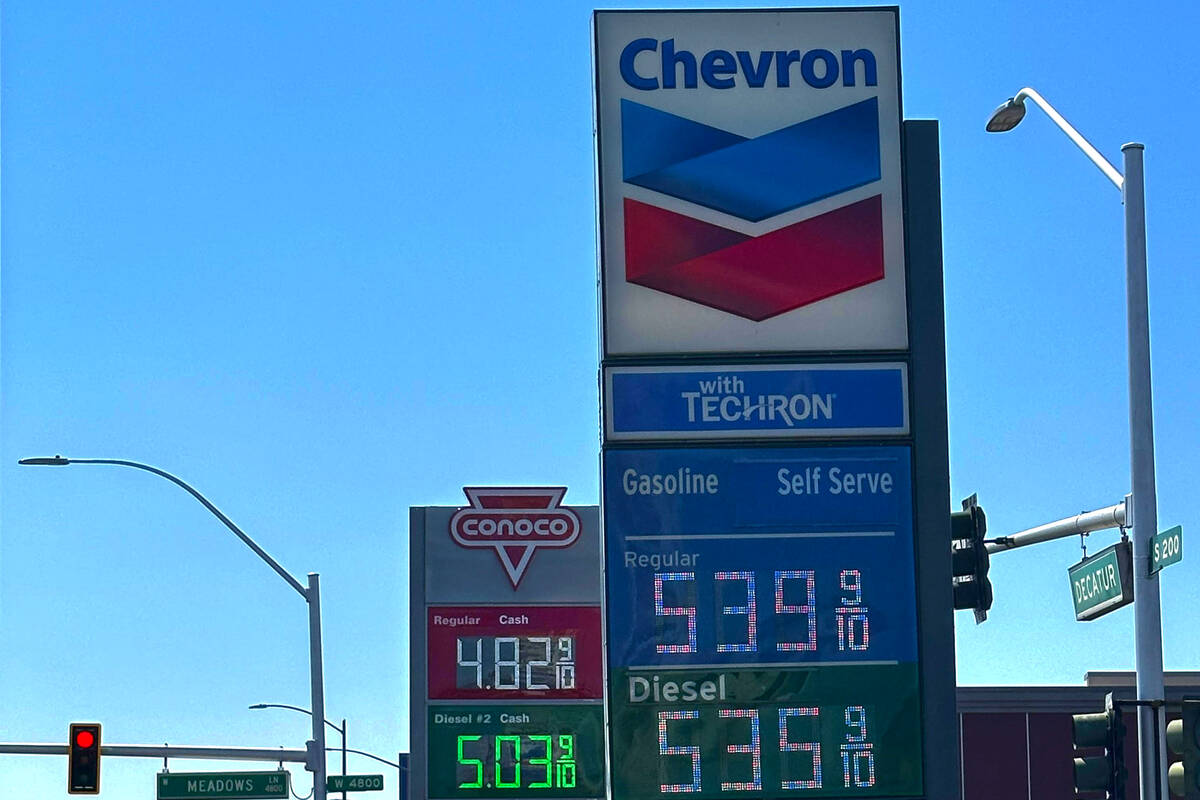
Instead, venture a few blocks off the main tourist corridors. Stations in local neighborhoods like Henderson or Summerlin typically offer much more competitive pricing. Many visitors find significant savings by heading to large retailers that also operate gas stations, such as Costco or Sam’s Club. While these require a membership, the savings on a full tank, especially for larger vehicles or longer stays, can quickly justify a trip off the Strip. Always use a gas price tracking app like GasBuddy to pinpoint the cheapest options in real-time, allowing you to plan your refueling stops efficiently.
Alternatives to Driving: Saving on Fuel and Parking
Sometimes, the best way to save on gas is not to use it at all. Las Vegas offers a variety of transportation alternatives that can reduce your reliance on a personal vehicle, thereby cutting down on fuel costs and often, expensive parking fees.
- Walking: The Las Vegas Strip is surprisingly walkable, especially between adjacent casinos. Many resorts are connected by pedestrian bridges or even indoor walkways, making it easy to hop between attractions like Caesars Palace and Bellagio without needing a car.
- Monorail: The Las Vegas Monorail runs along the east side of the Strip, connecting several major hotels including MGM Grand, Horseshoe Las Vegas, Harrah’s Las Vegas, The LINQ Hotel + Experience, and Sahara Las Vegas. It’s a fast and convenient way to cover significant distances on the Strip, avoiding traffic and fuel consumption entirely.
- Public Buses (The Deuce & SDX): The Regional Transportation Commission of Southern Nevada (RTC) operates “The Deuce on the Strip” and the “Strip & Downtown Express” (SDX Bus). These double-decker buses run frequently along the Strip and into Downtown Las Vegas, offering an affordable way to get around.
- Rideshare (Uber/Lyft) & Taxis: Services like Uber and Lyft are ubiquitous in Las Vegas and can be convenient for reaching destinations off the main public transport routes or for late-night travel. While they eliminate fuel costs for you, their fares, especially during peak hours or surge pricing, can add up. Taxis are also readily available, often with similar pricing structures.
- Free Trams: Several resorts offer complimentary trams connecting their properties or complexes. For example, a tram runs between Mandalay Bay, Luxor, and Excalibur; another connects Park MGM with Aria and Bellagio; and a third links The Mirage and Treasure Island. Leveraging these can save steps and rideshare fares.
By strategically combining these alternatives, you can significantly reduce your need for a rental car or minimize the driving you do with your own vehicle, leading to substantial savings on gas and parking fees.
Gas Prices and Your Accommodation Choices
Your choice of accommodation in Las Vegas is often driven by location, amenities, and budget. However, when gas prices are a concern, where you stay can have a direct impact on your transportation expenses. Considering the interplay between hotel location, parking fees, and the necessity of driving is a crucial aspect of overall trip planning.
Hotel Location and Parking Considerations
Las Vegas offers a diverse range of accommodation options, broadly categorized by their location: on the Strip, in Downtown Las Vegas, or off-Strip in the wider metropolitan area. Each location presents a different set of considerations regarding gas prices and parking.
- Las Vegas Strip Hotels: Properties like The Venetian Resort Las Vegas, Caesars Palace, and Bellagio offer unparalleled access to entertainment, dining, and nightlife, often within walking distance. However, many Strip hotels charge daily fees for self-parking and even higher rates for valet services. These parking fees, which can range from $15 to $30+ per day, combined with higher gas prices, can make driving on the Strip a costly endeavor. If you plan to spend most of your time on the Strip and utilize walking or public transport, staying at a Strip hotel might mean less driving overall, but you’ll need to factor in parking if you bring a car.
- Downtown Las Vegas Hotels: Resorts like Circa Resort & Casino and Golden Nugget offer a different vibe, centered around the Fremont Street Experience. Parking here can sometimes be cheaper or even free with validation, making it a more attractive option for drivers on a budget. However, if your main interest lies on the Strip, you’ll incur costs for rideshares or bus tickets to travel between Downtown Las Vegas and the Strip, effectively trading one expense for another.
- Off-Strip/Resort Corridor Hotels: Hotels located a few miles off the Strip, in areas like the west side (e.g., Palms Casino Resort, Gold Coast Hotel and Casino) or south end (e.g., Silverton Casino Hotel), often provide more affordable room rates and, crucially, free parking. While these hotels require driving or taking rideshares to reach the main attractions, the savings on accommodation and parking might offset increased fuel costs, especially if you plan to explore the broader Las Vegas area and its surrounding landmarks extensively.
When choosing your accommodation, weigh the cost of the room, anticipated parking fees, and your likely transportation habits against current gas prices to find the most economical option for your specific travel style.
Rental Cars: What to Consider
For many visitors flying into Harry Reid International Airport, renting a car is a common choice, offering flexibility for exploring. However, the decision to rent a car becomes more complex with high gas prices.
When renting, consider the fuel efficiency of the vehicle. Opting for a compact car, hybrid, or even an electric vehicle (if charging infrastructure is convenient for your itinerary) can lead to significant savings on fuel. Compare the total estimated cost of renting a car (rental fees, insurance, and projected fuel costs) against the alternative of relying entirely on rideshares, taxis, and public transportation. For shorter stays focused solely on the Las Vegas Strip, the latter might be more economical. However, for longer trips or those planning multiple day excursions to places like the Grand Canyon National Park or Valley of Fire State Park, a rental car often provides the best value and convenience, even with higher gas prices. Always book rental cars in advance, especially during peak seasons, to secure better rates and ensure vehicle availability.
The Broader Economic Impact of Fuel Costs on Las Vegas Tourism
Gas prices in Las Vegas are more than just a line item in a traveler’s budget; they represent a significant economic indicator that can influence the city’s vibrant tourism industry. Fluctuations in fuel costs have a ripple effect, impacting everything from visitor spending habits to the operational strategies of local businesses.
How Fluctuating Prices Affect Visitor Spending and Local Businesses
When gas prices surge, travelers often respond by adjusting their spending habits. For those on a strict budget, higher fuel costs mean less disposable income for other aspects of their Las Vegas experience. This can translate into fewer dollars spent on lavish meals, impulse shopping, show tickets, casino gaming, or spa treatments. A noticeable downturn in discretionary spending, particularly from the crucial drive-in market (e.g., California residents), can impact the bottom lines of hotels, restaurants, retail outlets, and entertainment venues across the city.
Local businesses, especially those reliant on tourism, feel the pinch directly. Tour operators offering excursions to attractions like Hoover Dam or Red Rock Canyon National Conservation Area face higher operational costs, potentially leading to increased tour prices or reduced profit margins. Transportation services, from shuttle companies to taxi and rideshare drivers, also grapple with elevated fuel expenses, which can be passed on to consumers or absorbed by the businesses themselves. This dynamic creates a delicate balance where the city’s appeal as an accessible and exciting destination must contend with the practicalities of travel costs.

Future Outlook for Gas Prices and Sustainable Travel in Las Vegas
Looking ahead, the future of gas prices in Las Vegas remains tied to global oil markets, geopolitical events, and evolving energy policies. However, there’s also a growing trend towards sustainable travel practices that could reshape the transportation landscape in the city. The increasing adoption of electric vehicles (EVs) and hybrid cars by both locals and rental agencies could offer a buffer against traditional gasoline price volatility.
Las Vegas is gradually expanding its EV charging infrastructure, with many newer hotels and public parking garages offering charging stations. This development supports a future where visitors might opt for electric rental cars, significantly reducing their “fuel” costs and environmental footprint. Furthermore, the city’s commitment to improving public transportation, expanding walkable areas, and promoting alternative modes of travel aligns with a broader sustainability push. While gasoline-powered vehicles will remain prevalent for the foreseeable future, these evolving trends suggest a potential diversification in how visitors navigate Las Vegas, offering more options for budget-conscious and environmentally aware travelers alike. As the world shifts towards greener energy, Las Vegas will likely adapt, offering even more innovative solutions to keep travel accessible and enjoyable, regardless of pump prices.
In conclusion, understanding and planning for gas prices in Las Vegas is an essential part of crafting a successful and enjoyable trip. By staying informed about pricing trends, utilizing smart fueling strategies, exploring transportation alternatives, and making informed choices about accommodation and vehicle rentals, you can effectively manage your budget and ensure that your focus remains on the unforgettable experiences that Las Vegas has to offer.
LifeOutOfTheBox is a participant in the Amazon Services LLC Associates Program, an affiliate advertising program designed to provide a means for sites to earn advertising fees by advertising and linking to Amazon.com. Amazon, the Amazon logo, AmazonSupply, and the AmazonSupply logo are trademarks of Amazon.com, Inc. or its affiliates. As an Amazon Associate we earn affiliate commissions from qualifying purchases.