
The question “When will Hurricane Helene hit Florida?” is one that naturally creates anxiety for residents and potential travelers alike, especially during peak hurricane season. While meteorologists at the National Hurricane Center and NOAA work tirelessly to provide the most accurate forecasts, the unpredictable nature of tropical systems means that definitive answers are often elusive until the storm is much closer. For a state like Florida, where tourism is a cornerstone of the economy and its vibrant culture, understanding the potential impacts of a hurricane like Helene is critical for ensuring safety, protecting property, and maintaining the flow of travel and business. This article aims to address the common concerns surrounding such an event, offering insights for travelers, residents, and the hospitality industry on how to prepare, react, and recover, all while keeping the broader context of Florida’s resilience and enduring appeal as a top global destination in mind.

Understanding Hurricane Helene: The Forecast and Potential Path
Hurricanes are complex weather phenomena, and predicting their exact path and intensity days in advance is a challenging task. When a storm like Helene forms, it immediately becomes the focus of intense scrutiny from meteorological agencies around the world, particularly those responsible for the safety of coastal regions.
Tracking the Storm
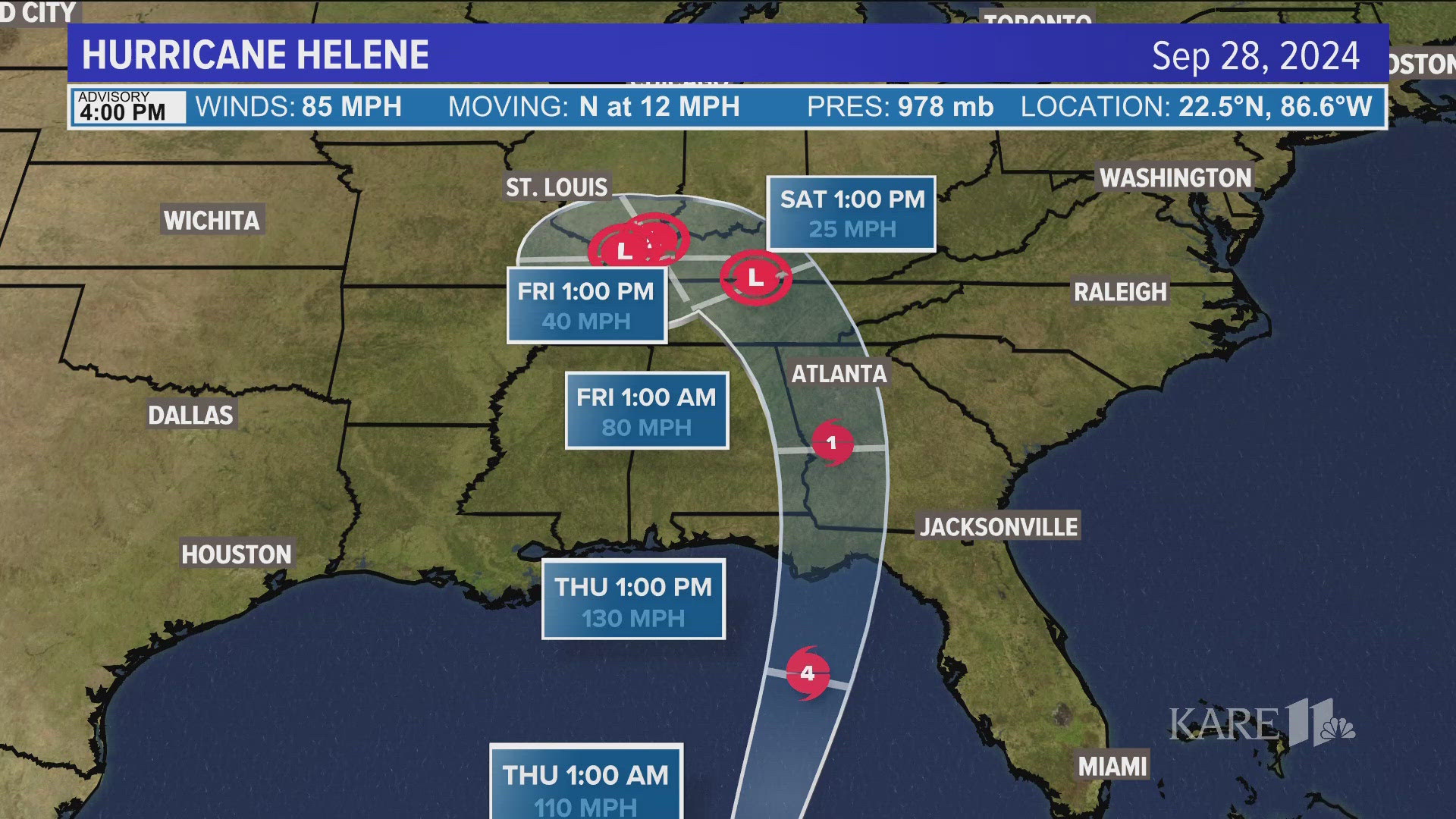
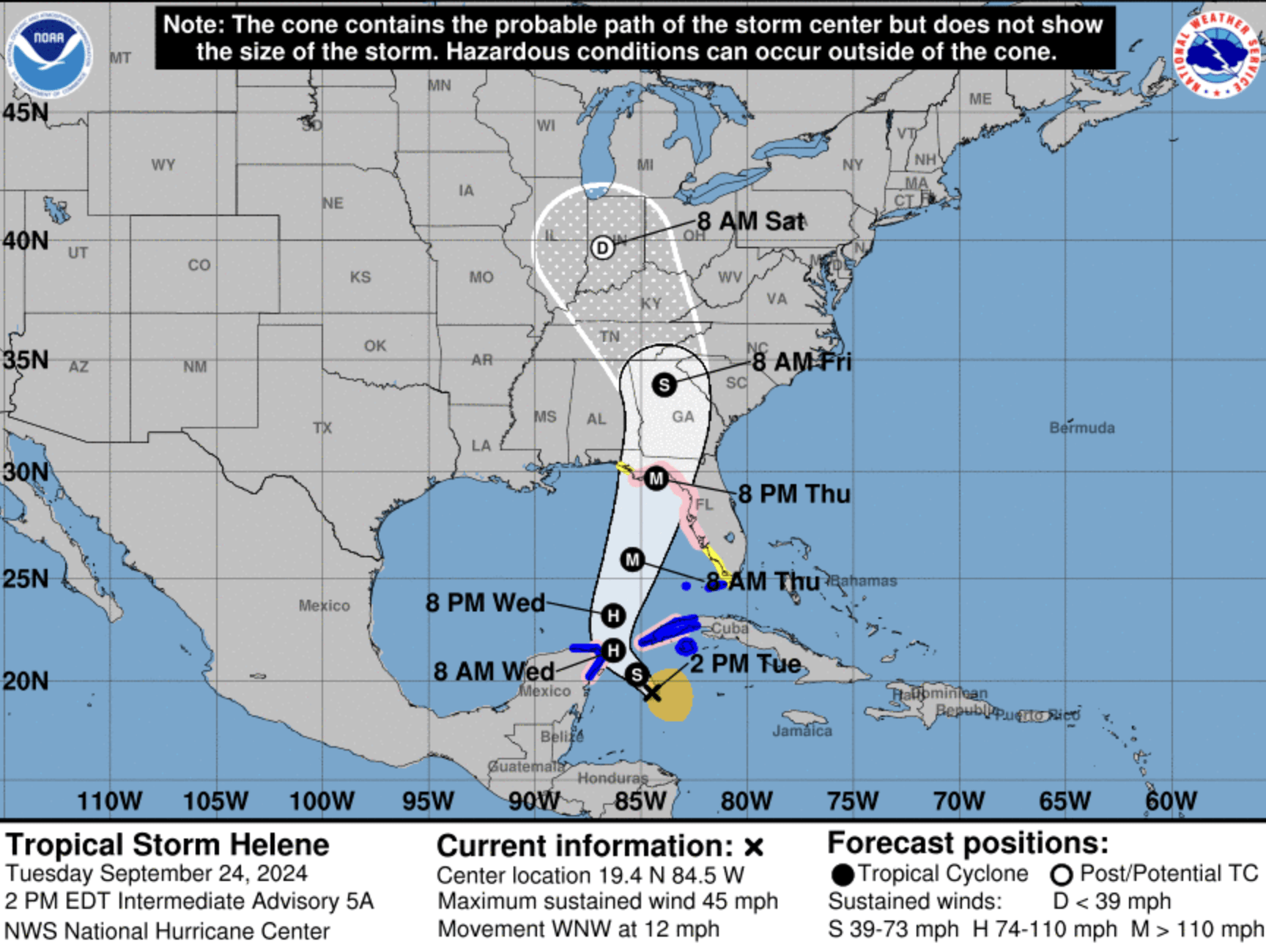
The primary source of information for hurricane tracking in the United States is the National Hurricane Center (NHC), part of NOAA. Their dedicated team of meteorologists uses a combination of satellite imagery, reconnaissance flights (often by “hurricane hunter” aircraft), radar data, and sophisticated computer models to forecast a storm’s trajectory, wind speeds, and potential rainfall. These forecasts are updated frequently, sometimes every few hours, to reflect the latest data. For travelers, understanding the NHC’s forecast cone is crucial; it represents the probable track of the storm’s center but importantly, impacts can be felt far outside this cone.
Predicted Timeline and Intensity
The “when” for Hurricane Helene hitting Florida is never a static prediction. Initial forecasts might provide a general timeframe – perhaps a window of a few days – but this can shift dramatically. Factors such as steering currents in the atmosphere, interactions with landmasses, and even the storm’s own internal dynamics can alter its speed and direction. Intensity predictions are equally challenging. A storm can rapidly intensify or weaken based on sea surface temperatures, wind shear, and dry air intrusion. The Saffir-Simpson Hurricane Wind Scale classifies hurricanes from Category 1 to Category 5, indicating their potential for damage primarily based on sustained wind speeds. Even a lower-category hurricane can cause significant damage due to storm surge and heavy rainfall, which can lead to widespread flooding. Travelers planning a trip to Miami, Orlando, Tampa, or the Florida Keys during hurricane season (June 1st to November 30th, with peak activity from mid-August to late October) must remain vigilant and closely monitor official advisories, as conditions can change quickly.
Impact on Travel and Tourism in Florida
Florida’s economy is heavily reliant on tourism, making the impact of a hurricane a critical concern for both the state and the millions of visitors it welcomes annually. From bustling theme parks to serene beaches, every aspect of the travel ecosystem can be affected.
Before the Storm: Preparation and Precautionary Measures
As Hurricane Helene approaches, preparation becomes paramount. Travel advisories issued by state and local authorities, including potential evacuation orders, dictate immediate actions. Airlines such as Southwest Airlines, American Airlines, and Delta Airlines often issue travel waivers, allowing passengers to rebook flights without penalty. It is vital for travelers to check their specific airline’s policy. Road closures may also be implemented, especially along evacuation routes, so monitoring traffic updates is essential. For those with bookings, contacting hotels, resorts, or vacation rental agencies directly to understand their specific hurricane policies and cancellation procedures is a crucial early step. Travel insurance, particularly policies that include “cancel for any reason” clauses (though these are often more expensive), becomes invaluable at this stage, offering a financial safety net against unforeseen disruptions.
During the Storm: Safety and Shelter
If Helene makes landfall in Florida, the immediate priority shifts to safety and shelter. Visitors who cannot evacuate must adhere to local emergency guidelines. Hotels, particularly those designed to withstand hurricane-force winds, implement strict safety protocols, often directing guests to secure internal areas of the building. Many modern resorts are constructed to higher building codes and may have backup generators to ensure essential services. Guests should follow staff instructions implicitly, stay indoors, and avoid venturing outside during the storm. Emergency kits, including water, non-perishable food, flashlights, and portable chargers, are recommended for both residents and visitors. Local authorities, like Florida Emergency Management, will provide continuous updates on conditions and available resources.
After the Storm: Recovery and Reopening
Once Helene passes, the recovery phase begins. This involves comprehensive damage assessment across affected areas. Airports like Miami International Airport and Orlando International Airport will conduct damage checks before resuming operations, leading to potential flight delays and cancellations. Major tourist attractions, including Walt Disney World Resort, Universal Studios Florida, and Busch Gardens Tampa Bay, will also assess their properties for safety and structural integrity before reopening to the public. The timeline for reopening can vary greatly depending on the extent of the damage, the availability of utilities, and the safety of transportation routes. Travelers should exercise patience and rely on official announcements from attractions and transportation hubs before making travel plans to affected regions. Supporting local businesses during the recovery period is also a way for visitors to contribute positively to the community’s healing process.
For Travelers: Essential Planning and Lifestyle Considerations
Navigating travel during hurricane season, especially with an active storm like Helene, requires foresight and adaptability. Integrating flexibility into your travel lifestyle is key to minimizing stress and ensuring a safe and enjoyable experience.
Booking and Accommodation Strategies
When planning a trip to Florida, especially during hurricane season, look for flexible booking options for hotels and accommodation. Many major hotel chains like Hilton, Marriott, and Hyatt offer various rates, some of which allow free cancellation up to a certain point. Understanding the specific cancellation policies for resorts, apartments, and private villas is critical, as these can vary widely. For those considering long-term stays or relocating temporarily due to a storm, researching hotels and apartments outside the immediate predicted impact zone that offer amenities for extended visits can be a smart move. Always confirm the property’s hurricane preparedness plans and amenities like generators or storm shutters before finalizing your booking. Proactive communication with your chosen accommodation provider can provide peace of mind and clarify expectations.
Protecting Your Trip: Travel Insurance and Contingency Plans
Travel insurance is not merely an option but a critical component of trip planning during hurricane season. Policies can cover trip cancellation, interruption, medical emergencies, and even evacuation costs. It’s essential to read the fine print to understand what events are covered and what the exclusions are, especially concerning pre-existing storm warnings. Some policies may not cover cancellation if a hurricane is already named before you purchase the insurance. Beyond insurance, having a personal contingency plan is vital. This includes having digital and physical copies of important documents (passports, IDs, insurance policies), knowing emergency contacts, and having access to funds in case of unexpected delays or expenses. Consider multiple transportation options and understand potential alternate routes if primary ones are blocked. Being financially prepared for unexpected overnight stays or extended periods away from your initial destination can alleviate significant stress.
Exploring Alternatives: Post-Storm Tourism and Support
Even if a hurricane impacts a specific region, Florida is a large and diverse state, and many areas may remain largely unaffected or recover quickly. After the immediate danger passes, travelers might consider visiting areas less impacted, such as the historic city of St. Augustine or the pristine beaches of South Florida, which might bounce back sooner than inland areas or direct coastal impact zones. For those with a desire to help, “voluntourism” opportunities often arise in post-storm environments, allowing visitors to contribute to recovery efforts while experiencing a different side of local culture and community spirit. By choosing to visit and spend money in areas that are open for business, travelers directly support the local economies striving to rebuild, demonstrating a commitment to Florida’s enduring appeal as a destination.
Florida’s Resilience and Appeal
Florida has a long and storied history of confronting and recovering from hurricanes. The state’s infrastructure, emergency services, and community spirit are geared towards enduring these natural challenges. Each time a storm threatens or makes landfall, it serves as a testament to the resilience of the people and the inherent strength of the state’s tourism industry. From the iconic Everglades National Park to the vibrant nightlife of Fort Lauderdale, and from the family-friendly attractions of the theme parks of Central Florida to the tranquil shores of St. Petersburg, Florida offers an unparalleled array of experiences.
The state’s natural beauty, world-class attractions, and diverse cultural offerings continue to draw millions, regardless of the seasonal threat of storms. The commitment to safety, continuous improvement in preparedness, and rapid recovery efforts ensure that Florida remains a premier travel destination year-round. While the threat of Hurricane Helene requires vigilance and careful planning, it does not diminish the enduring allure of the Sunshine State. Travelers who are informed, prepared, and flexible can still enjoy the magic of Florida, confident in the knowledge that the state is well-equipped to manage and overcome such challenges.
In conclusion, “When will Hurricane Helene hit Florida?” is a question that emphasizes the need for real-time information and preparedness. For anyone considering travel to Florida during hurricane season, the key takeaways are constant monitoring of official weather sources, securing adequate travel insurance, maintaining flexible travel plans, and understanding the robust recovery mechanisms in place. Florida’s ability to bounce back, its stunning natural beauty, and its countless attractions ensure that it will always be a top choice for travelers, even in the face of nature’s challenges.
LifeOutOfTheBox is a participant in the Amazon Services LLC Associates Program, an affiliate advertising program designed to provide a means for sites to earn advertising fees by advertising and linking to Amazon.com. Amazon, the Amazon logo, AmazonSupply, and the AmazonSupply logo are trademarks of Amazon.com, Inc. or its affiliates. As an Amazon Associate we earn affiliate commissions from qualifying purchases.