
The moment you land in Las Vegas, the vibrant energy of the city begins to envelop you, even before you step outside. This immersive experience is largely facilitated by its primary aerial gateway, Harry Reid International Airport (LAS). More than just a transit point, LAS serves as the welcoming embrace to one of the world’s most dynamic travel destinations, a crucial artery for tourism, business, and local life. Understanding what this airport represents goes beyond its runways and terminals; it’s about appreciating its role as an economic engine, a historical landmark, and a crucial component of the Las Vegas lifestyle.
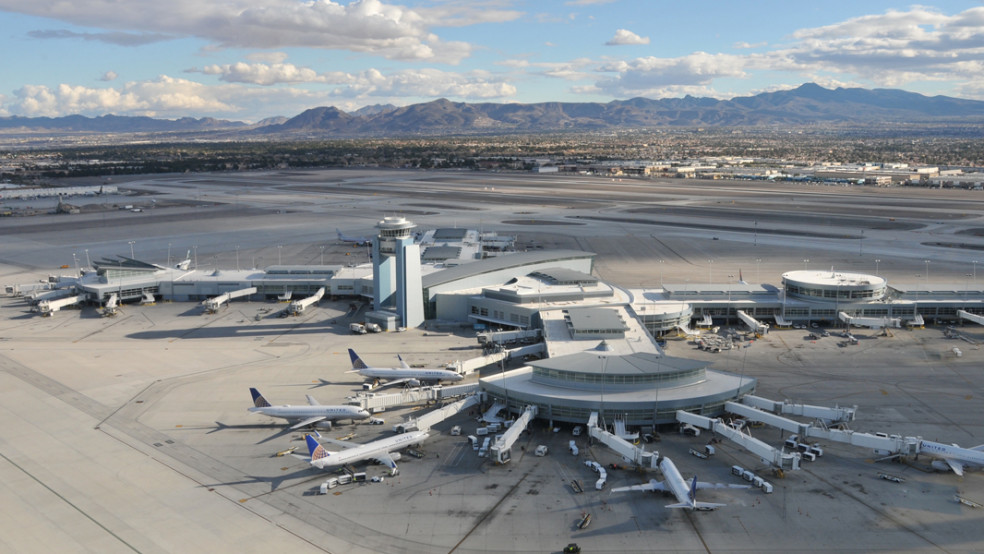
For millions of travelers each year, Harry Reid International Airport is their first taste of the unparalleled entertainment, luxury accommodations, and unique attractions that await them. Whether planning a lavish retreat, a family adventure, a budget-friendly getaway, or a crucial business trip, the airport connects visitors seamlessly to the heart of Southern Nevada. From its distinctive amenities to its strategic location, LAS is intrinsically woven into the fabric of the city it serves, acting as a testament to the region’s enduring appeal as a global hub for travel and tourism.
The Gateway to the Entertainment Capital: An Introduction to LAS
At the heart of the Las Vegas Valley lies Harry Reid International Airport, a bustling international facility strategically located in Paradise, Nevada, just a stone’s throw from the iconic Las Vegas Strip. This proximity is not merely a convenience but a fundamental aspect of the airport’s identity, ensuring that travelers are plunged into the city’s unique atmosphere almost immediately upon arrival.
Prior to its current designation, the airport was widely known as McCarran International Airport, a name it held for decades, honoring former U.S. Senator Pat McCarran. However, in December 2021, a significant renaming occurred, changing its official title to Harry Reid International Airport to honor another influential Nevada statesman, Senator Harry Reid. This transition marked a new chapter for the airport, reflecting changing political landscapes and public sentiment, while solidifying its status as a landmark integral to the region’s identity.
Operated by the Clark County Department of Aviation, LAS consistently ranks among the busiest airports in the United States and globally, handling tens of millions of passengers annually. Its impressive passenger traffic underscores its critical role as the primary air travel hub for Las Vegas, connecting the city to destinations across North America, Europe, and Asia. This high volume of travelers directly fuels the local economy, supporting the extensive network of hotels, resorts, entertainment venues, and restaurants that define the Las Vegas experience.
For those venturing to Las Vegas for its world-renowned attractions, a seamless travel experience begins and ends with LAS. The airport is meticulously designed to process large numbers of arrivals and departures efficiently, ensuring that visitors can transition quickly from air travel to the excitement of their chosen destination. This focus on traveler experience, combined with its strategic location, firmly establishes Harry Reid International Airport as more than just an airport; it is an essential part of the Las Vegas brand, a symbol of accessibility to unparalleled travel and lifestyle opportunities.
A Legacy of Growth: History and Evolution of Las Vegas’s Airport
The story of Harry Reid International Airport is one of continuous growth and adaptation, mirroring the dynamic expansion of Las Vegas itself. What began as a modest private airstrip has transformed into a sprawling international gateway, reflecting decades of strategic development to meet the demands of a booming tourist destination.
The airport’s origins trace back to 1942 when it was established as Alamo Airport by local aviator George Crockett. Initially, it served as a private airfield, but its potential for commercial aviation quickly became apparent. In 1948, Clark County recognized the critical need for a public airport to support the burgeoning city and purchased the facility. Following this acquisition, it was renamed McCarran Field in honor of U.S. Senator Pat McCarran, a key figure in the development of aviation legislation and a strong advocate for Nevada.
Throughout the mid-20th century, as Las Vegas began its ascent as a global entertainment hub, the airport underwent significant expansions. New terminals were added, runways extended, and passenger services continually upgraded to accommodate the increasing influx of visitors. This period saw the transformation from a regional airstrip to a major national airport, handling a diverse range of domestic flights that brought tourists from across the country.
The late 20th and early 21st centuries ushered in an era of unprecedented growth, demanding further modernization and capacity enhancements. The development of Terminal 3, opened in 2012, was a monumental undertaking, designed specifically to cater to international traffic and to provide a state-of-the-art experience for all travelers. This expansion solidified McCarran International Airport’s status as a truly international gateway, capable of handling wide-body aircraft and a global network of routes.
The most recent significant change occurred in 2021 with the renaming to Harry Reid International Airport. This decision, initiated by Clark County officials and approved by federal authorities, aimed to honor former U.S. Senate Majority Leader Harry Reid, a native of Nevada who had a profound impact on state and national politics. The renaming project involved considerable logistical efforts to update signage, branding, and official documentation across the expansive airport complex. This change, while purely symbolic in terms of physical infrastructure, represents a significant cultural and political milestone, linking the airport’s identity to a more contemporary figure in Nevada’s history.
From Alamo Airport to McCarran Field and now Harry Reid International Airport, the airport’s evolution mirrors the ambition and dynamism of Las Vegas itself. Each phase of its development has been a response to the city’s growth, ensuring that its vital aerial connection remains robust and capable of supporting its ever-expanding global footprint in travel, tourism, and lifestyle.
Navigating LAS: Terminals, Airlines, and Facilities for Every Traveler
Harry Reid International Airport is thoughtfully designed to accommodate its vast number of passengers, offering a structured environment that, while large, is surprisingly intuitive to navigate. The airport comprises two main terminals: Terminal 1 and Terminal 3, each serving a specific array of airlines and offering a comprehensive suite of services.
Terminal 1 is the historical and still primary terminal for many domestic carriers, including major players like Southwest Airlines, Spirit Airlines, and Frontier Airlines. It features four concourses (A, B, C, D) and is connected by an efficient Automated People Mover (APM) system, making connections relatively straightforward.
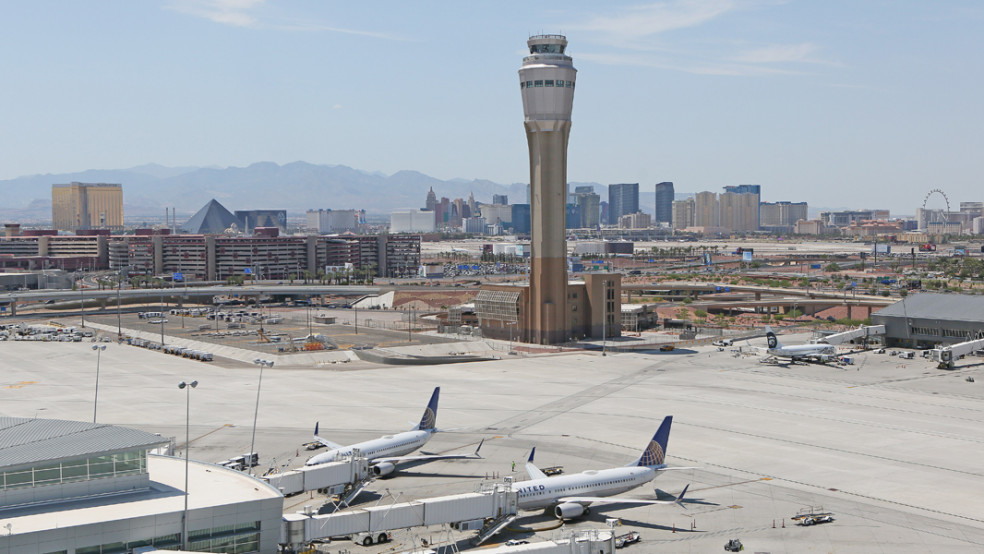
Terminal 3, the newer and larger terminal, primarily handles international flights and several major domestic airlines such as American Airlines, Delta Air Lines, United Airlines, Allegiant Air, and international carriers like British Airways and Virgin Atlantic. This terminal is designed with modern amenities, expansive check-in areas, and enhanced customs and immigration facilities. An advanced Automated People Mover system also links Terminal 3 with the D gates, ensuring easy access for all passengers. Transfers between Terminal 1 and Terminal 3 are facilitated by a complimentary inter-terminal shuttle bus service, ensuring a smooth transition for passengers with connecting flights or those needing to access different ground transportation options.
Passenger Services and Amenities: Enhancing the Travel Experience
What truly sets Harry Reid International Airport apart from many other global airports are its unique passenger services, which vividly reflect the spirit of Las Vegas. Perhaps the most famous and distinctive feature is the presence of gaming machines, or slot machines, strategically placed throughout the terminals. This allows travelers to get a taste of Las Vegas’s legendary gaming culture even before leaving the airport, blending the travel experience with local entertainment.
Beyond the slots, LAS offers an extensive array of amenities designed to cater to every traveler’s needs:
- Dining and Retail: Both terminals boast an impressive selection of dining options, from quick-service cafes and fast food to sit-down restaurants offering diverse cuisines. Passengers can find everything from local favorites to internationally recognized brands. Retail therapy is also readily available, with duty-free shops, newsstands, souvenir stores, and boutiques offering a wide range of products, catering to both luxury and budget travelers.
- Airport Lounges: For those seeking a more exclusive and comfortable pre-flight experience, LAS hosts several airline-specific lounges (e.g., Delta Sky Club, United Club) and common-use lounges like the Centurion Lounge by American Express, providing complimentary food, beverages, Wi-Fi, and a tranquil environment away from the bustling concourses.
- Art and Culture: In line with its role as a significant landmark, the airport actively participates in public art programs, featuring various exhibits and installations that showcase local and regional artists, enriching the travel experience with cultural flair.
- Connectivity and Comfort: Free Wi-Fi is available throughout the airport, alongside numerous charging stations for electronic devices. Comfortable seating areas, pet relief zones, and comprehensive accessibility features ensure a pleasant journey for all passengers, including families and business travelers.
- Ground Transportation Hub: A critical aspect of the airport’s functionality is its seamless connection to ground transportation. The consolidated McCarran Rent-A-Car Center is easily accessible via a dedicated shuttle service, simplifying vehicle rentals. For those preferring ride-shares, designated pick-up zones for services like Uber and Lyft are clearly marked. Taxis, limousine services, and various hotel and shuttle services provide direct access to the Strip and downtown hotels. Public transportation is also an option, with RTC Transit buses offering routes to key areas, appealing to budget-conscious travelers.
This comprehensive array of facilities ensures that whether you’re a first-time visitor or a seasoned Las Vegas regular, Harry Reid International Airport provides an efficient, entertaining, and comfortable start or end to your journey. It perfectly embodies the website’s themes of accommodation, lifestyle, and tourism by offering diverse options for every traveler’s needs and preferences.
Connectivity and Economic Impact: More Than Just an Airport
Beyond its role as a passenger hub, Harry Reid International Airport stands as a formidable economic engine for Las Vegas and the broader Southern Nevada region. Its operations generate substantial direct and indirect economic benefits, impacting everything from employment to international trade.
The airport directly employs thousands of individuals in various capacities, from airline staff and airport management to security personnel, retail workers, and ground transportation providers. Furthermore, its extensive network of flights supports countless jobs in the local hospitality sector, including those at hotels, resorts, restaurants, and entertainment venues that cater to the millions of visitors arriving via LAS. This symbiotic relationship between the airport and the tourism industry is fundamental to Las Vegas’s economic health.
LAS is also crucial for conventions and business travel. Las Vegas is one of the world’s leading destinations for conventions, trade shows, and corporate events, largely facilitated by the convenient access provided by Harry Reid International Airport. The close proximity to the Las Vegas Convention Center and the city’s vast array of meeting spaces makes it an ideal choice for businesses seeking seamless travel logistics for their attendees. This aspect of the airport’s function directly contributes to the lifestyle theme of “business stays” on the website, highlighting its importance beyond leisure travel.
In addition to passenger services, LAS handles significant cargo operations, facilitating the movement of goods and bolstering local and regional commerce. This cargo capability connects Las Vegas to global supply chains, further diversifying its economic output.
Looking to the future, the authorities continually assess the need for expansion and development to keep pace with Las Vegas’s growth. Discussions about future airport capacity, including potential plans for a new airport in the Ivanpah Valley Airport or further enhancements to the existing facility, are ongoing. These strategic considerations underscore the long-term vision for maintaining Las Vegas’s competitive edge as a premier travel destination. Environmental considerations and sustainability efforts are also increasingly integrated into airport planning, reflecting a commitment to responsible growth.
By providing a vital gateway for tourism, supporting a robust convention industry, and acting as a hub for cargo, Harry Reid International Airport is far more than just a place where planes land and take off. It is a fundamental pillar of Las Vegas’s economic prosperity and its enduring appeal as a global landmark for travel, experiences, and diverse lifestyles.

Experiencing Las Vegas from Arrival to Departure
For many, the journey to Las Vegas is an integral part of the adventure, and Harry Reid International Airport ensures that the excitement begins the moment you touch down. The airport itself embodies the spirit of the city, offering a unique first impression that sets the stage for an unforgettable experience.
As your plane descends, the glittering lights of the Strip come into view, a breathtaking panorama that instantly signals your arrival in a city unlike any other. This iconic aerial view is often the first “wow” moment for many visitors, sparking anticipation for the entertainment, dining, and luxury that await. The proximity of the airport to these famous landmarks means that the transition from airplane seat to hotel check-in can be remarkably swift, allowing travelers to maximize their time enjoying the destination.
The airport’s design, from the lively gaming machines to the vibrant art installations and diverse dining options, contributes to a seamless psychological transition from travel mode to vacation mode. It’s a place where efficiency meets entertainment, where the practicalities of air travel are infused with the unique charm of Las Vegas. Whether you are embarking on a luxury travel experience, a family trip, or a budget-conscious adventure, LAS is equipped to handle all needs, setting the tone for a personalized journey.
For optimal travel experiences, understanding a few tips can enhance your time at LAS. Arrive well in advance for departures, especially during peak seasons or for international flights, to allow ample time for security screening and navigating the terminals. Utilizing the various ground transportation options wisely, depending on your accommodation choice and budget, can save time and stress. Consider pre-booking shuttles or ride-shares, particularly if traveling with a group or significant luggage.
In essence, Harry Reid International Airport is more than just an airport code; it’s the vital nerve center connecting the world to the vibrant heart of Las Vegas. It’s the starting point for countless stories of excitement, relaxation, and discovery, perfectly aligning with the core themes of travel, destinations, attractions, and experiences. From the moment you arrive until your departure, LAS plays an indispensable role in shaping the holistic Las Vegas adventure, solidifying its identity as a landmark in its own right within the broader narrative of one of the world’s most captivating cities.
LifeOutOfTheBox is a participant in the Amazon Services LLC Associates Program, an affiliate advertising program designed to provide a means for sites to earn advertising fees by advertising and linking to Amazon.com. Amazon, the Amazon logo, AmazonSupply, and the AmazonSupply logo are trademarks of Amazon.com, Inc. or its affiliates. As an Amazon Associate we earn affiliate commissions from qualifying purchases.