
Las Vegas, Nevada, a city synonymous with dazzling lights, world-class entertainment, and unparalleled luxury, is carved out of the stark beauty of the Mojave Desert. While millions flock to this vibrant destination each year for its vibrant travel experiences, few pause to consider one of its fundamental geographical attributes: its elevation. Understanding the altitude of Las Vegas offers a deeper appreciation for its unique climate, the engineering marvels that sustain it, and the diverse range of activities available to visitors.
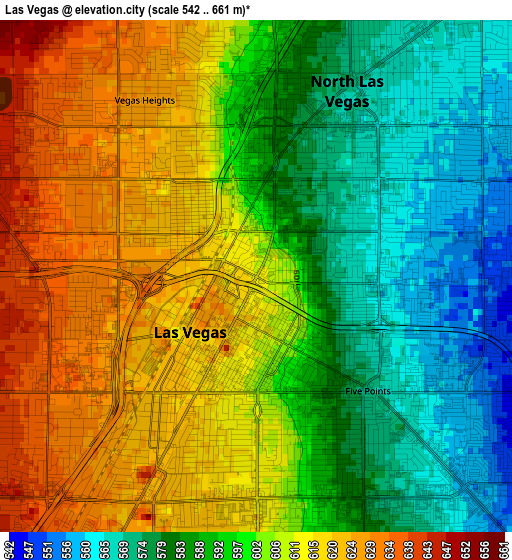
The average elevation of Las Vegas, Nevada, is approximately 2,001 feet (610 meters) above sea level. This figure, while a useful average, varies slightly across the sprawling Las Vegas Valley, a vast basin surrounded by majestic mountain ranges. This seemingly modest altitude plays a significant role in shaping everything from the city’s weather patterns and natural environment to the health considerations for travelers and the breathtaking views from its towering landmarks. For anyone planning a trip, delving into the specifics of Las Vegas’s elevation provides valuable context for maximizing their travel, tourism, and lifestyle experiences in this iconic desert oasis.
Unveiling the Altitude: The Specifics of Las Vegas’s Elevation
The exact elevation of Las Vegas is not a single, fixed point but rather an average across the expansive metropolitan area. The city, along with its neighboring communities like Henderson and North Las Vegas, occupies a broad valley that gently slopes. This slight variation in elevation can impact localized weather and offers different perspectives of the stunning desert landscape.
Averages and Variations Across the Valley
While 2,001 feet (610 meters) is the widely accepted average for Las Vegas, specific points within the city can deviate. For instance, the famous Las Vegas Strip, where many of the iconic hotels and resorts are concentrated, generally sits around 2,000 to 2,100 feet. Areas further north or south in the valley, or those closer to the surrounding foothills, might have slightly higher or lower elevations. For example, Harry Reid International Airport, the primary gateway for most travelers, is situated at an elevation of approximately 2,181 feet (665 meters). Residential neighborhoods often extend into slightly higher or lower terrain, offering residents and visitors different vantage points of the city lights and distant mountains. This subtle topographic diversity contributes to the visual appeal of the region, allowing for panoramic views from elevated areas and dramatic backdrops for urban development. The Clark County government often publishes detailed topographic maps that highlight these variations, important for urban planning and resource management in such a unique environment.
Geographical Context: The Mojave Desert’s Influence
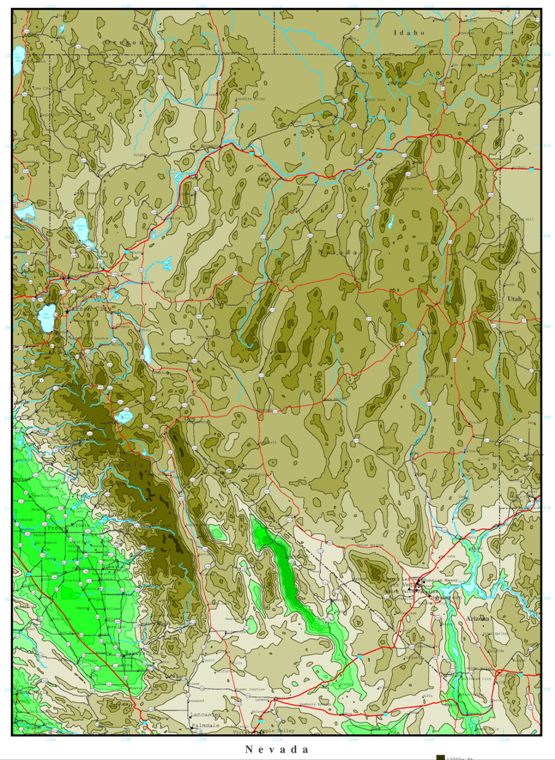
Las Vegas’s elevation is intrinsically linked to its position within the vast and arid Mojave Desert. The city is nestled in a basin, or graben, formed by geological forces over millions of years, bordered by prominent mountain ranges. To the west, the Spring Mountains rise majestically, home to Mount Charleston, which reaches over 11,900 feet (3,600 meters) and often receives snow in winter, providing a stark contrast to the warm valley floor. To the east, the Muddy Mountains and Black Mountains delineate the valley, separating it from the impressive Lake Mead and the Colorado River basin.
This mountainous perimeter defines the Las Vegas Valley and significantly influences its climate and natural beauty. The desert landscape surrounding the city is characterized by sparse vegetation, dramatic rock formations, and unique wildlife, making it a prime destination for outdoor enthusiasts seeking experiences beyond the urban core. Landmarks like Red Rock Canyon National Conservation Area to the west, with its vibrant red rock formations and accessible hiking trails, owe their stunning visuals and ecological character to this specific desert elevation and geological history. The relative low elevation of the city within this rugged terrain also contributes to the “heat island” effect, where urban areas tend to be warmer than surrounding undeveloped land, a phenomenon managed by extensive green spaces and water features within the city’s resorts and attractions.
Elevation’s Impact on the Las Vegas Experience
The elevation of Las Vegas, coupled with its desert locale, is a fundamental factor shaping the overall visitor experience. From the notoriously hot summers to the exhilarating outdoor activities, altitude plays an unseen yet critical role in the city’s appeal and the challenges it presents.
Climate and Weather Patterns
At around 2,000 feet above sea level, Las Vegas experiences a hot desert climate, classified as subtropical, with very hot, long summers and mild winters. The elevation contributes to the region’s aridity, as moisture-laden air masses tend to drop their precipitation over the higher mountain ranges before reaching the valley. This results in incredibly low humidity, often in the single digits during summer, leading to the famous “dry heat” that many visitors find more tolerable than humid climates, despite soaring temperatures that can easily exceed 100°F (38°C). The clear, expansive skies, a direct result of the dry atmosphere, are a signature of Las Vegas, offering stunning sunsets and excellent visibility of distant landmarks.
However, the dry air also means significant temperature swings between day and night, even in summer, providing some relief after dark. Winters are generally mild and sunny, making it an attractive destination for those escaping colder climates, with daytime temperatures averaging in the 50s and 60s Fahrenheit (10-20°C). This distinct climate, influenced by elevation and geography, directly impacts travel planning, from packing appropriate attire to choosing the best time of year for a visit. For example, outdoor activities are best enjoyed in the cooler months, while summer travel often revolves around air-conditioned attractions and resort pools.
Health Considerations for Travelers
While Las Vegas’s elevation is not high enough to typically cause severe altitude sickness for most people, it’s still crucial for travelers to be aware of certain health considerations, especially given the extreme climate. The dry air significantly increases the risk of dehydration. Visitors, particularly those enjoying the vibrant nightlife, walking extensively, or engaging in outdoor activities, must proactively drink plenty of water throughout the day. Alcohol consumption can exacerbate dehydration, so moderation and rehydration are key for a comfortable stay.
Sun exposure is another major concern. The high desert sun at 2,000 feet is intense, with high UV index levels. Sunscreen, hats, and sunglasses are essential, even on cloudy days, to prevent sunburn and heatstroke. Travelers with respiratory conditions might also find the dry air a bit challenging initially, though acclimatization usually occurs quickly. Hotels and resorts are generally well-equipped with air conditioning and often offer humidifiers upon request, ensuring guest comfort. Understanding these simple tips can make a significant difference in a traveler’s overall well-being and enjoyment of their Las Vegas experience, allowing them to fully engage with the city’s attractions and activities without discomfort.
Recreational Activities and Natural Wonders
The unique combination of Las Vegas’s elevation and surrounding natural environment provides a wealth of recreational opportunities beyond the casinos and shows. The dramatic landscape is a playground for adventurers and nature lovers. Just a short drive from the Las Vegas Strip, the Spring Mountains offer a complete change of scenery, with hiking trails, picnic areas, and even skiing or snowboarding on Mount Charleston during winter months, all at significantly higher elevations.
Red Rock Canyon National Conservation Area, located just 17 miles west of the city, is a prime example of how elevation and geology combine to create breathtaking landmarks. Its iconic red sandstone cliffs and diverse hiking trails are immensely popular for rock climbing, scenic drives, and nature photography. Further afield, but still within easy reach, Lake Mead National Recreation Area offers a stark contrast, providing opportunities for boating, fishing, and kayaking on the vast man-made lake, created by the engineering marvel of the Hoover Dam. Valley of Fire State Park, Nevada’s oldest state park, showcases ancient petrified trees and petroglyphs amidst stunning red sandstone formations, another testament to the region’s natural beauty. These outdoor attractions provide a compelling complement to the urban glamour, allowing visitors to experience the diverse natural wonders that exist just beyond the city’s luminous embrace, making Las Vegas a destination for both luxury travel and rugged adventure.
Las Vegas: A City Built Against the Odds (and Altitude)

Building a thriving metropolis in a desert at 2,000 feet above sea level presents considerable challenges, yet Las Vegas has overcome them with remarkable ingenuity. The city’s very existence is a testament to sophisticated urban planning and engineering prowess, creating a vibrant hub that balances opulent lifestyle with practical resource management.
Engineering Marvels and Urban Planning
The development of Las Vegas is one of the greatest feats of modern urban planning and engineering. Sustaining a population of over 2 million residents and hosting tens of millions of tourists annually in an arid environment at this elevation demands innovative solutions, particularly concerning water. The city relies heavily on water from the Colorado River, stored in Lake Mead, managed by the Southern Nevada Water Authority. Extensive pipeline systems, pumping stations, and sophisticated water recycling programs ensure efficient usage. The architecture itself, from the towering resort structures to expansive convention centers, is designed to withstand the desert climate, utilizing advanced cooling systems and often incorporating lush, water-intensive landscaping in a sustainable manner through strategic xeriscaping in many public and residential areas.
Furthermore, the construction of iconic landmarks such as the Hoover Dam on the Colorado River was instrumental in enabling Las Vegas’s growth, providing both water and hydroelectric power. The dam, a landmark in itself, is a testament to human ambition and foresight, directly influencing the livability and tourism potential of the entire region. The challenges of building on desert terrain also called for robust infrastructure planning, including earthquake-resistant designs and efficient transportation networks, supporting the massive influx of people and goods that define the Las Vegas economy.
Iconic Landmarks and Resorts at Altitude
The city’s elevation provides a unique backdrop for its world-renowned architecture and entertainment complexes. The famous resorts along the Las Vegas Strip are not just buildings; they are self-contained worlds of luxury, often incorporating water features, lush gardens, and towering structures that capitalize on the clear desert air and distant mountain views. Imagine the fountains of Bellagio dancing against the twilight sky, or the Roman grandeur of Caesars Palace standing proud with the Spring Mountains in the background.
Observation decks and attractions like the High Roller observation wheel and the Stratosphere Tower (now known as The STRAT Hotel, Casino & SkyPod) offer unparalleled panoramic views of the entire Las Vegas Valley, extending all the way to the surrounding mountain ranges and the distant glow of Lake Mead. These vantage points highlight the sheer scale of urban development against the natural, elevated desert environment. The engineering required to build these colossal structures on what was once barren land speaks volumes about the vision behind Las Vegas. Each hotel, from Mandalay Bay to The Venetian Resort Las Vegas, Aria Resort & Casino, Circus Circus, Paris Las Vegas, and New York-New York Hotel & Casino, represents a triumph of design and construction that defies its desert setting, embodying the city’s blend of extravagant lifestyle and architectural ambition.
Lifestyle and Tourism Implications
The elevation and unique geography of Las Vegas profoundly shape its lifestyle and tourism appeal. The clear skies and distant mountain vistas create a sense of openness and grandeur that complements the city’s opulent offerings. This contrast between the raw beauty of the desert and the glittering man-made wonders is a key part of the Las Vegas mystique. For lifestyle enthusiasts, this means the opportunity to indulge in luxury travel — staying in exquisite suites and villas, dining at world-class restaurants, and enjoying spectacular shows — while also having easy access to outdoor adventures.
Budget travel is also facilitated by the diverse range of accommodation options and activities, many of which are free or low-cost, like exploring the Fremont Street Experience or hiking in a nearby park. Family trips benefit from the blend of entertainment and educational opportunities, from resort attractions to exploring natural landmarks. Business stays are enhanced by state-of-the-art convention facilities set against a dramatic backdrop, offering unique team-building excursions. The constant sunshine, a direct benefit of the dry, elevated climate, ensures a vibrant atmosphere year-round, making Las Vegas a perpetually attractive destination for all types of travelers seeking diverse experiences, from high-stakes gambling to serene desert contemplation.
Maximizing Your Visit: Tips for Thriving at Las Vegas’s Elevation
A successful trip to Las Vegas involves more than just booking the right flights and shows; it also means being prepared for its unique environment. Understanding the implications of its 2,000-foot elevation can significantly enhance your comfort, health, and overall enjoyment of your stay.
Accommodation Choices and Comfort
When selecting your accommodation in Las Vegas, consider how the elevation and climate impact comfort. All major hotels and resorts are equipped with powerful air conditioning systems, essential for managing the desert heat. When booking, check for amenities that cater to your comfort in this environment, such as pools for cooling off, in-room humidifiers if you’re sensitive to dry air, and perhaps rooms with views that showcase the surrounding mountains. Many resorts offer different types of suites, apartments, and even villas that provide private patios or balconies, allowing you to enjoy the clear skies and distant vistas, particularly during cooler evenings.
For those planning a longer stay, or seeking alternatives to the bustling Strip, exploring accommodation options in Henderson or Summerlin might offer a slightly different elevation and perspective, often with more local flavor and access to community amenities. Comparison websites are excellent for reviewing and comparing these diverse options, ensuring you find a place that not only fits your budget but also your comfort needs in this unique desert setting. Whether it’s a luxury suite at The Palazzo at The Venetian Resort or a family-friendly hotel off the main drag, mindful booking can make all the difference.
Essential Travel Tips and Planning
Effective travel planning for Las Vegas should always factor in its elevated desert climate. First and foremost, hydration is key. Drink water constantly, even if you don’t feel thirsty, especially when partaking in activities, walking outdoors, or enjoying alcoholic beverages. Secondly, sun protection is non-negotiable. Wear high-SPF sunscreen, sunglasses, and a wide-brimmed hat. Lightweight, breathable clothing is advisable, and layers can be useful for cooler evenings or when moving between air-conditioned interiors and the outdoor heat.
Consider the time of year for your visit. Spring and fall offer the most pleasant temperatures for exploring both indoor and outdoor attractions. Summer months are perfect for pool lounging and enjoying indoor entertainment, while winter provides mild days suitable for hiking in the nearby mountains. When planning your itinerary, balance indoor activities with outdoor excursions, scheduling the latter for mornings or late afternoons to avoid the midday sun. Local culture tips often emphasize embracing the evening hours, when the city truly comes alive and the temperatures are more forgiving. Familiarize yourself with public transport or ride-sharing options to minimize walking distances during peak heat.
Exploring Beyond the Strip: Nature and Culture
While the Las Vegas Strip offers an unparalleled array of entertainment, to truly appreciate the city’s unique location and elevation, venturing beyond its luminous core is highly recommended. Embrace the natural beauty of the Mojave Desert by exploring nearby landmarks. A day trip to Red Rock Canyon National Conservation Area allows for scenic drives, hiking, and rock climbing amidst stunning geological formations. The cooler temperatures at higher elevations in the Spring Mountains provide a refreshing escape, perfect for a picnic or a more challenging hike.
Visiting the Hoover Dam offers both a historical landmark experience and breathtaking views of Lake Mead and the Colorado River, showcasing the scale of human endeavor in this environment. For a taste of local culture and history, explore downtown Las Vegas and the Fremont Street Experience, which offers a different vibe than the modern Strip, with its historic casinos and vibrant street performances. These excursions provide a deeper understanding of how Las Vegas thrives at its elevation, showcasing the harmonious blend of natural ruggedness and sophisticated urban development that defines this extraordinary destination.
In conclusion, the elevation of Las Vegas, Nevada, at approximately 2,001 feet (610 meters), is far more than just a geographical statistic. It is a fundamental characteristic that shapes the city’s climate, influences its unique desert ecosystem, and underpins the incredible feats of engineering and urban planning that have allowed this dazzling oasis to flourish. For travelers, understanding this elevation offers practical insights into health considerations and activity planning, while also enriching the appreciation for the dramatic natural landscapes that frame the city’s iconic skyline. From the exhilarating views atop the Stratosphere Tower to the serene hiking trails of Red Rock Canyon, Las Vegas stands as a testament to human ingenuity and a captivating destination where the allure of luxury meets the untamed beauty of the high desert. Whether you’re seeking world-class entertainment, outdoor adventure, or a unique blend of both, this vibrant city promises an unforgettable experience, all from its distinctive vantage point above sea level.
LifeOutOfTheBox is a participant in the Amazon Services LLC Associates Program, an affiliate advertising program designed to provide a means for sites to earn advertising fees by advertising and linking to Amazon.com. Amazon, the Amazon logo, AmazonSupply, and the AmazonSupply logo are trademarks of Amazon.com, Inc. or its affiliates. As an Amazon Associate we earn affiliate commissions from qualifying purchases.