
While the precise atmospheric conditions of a single day in Las Vegas might be fleeting, understanding the typical weather patterns of this vibrant Nevada metropolis is crucial for any traveler planning an unforgettable visit. Las Vegas, nestled in the heart of the Mojave Desert, boasts a unique climate characterized by extreme temperatures, abundant sunshine, and remarkably low humidity. This distinct weather profile significantly influences everything from packing choices and daily itineraries to the best times to explore both the iconic Las Vegas Strip and the stunning natural wonders that surround the city.
For those embarking on a journey to the “Entertainment Capital of the World,” knowing what to expect from the climate is as important as booking the right hotel or snagging tickets to a world-class show. Whether you dream of lounging by a shimmering pool, embarking on a desert adventure, or simply navigating the dazzling indoor attractions, the weather will play a pivotal role in shaping your experience. This guide delves into the nuances of Las Vegas’ climate, offering insights and tips to ensure your trip is comfortable, safe, and utterly enjoyable, regardless of the season.
Understanding the Desert Climate: A Year-Round Perspective
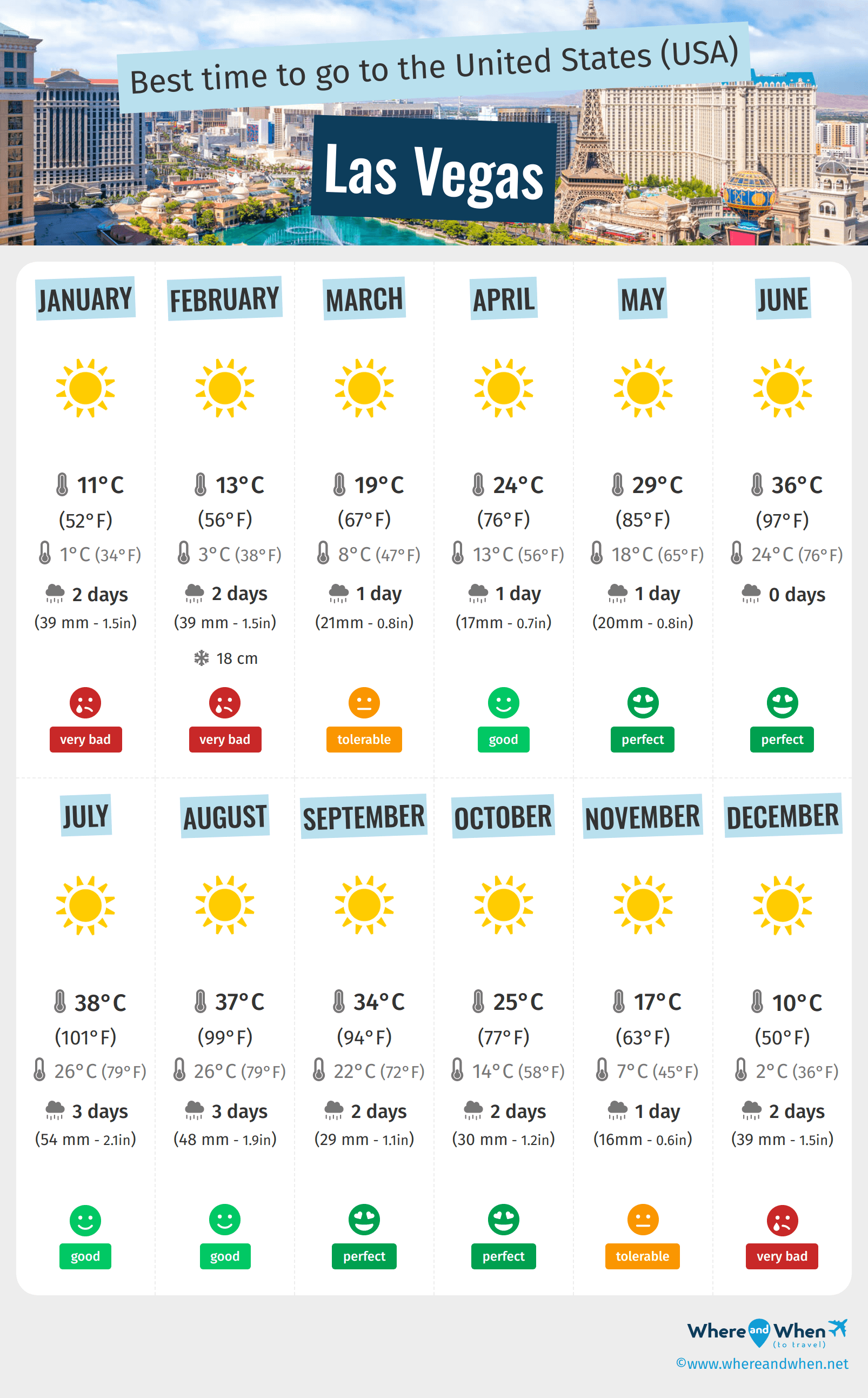
The geographical location of Las Vegas within the Mojave Desert dictates its arid, subtropical desert climate, famous for its intense summers and mild, pleasant winters. This stark contrast between seasons offers diverse experiences for visitors, allowing Las Vegas to be a year-round destination, each period presenting its own unique charm and challenges.
Scorching Summers and Mild Winters
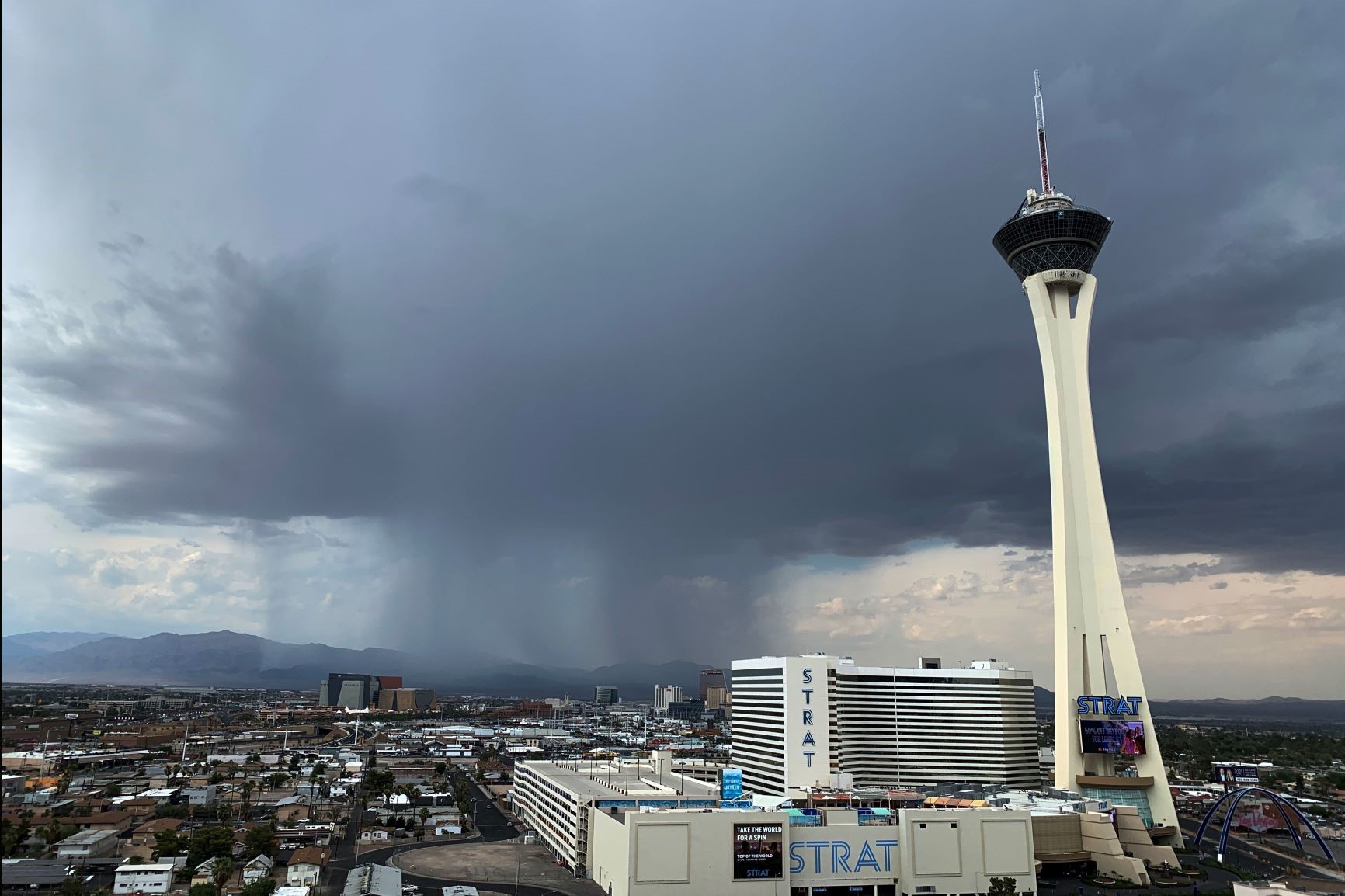
Summer in Las Vegas, typically from June through September, is synonymous with searing heat. Daytime temperatures frequently soar above 100°F (38°C), often reaching up to 110°F (43°C) or even higher in July and August. While the evenings offer some reprieve, they remain warm, usually hovering in the 80s°F (27-32°C). This season is characterized by relentless sunshine and minimal cloud cover, making outdoor activities during peak daylight hours particularly challenging without proper precautions. Despite the intensity, the dry heat is often described as more manageable than humid heat, allowing many to enjoy pools and air-conditioned indoor environments. Occasional monsoonal moisture can bring brief, dramatic thunderstorms in late summer, offering a temporary break from the heat, though humidity levels can spike during these periods.
In stark contrast, winter, from December to February, transforms Las Vegas into a more temperate paradise. Daytime temperatures average a comfortable 50-60°F (10-16°C), perfect for exploring the city on foot or enjoying outdoor attractions without the oppressive heat. Nights can get chilly, dropping into the 30s°F (around 0°C), and light frosts are not uncommon. Snowfall is extremely rare on the valley floor but can be seen on the surrounding mountains, adding a picturesque backdrop. This mild weather makes winter an incredibly popular time for conventions, golf trips, and visitors who prefer cooler temperatures.
Spring (March to May) and Fall (October to November) are widely considered the ideal times to visit. These shoulder seasons offer the best of both worlds: warm, sunny days with average temperatures ranging from 70-90°F (21-32°C) and comfortably cool evenings. The weather during these months is perfect for almost any activity, from hiking in nearby national conservation areas to enjoying outdoor dining and poolside relaxation.
The Dry Heat Phenomenon
One of the most distinctive aspects of Las Vegas’ climate is its exceptionally low humidity. Even when temperatures skyrocket in summer, the air remains remarkably dry. This “dry heat” can feel less oppressive than humid heat, as perspiration evaporates quickly from the skin, providing a natural cooling effect. However, this dryness also presents its own set of challenges, primarily concerning hydration and skin care. Visitors often underestimate how quickly they can dehydrate in the arid environment, making consistent water intake crucial. The dry air can also exacerbate dry skin, eyes, and nasal passages, necessitating moisturizers, eye drops, and lip balm. Understanding and preparing for this unique dry heat phenomenon is key to a comfortable and healthy stay in the desert.
Planning Your Las Vegas Adventure: Weather-Wise Travel Tips
Armed with an understanding of Las Vegas’ climate, you can strategically plan your trip to optimize comfort and enjoyment. From packing essentials to daily activity scheduling, a weather-conscious approach will significantly enhance your Las Vegas experience.
Packing for the Nevada Desert
Your packing list will vary dramatically depending on the season. For summer visits, lightweight, breathable fabrics like cotton or linen are essential. Think loose-fitting shirts, shorts, and dresses. A wide-brimmed hat, sunglasses, and comfortable sandals are non-negotiable for sun protection and navigating the warm pavement. Even in summer, a light sweater or shawl might be useful for air-conditioned indoor venues, which can often be quite cool.
During winter, layers are your best friend. Pack long-sleeved shirts, sweaters, light jackets, and perhaps even a heavier coat for evenings. Jeans or comfortable trousers are suitable for daytime. Don’t forget a scarf and gloves if you plan to be out after dark. Spring and fall call for versatile packing: a mix of light clothing for warm days and a jacket or sweater for cooler evenings. Always include comfortable walking shoes, regardless of the season, as you’ll likely be doing a lot of exploring.
Beyond clothing, remember to pack or purchase high-SPF sunscreen, a reusable water bottle, and a good moisturizer or hydrating lotion. These are crucial for combating the intense sun and dry air year-round.
Hydration and Sun Protection: Essential Strategies
Hydration is paramount in Las Vegas’ arid climate, especially during the hotter months. It’s easy to become dehydrated without realizing it due to the rapid evaporation of sweat. Drink plenty of water throughout the day, even if you don’t feel thirsty. Many hotels and resorts offer water stations, and purchasing bottled water is always an option. Limiting alcohol and sugary drinks, which can contribute to dehydration, is also advisable, especially when spending time outdoors.

Sun protection is equally vital. The desert sun is incredibly strong, and UV radiation levels are high. Always apply sunscreen generously to all exposed skin, and reapply frequently, particularly if you’re swimming or sweating. Seek shade whenever possible, wear a hat, and don polarized sunglasses to protect your eyes. If you’re planning extensive outdoor activities, consider UPF-rated clothing for an extra layer of protection. Taking breaks in air-conditioned spaces is also a smart strategy to avoid overheating and sun exposure.
Maximizing Your Stay: Activities for Every Forecast
The beauty of Las Vegas lies in its ability to cater to every preference, regardless of the weather. The city is ingeniously designed to offer both exhilarating outdoor experiences and an abundance of climate-controlled indoor entertainment, ensuring your trip is never truly “weather-dependent.”
Beating the Heat: Indoor Escapes and Aquatic Refuges
When the summer sun beats down, Las Vegas’ array of indoor attractions truly shines. The casinos themselves are massive, air-conditioned entertainment complexes, offering endless hours of gaming, dining, shopping, and people-watching. You can easily spend an entire day navigating the opulent hallways of resorts like Bellagio, Caesars Palace, or The Venetian Resort, moving seamlessly between shops, restaurants, and gaming floors without stepping outside.
World-class entertainment, from Cirque du Soleil shows at MGM Grand to resident headliners at Park MGM, provides perfect evening escapes from the heat. Museums like The Mob Museum and The Neon Museum offer fascinating cultural insights in climate-controlled environments. High-end shopping at destinations like the Forum Shops at Caesars Palace or the Grand Canal Shoppes at The Venetian Resort provides a luxurious way to beat the heat. Indoor attractions like the High Roller Observation Wheel at The LINQ Promenade or the Eiffel Tower Viewing Deck at Paris Las Vegas offer breathtaking views from comfortable, enclosed spaces.
And, of course, the pools! Las Vegas resorts are famous for their elaborate pool complexes, offering a refreshing oasis in the desert. From the Mediterranean-inspired pools at Bellagio to the sandy beach and wave pool at Mandalay Bay Resort and Casino, these aquatic refuges are a quintessential summer Las Vegas experience. Many offer cabanas for shade, swim-up bars, and lively atmospheres. Choosing a hotel with an exceptional pool area is a key consideration for summer visitors.
Enjoying the Mild Seasons: Outdoor Explorations
When the weather is mild during spring, fall, and winter, Las Vegas truly opens up for outdoor exploration. This is the perfect time to stroll along the Las Vegas Strip, marveling at the Bellagio Fountains show or exploring the vibrant energy of the Fremont Street Experience downtown. Outdoor dining becomes a delightful option, with numerous restaurants offering patio seating overlooking the city lights or scenic landscapes.
Golf enthusiasts flock to Las Vegas during these seasons to enjoy its championship courses under pleasant skies. Hiking and biking in nearby natural areas become accessible and highly enjoyable. The mild temperatures are also ideal for visiting attractions like the Stratosphere Tower (now The Strat Hotel, Casino & Skypod) for outdoor thrill rides or simply enjoying the resort grounds and gardens. Evenings are perfect for outdoor concerts or simply enjoying a walk.
Beyond the Strip: Weather and Regional Exploration
The allure of Las Vegas extends far beyond its dazzling Strip, with a wealth of natural wonders within a short drive. The weather plays an even more critical role in planning these regional excursions.
Day Trips to Natural Wonders
The desert landscape surrounding Las Vegas is home to some of America’s most breathtaking natural landmarks, including the Grand Canyon, Red Rock Canyon National Conservation Area, Valley of Fire State Park, Lake Mead, and Hoover Dam.
-
Red Rock Canyon National Conservation Area: Just a short drive west of the city, Red Rock Canyon is a hiker’s paradise with stunning sandstone formations. Hiking here is best in the cooler months (fall, winter, spring) when temperatures are mild. During summer, it’s advisable to visit very early in the morning, stick to shorter trails, and carry ample water. The scenic drive, however, can be enjoyed year-round.
-
Valley of Fire State Park: Known for its vibrant red Aztec sandstone outcrops, this park is about an hour northeast of Las Vegas. Similar to Red Rock Canyon, spring and fall offer the most comfortable conditions for exploring its trails and ancient petroglyphs. Summer visits are best restricted to scenic drives and very short walks to overlooks, always with extreme caution regarding the heat.
-
Lake Mead and Hoover Dam: These iconic attractions are less than an hour southeast of Las Vegas. Visiting the Hoover Dam involves some walking outdoors, making cooler months more pleasant. Boat tours and water sports on Lake Mead are popular in summer, offering a refreshing escape, but proper sun protection is crucial on the water.
-
Grand Canyon: A trip to the Grand Canyon (either the West Rim or South Rim) is a full-day commitment. Weather at the Grand Canyon can differ significantly from Las Vegas due to elevation. The South Rim, in particular, experiences four distinct seasons, including cold, snowy winters. The West Rim, being closer and lower in elevation, has more desert-like weather. Always check the forecast for your specific Grand Canyon destination before departing. Helicopter tours offer a weather-independent way to experience the Canyon but can be affected by high winds or visibility issues.
Planning these excursions requires checking specific weather forecasts for the destination, not just Las Vegas. The change in elevation can lead to surprising temperature shifts.
In conclusion, “What was the weather in Las Vegas today?” is a question best answered by understanding its dynamic desert climate. Whether you encounter the blazing sun of summer or the mild breezes of winter, Las Vegas stands ready to offer an unparalleled travel experience. By preparing for its unique weather patterns, you can ensure your visit is comfortable, safe, and filled with unforgettable moments, making the most of every sun-drenched day and starlit night in this remarkable desert oasis.
LifeOutOfTheBox is a participant in the Amazon Services LLC Associates Program, an affiliate advertising program designed to provide a means for sites to earn advertising fees by advertising and linking to Amazon.com. Amazon, the Amazon logo, AmazonSupply, and the AmazonSupply logo are trademarks of Amazon.com, Inc. or its affiliates. As an Amazon Associate we earn affiliate commissions from qualifying purchases.