
Las Vegas, the dazzling oasis in the Mojave Desert of Nevada, is synonymous with endless sunshine, scorching temperatures, and arid landscapes. It’s a destination renowned globally for its vibrant nightlife, world-class entertainment, and extravagant resorts, drawing millions of visitors eager for an escape. Yet, beneath this veneer of perpetual dry heat lies a fascinating, albeit often misunderstood, climatic phenomenon: the monsoon season. While not a monsoon in the traditional Asian sense of continuous torrential rain, Las Vegas does experience a distinct period of increased atmospheric moisture and thunderstorm activity, transforming the desert’s character for several weeks each year. Understanding “when is monsoon season in Las Vegas?” is crucial for any traveler planning their trip, allowing them to anticipate weather patterns, prepare for potential disruptions, and even discover unique aspects of this iconic United States city. Far from being a deterrent, this season offers a different kind of spectacle, from dramatic skyscapes to the refreshing, if brief, respite from intense summer heat.

Understanding the North American Monsoon Phenomenon
The concept of a monsoon in a desert environment might seem contradictory, but the phenomenon experienced in the southwestern United States is a well-documented meteorological event known as the North American Monsoon (NAM). This isn’t just a sporadic storm; it’s a seasonal shift in atmospheric circulation that brings a significant increase in moisture and convective activity to typically dry regions.
What is the Monsoon Phenomenon?
The North American Monsoon is characterized by a seasonal reversal of wind patterns, similar in principle to its more famous Asian counterpart. During late spring and early summer, the arid southwestern United States and northwestern Mexico experience intense heating, creating a thermal low-pressure system over the region. As the summer progresses, this low-pressure system draws moisture from the Gulf of Mexico to the southeast and, to a lesser extent, the Pacific Ocean and the Gulf of California to the southwest. This influx of moist air, combined with the intense daytime heating, leads to instability in the atmosphere, resulting in the development of towering cumulus clouds and powerful thunderstorms.
For Las Vegas, situated in the rain shadow of the Sierra Nevada Mountains, these storms often manifest as localized, intense downpours, rather than prolonged, region-wide rainfall. The storms are typically convective, meaning they form rapidly due to surface heating and moisture, leading to spectacular lightning displays, strong winds, and heavy, though often short-lived, bursts of rain. The monsoon season fundamentally alters the typical desert climate, introducing humidity and the dramatic power of nature to a landscape usually defined by its stark dryness. It’s a critical component of the regional ecosystem, contributing essential moisture, albeit irregularly, to flora and fauna adapted to these extreme conditions.
When Does It Typically Occur in Las Vegas?
The monsoon season in Las Vegas generally kicks off in late June, typically around the third week, and extends through mid-September. While the official start and end dates can fluctuate slightly year by year, the peak of activity is usually observed during July and August. During these months, the chances of experiencing a thunderstorm increase significantly, especially in the afternoons and early evenings.
It’s important to note that the intensity and frequency of monsoon activity can vary considerably from one year to the next. Some years might see a “robust” monsoon, characterized by numerous, powerful storms, while others might experience a “weak” or “bust” monsoon with fewer, less intense events. Factors such as oceanic temperature patterns (like El Niño or La Niña) can influence the strength and trajectory of the moisture flow, impacting the season’s overall performance. Local meteorologists closely monitor these patterns, providing daily forecasts that become particularly important during this volatile period. For travelers, this means that while a summer visit might statistically put them in monsoon season, the actual experience can range from spectacular lightning shows with minimal rain to significant downpours requiring careful planning.
The Las Vegas Monsoon Experience: Weather and Impact
Experiencing Las Vegas during monsoon season is unique. The weather patterns can be dramatic and unpredictable, bringing a different dynamic to the desert landscape and impacting various aspects of travel and tourism.
Typical Weather Patterns During Monsoon Season
While still hot, the air during monsoon season in Las Vegas often carries a noticeable humidity, a stark contrast to the usual dry heat. Mornings typically start clear and extremely hot, with temperatures often soaring into the triple digits (Fahrenheit). As the day progresses, particularly in the mid-to-late afternoon and early evening, towering cumulus clouds begin to build, often culminating in impressive thunderstorms. These storms are characterized by:
- Heavy, Brief Rainfall: When it rains, it often pours. Downpours can be incredibly intense, dumping a significant amount of water in a short period. However, they are usually localized and brief, often lasting only 30 minutes to an hour, before giving way to clear skies, albeit with lingering humidity.
- Lightning and Thunder: The electrical displays are spectacular, with frequent lightning strikes illuminating the vast desert sky. This makes for incredible photo opportunities but also necessitates caution, especially for those outdoors.
- Strong Winds and Dust Storms (Haboobs): Prior to or during a thunderstorm, strong downdrafts can kick up massive walls of dust, known as haboobs. These dust storms can reduce visibility to near zero and are a hazard for drivers and anyone with respiratory issues.
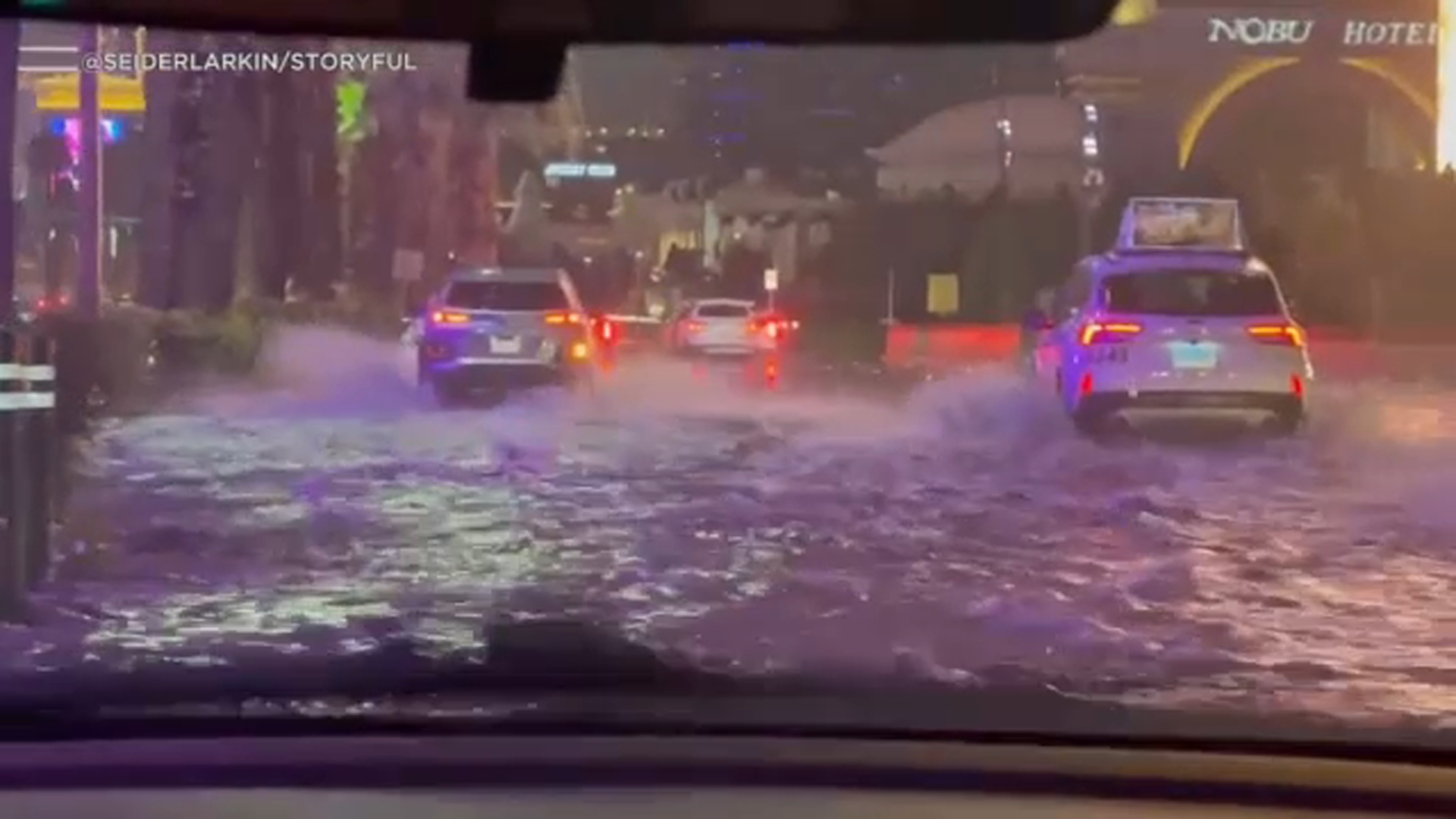
- Flash Flooding: This is arguably the most significant hazard of the Las Vegas monsoon. The arid ground, often compacted and lacking vegetation, struggles to absorb intense rainfall. Water rapidly runs off, collecting in low-lying areas, washes, and dry riverbeds, quickly turning them into raging torrents. Even major roads, especially those in underpasses or areas prone to runoff, can become submerged in minutes. Las Vegas is part of a region sometimes referred to as “Flash Flood Alley” for this reason.
Despite the storms, temperatures generally remain high, often only dropping slightly after a downpour due to evaporation, maintaining a humid warmth throughout the evening.
Impact on Travel and Tourism
The monsoon season can significantly affect how visitors experience Las Vegas, primarily due to its impact on outdoor activities and transportation:
- Outdoor Activities: Hiking in nearby natural landmarks like Red Rock Canyon National Conservation Area, Valley of Fire State Park, or exploring areas around Hoover Dam and Lake Mead can become risky. Trails in canyons or washes are particularly dangerous due to flash flood potential. Golf courses might temporarily close, and outdoor pool time could be interrupted by storms. Travelers planning excursions to more distant attractions like the Grand Canyon or Death Valley should also be aware that roads leading to and from these areas can be impacted by heavy rain or dust storms.
- Indoor Attractions: Fortunately, much of Las Vegas’s appeal lies indoors. World-class casinos, spectacular shows, gourmet dining, and extensive shopping opportunities on the Las Vegas Strip and at places like the Fremont Street Experience remain largely unaffected. In fact, a monsoon downpour can sometimes drive more visitors indoors, making these venues even livelier. Many resorts are designed to be self-contained universes, offering ample entertainment options under one roof.
- Road Conditions and Traffic: Heavy rains can quickly create hazardous driving conditions. Visibility can drop dramatically during dust storms or intense downpours, and standing water poses a significant threat. Las Vegas Boulevard (the Strip) and other major arteries can experience significant traffic delays due to flooding or accidents. Public transportation, including ride-sharing services, might also face disruptions. Always check local news and weather alerts before venturing out, especially if driving.
Navigating the Las Vegas Monsoon: Tips for Travelers
Despite the potential for dramatic weather, visiting Las Vegas during monsoon season can be a memorable experience with the right preparation and mindset. It’s all about adapting your plans and prioritizing safety.
Preparation and Safety
Forewarned is forearmed, especially when dealing with unpredictable weather. Travelers to Las Vegas during the monsoon season should keep the following tips in mind:
- Monitor Weather Forecasts Daily: This is paramount. Local news channels and weather apps provide real-time updates on storm development and flash flood warnings. Pay particular attention to advisories from the National Weather Service for Southern Nevada.
- Stay Hydrated and Manage Heat: Even with rain, the temperatures remain extremely high, and the added humidity can make it feel even more oppressive. Drink plenty of water, avoid excessive alcohol consumption, and seek air-conditioned environments regularly.
- Pack Appropriately: While you’ll still need light, breathable clothing for the heat, consider including a lightweight rain jacket or umbrella. Water-resistant footwear can also be a lifesaver if you find yourself walking through unexpected puddles on the Strip.
- Driving Safety is Key: Never, under any circumstances, attempt to drive through flooded roads or washes. “Turn around, don’t drown” is a critical mantra in flash flood country. Water depth can be deceptive, and powerful currents can sweep vehicles away. Stay alert for road closures and follow instructions from emergency services. If a dust storm hits while driving, pull over safely, turn off your lights, and wait for visibility to improve.
- Reconsider Outdoor Adventure Plans: If heavy rains or thunderstorms are forecast, postpone or reschedule hiking, biking, or outdoor water activities. Check with park rangers or tour operators for current conditions and closures at Red Rock Canyon National Conservation Area or Valley of Fire State Park. The danger of flash floods in canyon areas is very real.
Making the Most of Monsoon Season Travel
Despite the challenges, monsoon season offers unique opportunities and experiences that can enhance a Las Vegas trip:
- Embrace Indoor Luxury and Entertainment: Las Vegas truly excels at indoor entertainment. Use the stormy weather as an excuse to fully indulge in the luxury offerings of your hotel or resort. Explore the expansive casinos of properties like Bellagio or Caesars Palace, catch a world-renowned show, or treat yourself to a rejuvenating session at one of the city’s many opulent spas. The Grand Canal Shoppes at The Venetian Resort or The Forum Shops at Caesars Palace offer climate-controlled shopping and dining.
- Unique Photo Opportunities: Monsoon season skies are often spectacular. The dramatic cloud formations, intense lightning, and vibrant sunsets and sunrises that follow a storm can provide stunning backdrops for photographs, offering a different perspective of the iconic Las Vegas skyline. Rainbows are also a common sight after a passing shower.
- Potentially Fewer Crowds (Selectively): While Las Vegas is busy year-round, the mid-summer heat combined with the potential for monsoon storms might deter some visitors, leading to slightly fewer crowds, particularly mid-week. This could translate to shorter lines for attractions, easier restaurant bookings, or better deals on accommodation if you’re flexible.
- Book Flexible Accommodation: When making booking arrangements for hotels, suites, or apartments, consider options with flexible cancellation policies. This provides peace of mind should extreme weather forecasts necessitate a change of plans. Reading recent reviews can also offer insights into how specific properties handle monsoon-related issues.
Accommodation and Lifestyle During the Las Vegas Monsoon
Choosing the right accommodation and adjusting your lifestyle expectations can significantly enhance your experience during the Las Vegas monsoon season. The city offers a vast array of options, each catering to different needs and preferences, and a little foresight can go a long way.
Choosing the Right Stay
Your choice of hotel, resort, or apartment can make a substantial difference when monsoon storms roll through. Opting for properties that excel in indoor amenities is a smart strategy:
- Integrated Resorts: Focus on large, integrated resorts on the Las Vegas Strip or downtown. Properties like Bellagio, Caesars Palace, The Venetian Resort, Wynn Las Vegas, Encore at Wynn Las Vegas, Aria Resort & Casino, or The Cosmopolitan of Las Vegas offer an entire universe of entertainment, dining, shopping, and casinos under one roof, often connected by pedestrian walkways or trams. This means you can comfortably move between activities without needing to venture outside into a storm.
- Hotels with Excellent Indoor Amenities: Look for hotels that boast large indoor common areas, diverse dining options, and on-site entertainment beyond just gambling. Consider if the hotel has an indoor spa, fitness center, or an accessible indoor pool area. Even if the main pool is outdoor, a good indoor alternative can save the day.
- Suites and Apartments for Comfort: If you anticipate spending more time indoors due to weather, booking a larger suite or a serviced apartment (or even a villa for longer stays) can provide much-needed space and comfort. Properties like Vdara Hotel & Spa, Rio All-Suite Hotel & Casino, or the Four Seasons Hotel Las Vegas (which occupies floors within Mandalay Bay) offer spacious layouts, often with kitchenettes, allowing for a more relaxed and self-sufficient stay should you be “weathered in.”
- Utilize Booking and Reviews Platforms: Always cross-reference your choices with recent guest reviews on booking sites. Guests often comment on a property’s resilience to weather, quality of indoor alternatives, and overall comfort, which can be invaluable insights during monsoon season planning.

Lifestyle Considerations for Monsoon Travel
The unique weather patterns of the monsoon season invite a slight adjustment in your typical Las Vegas approach, regardless of your lifestyle preferences:
- Luxury Travel: For those indulging in luxury travel, the monsoon offers an opportunity to lean into the opulent indoor experiences Las Vegas provides. Imagine enjoying a gourmet meal with a panoramic view as a dramatic lightning storm unfolds outside, or unwinding in an exclusive spa while rain patters gently. High-end resorts like Resorts World Las Vegas or Fontainebleau Las Vegas are designed to provide a complete, self-contained universe of luxury, making external weather almost irrelevant to your enjoyment.
- Budget Travel: Even for budget travelers, the monsoon season doesn’t have to dampen spirits. Look for deals on matinee shows or indoor attractions. Many casinos offer free entertainment, and walking the Strip (during clear spells) or exploring the Fremont Street Experience (which has a canopy) remains a budget-friendly option. Be mindful of dynamic pricing for rideshares during heavy rain, which can quickly inflate costs.
- Family Trips: Families should have a robust plan B for outdoor activities. Instead of pool time, consider indoor alternatives like the Shark Reef Aquarium at Mandalay Bay, indoor amusement parks, or kid-friendly shows and arcades. Many resorts like Planet Hollywood Resort & Casino or The LINQ Hotel + Experience offer a variety of indoor family-friendly entertainment. Topgolf, while partially outdoors, is mostly covered, allowing for continued play during light rain.
- Business Stays: Generally, business stays are less impacted by monsoon weather, as conferences and meetings are typically held indoors. However, be aware that heavy rains can affect commute times to and from the airport or between venues. Allow extra travel time if storms are forecast, and consider staying at properties connected directly to convention centers or with easily accessible indoor transport options. Park MGM, for example, is directly connected to the Park MGM Casino and offers a convenient tram service.
In essence, the monsoon season encourages a more inward-focused approach to Las Vegas travel. It’s a time to appreciate the incredible engineering and entertainment contained within its walls, while occasionally peering out at the awe-inspiring, wild beauty of a desert storm.
In conclusion, the monsoon season in Las Vegas runs from late June through mid-September, with its peak activity in July and August. While it introduces dramatic, often intense thunderstorms, high humidity, and the risk of flash flooding, it’s not a reason to avoid visiting this vibrant city. Instead, it presents a unique facet of the Mojave Desert’s climate, offering spectacular skies and a different rhythm to the usual Las Vegas experience.
By understanding the typical weather patterns, prioritizing safety (especially regarding flash floods and dust storms), and planning your activities with a focus on the city’s unparalleled indoor attractions, you can have an incredibly fulfilling trip. Embrace the luxury resorts, world-class shows, and diverse dining options that make Las Vegas a truly all-weather destination. With proper preparation and a flexible mindset, the monsoon season can add an unexpected, yet memorable, chapter to your Las Vegas story.
LifeOutOfTheBox is a participant in the Amazon Services LLC Associates Program, an affiliate advertising program designed to provide a means for sites to earn advertising fees by advertising and linking to Amazon.com. Amazon, the Amazon logo, AmazonSupply, and the AmazonSupply logo are trademarks of Amazon.com, Inc. or its affiliates. As an Amazon Associate we earn affiliate commissions from qualifying purchases.