
Navigating the complexities of travel and daily life in a post-pandemic world often means staying informed about local health situations, especially in major global destinations. For those considering a visit to the sprawling metropolis of Los Angeles, a city synonymous with glamour, innovation, and diverse experiences, understanding the current COVID-19 landscape is paramount. Whether you’re planning a vacation to explore iconic Hollywood landmarks, a business trip, or a long-term stay, the question “How bad is COVID in Los Angeles right now?” is a valid and important one.
Los Angeles, like much of the world, has transitioned from emergency measures to a phase of living with the virus, but vigilance remains crucial. The situation is dynamic, influenced by new variants, vaccination rates, and individual behavior. This comprehensive guide will delve into the current state of COVID-19 in Los Angeles County, offering insights into public health recommendations, the impact on tourism and daily life, and practical advice for travelers and residents alike. We aim to provide a clear picture, allowing you to make informed decisions and enjoy your Los Angeles experience with peace of mind.
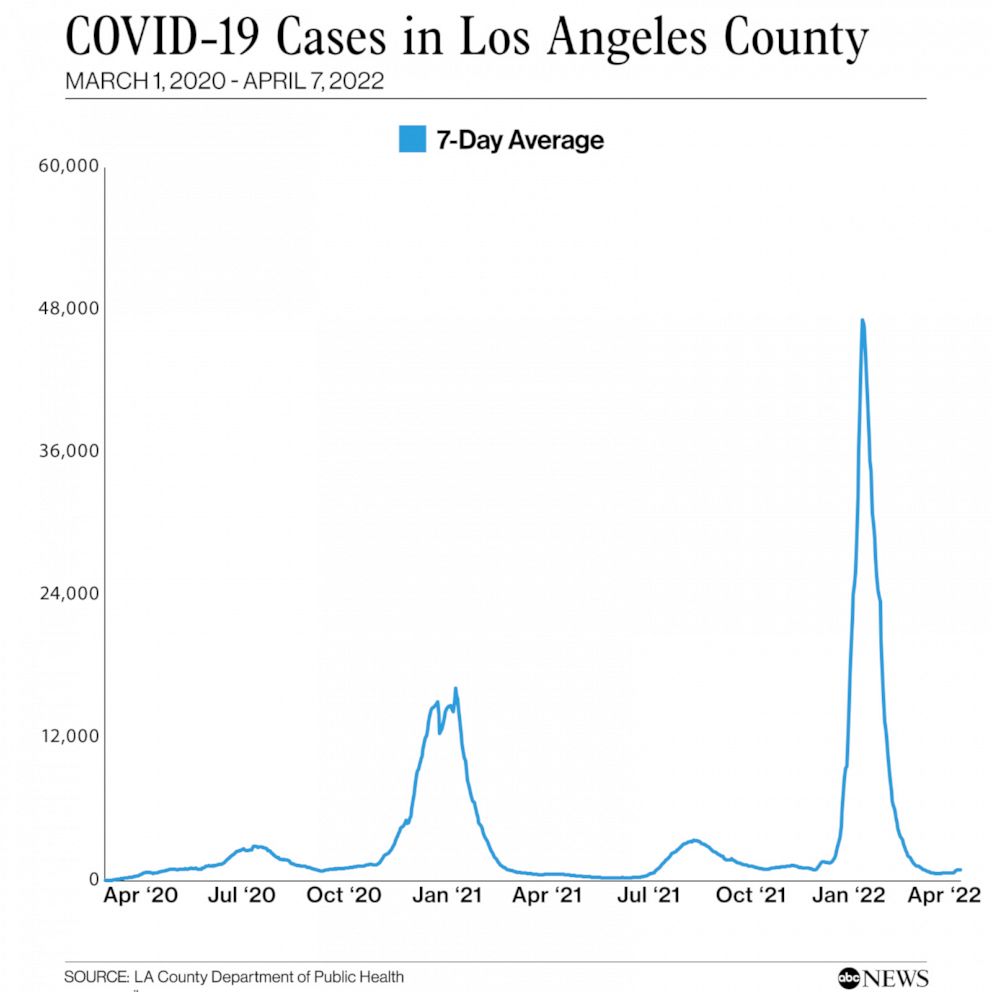
Understanding the Current Landscape in Los Angeles
The public health situation in Los Angeles is continuously monitored by local authorities, most notably the Los Angeles County Department of Public Health (LACDPH). Their data, alongside state and national figures, provides a comprehensive overview of viral activity. While the days of widespread lockdowns and stringent mandates have largely receded, the virus remains a factor in public health discussions and personal decisions.
Key Metrics and Trends
The LACDPH typically tracks several key indicators to assess the level of COVID-19 transmission and its impact on the healthcare system. These usually include:
- Case Rates: The number of new confirmed cases per 100,000 residents, often reported on a seven-day average. While case counts can fluctuate, a sustained increase often signals broader community transmission. However, with increased home testing, official case counts may not capture the full picture.
- Hospitalizations: The number of COVID-19 positive individuals admitted to hospitals, particularly those requiring intensive care. This metric is considered one of the most reliable indicators of severe disease and healthcare strain.
- Wastewater Surveillance: Monitoring viral loads in wastewater can provide an early warning sign of increased community transmission, often preceding an uptick in reported cases.
- Variants of Concern: Public health labs actively sequence positive samples to identify and track the prevalence of new variants, which can influence transmissibility and vaccine effectiveness.
In recent periods, Los Angeles has generally experienced moderate levels of COVID-19 activity. Peaks and valleys are common, often tied to seasonal factors or the emergence of new subvariants. The good news is that high vaccination rates within Los Angeles County, coupled with increased natural immunity, have significantly reduced the severity of illness for most infected individuals. This means that while cases may rise, the rate of severe outcomes and hospitalizations tends to remain manageable compared to earlier stages of the pandemic.
Public Health Recommendations and Mandates
The emphasis in Los Angeles has shifted from broad mandates to strong recommendations, empowering individuals to make informed choices based on their personal risk tolerance and health status.
- Masking: While mask mandates are generally not in effect for the general public, face coverings are still highly recommended in certain settings, such as healthcare facilities, nursing homes, and on public transportation. Individuals are encouraged to wear high-quality masks (N95, KN95, KF94) in crowded indoor spaces, especially if they are immunocompromised, elderly, or have underlying health conditions. Many businesses may also encourage or request masking at their discretion.
- Vaccination and Boosters: Vaccination remains the cornerstone of protection against severe illness, hospitalization, and death from COVID-19. The Los Angeles County Department of Public Health strongly urges all eligible residents and visitors to stay up-to-date with their primary vaccine series and any recommended booster shots. Information on vaccine availability is readily accessible through local pharmacies and health clinics.
- Testing: Rapid antigen tests are widely available at pharmacies and through home delivery services. PCR testing is also available at various community sites. If you experience symptoms or have been exposed to someone with COVID-19, testing is recommended to confirm infection and take appropriate isolation precautions.
- Isolation and Quarantine: Guidelines for isolation (if you test positive) and quarantine (if you are exposed) are regularly updated by the CDC and mirrored by local health authorities. These typically involve staying home for a specified period and wearing a mask around others to prevent further spread.
Impact on Travel and Tourism
Los Angeles thrives on tourism, and the city has largely reopened its doors to welcome visitors from around the globe. While the direct impact of COVID-19 on travel restrictions has lessened, travelers should still be aware of the operational adjustments and health considerations that might affect their experience.
Navigating Airport and Airline Protocols
Los Angeles International Airport (LAX), one of the busiest airports in the world, has adapted its operations to prioritize passenger safety. While federal mask mandates on public transportation have been lifted, travelers should be prepared for potential changes. Airlines and airports may still implement enhanced cleaning procedures. It’s always advisable to check with your specific airline for any updated policies regarding testing, vaccination requirements for international travel, or masking during flights.
For international travelers, entry requirements into the United States have largely normalized, but it is always prudent to consult the latest U.S. Department of State and CDC guidelines before your trip. Most domestic travel within the United States faces no specific COVID-19 related entry barriers.
What to Expect at Attractions and Landmarks
The iconic attractions and landmarks that draw millions to Los Angeles are operating, albeit with a continued emphasis on guest safety.
- Theme Parks: Major attractions like Universal Studios Hollywood and nearby Disneyland Park (in Anaheim) have robust health and safety protocols in place. These often include enhanced cleaning, readily available hand sanitizer, and optimized crowd management. While mask mandates are generally not active, some indoor queues or specific experiences might recommend or require them. Always check their official websites for the most current information before your visit.
- Museums and Galleries: Cultural institutions such as the Getty Center, the Los Angeles County Museum of Art (LACMA), and the California Science Center are open and welcoming visitors. They typically operate with normal hours, though some might retain timed entry reservations to manage capacity.
- Outdoor Attractions: Beloved outdoor destinations like the Santa Monica Pier, Griffith Observatory, and the beaches along the Pacific Coast offer ample space for social distancing and remain popular choices for visitors. Hiking trails in the Hollywood Hills and Malibu are also fully accessible.
Dining and Entertainment: A Shifting Scene
Los Angeles’s world-renowned culinary scene and vibrant entertainment options have largely returned to pre-pandemic operations. Restaurants, bars, and nightclubs are open, with most operating at full capacity. However, some establishments may continue to implement enhanced ventilation, outdoor dining options, or maintain a more spaced-out seating arrangement. It’s always a good idea to check a restaurant’s website or call ahead for reservations, especially for popular spots in neighborhoods like West Hollywood or Downtown Los Angeles.

Live music venues, theaters, and cinemas are also open, often with no specific COVID-19 entry requirements beyond the venue’s discretion. Some might request proof of vaccination or a negative test for specific high-profile events, so checking individual event policies is crucial. The key takeaway is that the city’s lively dining and entertainment options are available for enjoyment, albeit with a heightened awareness of personal health and safety.
Accommodation and Hospitality Adaptations
The hotel industry in Los Angeles has been at the forefront of implementing enhanced health and safety measures, aiming to provide guests with comfortable and secure stays. From luxury resorts in Beverly Hills to boutique hotels in Santa Monica, accommodations have adapted to the new normal.
Hotel Safety Protocols and Guest Experience
Many hotels have adopted comprehensive cleanliness programs, often certified by external health organizations. These protocols typically include:
- Enhanced Cleaning and Disinfection: Frequent cleaning of high-touch surfaces in common areas and guest rooms with hospital-grade disinfectants.
- Hand Sanitizer Stations: Availability of hand sanitizer throughout the property.
- Ventilation Improvements: Upgrades to HVAC systems and increased fresh air circulation.
- Contactless Services: Options for mobile check-in/check-out, digital keys, and QR code menus to minimize physical contact.
- Staff Training: Hotel staff are trained on health and safety protocols and often encouraged to wear masks, especially when interacting closely with guests.
While specific requirements like mask mandates for guests or staff are generally no longer universal, individual hotels might still maintain certain policies based on their brand standards or local conditions. Guests can expect a generally welcoming environment where health considerations are woven into the service fabric without being overly restrictive. Amenities like fitness centers, pools, and spa services are largely operational, often with continued rigorous cleaning schedules.
Alternative Stays: Ensuring Your Comfort
For those preferring apartments, villas, or long-term stays, platforms offering vacation rentals in Los Angeles have also adapted. Many hosts emphasize their cleaning protocols and may offer flexible cancellation policies, acknowledging the ongoing need for adaptability. When booking, it’s advisable to review the host’s specific health and safety commitments and read recent guest reviews concerning cleanliness. These options offer travelers more control over their environment, which can be a comforting aspect for those who prefer more secluded accommodation during their trip.
Lifestyle in the City of Angels: What’s Open?
The vibrant lifestyle of Los Angeles has largely resumed its bustling pace. From high-end shopping on Rodeo Drive to exploring the diverse neighborhoods, the city is open for business and enjoyment.
Outdoor Activities and Events
Los Angeles’s abundant sunshine and natural beauty make outdoor activities incredibly popular and generally lower risk. Beaches from Malibu to Long Beach, hiking trails in the Santa Monica Mountains, and city parks are all fully open. Outdoor events, farmers’ markets, and concerts in open-air venues like the Hollywood Bowl are also taking place, often with fewer restrictions than their indoor counterparts. Sporting events at venues like Dodger Stadium and SoFi Stadium are welcoming full capacity crowds, though some venues may still recommend masks or have specific entry guidelines.
Cultural Experiences and Nightlife
The cultural heartbeat of Los Angeles is strong. Art galleries, independent cinemas, and performance spaces are active. The city’s legendary nightlife, encompassing everything from rooftop bars to intimate jazz clubs, is flourishing once again. While individual venues may set their own policies regarding entry requirements or mask usage, the general atmosphere is one of renewed vibrancy. This means visitors can fully immerse themselves in the local culture, whether it’s catching a show, exploring street art, or enjoying the diverse culinary scene without significant COVID-19-related hindrances.
Planning Your Visit: Tips for a Safe and Enjoyable Trip
While COVID-19 is an ongoing concern, it no longer dictates every aspect of life or travel in Los Angeles. With a mindful approach, visitors can still enjoy all that the city has to offer.
Vaccination and Testing Guidelines for Travelers
For visitors, staying up-to-date with vaccinations, including booster shots, is the most effective way to protect yourself and minimize the risk of severe illness. If you experience symptoms while in Los Angeles, get tested immediately. Many pharmacies and urgent care centers offer testing, and over-the-counter rapid tests are widely available. If you test positive, follow current CDC and Los Angeles County Department of Public Health isolation guidelines, which typically involve isolating to prevent further spread. Consider carrying a small supply of rapid tests for peace of mind.

Staying Informed and Flexible
The COVID-19 situation, while more stable, can still evolve. Before and during your trip, it’s wise to:
- Check Official Sources: Regularly consult the Los Angeles County Department of Public Health website for the latest local data and recommendations.
- Monitor Venue Policies: If you have specific attractions or events planned, check their official websites for any particular COVID-19 protocols they may have in place.
- Pack Smart: Include a supply of high-quality masks and hand sanitizer in your travel essentials.
- Be Prepared for Flexibility: While rare, local conditions could change. Having flexible bookings for accommodation and flights can provide peace of mind.
- Travel Insurance: Consider travel insurance that covers COVID-19 related disruptions, such as medical care or trip interruption due to illness.
In conclusion, while COVID-19 remains a part of the public health landscape, Los Angeles is largely open and vibrant. The city’s current COVID-19 status can be characterized as manageable, with public health authorities emphasizing personal responsibility and preventive measures rather than widespread restrictions. By staying informed, adhering to recommendations, and exercising common sense precautions, both residents and visitors can safely enjoy the endless attractions, diverse culture, and dynamic lifestyle that the City of Angels proudly offers. Plan your trip with confidence, knowing that Los Angeles is ready to welcome you.
LifeOutOfTheBox is a participant in the Amazon Services LLC Associates Program, an affiliate advertising program designed to provide a means for sites to earn advertising fees by advertising and linking to Amazon.com. Amazon, the Amazon logo, AmazonSupply, and the AmazonSupply logo are trademarks of Amazon.com, Inc. or its affiliates. As an Amazon Associate we earn affiliate commissions from qualifying purchases.