
The question “How did the Los Angeles wildfire start?” echoes through the canyons and coastal communities of Southern California with a disheartening regularity. Each new blaze, whether it scorches the dry brush of the Angeles National Forest or threatens the luxurious estates of Malibu, brings with it a collective gasp of fear, followed by an urgent demand for answers. For a region renowned globally for its vibrant culture, stunning landmarks, and year-round pleasant lifestyle, the specter of wildfires is an unwelcome, yet deeply ingrained, aspect of its existence. Understanding the origins of these devastating events is not merely an academic exercise; it’s a critical step in safeguarding lives, protecting property, preserving natural beauty, and ensuring the continued allure of Los Angeles as a premier travel destination.

The answer is rarely simple, often involving a complex interplay of environmental vulnerabilities, human activity, and unpredictable natural forces. While sensational headlines might focus on a single spark, the reality is a confluence of factors that prime the landscape for disaster, making California’s wildland-urban interface a perpetually precarious environment. This article delves into the common causes, the environmental backdrop, and the far-reaching impact of these fires, not just on the immediate surroundings but on the broader tapestry of travel, tourism, and accommodation in one of the world’s most dynamic cities.
The Tense Prelude: A Landscape Primed for Disaster
Before a single ember ignites, the stage for a Los Angeles wildfire is meticulously set by California’s unique geography and climate. The region’s inherent beauty, characterized by rolling hills, dramatic canyons, and a semi-arid climate, also harbors its greatest vulnerability.
California’s Arid Beauty and Underlying Risks
California boasts an extraordinary diversity of ecosystems, from the towering peaks of the San Gabriel Mountains to the sun-drenched beaches along the Pacific Ocean. Much of the wildland surrounding Los Angeles is covered in chaparral and scrub brush – dense, drought-tolerant vegetation that, while adapted to periodic fires, becomes incredibly flammable after prolonged dry spells. Years of drought, exacerbated by climate change, have turned vast expanses of this vibrant green landscape into a tinderbox. Trees and plants, stressed from lack of water, shed their leaves prematurely, and fallen branches accumulate, creating an abundance of fuel for any spark.
This dry vegetation acts like kindling, ready to explode into flames at the slightest provocation. Iconic natural landmarks like Topanga State Park and Malibu Creek State Park, beloved by hikers and nature enthusiasts, transform into hazardous zones during peak fire season. The proximity of these wildlands to residential areas, luxury villas, and key tourist routes creates a complex challenge for fire suppression and community safety, constantly reminding residents and visitors alike of nature’s formidable power.
The Santa Ana Winds: Nature’s Unpredictable Catalyst
While dry vegetation provides the fuel, the infamous Santa Ana winds often provide the terrifying accelerant. These hot, dry, powerful gusts descend from the high deserts and mountain passes, typically during late summer and fall. As they sweep through canyons and valleys, they super-dry the already parched vegetation and whip any nascent flame into an inferno almost instantaneously.
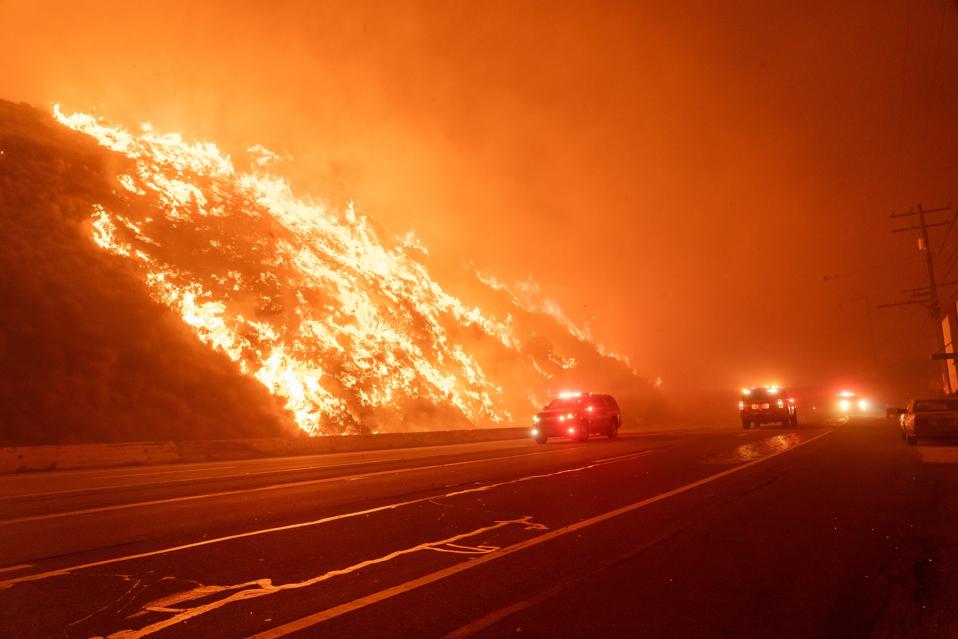
The Santa Ana winds are notorious for their ability to spread fires at incredible speeds, making containment incredibly difficult. A small brush fire can turn into a multi-county conflagration within hours, leaping freeways, destroying homes, and forcing mass evacuations. These winds don’t just fan existing flames; they also create their own extreme fire weather conditions, elevating temperatures and dramatically lowering humidity. Their unpredictability makes them a constant source of anxiety for residents and a significant factor in shaping the intensity and destructive path of wildfires throughout Southern California.
Unraveling the Spark: Investigating the Ignition Point
Once the environmental conditions are ripe, all it takes is a single spark to trigger widespread devastation. While the causes can be natural, human activity accounts for the vast majority of ignitions in Los Angeles and across California.
Human Elements: Unintended Consequences
The most frequent culprits behind Los Angeles wildfires are often accidental and unintentional human actions. A carelessly discarded cigarette butt, sparks from faulty vehicle exhaust systems, an unattended campfire in a prohibited area, sparks from power tools used for yard work, or even poorly maintained recreational equipment can all be catastrophic ignition sources.
Arson, though less common, is another deliberate human act that can spark devastating fires. Investigators from agencies like the Los Angeles County Fire Department diligently work to determine the exact cause of each fire, a task often complicated by the destructive nature of the blaze itself. The responsibility here extends to everyone – residents, workers, and tourists alike – to exercise extreme caution, especially during fire season. Understanding fire danger ratings, adhering to fire restrictions in parks and natural areas, and being mindful of one’s surroundings are crucial for preventing these avoidable tragedies. For travelers enjoying the region’s hiking trails or scenic drives, a heightened awareness of local fire safety regulations is not just good practice but a moral imperative.
Infrastructure Failures: Power Lines and Equipment
Another significant cause of California wildfires, particularly in recent years, has been faulty or damaged utility infrastructure, primarily power lines. High winds, especially the Santa Ana winds, can cause power lines to sway and come into contact with dry vegetation or even break, sending down live wires that instantly ignite the tinder-dry landscape below.
Utility companies like Southern California Edison have faced intense scrutiny and liability for fires linked to their equipment. In response, these companies have implemented various mitigation strategies, including public safety power shutoffs (PSPS) during extreme fire weather, increased vegetation management around power lines, and investments in hardening their grid. While necessary for public safety, PSPS events can be disruptive, affecting homes, businesses, and tourist accommodations that rely on uninterrupted power. The challenge lies in balancing the need for reliable energy with the imperative of fire prevention, a delicate and ongoing task for the state’s utility providers and regulatory bodies.

The Far-Reaching Impact: Beyond the Flames
While the immediate devastation of a wildfire is visible in scorched earth and destroyed structures, its ripple effects extend far beyond the fire line, impacting the very fabric of Los Angeles’s tourism economy, local lifestyle, and the perception of this iconic region.
Tourism and Travel: Navigating Disruptions and Recovery
Los Angeles is a global magnet for travelers, drawn by its vibrant cities, stunning coastline, and world-class attractions. Wildfires, however, can cast a long shadow over the travel experience. Air quality can plummet to hazardous levels, turning blue skies hazy with smoke. Major roads and highways may be closed for evacuations or to facilitate emergency access, disrupting travel plans and making it difficult to reach popular destinations like Santa Monica beaches, Hollywood studios, or even the bustling heart of downtown. Flights at LAX can be delayed or diverted due to smoke plumes affecting visibility.
The perception of safety can also deter potential visitors, leading to a dip in bookings for hotels, resorts, and tour operators. This economic impact is profound, especially for smaller businesses reliant on tourist dollars. However, the Los Angeles tourism industry is remarkably resilient. Following a fire, there’s often a concerted effort to communicate that large parts of the city remain unaffected and open for business. Recovery efforts often highlight the beauty that remains and the strength of the community, encouraging visitors to return and support the local economy.
Iconic Landmarks and Natural Wonders Under Threat
Los Angeles is home to countless natural and man-made landmarks that define its character. While some, like the Hollywood Sign or the Griffith Observatory, are typically far enough from the densest brush to be at less direct risk, fires in surrounding hills can bring them into the zone of concern. The Getty Center, perched high in the Santa Monica Mountains, is renowned not only for its art but also for its fire-resistant architecture and extensive landscaping designed to protect its invaluable collections.
However, many natural landmarks and scenic areas, such as sections of the Angeles National Forest or the breathtaking canyons of Malibu and Ventura County, are directly in the path of wildfires. These natural wonders are not only vital for ecological balance but also crucial for outdoor recreation and the region’s overall aesthetic appeal. The destruction of these areas not only impacts biodiversity but also diminishes the allure of California for those seeking natural experiences and scenic beauty, temporarily altering the very landscape that draws visitors.
Lifestyle and Accommodation: Adapting to Adversity
For residents, the threat of wildfires becomes an integral part of their lifestyle. Evacuation orders can be issued swiftly, forcing families to leave their homes with little notice. The air quality can remain poor for days or weeks, impacting outdoor activities, schools, and overall public health. The psychological toll of living under constant threat, coupled with the economic strain of rebuilding, is immense.
From an accommodation perspective, wildfires present a dual challenge. On one hand, hotels and motels in unaffected areas may see a surge in demand from evacuees seeking temporary shelter. Many properties, from luxury hotels in Beverly Hills to more budget-friendly apartments and suites further inland, often step up to offer discounted rates or special assistance during such crises. On the other hand, properties located within or near affected zones, particularly those in fire-prone areas like Malibu, Bel Air, or Brentwood, face direct threats, potential damage, or forced closures, leading to significant financial losses and disruption for guests. The ability of the accommodation sector to adapt and support both residents and visitors during these times is a testament to the community’s resilience.
Prevention and Preparedness: Safeguarding Southern California’s Future
Understanding how Los Angeles wildfires start is the first step toward preventing them. A multifaceted approach, involving scientific research, technological innovation, community engagement, and responsible behavior, is essential to mitigate future risks.
Community Resilience and Innovative Solutions
Agencies like CAL FIRE and local fire departments are at the forefront of wildfire suppression and prevention. Their efforts range from prescribed burns to reduce fuel loads, advanced satellite monitoring for early detection, and rapid-response aerial firefighting resources. On a community level, initiatives focus on “hardening” homes with fire-resistant materials, creating defensible space around properties by clearing brush, and implementing early warning systems.
Research into climate-resilient landscaping and urban planning is also crucial, integrating fire safety into the very design of communities. Education campaigns empower residents with knowledge on how to prepare for evacuations, create emergency kits, and maintain their properties to reduce fire risk. These collective efforts build a more resilient Los Angeles, one better equipped to face the inevitable challenges of living in a fire-prone region.
The Role of Travelers in Fire Prevention
While much of the focus is on residents and local authorities, travelers also play a vital role in wildfire prevention. As visitors explore California’s stunning natural beauty, from the beaches of Zuma Beach to the hiking trails of Carbon Canyon Regional Park, their actions can have profound consequences. Simple practices, such as properly extinguishing campfires, never discarding cigarettes outside designated receptacles, being mindful of sparks from vehicles or equipment, and adhering to all local fire restrictions, are critical.
Responsible tourism means being informed about current fire danger levels, especially when planning outdoor activities. Checking official park websites or local news for updates before heading out can prevent unintentional ignitions. By embracing these small but significant precautions, visitors contribute to the preservation of the very landscapes they come to enjoy, ensuring that future generations can also experience the unique charm and natural splendor of Los Angeles and its surrounding areas, whether it’s visiting Disneyland in Anaheim or Universal Studios Hollywood.
In conclusion, the question of how a Los Angeles wildfire starts reveals a complex narrative of natural forces, human interaction, and the ongoing struggle to coexist with a beautiful yet volatile environment. By understanding these origins and committing to robust prevention and preparedness strategies, Southern California can continue to thrive, welcoming visitors and protecting its cherished landmarks for years to come.
LifeOutOfTheBox is a participant in the Amazon Services LLC Associates Program, an affiliate advertising program designed to provide a means for sites to earn advertising fees by advertising and linking to Amazon.com. Amazon, the Amazon logo, AmazonSupply, and the AmazonSupply logo are trademarks of Amazon.com, Inc. or its affiliates. As an Amazon Associate we earn affiliate commissions from qualifying purchases.