
Los Angeles, a sprawling metropolis synonymous with glamour, innovation, and an enviable lifestyle, draws millions of visitors each year to its sun-kissed beaches, iconic landmarks, and vibrant cultural scene. Yet, beneath this veneer of perpetual sunshine lies a recurring and formidable challenge: devastating wildfires. These infernos, which regularly scorch the hillsides and wildlands surrounding the city, often leave a path of destruction, impacting everything from air quality to residential communities and, inevitably, the very fabric of tourism. Understanding what ignites these blazes is crucial, not only for those who call Southern California home but also for travelers planning a destination visit and for the many businesses, including hotels and accommodation providers, that form the backbone of the local economy. The answer is rarely simple, involving a complex interplay of natural conditions and human activity that conspires to turn this beautiful landscape into a tinderbox.

The Flammable Landscape: Understanding Los Angeles’s Vulnerability
The susceptibility of Los Angeles to wildfires is deeply rooted in its unique geography and climate. This region exists at the nexus of a desirable Mediterranean climate and a rugged, fire-prone ecosystem, creating conditions that are ripe for conflagration.
Nature’s Design: Topography, Vegetation, and Climate
The very beauty that attracts visitors to Los Angeles also contributes to its fire risk. The city is nestled amongst a series of mountain ranges, including the Santa Monica Mountains, the San Gabriel Mountains, and the Verdugo Mountains, which form dramatic canyons and steep slopes. These topographical features act as natural chimneys, funneling flames and embers upwards and outwards with terrifying speed. The vegetation found in these areas, primarily chaparral and coastal sage scrub, is highly adapted to fire – and consequently, extremely flammable. This dense, woody shrubland thrives in the region’s climate, but during prolonged dry spells, which are characteristic of Southern California’s long, hot summers and increasingly frequent drought cycles, it transforms into perfect fuel. The plants themselves contain volatile oils that burn intensely, and once a fire takes hold, it spreads rapidly through the dry, interconnected brush, often leading to infernos that are difficult for even the most experienced firefighters to contain. The combination of dense, parched vegetation, rugged terrain, and a naturally arid environment creates an environment where ignition, once it occurs, can quickly escalate into a major disaster.
The Menace of the Santa Ana Winds
While the landscape sets the stage, the Santa Ana Winds often provide the accelerant. These infamous dry, hot winds typically sweep through Southern California during the autumn and winter months, but their influence can extend into other seasons depending on atmospheric conditions. Originating from high-pressure systems over the Great Basin, these winds gain speed and heat as they descend through mountain passes and canyons, reaching the coast with remarkable force. The Santa Ana Winds are notorious for two critical contributions to wildfire spread: they drastically lower humidity levels, further drying out vegetation and making it more combustible, and they carry embers over vast distances, creating new spot fires far ahead of the main blaze. This phenomenon makes firefighting incredibly challenging, as fires can jump freeways, canyons, and even residential areas, overwhelming response efforts. The unpredictable nature and sheer power of the Santa Ana Winds mean that even small ignitions can quickly spiral into regional catastrophes, threatening communities from the Hollywood Hills to Malibu and beyond.
The Incendiary Spark: Common Ignition Sources
While natural conditions create a highly flammable environment, the vast majority of wildfires in Los Angeles are triggered by human activity. Whether through negligence, accident, or malicious intent, people are overwhelmingly the primary source of ignition.
Human Error and Infrastructure
Carelessness often proves to be the most devastating spark. Discarded cigarettes, unattended campfires or barbecues in prohibited areas, and sparks from power tools used in dry brush are common culprits. Even seemingly innocuous activities, like fireworks or celebratory gunfire, can have catastrophic consequences when conditions are dry and windy. Beyond individual actions, aging infrastructure plays a significant role. Downed power lines, often exacerbated by high winds and overgrown vegetation, are a frequent cause of large-scale wildfires. Utility companies like Southern California Edison have faced intense scrutiny and liability for fires traced back to their equipment. The sheer scale of development in and around wildland areas, known as the wildland-urban interface (WUI), means that human presence is constantly expanding into fire-prone zones, increasing the probability of an ignition event. The proximity of homes, businesses, and infrastructure to dense chaparral areas makes every human activity a potential ignition source, underscoring the critical need for vigilance and responsible behavior.
Accidental Ignitions and Mechanical Failures
Many fires begin as unintended accidents. Vehicle exhaust systems, particularly catalytic converters, can reach temperatures hot enough to ignite dry grass or brush if parked off-road. Construction activities, such as welding or grinding, can produce sparks that travel considerable distances in windy conditions. Similarly, target shooting in rural areas, especially with certain types of ammunition or targets, can generate enough heat or sparks to start a fire. Even seemingly minor mechanical failures, such as a flat tire causing sparks as a wheel rim grinds against asphalt, have been known to ignite roadside fires that, under the right conditions, can quickly spread into larger blazes. The widespread presence of roads, vehicles, and human activity throughout the natural landscape means that numerous potential ignition sources are constantly interacting with highly combustible fuels.
Natural Causes: The Rarity of Lightning
While lightning is a significant cause of wildfires in many parts of the world, especially in forested regions, it is a relatively rare ignition source in Southern California during the peak fire season (typically late summer and fall). The region’s dry, hot summers usually experience “dry lightning” – thunderstorms that produce lightning but little to no rain, making any strike particularly dangerous. However, compared to human-caused ignitions, natural lightning strikes account for a small percentage of the total wildfires in the Los Angeles area, highlighting the profound impact of human factors on the frequency and severity of these events.
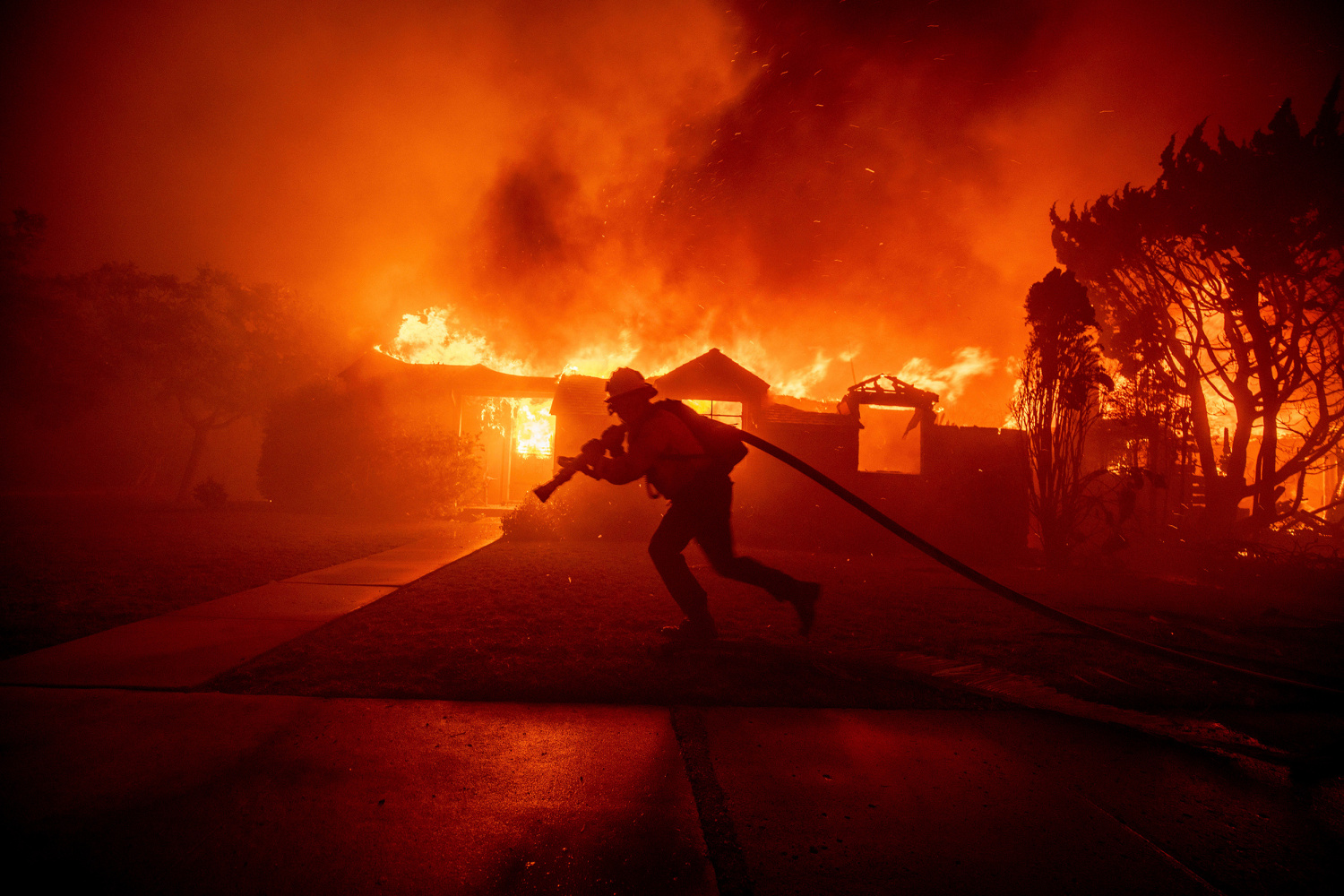
Beyond the Flames: The Far-Reaching Impact on Los Angeles Life and Tourism
The immediate impact of wildfires is stark: destruction of homes, displacement of residents, and a dramatic transformation of the landscape. However, the ripple effects extend much further, significantly impacting the region’s ecology, economy, and the very perception of Los Angeles as a global travel destination.
Ecological and Environmental Devastation
The environmental consequences of wildfires are profound and long-lasting. Habitats are destroyed, forcing wildlife to flee or perish, and delicate ecosystems can take decades to recover. The intense heat of some fires sterilizes soil, making regrowth challenging. Air quality becomes a major concern as vast plumes of smoke and ash blanket the region, sometimes reaching hundreds of miles away. This smoke poses significant health risks, particularly for vulnerable populations. Moreover, the loss of vegetation on hillsides following a fire dramatically increases the risk of mudslides and debris flows, especially during subsequent rainy seasons. Without the plant root systems to hold soil in place, even moderate rainfall can trigger devastating landslides, further endangering homes and infrastructure and impacting scenic areas like Griffith Park or the Angeles National Forest. These secondary disasters prolong the recovery period and add another layer of complexity to environmental restoration efforts.
Economic and Social Disruption
The economic toll of wildfires is staggering. Billions of dollars are lost in property damage, emergency response costs, and long-term recovery efforts. Local businesses, from small shops to major corporations, suffer due to evacuations, road closures, and decreased customer traffic. For the tourism industry, the impact can be immediate and severe. Flight cancellations, advisories against travel to affected areas, and a general perception of risk can lead to a significant drop in visitor numbers. Hotels, resorts, and other forms of accommodation often face waves of cancellations, impacting their profitability and the livelihoods of their staff. While major attractions like Disneyland or Universal Studios Hollywood might be physically untouched, the pervasive smoke and the general atmosphere of crisis can deter potential visitors. Beyond economics, the social impact includes widespread displacement, psychological trauma for those who lose homes or face evacuations, and disruption to community life.
Resilient Spirit: Recovery and Adaptation
Despite the recurrent nature of these challenges, Los Angeles and its residents consistently demonstrate remarkable resilience. Emergency services, led by dedicated professionals from departments like the Los Angeles County Fire Department, respond with incredible bravery and efficiency. Communities rally together, offering support and assistance to those affected. The process of rebuilding is long and arduous, but it is undertaken with determination, often incorporating more fire-resistant materials and landscaping to mitigate future risks. The city’s spirit endures, and its appeal as a vibrant hub for culture, entertainment, and business remains undiminished. While wildfires are a harsh reality, they also highlight the strength and adaptability of the people who call this dynamic city home, embodying a lifestyle that thrives even in the face of adversity.
Protecting Paradise: Mitigating Future Risks and Ensuring Visitor Safety
Living with the reality of wildfires necessitates a proactive and multi-faceted approach to mitigation and preparedness. For both residents and visitors, understanding these efforts provides reassurance and practical guidance.
Prevention and Preparedness
Los Angeles invests heavily in fire prevention and preparedness strategies. This includes aggressive brush clearance programs, where homeowners in high-risk areas are mandated to remove flammable vegetation around their properties. Fire-resistant building codes are increasingly implemented for new constructions and renovations, helping structures better withstand embers and direct flame impingement. Advanced warning systems, including weather monitoring and fire behavior modeling, allow emergency services to predict high-risk conditions and pre-position resources. Public education campaigns are continuous, reminding residents and visitors about safe practices, such as proper disposal of cigarettes, adherence to campfire restrictions, and awareness during peak fire seasons. The coordinated efforts of fire departments, local government, and community organizations are essential in minimizing the human-caused ignitions that spark the vast majority of fires. Regular drills, community meetings, and easy-to-access information ensure that residents are as prepared as possible for evacuations and emergencies.

A Tourism Perspective: Traveling to Los Angeles Safely
For those planning to travel to Los Angeles, it’s important to understand that while wildfires are a significant concern, they rarely affect the core attractions and bustling urban centers. Major tourist areas, such as Downtown Los Angeles, Hollywood, Santa Monica, and Beverly Hills, are typically far removed from the wildland-urban interface where fires primarily occur. However, it is always wise for travelers to remain informed, especially if visiting during the drier months.
Visitors are encouraged to:
- Check local news and weather advisories: Stay updated on any active fires or red flag warnings (indicating high fire danger).
- Respect restrictions: Adhere to any bans on open flames or outdoor activities in natural areas like parks or canyons.
- Be mindful of air quality: During major fires, air quality can deteriorate. Websites like AirNow.gov provide real-time updates. Hotels and resorts are generally equipped with air filtration systems, but outdoor activities might need adjustment.
- Plan accordingly: If exploring natural landmarks or hiking trails, check their operational status, as closures may occur for safety or recovery.
The tourism industry in Los Angeles is resilient and well-versed in managing these challenges. Accommodation providers, from luxury suites to budget-friendly apartments, often have contingency plans in place to ensure guest safety and comfort. Major destinations remain open and welcoming, offering the full range of experiences that make Los Angeles a world-class city. While the threat of wildfires is an inherent part of the Southern California landscape, the proactive measures and community resilience ensure that the vast majority of travel to and within the city remains safe and enjoyable.
In conclusion, what starts the fires in Los Angeles is a potent combination of its naturally fire-prone landscape, exacerbated by the relentless Santa Ana Winds, and predominantly ignited by human activities, whether accidental or intentional. This perennial challenge demands constant vigilance, robust preparedness, and a collective commitment to mitigation. Yet, Los Angeles remains a city of enduring allure, showcasing a remarkable spirit of resilience and adaptation. For travelers, understanding these dynamics allows for informed planning and a continued appreciation of this extraordinary destination that, despite its challenges, continues to captivate and inspire.
LifeOutOfTheBox is a participant in the Amazon Services LLC Associates Program, an affiliate advertising program designed to provide a means for sites to earn advertising fees by advertising and linking to Amazon.com. Amazon, the Amazon logo, AmazonSupply, and the AmazonSupply logo are trademarks of Amazon.com, Inc. or its affiliates. As an Amazon Associate we earn affiliate commissions from qualifying purchases.