
Understanding the prevailing weather conditions in Los Angeles is paramount for anyone planning a visit, whether for leisure, business, or simply to experience the vibrant culture of Southern California. The iconic city, renowned for its sunshine, diverse landscapes, and entertainment industry, experiences a Mediterranean climate that is generally pleasant year-round. However, nuances in temperature, humidity, and sunshine can significantly impact your experience, from the activities you can enjoy to the clothing you should pack. This guide delves into the typical temperatures and climatic patterns across Los Angeles, offering insights to help you make the most of your journey.
Understanding the Mediterranean Climate of Los Angeles
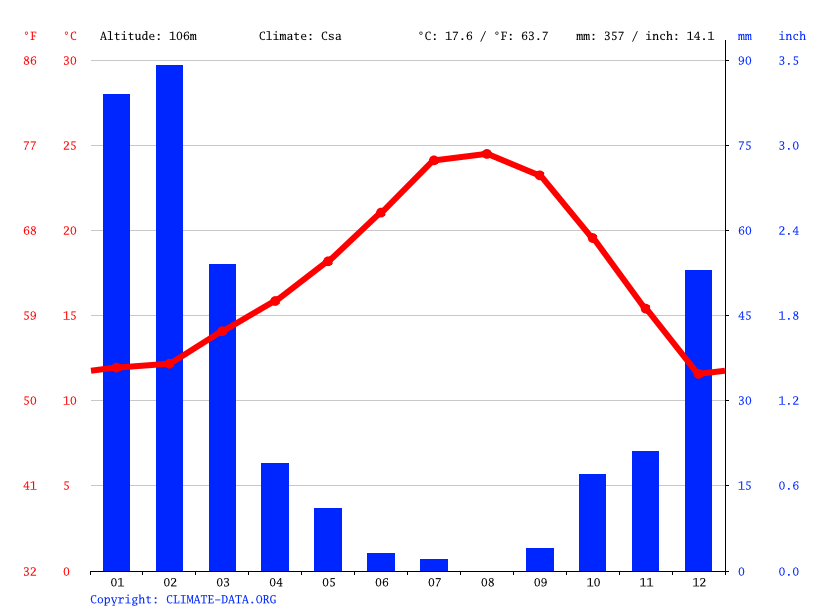
Los Angeles is characterized by a Mediterranean climate, which means it experiences mild, wet winters and warm, dry summers. This classification, however, doesn’t tell the whole story. The vastness of the city and its proximity to the Pacific Ocean, as well as its varied topography, lead to microclimates that can result in distinct temperature variations within relatively short distances.
Seasonal Temperature Variations
The four distinct seasons in Los Angeles offer different temperature profiles, each with its unique charm. While the city is often perceived as perpetually warm, understanding these seasonal shifts is crucial for planning.
Summer: The Warm Embrace
Summers in Los Angeles, typically from June through September, are defined by warm to hot temperatures and abundant sunshine. Average daytime high temperatures often range from the mid-80s to low 90s Fahrenheit (29-34°C). Coastal areas, however, tend to be cooler due to the moderating influence of the ocean breeze, often referred to as the “marine layer,” which can bring morning clouds and fog that burn off by afternoon. Inland areas, further from the coast, can experience significantly higher temperatures, sometimes exceeding 100°F (38°C) during heatwaves. Nighttime temperatures in summer are generally mild, offering comfortable evenings.
Autumn: A Pleasant Transition
The autumn months, from October to November, are often considered by many locals to be the most pleasant time to visit. The intense heat of summer begins to dissipate, and the marine layer becomes less prevalent, allowing for more consistent sunshine. Daytime temperatures typically hover in the pleasant 70s and low 80s Fahrenheit (21-28°C). The air becomes drier, and the risk of rain remains low, making it ideal for outdoor activities and exploring the city’s numerous attractions.
Winter: Mild and Refreshing
Winters in Los Angeles, from December to February, are mild and are characterized by the presence of the rainy season. While “winter” might evoke thoughts of snow and freezing temperatures for many, Los Angeles experiences a far gentler climate. Daytime temperatures typically range from the mid-60s to low 70s Fahrenheit (18-22°C). While rain is more common during these months, it often comes in the form of showers rather than prolonged downpours. Snow is extremely rare in the city itself, though it can be found in the nearby San Gabriel Mountains. Evenings can become cooler, with temperatures sometimes dropping into the 40s and 50s Fahrenheit (4-15°C).
Spring: Blooming and Warming
Spring, from March to May, sees a gradual warming trend. Temperatures begin to rise, moving from the mild winter averages into the 70s Fahrenheit (21°C) and above as the season progresses. The landscape bursts into bloom, adding a vibrant visual appeal to the city. The marine layer can still be present in the mornings, particularly in early spring, but it generally recedes earlier in the day. This season offers a perfect balance of comfortable temperatures and increasing sunshine, ideal for visiting outdoor sites like Griffith Observatory or exploring the beaches.
Regional Temperature Variations within Los Angeles
The expansive nature of Los Angeles means that a single temperature reading can be misleading. The influence of the Pacific Ocean, the elevation of different neighborhoods, and the presence of urban heat islands all contribute to a fascinating mosaic of microclimates.

Coastal Influence: The Breeze and the Fog
The coastal strip, encompassing areas like Santa Monica, Venice Beach, and parts of Malibu, benefits from the moderating effect of the ocean. Temperatures here are generally cooler in the summer and milder in the winter compared to inland regions. The marine layer, a common phenomenon, often blankets the coast in cool, foggy conditions during the morning hours, particularly in late spring and early summer. This layer typically burns off by late morning or early afternoon, revealing sunshine. This effect can significantly lower the temperature, making coastal days feel cooler than inland ones, even when the overall weather pattern is warm.
Inland Valleys: The Heat Intensifies
Moving away from the coast into the inland valleys, such as the San Fernando Valley or the San Gabriel Valley, you’ll notice a marked difference in temperatures, especially during the summer months. The absence of the ocean’s moderating influence, combined with urban development that creates heat-retaining surfaces, leads to significantly higher temperatures. Summer highs in these areas can easily reach into the 90s and 100s Fahrenheit (32-38°C), and heatwaves can push temperatures even higher. Winters, conversely, can be slightly cooler with more pronounced temperature swings between day and night.
Urban Core and Downtown: The Urban Heat Island Effect
The densely populated urban core of Los Angeles, including Downtown Los Angeles and surrounding areas, experiences the “urban heat island” effect. This phenomenon occurs when concrete, asphalt, and buildings absorb and retain more heat than natural landscapes. Consequently, urban areas tend to be warmer than surrounding rural or suburban areas, especially at night. This effect can mean that even when the coastal areas are enjoying a mild evening, the city center might remain several degrees warmer. This also influences the perceived temperature during the day, making the experience in the heart of the city feel warmer.
Higher Elevations: A Cooler Retreat
Areas situated at higher elevations, such as the Santa Monica Mountains or the foothills of the San Gabriel Mountains, generally experience cooler temperatures than the lower-lying plains and coastal areas. The elevation provides a natural cooling effect, and the air is often clearer, with less smog. While these areas might still experience summer heat, it is typically less intense than in the inland valleys. These higher elevations can also offer spectacular views of the city and the ocean, making them attractive destinations for hiking and exploration, provided you are prepared for the temperature variations.
Preparing for Los Angeles Weather: Packing and Activity Planning
Knowing what to expect in terms of temperature in Los Angeles allows for more effective planning of your wardrobe and itinerary, ensuring a comfortable and enjoyable visit.
Dressing for Success: Layering is Key
The most effective strategy for packing for Los Angeles is to embrace layering. Even during the summer, mornings and evenings can be cooler, especially near the coast.
- Summer: Lightweight, breathable fabrics like cotton and linen are ideal. Pack shorts, t-shirts, sundresses, and swimwear. Include a light jacket or sweater for cooler evenings and air-conditioned interiors. Don’t forget sunglasses, a hat, and high SPF sunscreen to protect yourself from the strong California sun.
- Autumn/Spring: These transitional seasons are perfect for a wider range of attire. Pack a mix of lighter clothing for warmer afternoons and a light to medium-weight jacket or cardigan for cooler mornings and evenings. Jeans, t-shirts, light sweaters, and comfortable walking shoes are essential.
- Winter: While mild, it’s still advisable to pack layers. Bring long-sleeved shirts, sweaters, and a medium-weight jacket or coat. A pair of comfortable pants and closed-toe shoes are recommended. An umbrella might be useful for the occasional rain shower.

Activity Planning Around Temperature
Los Angeles offers an incredible array of activities, and understanding the temperature can help you optimize your experience.
- Beach Days: The best time for a day at the beach is typically during the summer and early autumn when the water is warmest and the sun is abundant. However, even on cooler days, a walk along the shore can be invigorating. Be mindful of the marine layer, which can make beach days feel cooler than expected.
- Theme Parks: Visiting places like Universal Studios Hollywood or Disneyland is enjoyable year-round, but during the hotter summer months, prioritize indoor attractions and water rides during the hottest parts of the day. Early mornings or late afternoons are often the most comfortable times for outdoor activities.
- Hiking and Outdoor Exploration: Hiking in areas like Runyon Canyon Park or the Griffith Park trails is best enjoyed during the cooler spring, autumn, and winter months. If visiting during summer, aim for early morning hikes to avoid the intense heat and always carry plenty of water.
- Exploring Neighborhoods and Attractions: Walking tours of vibrant neighborhoods like Hollywood, Beverly Hills, or Downtown Los Angeles are pleasant in all seasons. However, on hotter days, plan your outdoor exploration for the cooler parts of the day and take advantage of indoor museums, galleries, and shopping centers during peak heat.
By considering the temperature nuances of Los Angeles, you can tailor your visit to align perfectly with the weather, ensuring a memorable and comfortable experience in this dynamic metropolis.
LifeOutOfTheBox is a participant in the Amazon Services LLC Associates Program, an affiliate advertising program designed to provide a means for sites to earn advertising fees by advertising and linking to Amazon.com. Amazon, the Amazon logo, AmazonSupply, and the AmazonSupply logo are trademarks of Amazon.com, Inc. or its affiliates. As an Amazon Associate we earn affiliate commissions from qualifying purchases.