
The question of when the beloved Brooklyn Dodgers moved to Los Angeles is a pivotal moment in baseball history, marking the end of an era for a passionate fanbase and the dawn of a new one on the West Coast. This relocation wasn’t a sudden whim but a complex saga driven by a confluence of financial realities, stadium issues, and the burgeoning allure of the booming Southern California market. Understanding the timeline and the underlying factors provides a rich historical perspective, deeply connected to the evolution of professional sports and the growth of American cities.
The Seeds of Change: Unrest in Brooklyn
The decision to leave Ebbets Field, the iconic, albeit aging, home of the Dodgers in Brooklyn, was not made lightly. For decades, the team had been inextricably linked with the borough, embodying its working-class spirit and providing a source of immense civic pride. However, by the mid-20th century, several critical factors began to erode the team’s stability in its historic home.
The Stadium Dilemma
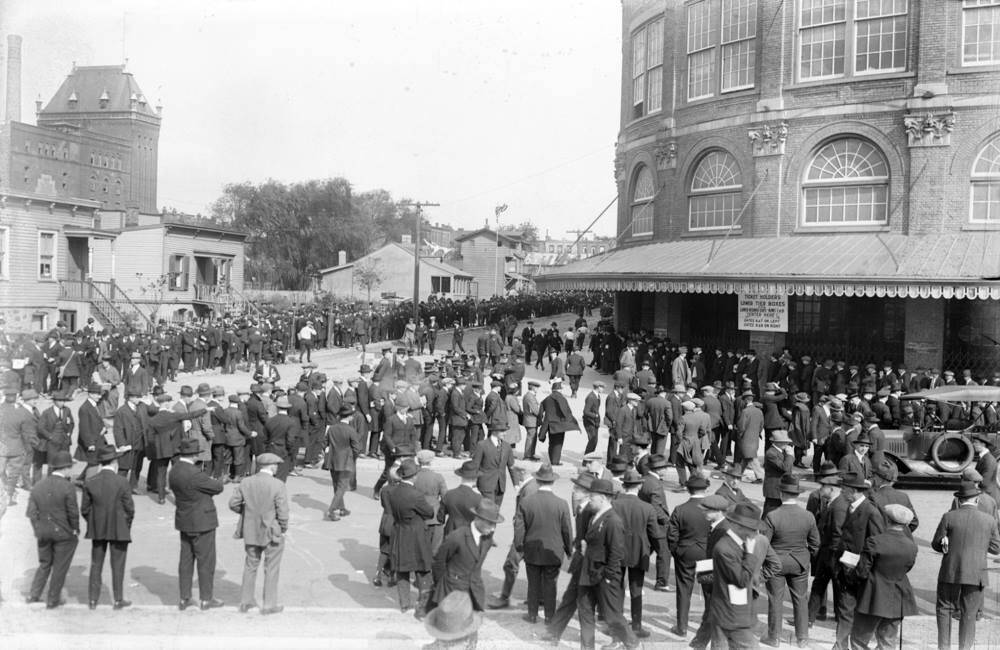
Ebbets Field, while steeped in history and cherished by fans, was becoming increasingly outdated and logistically challenging. Built in 1913, it lacked modern amenities and its intimate size, while contributing to its charm, also limited revenue potential. More critically, the surrounding area in Brooklyn offered limited opportunities for expansion or the construction of a new, state-of-the-art stadium that could compete with newer ballparks emerging in other cities. The team’s owner, Walter O’Malley, saw this as a significant impediment to the franchise’s long-term financial health and competitiveness.
Financial Pressures and Shifting Demographics
Beyond the physical limitations of Ebbets Field, the economic landscape was also shifting. The post-war boom saw significant population growth and economic development moving westward, particularly to California. Los Angeles, a rapidly expanding metropolis, presented a vast, largely untapped market for professional baseball. O’Malley recognized the immense potential for increased ticket sales, broadcast revenue, and corporate sponsorships in this burgeoning region, which at the time had no major league baseball team. The allure of a larger, more affluent fan base, coupled with the possibility of building a modern stadium without the restrictive urban planning issues of New York City, became increasingly compelling.
The Road to Los Angeles: A Series of Negotiations and Decisions
The move was not a swift, single event but a protracted process involving intense negotiations, thwarted plans, and ultimately, a groundbreaking decision. Walter O’Malley’s pursuit of a new stadium and a more profitable market led him down a path that would forever alter the landscape of Major League Baseball.
The New York City Obstacles
O’Malley made numerous attempts to secure a new stadium in New York. His vision for a modern, domed stadium, which was quite futuristic for its time, faced considerable opposition. Political hurdles, zoning restrictions, and a lack of support from city officials proved insurmountable. The borough of Brooklyn itself, while deeply attached to the team, lacked the political will and resources to facilitate the kind of stadium project O’Malley envisioned. This frustration, coupled with the constant appeal of the West Coast market, began to tilt the scales irrevocably.
The Los Angeles Opportunity
Meanwhile, the city of Los Angeles was actively seeking a major league baseball franchise. The growing population and the desire for a professional sports team to rival other major cities made it an attractive prospect. O’Malley found a receptive audience there, with city officials and business leaders eager to welcome the Dodgers. The prospect of building a brand-new stadium in a climate-friendly region with ample space for development was a significant draw.
The Official Transfer: The 1957 Announcement and 1958 Debut
The culmination of these discussions and negotiations arrived in the late 1950s. The official announcement of the Dodgers’ move to Los Angeles sent shockwaves through the baseball world.
The Landmark Announcement
On October 23, 1957, Walter O’Malley formally announced that the Brooklyn Dodgers would be relocating to Los Angeles. This decision brought an end to 67 years of history in Brooklyn. The announcement was met with widespread disappointment and anger among Dodgers fans in New York, who felt a profound sense of betrayal. The move was not just about a baseball team; it was about the loss of a significant cultural institution that had been a part of the fabric of Brooklyn for generations.
A New Beginning in Chavez Ravine
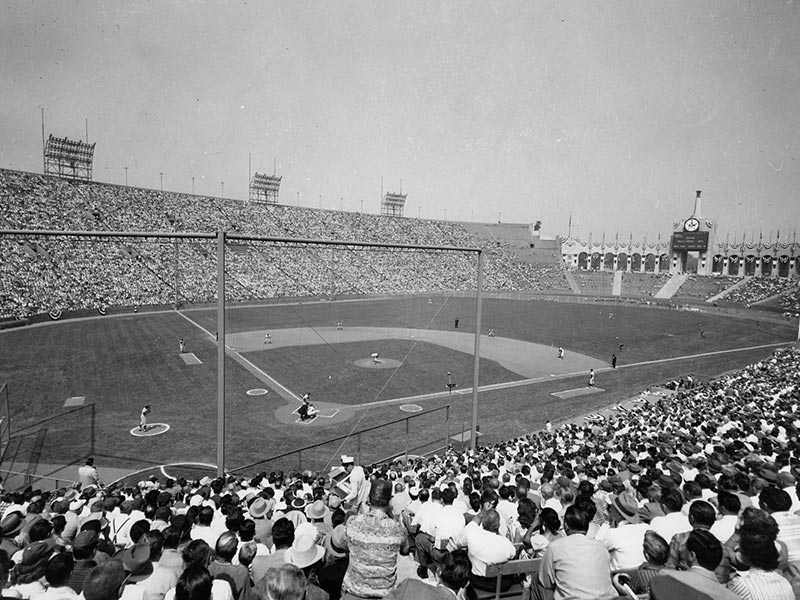
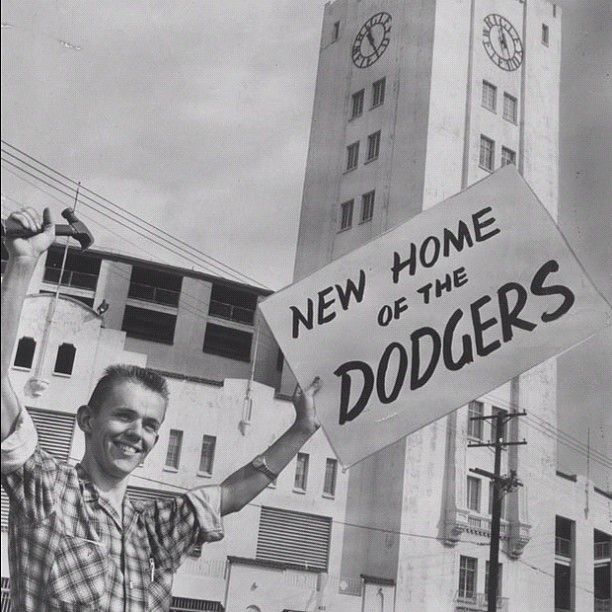
The team played their final season in Brooklyn in 1957. The relocation process then commenced, with the team preparing for their inaugural season in their new home. In 1958, the Los Angeles Dodgers officially took the field for the first time. They played their home games at the historic Los Angeles Memorial Coliseum for their first few seasons while their permanent, state-of-the-art stadium, Dodger Stadium, was under construction in Chavez Ravine. This marked the beginning of a new, successful chapter for the franchise on the West Coast, solidifying Los Angeles as a major league baseball city and creating a new legion of devoted fans. The move, while contentious at the time, ultimately proved to be a strategic and financially sound decision for the franchise, demonstrating the evolving dynamics of professional sports in a growing America.
LifeOutOfTheBox is a participant in the Amazon Services LLC Associates Program, an affiliate advertising program designed to provide a means for sites to earn advertising fees by advertising and linking to Amazon.com. Amazon, the Amazon logo, AmazonSupply, and the AmazonSupply logo are trademarks of Amazon.com, Inc. or its affiliates. As an Amazon Associate we earn affiliate commissions from qualifying purchases.