
The story of the Los Angeles Rams is a captivating tale deeply intertwined with the vibrant tapestry of Southern California itself. It’s a narrative not of one move, but of two significant transitions that have shaped the team’s identity and left an indelible mark on the National Football League (NFL) landscape. For visitors and residents alike, understanding this history offers a deeper appreciation for the team and the dynamic city it calls home, revealing how sports, travel, and lifestyle converge in one of the world’s most iconic destinations.
The Rams first arrived in the City of Angels in 1946, relocating from Cleveland, Ohio. This initial move marked the beginning of a nearly five-decade-long tenure that saw the franchise become a beloved fixture in Los Angeles sports culture. After a controversial departure in 1994 to St. Louis, Missouri, the team made its triumphant return to Los Angeles in 2016, much to the delight of a re-energized fanbase. This second homecoming ushered in a new era, complete with a state-of-the-art stadium and a renewed sense of purpose.

Exploring the history of the Rams in Los Angeles is more than just chronicling a sports team; it’s an opportunity to delve into the evolution of a city, the growth of its tourism, and the changing dynamics of its lifestyle. From the historic arenas that once hosted legendary games to the modern marvels that draw visitors from around the globe, the Rams’ journey offers a unique lens through which to experience the attractions, accommodations, and local culture of Southern California.
The First Era: From Cleveland to the City of Angels (1946-1994)
The story of the Los Angeles Rams’ first move to Los Angeles is steeped in the post-World War II boom, a period of immense growth and transformation for the entire United States. In 1946, the Rams made history not only by relocating but also by breaking barriers. As the reigning NFL champions in Cleveland, the team’s owner, Dan Reeves, recognized the burgeoning potential of Los Angeles as a major market for professional sports. He also made a groundbreaking commitment to integrate the team, signing Kenny Washington and Woody Strode, making the Rams the first modern NFL franchise to have African American players. This move not only brought top-tier football to the West Coast but also positioned Los Angeles as a progressive and dynamic destination.
A Pioneering Franchise: Breaking Barriers and Building a Legacy
The arrival of the Rams in 1946 was a pivotal moment for Los Angeles. It solidified the city’s status as a major league city, capable of supporting a premier professional sports franchise. This era saw the Rams build a passionate fanbase, attracting celebrities, families, and sports enthusiasts alike. The team’s vibrant history during these years is a testament to the city’s allure, blending the excitement of professional football with the unique Southern California lifestyle. For those interested in the history of Los Angeles and its cultural evolution, exploring the early days of the Rams provides fascinating insights into the city’s post-war identity. It highlights a period where Los Angeles was rapidly growing, becoming a hub for entertainment, innovation, and, of course, a burgeoning sports scene.
Iconic Venues and the Southern California Experience
During their first tenure in Los Angeles, the Rams played at some of the most iconic venues in Southern California, each offering a distinct experience for fans and visitors. Their primary home was the Los Angeles Memorial Coliseum, a historic landmark that has hosted two Olympic Games and countless memorable sporting events. Attending a game at the Coliseum was more than just watching football; it was an immersive experience, a dive into Los Angeles’ rich architectural and sporting history. The grand scale and classical design of the stadium resonated with the city’s aspirations, making every visit feel like a special occasion.
Later, from 1980 to 1994, the Rams moved to Anaheim Stadium in Orange County, a destination renowned for its family-friendly attractions like Disneyland. This shift broadened the team’s appeal, drawing fans from across the greater Los Angeles metropolitan area and blending sports tourism with popular vacation destinations. For visitors today, exploring these former homes of the Rams provides a historical tour of Southern California’s sports architecture and evolution. The Coliseum remains a magnificent structure, while Anaheim continues to thrive as a hub for entertainment and tourism, offering a wealth of hotels, resorts, and family accommodations.
The Lifestyle of a Rams Fan in Mid-Century LA
Being a Rams fan in mid-century Los Angeles was synonymous with embracing the quintessential Southern California lifestyle. Game days were often sunny affairs, allowing fans to combine their passion for football with beach trips, drives along the scenic coastline, or visits to emerging Hollywood attractions. The social fabric surrounding the team was vibrant, drawing together a diverse community of residents, from celebrities in Beverly Hills to families enjoying a day out in Pasadena.
For tourists visiting Los Angeles during this period, a Rams game would have been an essential part of the LA experience, complementing visits to landmarks like the Santa Monica Pier or the Griffith Observatory. The atmosphere around the Coliseum on game days was electric, a blend of casual California cool and intense football fervor. This era shaped a generation of fans and established the Rams as a key element of the Los Angeles identity, a symbol of the city’s growing stature and glamorous lifestyle.
The St. Louis Interlude: Two Decades Away (1995-2015)
The departure of the Rams from Los Angeles in 1994 was a significant blow to the city’s sports landscape. Citing issues with stadium infrastructure and fan support, the team relocated to St. Louis, Missouri, becoming the St. Louis Rams. This period, though difficult for Los Angeles fans, allowed St. Louis to embrace a major NFL franchise, culminating in a Super Bowl victory for the Rams in 1999.
A New Home, A Different Atmosphere

In St. Louis, the Rams found a new home at the Edward Jones Dome, creating a fresh atmosphere for fans in the Midwest. This transition highlights the profound impact of sports teams on local tourism and economies. For two decades, St. Louis benefited from the influx of game-day visitors, supporting local hotels, restaurants, and attractions. The team became intertwined with the identity of St. Louis, demonstrating how a professional sports franchise can boost a city’s profile and create a vibrant local culture around game days. While Los Angeles yearned for an NFL team during this hiatus, the Rams’ time in St. Louis proved that the franchise’s legacy could thrive in a different setting, even as the desire for their return to California grew stronger.
The Grand Return: Rebuilding a Dynasty in Los Angeles (2016-Present)
The 2016 decision by NFL owners to approve the Rams’ relocation back to Los Angeles was met with immense excitement and anticipation. It marked the end of a 21-year drought for NFL football in the nation’s second-largest market and ushered in a new era of sports, tourism, and lifestyle for Southern California. The move was not just a return; it was a grand re-entry, signaling a commitment to building a modern, thriving franchise in a city that had dramatically evolved since the team’s initial departure.
A New Era of Stadiums and Experiences
A cornerstone of the Rams’ return was the commitment to building a world-class stadium, a landmark that would redefine the fan experience. The crown jewel of this endeavor is SoFi Stadium, located in Inglewood. Opened in 2020, SoFi Stadium is an architectural marvel, a technological masterpiece, and a multi-billion-dollar entertainment complex designed to host not only NFL games but also concerts, major events, and even the Super Bowl and future Olympic ceremonies.
For travelers and football enthusiasts, SoFi Stadium represents a destination in itself. Its innovative design, immersive digital experiences, and surrounding entertainment district offer an unparalleled game-day atmosphere. This state-of-the-art facility significantly boosts Los Angeles’ tourism profile, drawing visitors who come specifically to experience this modern landmark. The stadium’s integration into the broader Hollywood Park development, featuring retail, dining, and public spaces, provides a comprehensive entertainment experience, making it a key attraction for anyone visiting the LA area.
The Economic and Cultural Impact of the Rams’ Return
The Rams’ return has had a profound economic and cultural impact on Los Angeles and the broader Southern California region. The construction of SoFi Stadium alone generated thousands of jobs, and the ongoing operations contribute significantly to the local economy through tourism, hospitality, and related industries. Game days bring an influx of visitors, filling hotels, boosting local businesses, and creating a vibrant atmosphere across the city.
Culturally, the return of the Rams has reignited a deep-seated passion for NFL football in Los Angeles. The team’s success, including their Super Bowl LVI victory at SoFi Stadium in 2022, has further cemented their place in the city’s heart. This renewed enthusiasm integrates seamlessly with the Los Angeles lifestyle, where sports, entertainment, and a dynamic urban experience converge. The presence of a hometown NFL team offers a unique facet to the Los Angeles experience, providing a sense of community and shared excitement that resonates with both long-time residents and new arrivals.
Planning Your Rams Game Day Trip: Accommodation and Local Attractions
For those looking to experience the thrill of a Los Angeles Rams game, the city offers an unparalleled combination of world-class sports and diverse tourist attractions. Planning a trip around a game day can transform a simple outing into a memorable travel experience.
Accommodation: Los Angeles boasts an extensive range of accommodation options to suit every budget and lifestyle. For luxury travelers, boutique hotels in West Hollywood or grand resorts along the coast in Santa Monica offer opulent stays with easy access to cultural landmarks. Mid-range hotels and serviced apartments can be found throughout Downtown Los Angeles, Hollywood, and the San Gabriel Valley, providing comfortable and convenient options. For budget-conscious travelers, numerous hostels and extended-stay properties offer affordable alternatives, especially around the Inglewood area, close to SoFi Stadium. Booking in advance, particularly for popular game weekends or major events, is always advisable to secure the best rates and availability. Websites offering reviews and comparison tools can be invaluable for finding the perfect stay.
Getting to the Stadium: SoFi Stadium is conveniently located near Los Angeles International Airport (LAX), making it accessible for both local and international visitors. Public transportation options are available, though many attendees opt for ride-sharing services or pre-booked shuttle services. Considering Los Angeles’ traffic, planning your travel to and from the stadium is crucial for a smooth game-day experience.
Beyond the Game: A Rams game offers a fantastic anchor for a longer trip to Los Angeles. Before or after the game, visitors can explore a myriad of attractions:
- Hollywood: Visit the Hollywood Walk of Fame, Universal Studios Hollywood, or catch a show.
- Santa Monica and Beaches: Enjoy the sun at Santa Monica Beach and the iconic Santa Monica Pier, or explore the vibrant boardwalks of Venice Beach.
- Cultural Landmarks: Discover the art at the Getty Center, explore the unique exhibits at the Los Angeles County Museum of Art (LACMA), or take in panoramic views from the Griffith Observatory.
- Food and Local Culture: Los Angeles is a culinary paradise, offering everything from high-end dining in Beverly Hills to diverse food trucks and ethnic eateries in neighborhoods like Koreatown or Little Ethiopia. Explore farmers’ markets for local produce and artisanal goods.
Combining the excitement of professional football with the endless attractions of Los Angeles creates an unforgettable travel experience, embodying the dynamic blend of sports, culture, and lifestyle that defines this incredible city.
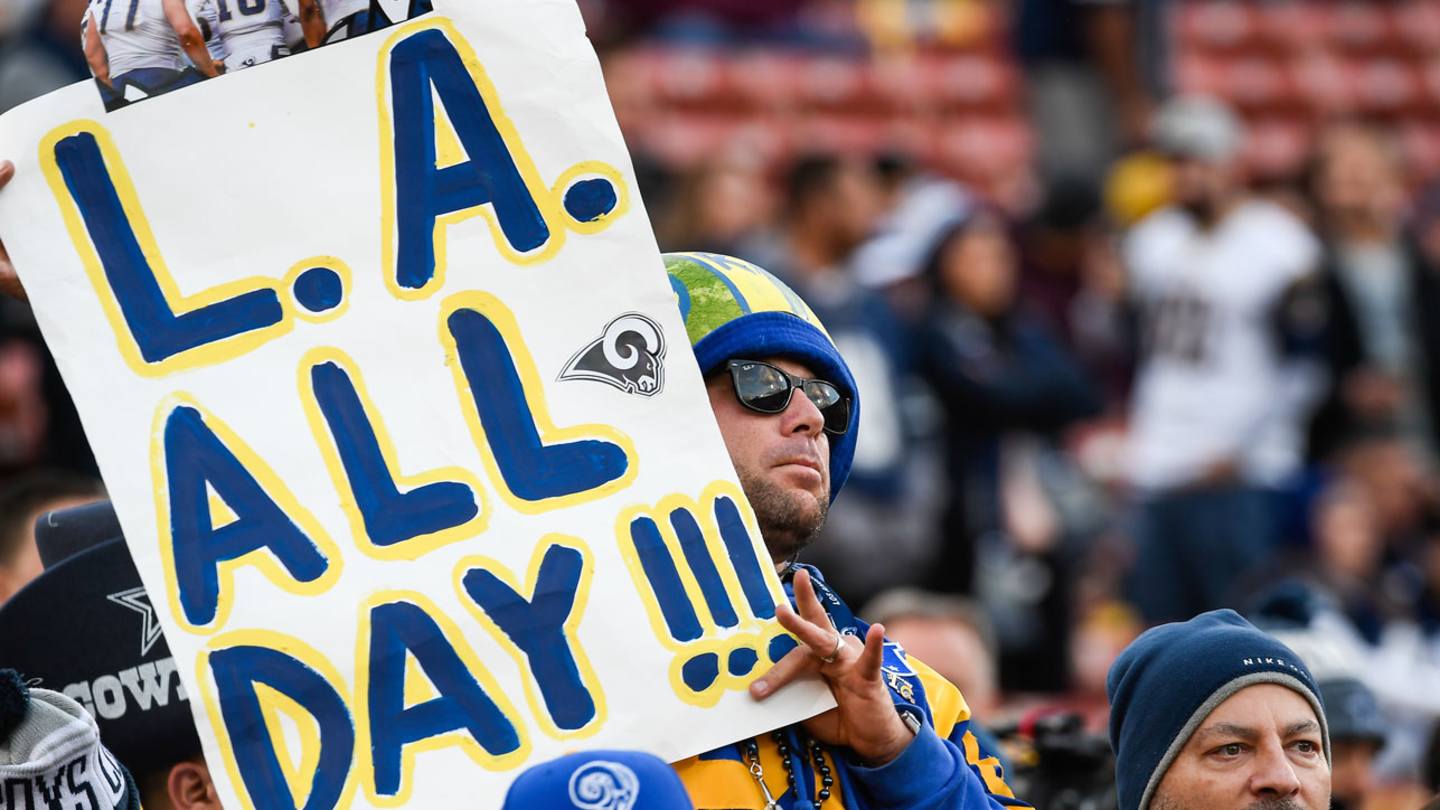
The Enduring Legacy of the Los Angeles Rams
The question of “When did the Los Angeles Rams move to Los Angeles?” unveils a rich, multi-layered history that reflects the evolution of both a legendary football franchise and one of the world’s most captivating cities. Their initial arrival in 1946 brought professional football to the West Coast, breaking social barriers and establishing a pioneering legacy. Their return in 2016, marked by the breathtaking SoFi Stadium and a Super Bowl championship, solidified their place once again at the heart of Los Angeles’s vibrant sports and entertainment scene.
For travel enthusiasts, sports fans, and those simply seeking a deeper understanding of Los Angeles, the Rams’ story is a compelling journey. It illustrates how a sports team can become a landmark in itself, influencing tourism, shaping local culture, and offering unique lifestyle experiences. From exploring historic stadiums to planning a luxurious or budget-friendly trip around a game day, the presence of the Los Angeles Rams adds an exciting dimension to any visit or long-term stay in the City of Angels. Their legacy continues to be written, offering new chapters for both football history and the dynamic narrative of Los Angeles as a global destination.
LifeOutOfTheBox is a participant in the Amazon Services LLC Associates Program, an affiliate advertising program designed to provide a means for sites to earn advertising fees by advertising and linking to Amazon.com. Amazon, the Amazon logo, AmazonSupply, and the AmazonSupply logo are trademarks of Amazon.com, Inc. or its affiliates. As an Amazon Associate we earn affiliate commissions from qualifying purchases.