
The question “Are there crocodiles in Louisiana?” is one that often sparks curiosity and a touch of apprehension in the minds of prospective travelers and wildlife enthusiasts. When envisioning the wetlands of the United States, particularly the vast, mysterious bayous and swamps of the Deep South, images of ancient, scaly predators undeniably come to mind. While the answer might seem straightforward at first glance, it actually unravels a fascinating story about biodiversity, habitat, and the iconic creatures that truly dominate Louisiana’s aquatic landscapes. For anyone planning to travel to this vibrant state, understanding its unique ecosystem is key to an unforgettable experience.
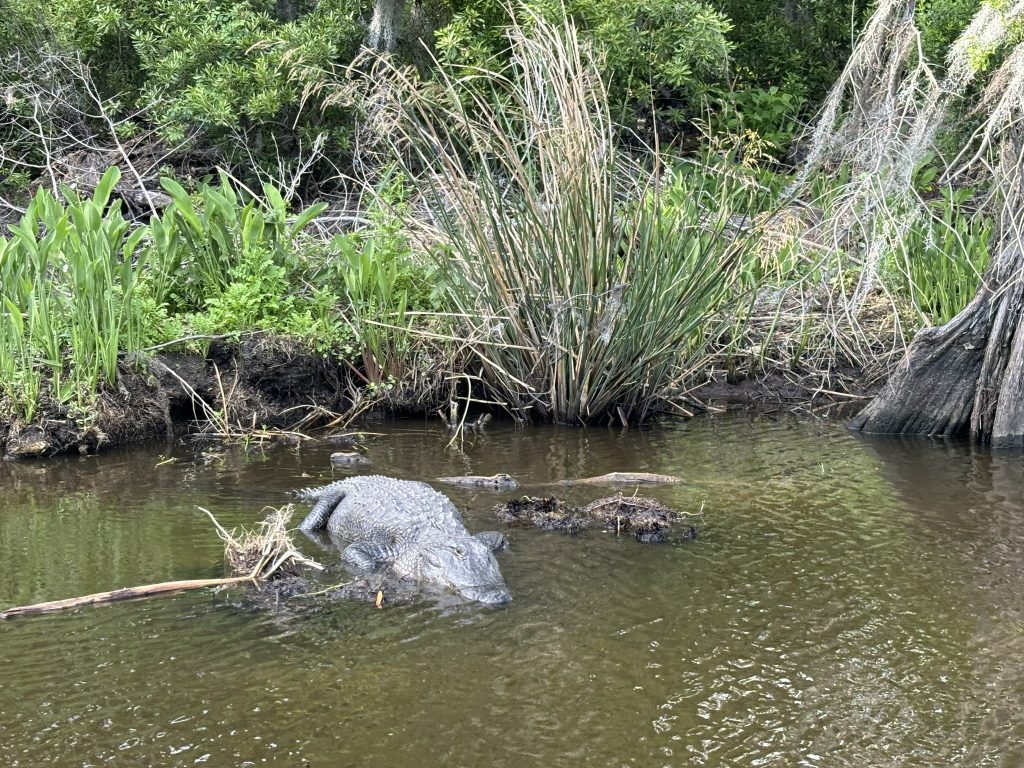
Many people use the terms “alligator” and “crocodile” interchangeably, leading to widespread confusion. However, there’s a critical distinction to be made, especially when discussing the wildlife of Louisiana. While it’s true that crocodilians – the order of reptiles that includes both alligators and crocodiles – are abundant, the specific species present defines the character of the region’s wildlife. This article will dive deep into the heart of Louisiana’s swamps, clarifying once and for all which formidable reptile reigns supreme, and guiding you on how to safely and responsibly explore their natural habitat, all while immersing yourself in the rich culture and diverse attractions that make Louisiana a premier travel destination.
Alligators vs. Crocodiles: A Tale of Two Reptiles
To accurately answer the titular question, we must first dispel a common misconception. While both alligators and crocodiles are awe-inspiring apex predators of the crocodilian family, they possess distinct characteristics and, crucially, inhabit different geographical ranges.
Understanding the Key Differences
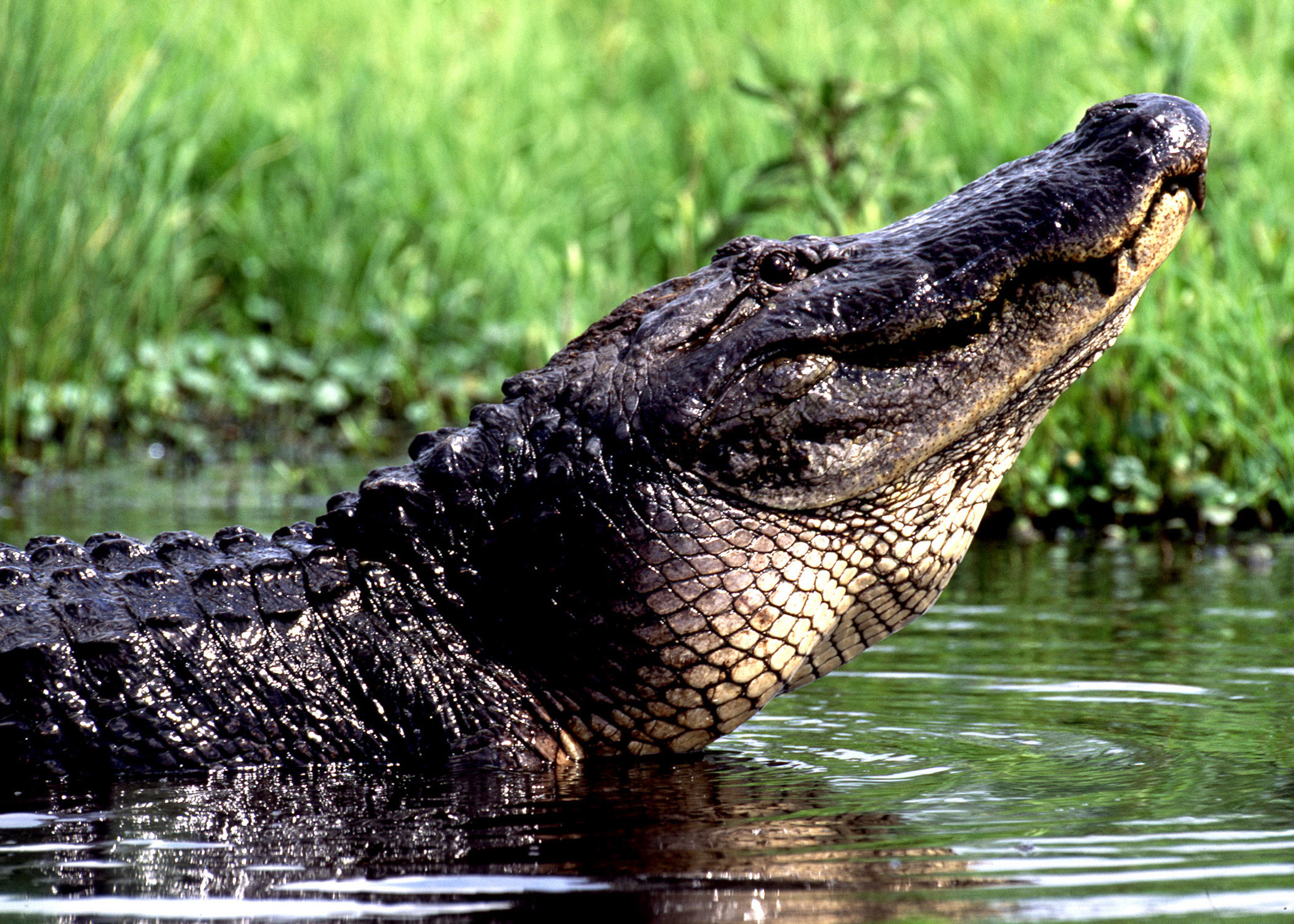
The easiest way to differentiate between an alligator and a crocodile lies in their physical appearance, particularly their snout shape and tooth arrangement. American Alligators are known for their broad, U-shaped snouts. When their mouths are closed, you typically can’t see their lower teeth, as they fit neatly into sockets in the upper jaw. In contrast, crocodiles generally have a narrower, V-shaped snout, and a distinctive feature is that their prominent fourth lower tooth is visible even when their mouth is shut, interlocking with their upper jaw.
Beyond physical traits, their preferred habitats also differ. Alligators tend to favor freshwater environments, such as swamps, marshes, rivers, and lakes. Crocodiles, on the other hand, are more tolerant of saltwater and brackish conditions, often found in coastal areas, estuaries, and even open ocean environments. This tolerance is a key factor in their global distribution. The American Alligator is primarily found in the southeastern United States, while the American Crocodile, the only species of crocodile native to the United States, is extremely rare and primarily restricted to the southern tip of Florida. Globally, crocodiles have a much wider distribution, inhabiting parts of Africa, Asia, Australia, and the Americas, including the Caribbean, Mexico, Central America, and South America.
The American Alligator: Louisiana’s True Apex Predator
So, to directly address the initial question: No, there are virtually no wild crocodiles in Louisiana. The crocodilian species you will encounter, and indeed thrive, in the freshwater ecosystems of Louisiana is the magnificent American Alligator. These incredible reptiles are an integral part of the state’s natural heritage and a cornerstone of its tourism appeal.
Louisiana boasts a robust and healthy American Alligator population, a testament to successful conservation efforts after they were once endangered. Their presence is a vibrant indicator of the health of the state’s wetlands. From the murky depths of the Atchafalaya Basin – the largest river swamp in North America – to the cypress-lined bayous near New Orleans, alligators are a common and celebrated sight. Their role as an apex predator helps maintain the balance of the ecosystem, controlling populations of other species and acting as a barometer for environmental well-being. For travelers interested in eco-tourism and authentic wildlife encounters, observing these powerful creatures in their natural habitat is an absolute highlight of any trip to Louisiana.
Louisiana’s Wild Heart: Exploring Alligator Country
Louisiana’s unique geography, characterized by sprawling wetlands, slow-moving rivers, and vast coastal marshes, provides the perfect habitat for the American Alligator. This natural richness also makes it an unparalleled destination for those seeking adventure, natural beauty, and a deep dive into the heart of the bayou lifestyle.
Top Destinations for Wildlife Encounters
When planning your Louisiana adventure, several key areas offer exceptional opportunities for alligator sightings and immersive natural experiences:
- The Atchafalaya Basin: This colossal swamp system, often called America’s Wetland, is a powerhouse of biodiversity and home to a staggering number of alligators. Located in south-central Louisiana, it offers some of the most remote and untouched bayou experiences. Guided tours here provide deep insights into the ecosystem and often guarantee alligator sightings.
- Jean Lafitte National Historical Park and Preserve: Just a short drive from New Orleans, the Barataria Preserve within Jean Lafitte National Historical Park and Preserve offers easily accessible boardwalks and canoe trails where visitors can observe alligators, various bird species, and other wildlife in a protected environment. It’s an excellent option for families and those looking for a self-guided experience.
- Lake Martin (near Lafayette): Known as a birder’s paradise, Lake Martin is also teeming with alligators, especially during the warmer months. Photography enthusiasts flock here for stunning shots of alligators basking in the sun amidst ancient cypress trees. Numerous local operators offer guided boat tours.
- Honey Island Swamp (near Slidell): Located east of New Orleans, the Honey Island Swamp is one of the most pristine and untouched river swamps in the United States. It’s famous for its legendary cryptid, the Honey Island Swamp Monster, adding a layer of folklore to your wildlife search. Swamp tours here are well-regarded for their educational value and high chances of alligator encounters.
- Bayou Segnette State Park (near Westwego): Another convenient option close to New Orleans, this state park provides opportunities for camping, fishing, and boating, with plenty of chances to spot alligators from a safe distance within its bayous.
Embarking on a Louisiana Swamp Tour: An Unforgettable Experience
For many visitors, the quintessential Louisiana experience involves a thrilling and educational swamp tour. These guided excursions, typically conducted on flat-bottomed boats or airboats, offer an intimate look at the state’s wetlands and its most famous inhabitant. Knowledgeable local guides, often descendants of Cajun trappers and fishermen, provide fascinating commentary on the ecosystem, local history, and, of course, the alligators.
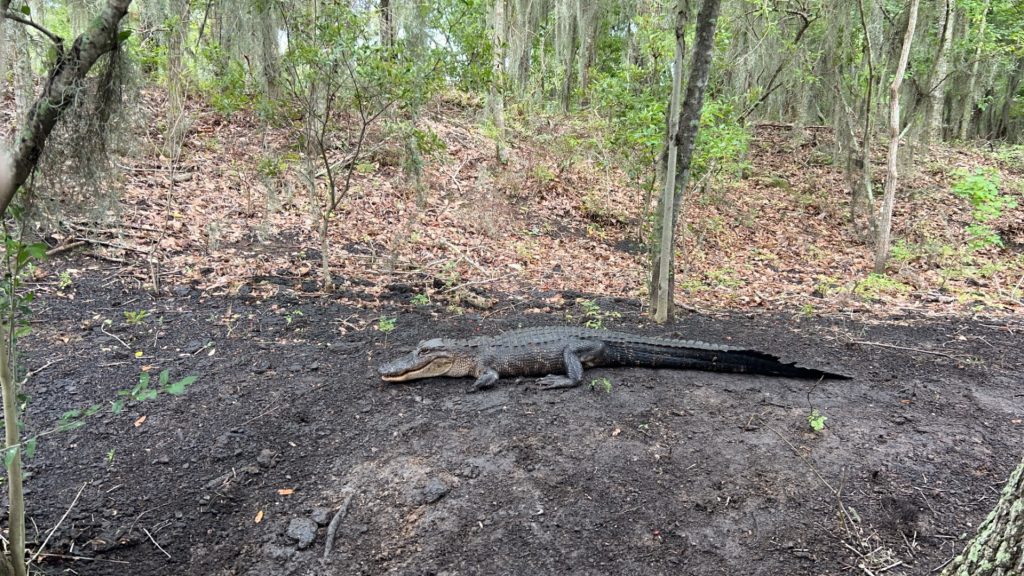
During a swamp tour, you’ll glide through waterways shaded by ancient cypress and tupelo trees draped in Spanish moss, listening to the symphony of unseen wildlife. Guides often call out to alligators, sometimes luring them close enough for incredible photo opportunities with marshmallows or other small treats (a practice that varies by tour operator and is regulated). This immersive experience goes beyond just seeing alligators; it’s an opportunity to connect with the unique lifestyle and resilient spirit of the bayou communities. It’s a perfect blend of adventure, education, and cultural immersion, making it a must-do for any travel itinerary.
Responsible Tourism and Alligator Safety
While encounters with American Alligators are a highlight, safety and responsible tourism are paramount. Alligators are wild animals and should always be treated with respect and caution.
- Never Feed Alligators: Feeding alligators, especially outside of supervised, educational tours, is dangerous and illegal. It causes them to associate humans with food, leading to aggressive behavior.
- Maintain a Safe Distance: Whether on a guided tour or exploring independently, always keep a respectful distance from alligators. They are surprisingly fast on land and in water.
- Swim in Designated Areas: Avoid swimming or wading in waters where alligators are known to live, especially at dusk, dawn, or night when they are most active.
- Keep Pets on Leash: Alligators view small pets as potential prey. Keep dogs and cats away from the water’s edge in alligator habitats.
- Use Reputable Tour Operators: Choose experienced and licensed swamp tour companies that prioritize safety and responsible wildlife interaction. They will provide clear instructions and ensure a safe viewing experience.
By following these guidelines, visitors can enjoy the thrill of observing alligators while contributing to their preservation and ensuring a safe and memorable trip for everyone.
Beyond the Bayous: Planning Your Louisiana Adventure
A trip to Louisiana offers far more than just alligator encounters; it’s a journey into a rich tapestry of history, music, food, and distinct cultural traditions. Integrating wildlife viewing with other attractions ensures a comprehensive and fulfilling travel experience.
Where to Stay: Accommodation Options for Every Traveler
Louisiana provides a diverse range of accommodation options to suit every budget and lifestyle, from luxurious city hotels to charming boutique inns and rustic cabins closer to nature.
- New Orleans: As the state’s largest city and a major tourist hub, New Orleans offers an array of choices. In the historic French Quarter, you’ll find elegant boutique hotels like the Hotel Monteleone or the Omni Royal Orleans Hotel, offering proximity to vibrant nightlife, jazz clubs, and iconic landmarks. For a touch of luxury, The Roosevelt New Orleans, A Fairmont Hotel provides a classic grand hotel experience. The picturesque Garden District features charming B&Bs and guesthouses like the Inn on the Avenue, perfect for a more serene stay.
- Baton Rouge and Lafayette: These cities offer a mix of national hotel chains, local inns, and comfortable suites, providing excellent bases for exploring nearby plantations, Atchafalaya Basin, and Cajun country.
- Bayou Country (e.g., Houma, Thibodaux, Morgan City): For those seeking a deeper connection with nature, consider booking a stay in a cozy cabin, guesthouse, or even an Airbnb in smaller towns closer to the swamps. Many offer unique, rustic charm and a chance to experience the tranquil beauty of the bayou at your doorstep. Some operators even offer overnight houseboat stays for an unparalleled experience.
Whether your lifestyle leans towards luxury travel, budget-friendly options, or a family-focused trip, Louisiana’s accommodation landscape is as diverse as its natural environment, ensuring comfort and convenience throughout your visit.
Savoring Louisiana: Culinary Delights and Local Culture
No trip to Louisiana is complete without indulging in its world-renowned cuisine and immersing yourself in its vibrant culture. Cajun and Creole dishes are a feast for the senses, reflecting the state’s diverse history and influences.
- Food: Sample classics like gumbo, jambalaya, etouffee, po’boys, and fresh seafood boils. Don’t forget to try beignets at Cafe Du Monde in New Orleans or indulge in a fine dining experience along the Mississippi River at the Riverwalk. Many restaurants even feature alligator meat on their menus, offering a unique local delicacy.
- Music and Festivals: Louisiana is the birthplace of jazz and home to countless music genres. Catch live jazz in the clubs of New Orleans’ French Quarter, especially on Bourbon Street, or explore the Zydeco and Cajun music scenes in Lafayette and the surrounding parishes. The state hosts numerous festivals throughout the year, from Mardi Gras to the Jazz & Heritage Festival, celebrating its rich cultural heritage.
- History and Architecture: Explore the grand plantations along River Road, wander through the historic streets of New Orleans, visiting Jackson Square and St. Louis Cathedral, or delve into the political history in Baton Rouge. Each corner of Louisiana tells a story.
Making the Most of Your Trip: Tips for a Memorable Visit
To ensure a seamless and enriching experience in Louisiana, consider these practical tips:
- Best Time to Visit: Spring (March-May) and Fall (September-November) offer pleasant weather, fewer mosquitoes, and excellent conditions for outdoor activities and alligator sightings. Summers can be hot and humid with higher chances of rain.
- Transportation: Renting a car is recommended for exploring beyond the major cities, especially if you plan to visit multiple swamp areas or plantations. In New Orleans, the streetcars and walking are popular ways to get around.
- Pack Appropriately: Light, breathable clothing, comfortable walking shoes, insect repellent, sunscreen, and a hat are essential, particularly for swamp tours. A reusable water bottle is also highly recommended.
- Family-Friendly Activities: Beyond swamp tours, families can enjoy the Audubon Zoo and Aquarium of the Americas in New Orleans, explore children’s museums, or engage in historical tours suitable for all ages.
- Consider a Multi-City Itinerary: While New Orleans is a highlight, combining it with a few days in Lafayette for a deeper dive into Cajun culture and the Atchafalaya Basin, or a visit to Baton Rouge, will provide a more complete picture of what Louisiana has to offer.
In conclusion, while you won’t find wild crocodiles in Louisiana, you will discover a thriving population of American Alligators that are every bit as captivating. This distinction is part of the state’s unique charm, inviting travelers to explore its diverse landscapes, embrace its vibrant culture, and forge unforgettable memories in the heart of the bayou. Plan your trip with an open mind and a spirit of adventure, and Louisiana will undoubtedly leave an indelible mark on your travel experiences.
LifeOutOfTheBox is a participant in the Amazon Services LLC Associates Program, an affiliate advertising program designed to provide a means for sites to earn advertising fees by advertising and linking to Amazon.com. Amazon, the Amazon logo, AmazonSupply, and the AmazonSupply logo are trademarks of Amazon.com, Inc. or its affiliates. As an Amazon Associate we earn affiliate commissions from qualifying purchases.