
Louisiana, a state synonymous with its vibrant culture, rich history, and unique ecosystems, holds a fascinating relationship with one of its most iconic residents: the American Alligator. From the mysterious depths of the Atchafalaya Basin to the expansive marshes bordering the Gulf of Mexico, these prehistoric reptiles are an integral part of the state’s natural heritage and economy. The question of “how many alligator tags are issued in Louisiana per person?” delves deep into a complex system of wildlife management, conservation, economic opportunity, and a deeply ingrained aspect of local culture and lifestyle. It’s a topic that resonates not only with avid hunters but also with tourism enthusiasts, nature lovers, and anyone intrigued by the delicate balance between human activity and wildlife preservation in the United States.
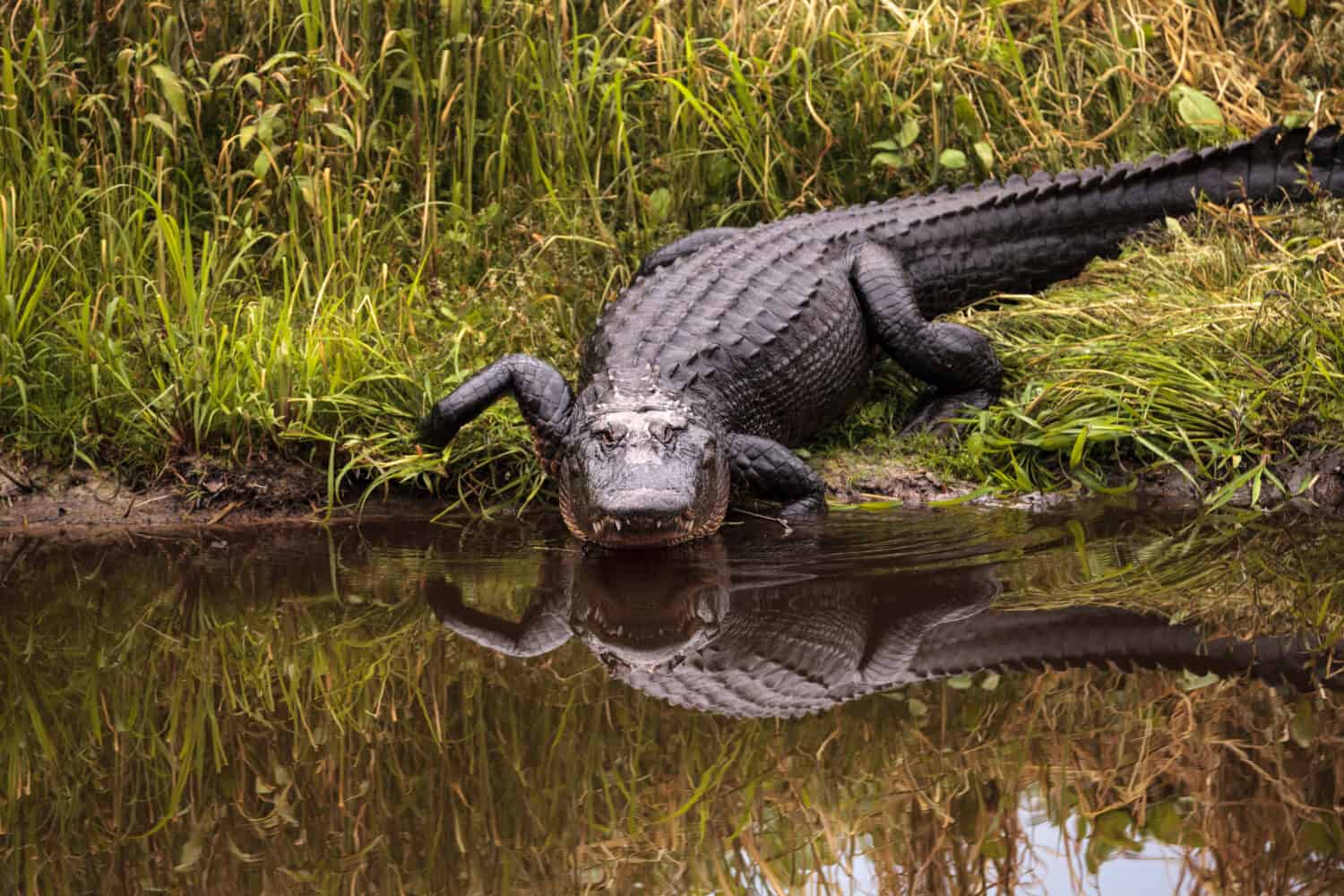
Understanding the allocation of alligator tags in Louisiana requires an exploration of the state’s pioneering alligator management program, a model that transformed the alligator from an endangered species to a thriving, sustainably managed resource. This success story has not only ensured the alligator’s future but also created a significant industry contributing to the state’s economy, offering unique experiences for both residents and visitors alike. Whether you’re planning an adventurous trip to the bayou, looking for an authentic taste of Cajun Country, or simply curious about the conservation efforts behind these magnificent creatures, understanding the tag system is key to appreciating this unique facet of Louisiana.
Understanding Louisiana’s Alligator Management Program
The story of alligator management in Louisiana is one of remarkable recovery and sustainable utilization. By the mid-20th century, American alligators faced severe threats due to overhunting and habitat destruction. Recognizing the ecological and cultural importance of the species, Louisiana initiated groundbreaking conservation efforts. The state was among the first to implement a comprehensive alligator management program in the 1960s, a visionary approach that combined stringent regulations, scientific research, and controlled harvesting. This program proved instrumental in the alligator’s comeback, leading to its removal from the endangered species list in 1987. Today, Louisiana boasts the largest wild alligator population in the world, estimated at over two million, a testament to the success of its management strategies.
The primary goal of the Louisiana Department of Wildlife and Fisheries (LDWF) program is to maintain a healthy, viable alligator population while allowing for sustainable harvest by private landowners and public hunters. This approach is rooted in the understanding that controlled harvesting can incentivize habitat preservation by giving landowners an economic reason to maintain alligator-friendly wetlands. It’s a pragmatic conservation model that integrates ecological sustainability with economic benefits, making it a unique example for wildlife management globally.
A Legacy of Conservation
The journey from near extinction to abundance for the American Alligator in Louisiana is a conservation success story worthy of widespread recognition. The early efforts were not without challenges, requiring significant scientific study to understand alligator populations, reproductive habits, and habitat needs. The LDWF developed robust monitoring programs, including aerial surveys and nest counts, to accurately assess population health and distribution. These scientific foundations underpin every decision made regarding tag allocations and harvest quotas, ensuring that the number of alligators harvested each year does not exceed the population’s ability to replenish itself.
Furthermore, the program actively promotes habitat conservation. Vast expanses of coastal marsh and swamp in Louisiana serve as crucial alligator habitat, and their preservation is paramount. Landowners participating in the alligator program are often encouraged or required to maintain these wetlands, understanding that healthy habitats yield more alligators and, consequently, more tags. This symbiotic relationship between landowners, wildlife managers, and the alligators themselves forms the bedrock of Louisiana’s enduring conservation legacy, offering invaluable lessons for other regions grappling with wildlife management issues.
The Tagging System: Private vs. Public Lands
The allocation of alligator tags in Louisiana is governed by a dual system that differentiates between private and public lands. This distinction is crucial in understanding the “per person” aspect of tag issuance.
Private Land Alligator Harvest Program: This is the cornerstone of Louisiana’s alligator industry. The majority of alligator tags are issued to private landowners (or their designated agents) who own or control suitable alligator habitat. The number of tags a landowner receives is directly related to the amount of suitable alligator habitat they manage and the population density on their property, as assessed by LDWF biologists. For landowners, the tags represent an economic opportunity, as alligator hides and meat are valuable commodities. They can harvest the alligators themselves, hire professional hunters, or lease their hunting rights to others. In this scenario, the tags are issued to the landowner based on their property’s potential, not necessarily “per person” in the sense of an individual hunter applying for a personal tag outside of landownership. A single landowner might receive hundreds of tags, which they then distribute among hunters they employ or contract with.
Public Alligator Lottery Harvest Program: To allow individuals who do not own alligator habitat the opportunity to participate in the hunt, Louisiana offers a limited number of tags through a public lottery system. These hunts typically take place on designated Wildlife Management Areas (WMAs) and other public lands. This is where the concept of “per person” becomes more directly applicable. Individual residents of Louisiana (and sometimes non-residents, depending on specific regulations and availability) can apply for a chance to draw a limited number of alligator tags. If successful, the selected hunter is allocated a specific number of tags, typically in the range of 3 to 15, depending on the WMA and the population dynamics of that particular area. This program ensures broader public participation while maintaining strict control over the total harvest.
Navigating Alligator Tag Allocation for Hunters
For individuals aspiring to hunt alligators in Louisiana, understanding the different pathways to acquiring tags is essential. It’s not a simple over-the-counter purchase; rather, it’s a structured process designed to manage the population responsibly.
Public Alligator Lottery Program
The public alligator lottery program is the primary avenue for individuals without private alligator habitat to participate in a legal harvest. Each year, the LDWF announces the specific WMAs and public waters where hunting will be allowed, along with the number of tags available for each area. The application period is typically in May and June, with drawings held shortly thereafter.

How it Works:
- Eligibility: Applicants must typically be Louisiana residents aged 16 or older and possess a valid hunting license. Some opportunities may be extended to non-residents, but resident preference is common.
- Application: Individuals apply online or through designated channels, often selecting their preferred WMAs. There is usually a non-refundable application fee.
- Drawing: A random drawing is conducted. Successful applicants are notified and receive their allocated tags.
- Tag Quantity: The number of tags issued per successful applicant varies but commonly ranges from 3 to 15 alligators. These tags are specific to the hunter and the designated hunting area.
- Permit and License Fees: In addition to the application fee, successful applicants must pay for an alligator hunting license and potentially other permit fees.
- Season: The public alligator hunting season typically runs for 30 days, usually in late August and September.
The odds of drawing a tag can vary significantly depending on the popularity of a WMA and the number of tags available. It’s a competitive process, reflecting the high demand for this unique hunting experience. For those interested in this adventure, detailed guides and information are available on the LDWF website, providing tips on applying and preparing for the hunt.
Private Landowner Tags and Commercial Harvesting
While direct “per person” tag issuance is less common in the private land sector, individuals can still participate in private land alligator hunting through various arrangements.
- Leasing Hunting Rights: Hunters, often from outside Louisiana, can pay landowners or alligator lease operators for the right to use their tags. This is a common practice, essentially buying a sub-lease for a portion of a landowner’s allocated tags. The number of alligators a paying hunter can take depends on the agreement with the landowner/operator.
- Guided Hunts: Many licensed alligator hunters and outfitters offer fully guided alligator hunts on private lands. These professional guides have access to private land tags and provide all necessary equipment and expertise. A client on a guided hunt typically pays a flat fee for the experience, which includes the tag(s) for the alligator(s) they harvest. The number of alligators a client is allowed to harvest is usually limited by the guide’s package, often one or two alligators per hunter. This option caters to both seasoned hunters and those new to the sport, offering a seamless and often luxurious outdoor adventure.
- Commercial Harvesters: These are individuals who make a living from catching alligators, primarily for their hides and meat. They either own suitable habitat and receive tags directly, or they have agreements with multiple landowners to harvest alligators on their behalf using the landowners’ allocated tags. The number of alligators they can take is determined by the total tags available to them through their land agreements.
In essence, while the public lottery program directly issues tags to individuals on a “per person” basis (typically 3-15 tags), participation in the private land harvest depends on agreements with landowners or licensed operators who possess the primary allocation of tags. The exact number of alligators an individual hunter can take on private land is thus subject to their arrangement, rather than a direct state allocation to them personally.
Beyond the Hunt: Alligators, Tourism, and Louisiana Lifestyle
The alligator’s presence in Louisiana extends far beyond its role in hunting and conservation programs. It is a cornerstone of the state’s vibrant tourism industry, an iconic symbol of its wild nature, and an integral part of the local lifestyle and cuisine. For many travelers, encountering an alligator in its natural habitat is a quintessential Louisiana experience.
Experiencing the Bayou: Swamp Tours and Wildlife Viewing
For those who prefer to observe rather than hunt, Louisiana offers an abundance of opportunities to see alligators up close and safely. Swamp tours are among the most popular attractions in Louisiana, drawing millions of visitors annually. These guided boat tours, often departing from New Orleans, Lafayette, or Lake Charles and delving into the bayous and wetlands, provide an immersive glimpse into the unique ecosystem of the Atchafalaya Basin and surrounding areas.
Expert local guides navigate shallow waters, pointing out alligators basking in the sun, turtles, various bird species, and the lush cypress and tupelo trees draped in Spanish moss. Many tours offer interactive elements, such as feeding alligators from the boat, creating unforgettable memories for families and adventure seekers. These destinations like the Jean Lafitte National Historical Park and Preserve near New Orleans provide boardwalks and nature trails for land-based wildlife viewing, allowing visitors to appreciate the serene beauty of the swamp without needing a boat. These ecotourism ventures play a crucial role in educating the public about the importance of wetland conservation and the role alligators play in maintaining ecological balance.
Planning Your Louisiana Alligator Adventure
Whether you’re drawn by the thrill of the hunt or the wonder of wildlife viewing, planning a Louisiana alligator adventure requires some forethought. For hunters, securing tags through the lottery or arranging a private land hunt with a reputable outfitter is the first step. For sightseers, selecting the right swamp tour provider and understanding the best times of year to visit can enhance the experience.
Accommodation options range from charming boutique hotels in historic New Orleans or Baton Rouge, like Hotel Monteleone or The Roosevelt New Orleans, to rustic cabins or bed-and-breakfasts closer to the bayous. Many resorts and lodges in Cajun Country specialize in outdoor activities, offering tailored packages that might include guided fishing, birdwatching, and, of course, swamp tours. When booking your stay, consider the proximity to your chosen alligator attraction or hunting grounds. Reviewing hotels and comparing amenities through travel guides can help ensure a comfortable and convenient base for your adventure. Don’t forget to sample local Cajun food, including alligator meat dishes, which are a true testament to the state’s connection with its indigenous wildlife.

The Economic and Cultural Impact of Alligator Harvesting
The sustainable harvesting of alligators in Louisiana has a significant economic footprint that extends far beyond the direct sale of hides and meat. It supports a multifaceted industry encompassing trappers, processors, tanneries, and artisans who craft goods from alligator leather. This economic activity provides jobs and revenue in often rural parts of the state, contributing to the livelihoods of numerous families. The raw products, particularly high-quality alligator hides, are coveted globally by luxury fashion brands, generating substantial export revenue for Louisiana. Alligator meat has also found its way into mainstream cuisine, becoming a staple in Cajun and Creole restaurants and a popular item for adventurous diners.
Culturally, the alligator is more than just an animal; it’s a symbol of Louisiana’s wild spirit and resilience. Stories and legends involving alligators are deeply woven into the fabric of local folklore. The annual alligator harvest season is a significant event for many communities, representing a connection to traditional ways of life and a celebration of the state’s natural bounty. It underscores a unique lifestyle where human interaction with the wild is not just tolerated but actively managed and celebrated. The successful management program highlights a balance where economic gain and conservation goals are not mutually exclusive but rather mutually reinforcing. This intricate relationship forms a quintessential part of Louisiana’s identity, attracting visitors eager to explore its natural landmarks, engage with its vibrant local culture, and experience its unparalleled natural attractions.
In conclusion, the question of “how many alligator tags are issued in Louisiana per person?” reveals a nuanced system designed for both conservation and controlled utilization. While private landowners receive the bulk of the tags based on their habitat, individual residents can obtain a limited number (typically 3-15) through a competitive public lottery. This comprehensive approach ensures that Louisiana’s alligators continue to thrive, supporting a unique ecosystem, a rich cultural heritage, and a significant tourism and economic industry that draws adventurers and nature enthusiasts from across the globe.
LifeOutOfTheBox is a participant in the Amazon Services LLC Associates Program, an affiliate advertising program designed to provide a means for sites to earn advertising fees by advertising and linking to Amazon.com. Amazon, the Amazon logo, AmazonSupply, and the AmazonSupply logo are trademarks of Amazon.com, Inc. or its affiliates. As an Amazon Associate we earn affiliate commissions from qualifying purchases.