
Louisiana, a land steeped in mystique and vibrant culture, is perhaps most famously known for its sprawling bayous, enchanting swamps, and the iconic creatures that call these watery realms home: the American alligator. These ancient reptiles are not just a symbol of the Cajun Country and Deep South; they are an integral part of the state’s ecosystem, economy, and the very fabric of its identity. For travelers venturing into the heart of Louisiana, the question isn’t just about seeing an alligator, but often, “How many are there, and what does that mean for my adventure?”

The presence of alligators in Louisiana is an undeniable draw, shaping everything from the local tourism industry to culinary traditions. From the bustling streets of New Orleans to the serene, cypress-lined waterways of the Atchafalaya Basin, these formidable reptiles evoke a sense of primeval wilderness that captivates visitors from across the globe. Understanding their numbers, their habitats, and their role in the state provides a richer context for any journey through the Pelican State, turning a simple sighting into a profound experience.
The Alligator Population: A Thriving Ecosystem in the Bayou State
The story of the American alligator in Louisiana is a remarkable conservation success, a testament to effective wildlife management and a deep respect for natural resources. Once severely endangered, these creatures have made a phenomenal comeback, transforming from a protected species to a managed, thriving population.
Historical Context and Conservation Success
In the mid-20th century, American alligators faced a bleak future. Unregulated hunting for their valuable hides and meat, coupled with habitat destruction, led to a drastic decline in their numbers across the southeastern United States. By the 1960s, they were listed as an endangered species by the U.S. Fish and Wildlife Service. This crucial designation provided the legal protection needed to initiate widespread conservation efforts.
Louisiana was at the forefront of these efforts. The state’s wildlife agencies, notably the Louisiana Department of Wildlife and Fisheries (LDWF), implemented robust programs that included regulated harvesting, ranching, and farming initiatives. Ranching involves collecting alligator eggs from the wild, hatching them in controlled environments, and releasing a percentage of juveniles back into their natural habitat once they reach a certain size, significantly increasing their survival rate compared to natural conditions. Farming, on the other hand, involves raising alligators entirely in captivity for their meat and hides. These practices, combined with strict habitat protection, proved incredibly effective.
By 1987, the American alligator had recovered so successfully that it was removed from the endangered species list, becoming one of the first species to achieve such a milestone. This triumph is a shining example of how sustainable use and careful management can lead to the resurgence of a threatened species, benefiting both the environment and local communities. The success story also highlighted the importance of international cooperation, particularly through the Convention on International Trade in Endangered Species of Wild Fauna and Flora (CITES), which regulated the trade of alligator products and prevented poaching from undermining recovery efforts.
The Numbers Game: How Many Are We Talking About?
So, precisely how many alligators roam the swamps and bayous of Louisiana today? While precise figures are challenging to obtain due to their elusive nature and vast habitats, estimates from the LDWF suggest a staggering number. It is generally believed that there are between 2 million and 3 million wild alligators thriving across the state. This makes Louisiana one of the most populous alligator states in the United States, alongside Florida.
Beyond the wild population, there’s an additional, significant number of alligators raised on farms and ranches. These captive populations can add another 1 million to 2 million alligators, bringing the total number of alligators in Louisiana, both wild and farmed, potentially upwards of 4 million to 5 million. This impressive total underscores the successful integration of alligator populations into both the natural ecosystem and the state’s economy. These numbers demonstrate not only ecological abundance but also the scale of the commercial alligator industry, which supplies products like meat and leather globally.
Where Do All the Alligators Live?
Alligators are cold-blooded creatures that prefer warm, freshwater environments. Louisiana offers an ideal habitat with its extensive network of swamps, marshes, bayous, rivers, and lakes. The southern half of the state, in particular, is an alligator stronghold.
Key habitats include:
- Swamps: These forested wetlands, characterized by cypress and tupelo trees standing in shallow water, are iconic alligator homes. The Atchafalaya Basin, the largest river swamp in the United States, is teeming with alligators.
- Marshes: Coastal marshes, especially along the Gulf of Mexico, provide vast expanses of brackish and freshwater environments perfect for alligators. Areas around Houma, Thibodaux, and south of New Orleans are particularly rich in these marshlands.
- Bayous and Rivers: Slow-moving waterways like Bayou Teche and Bayou Lafourche, as well as tributaries of the mighty Mississippi River, offer abundant food sources and suitable basking spots.
- Lakes: Larger freshwater bodies like Lake Pontchartrain and various smaller oxbow lakes scattered throughout the state also host significant alligator populations.
Essentially, if there’s freshwater and suitable vegetation in southern Louisiana, there’s a good chance you’ll find an alligator. Their presence is a constant reminder of the wild beauty that exists just beyond the urban centers and well-trodden paths.
Encountering Alligators: Tourist Attractions and Responsible Viewing
For many visitors, the allure of Louisiana lies in the opportunity to witness these majestic creatures up close. The state has developed a thriving tourism industry around alligator encounters, offering diverse ways to experience these animals safely and responsibly.
Popular Alligator-Centric Tours and Experiences
One of the most popular ways to see alligators in their natural environment is by taking a swamp tour. These guided excursions provide an unforgettable journey deep into the bayous and wetlands, often led by knowledgeable local guides who share fascinating insights into the ecosystem and the alligators’ behavior.
- Airboat Tours: For an exhilarating experience, airboat tours zip across the shallow waters, providing high-speed thrills and excellent visibility. Companies operating out of areas near New Orleans, such as those departing from Westwego or Lafitte, offer frequent departures.
- Pontoon Boat Tours: A more leisurely option, pontoon boat tours allow for quieter observation, better for photography and birdwatching. These often operate in calmer waters and provide a more intimate experience. Many swamp tours near Jean Lafitte National Historical Park and Preserve offer this style of touring.
- Kayaking and Canoeing: For the adventurous and eco-conscious traveler, guided kayak or canoe tours offer the most immersive way to explore the bayous. Paddling silently allows for unparalleled wildlife viewing, including alligators, various bird species, and other native animals. Companies in Mandeville or Covington on the Northshore of Lake Pontchartrain often lead such tours.
These tours not only offer alligator sightings but also provide a comprehensive look at the unique wetland ecosystems, showcasing the rich biodiversity of Louisiana. Guides often have personal stories and a deep understanding of the local flora and fauna, making the experience both educational and entertaining.
Alligator Farms and Sanctuaries
For those who prefer a more controlled environment or wish to learn more about alligator conservation and the commercial industry, Louisiana is home to several alligator farms and wildlife sanctuaries.
- Gatorland Alligator Farm: While the most famous “Gatorland” is in Florida, Louisiana has numerous smaller, locally run alligator farms that allow visitors to see hundreds of alligators up close. These facilities often provide educational exhibits, feeding demonstrations, and insights into the alligator farming process, which plays a critical role in the species’ sustainable management.
- Zoos and Aquariums: Major attractions like the Audubon Zoo in New Orleans feature impressive alligator exhibits, offering a convenient way to observe these reptiles within a broader zoological context. These institutions are dedicated to education and conservation, providing detailed information about the species.
- Wildlife Refuges: Many of Louisiana’s National Wildlife Refuges, such as the Lacassine National Wildlife Refuge or the Bayou Sauvage National Wildlife Refuge, offer boardwalks, observation decks, and driving trails where visitors can spot alligators in their natural habitats without needing a guided tour. These are excellent options for independent exploration and birdwatching alongside alligator viewing.
These attractions not only allow for safe and accessible alligator viewing but also highlight the economic and ecological importance of these animals to the state. They serve as vital educational centers, dispelling myths and fostering appreciation for the American alligator.
Safety and Ethics: Guidelines for Respectful Observation
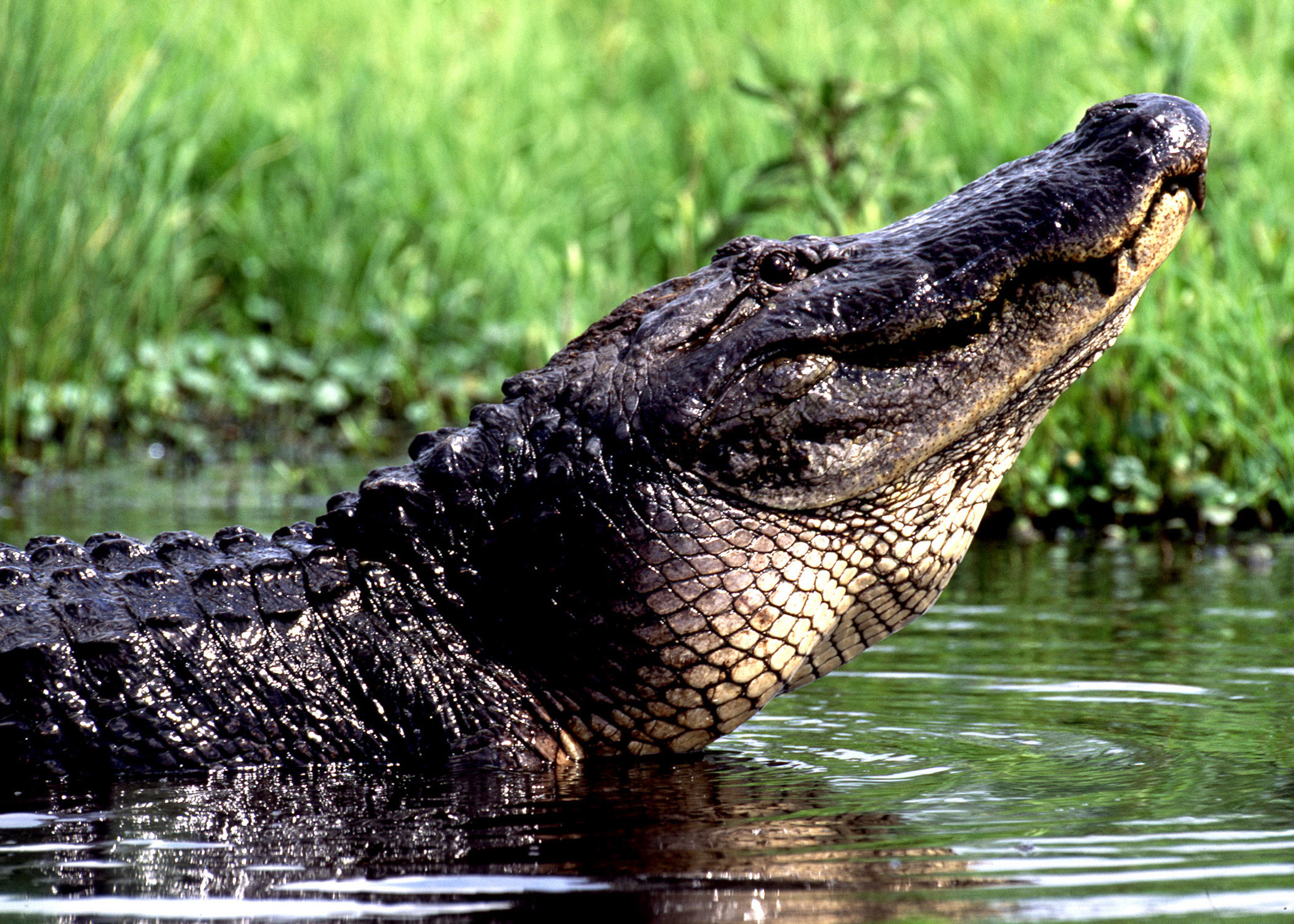
While alligator encounters are thrilling, it’s crucial to prioritize safety and ethical practices. Alligators are wild animals and should always be treated with respect and caution.
- Maintain Distance: Never approach an alligator, especially a mother with young. Always keep a safe and respectful distance.
- Do Not Feed Alligators: Feeding alligators can make them associate humans with food, leading to aggressive behavior and making them dangerous. It is illegal in Louisiana to feed wild alligators.
- Stay on Designated Paths: When in national parks or wildlife refuges, stick to marked trails and observation areas.
- Be Aware of Your Surroundings: Alligators are excellent at camouflage. Be vigilant, especially near water bodies.
- Choose Reputable Tour Operators: Select tour companies that prioritize animal welfare, adhere to safety regulations, and practice responsible tourism. Good guides will ensure a safe distance is maintained and provide educational commentary rather than encouraging risky interactions.
By following these guidelines, visitors can enjoy unforgettable alligator encounters while ensuring the well-being of both themselves and these magnificent reptiles. Responsible tourism is key to sustaining these populations and their habitats for future generations.
The Cultural and Economic Impact of Louisiana’s Alligators
The alligator’s influence extends far beyond its ecological role; it deeply permeates Louisiana’s culture and economy, shaping local traditions and contributing significantly to the state’s prosperity.
Alligators in Louisiana Cuisine and Lifestyle
Alligator meat is a staple in many Cajun and Creole kitchens, renowned for its unique, mild flavor often compared to chicken or pork. Restaurants throughout Louisiana, particularly in Lafayette, Baton Rouge, and New Orleans, feature alligator dishes like fried alligator bites, alligator sauce piquant, or grilled alligator sausage. This culinary tradition is a direct reflection of the alligator’s abundance and its integration into the local diet.
Beyond the plate, alligator hide is a prized material for leather goods, used in fashion accessories such as boots, belts, wallets, and handbags. The industry provides jobs for tanners, artisans, and retailers, contributing to the state’s economy. These products are often seen as luxury items, showcasing the unique craftsmanship of Louisiana.
Culturally, the alligator is a ubiquitous symbol. It appears in local folklore, art, and even sports mascots, embodying the wild, resilient spirit of Louisiana. Its presence is a constant reminder of the state’s deep connection to its natural, untamed landscapes.
Economic Contributions
The alligator industry, encompassing tourism, meat production, and hide sales, is a multi-million dollar enterprise in Louisiana.
- Tourism: Swamp tours, wildlife parks, and related attractions draw hundreds of thousands of visitors annually, generating substantial revenue for local businesses, guides, and accommodations. This influx of tourism supports jobs and promotes economic growth in rural areas.
- Commercial Harvest: The wild alligator harvest, regulated by the LDWF, allows licensed trappers to sustainably harvest a specific quota of alligators each year. This provides income for trappers and contributes to the supply chain for meat and hides.
- Alligator Farming and Ranching: These operations represent a significant agricultural sector, providing consistent supplies of alligator products to domestic and international markets. The ranching program, in particular, is a sustainable model that actively contributes to the wild population’s health by releasing juvenile alligators.
This intertwined relationship between conservation, culture, and commerce highlights a uniquely Louisianan approach to wildlife management, proving that economic development and ecological preservation can coexist and even mutually reinforce each other.
Conservation Challenges and Future Outlook
Despite the remarkable success, ongoing challenges persist. Habitat loss due to coastal erosion and human development, as well as the potential impacts of climate change, pose long-term threats to alligator populations. The LDWF and various conservation organizations continue to monitor populations, manage habitats, and conduct research to ensure the alligator’s future remains secure.
The balance between economic utilization and ecological preservation is a delicate one, but Louisiana’s history with the alligator demonstrates a strong commitment to sustainable practices. The future outlook for American alligators in the state remains positive, thanks to a robust framework of management, public awareness, and the intrinsic value placed on these fascinating reptiles.
Planning Your Louisiana Alligator Adventure: Tips for Travelers
Embarking on an alligator adventure in Louisiana is an unforgettable experience. To make the most of your trip, consider these practical tips for planning your visit.
Best Time to Visit
The best time to see alligators in Louisiana is during the warmer months, roughly from late spring to early fall (April to October). Alligators are cold-blooded and become more active as temperatures rise. During these months, they are frequently seen basking in the sun, swimming, and hunting. The heat makes them more visible and engaging.
Conversely, during the cooler winter months (November to March), alligators are less active. They may enter a state of brumation, a reptilian equivalent of hibernation, where they become lethargic and less likely to be seen. While you might still spot them on a particularly sunny winter day, your chances are significantly higher in spring and summer. Be aware that summer in Louisiana can be very hot and humid, so prepare accordingly with light clothing, hats, and plenty of water.
Accommodation Options for Nature Enthusiasts
Louisiana offers a diverse range of accommodation options, catering to every style of traveler, whether you’re seeking luxury in the city or a rustic retreat near the wetlands.
- Hotels in Urban Centers: If your primary base is New Orleans, you can choose from historic boutique hotels in the French Quarter like Hotel Monteleone or grand establishments such as The Roosevelt New Orleans, A Waldorf Astoria Hotel. From here, day trips to the swamps are easily arranged. Similarly, Baton Rouge and Lafayette offer a variety of hotels and resorts with comfortable amenities.
- Swamp Lodges and Cabins: For a truly immersive experience, consider staying at a lodge or cabin located closer to the bayous. These accommodations often provide a tranquil escape, with easy access to swamp tours and nature trails. Some even offer guided fishing or birdwatching excursions.
- Bed and Breakfasts: Charming bed and breakfasts are scattered throughout the state, offering personalized service and a taste of Southern hospitality. Many are located in historic homes, providing a unique cultural experience alongside proximity to natural attractions.
When choosing accommodation, consider its proximity to the specific alligator viewing opportunities you plan to pursue. Many tour operators offer transportation from major hotels, but staying closer to the action can enhance your overall experience.

Beyond Alligators: Other Louisiana Attractions
While alligators are undoubtedly a highlight, Louisiana boasts a wealth of other attractions that make it a premier travel destination.
- Culinary Delights: Immerse yourself in the state’s legendary food scene, from spicy gumbo and jambalaya to fresh seafood and delicious beignets. Food tours in New Orleans or Lafayette offer a fantastic way to sample local flavors.
- Music and Festivals: Experience the birthplace of jazz in New Orleans and dance to zydeco in Cajun Country. The state hosts numerous festivals throughout the year, including the world-famous Mardi Gras.
- Historic Plantations and Architecture: Explore the grand antebellum plantations along the Mississippi River or marvel at the distinctive architecture of the French Quarter and Garden District in New Orleans.
- Outdoor Activities: Beyond alligator tours, enjoy fishing, birdwatching, hiking, and kayaking in the state’s numerous parks and wildlife areas.
Combining an alligator adventure with these diverse cultural, historical, and culinary experiences ensures a comprehensive and enriching journey through the heart of Louisiana.
In conclusion, the question “How many alligators in Louisiana?” reveals not just a number, but a fascinating narrative of ecological recovery, cultural integration, and economic vitality. With millions of alligators thriving in its wild wetlands and many more contributing to its unique industries, Louisiana truly is the alligator capital. A visit to this enchanting state offers not just the chance to witness these ancient reptiles but also an opportunity to connect with a living landscape that is as wild and captivating as the alligators themselves. Embrace the adventure, respect the wildlife, and allow the timeless charm of Louisiana to unfold around you.
LifeOutOfTheBox is a participant in the Amazon Services LLC Associates Program, an affiliate advertising program designed to provide a means for sites to earn advertising fees by advertising and linking to Amazon.com. Amazon, the Amazon logo, AmazonSupply, and the AmazonSupply logo are trademarks of Amazon.com, Inc. or its affiliates. As an Amazon Associate we earn affiliate commissions from qualifying purchases.