
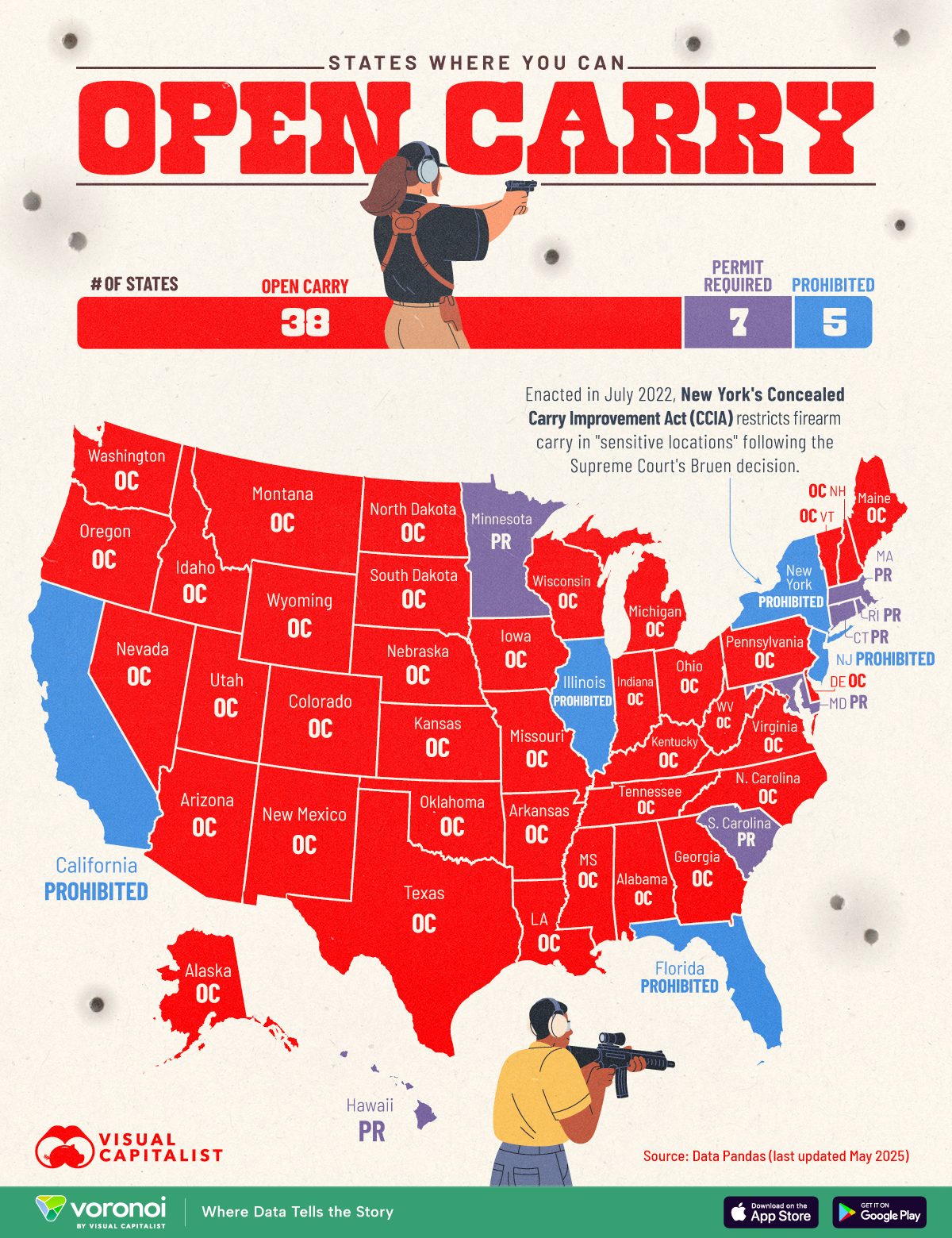
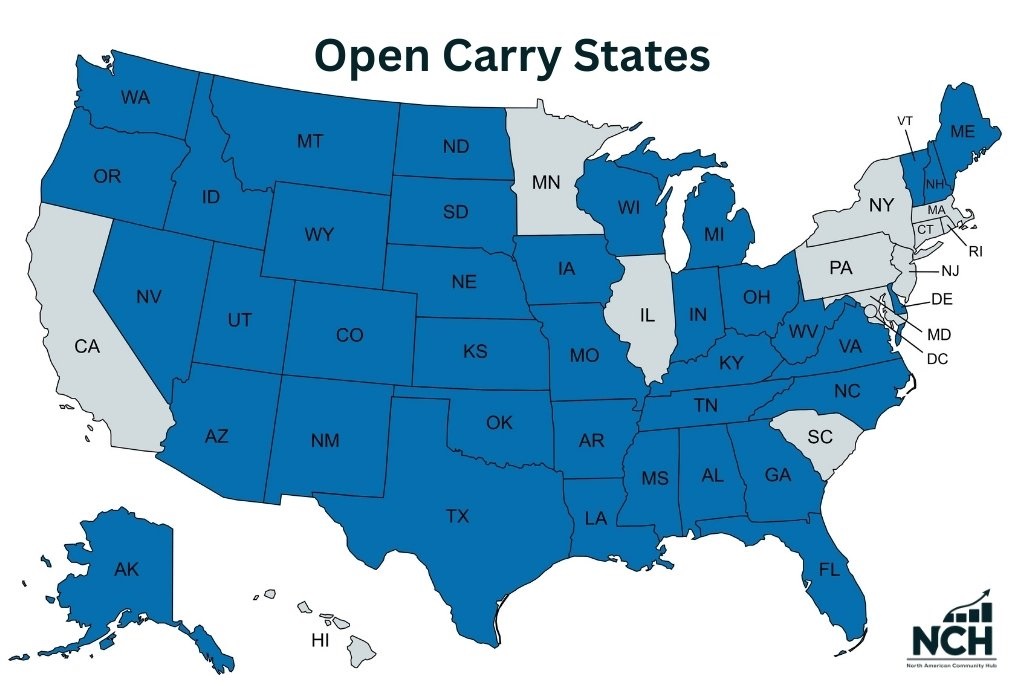
Planning a trip to the vibrant and culturally rich state of Louisiana involves considering many factors, from the best destinations and attractions to accommodation options and local lifestyle. For some travelers, particularly those who lawfully carry firearms in their home states, understanding Louisiana’s gun laws, especially concerning open carry, is a critical piece of information. The answer to whether Louisiana is an open carry state is yes, generally. However, like most states, there are nuances, specific regulations, and prohibited locations that every visitor and resident should be aware of. This comprehensive guide aims to shed light on Louisiana’s open carry laws within the broader context of travel and tourism, ensuring you can enjoy your experiences in the Bayou State responsibly and in compliance with local regulations.
Louisiana is renowned for its unique blend of French, African, and American cultures, exemplified in its delicious cuisine, soulful music, and historic architecture. From the bustling streets of New Orleans and the political hub of Baton Rouge to the serene bayous of Cajun Country, the state offers a myriad of memorable experiences. For those interested in open carry, navigating these varied environments requires a clear understanding of the law to avoid any unintended legal issues. Our goal is to provide a clear, concise overview, allowing you to focus on the incredible destinations and cultural attractions Louisiana has to offer.
Understanding Louisiana’s Firearm Laws for Travelers
For visitors to Louisiana, particularly those unfamiliar with the state’s specific statutes, understanding the fundamentals of firearm laws is paramount. The state distinguishes between open carry and concealed carry, each with its own set of rules and requirements. Knowing these distinctions is the first step toward responsible gun ownership while enjoying your trip.
The Basics: Open Carry and Concealed Carry in Louisiana
Louisiana is largely an “open carry” state, meaning that individuals who are legally allowed to possess a firearm can generally carry it openly in public without a specific permit. This applies to both handguns and long guns. To openly carry a firearm in Louisiana, an individual must be at least 18 years old and not prohibited from possessing a firearm under state or federal law. Prohibiting factors include felony convictions, domestic violence convictions, certain mental health adjudications, and being subject to a restraining order.
However, the laws surrounding concealed carry are different. To carry a handgun concealed (meaning it is not visible to others), an individual must possess a valid concealed handgun permit (CHP), also sometimes referred to as a concealed carry permit (CCP) or license to carry (LTC). Louisiana issues these permits to eligible residents who are at least 21 years old and have completed a state-approved firearms training course. This course typically covers firearm safety, responsible gun handling, marksmanship, and a review of state and federal gun laws. Non-residents may be able to carry concealed if their state’s permit is recognized by Louisiana through reciprocity agreements, which we will delve into further below.
The key takeaway for travelers is this: if you intend to openly carry a firearm, ensure you meet the basic eligibility requirements (age, no prohibiting factors). If you plan to carry concealed, you will need a valid Louisiana permit or a recognized out-of-state permit. Always remember that possessing a firearm in Louisiana carries the responsibility of knowing and adhering to all applicable laws.
Eligibility and Permit Requirements
Beyond the general age and prohibition factors, specific requirements for obtaining a concealed handgun permit in Louisiana are stringent. Applicants must be a U.S. citizen or a permanent resident alien, a resident of Louisiana for at least six months (or have a valid out-of-state permit for non-residents seeking reciprocity), and pass a comprehensive background check. This background check examines criminal history, mental health records, and any history of substance abuse. Additionally, applicants must demonstrate competence with a handgun by completing an approved firearms safety course. This course is crucial as it educates individuals on the legal ramifications of using a firearm, safe storage, and responsible carrying practices.
For many visitors, the immediate concern is not obtaining a Louisiana permit, but rather understanding if their existing out-of-state permit is valid. Louisiana has reciprocity agreements with numerous other states, allowing their permit holders to carry concealed within Louisiana’s borders. However, it is always recommended to verify the current reciprocity status before your travel, as these agreements can change. The Louisiana State Police website is the official source for up-to-date information on reciprocity.
Key Regulations and Restrictions: Where You Can and Cannot Carry
While Louisiana generally permits open carry, and concealed carry with a permit, there are specific locations and circumstances where carrying firearms is explicitly prohibited, regardless of whether you have a permit. These restrictions are critical for travelers to understand, as many prohibited areas are common tourist attractions or public spaces.
Prohibited Locations: Protecting Public Spaces and Attractions
Louisiana law designates several categories of locations as “gun-free zones.” Carrying a firearm, whether openly or concealed, in these areas can lead to serious legal consequences. These prohibited locations include, but are not limited to:
- Schools and Universities: This includes elementary and secondary schools, colleges, and university campuses. This is a common federal and state restriction.
- Churches and Places of Worship: Unless authorized by the church’s governing body, firearms are generally prohibited.
- Courthouses and Polling Places: These are typically considered sensitive government areas.
- Government Buildings: State and local government buildings, including the Louisiana State Capitol in Baton Rouge, are often off-limits.
- Parade Routes and Festivals: During major events like Mardi Gras in New Orleans or the Jazz Fest, specific ordinances or temporary restrictions may be put in place, prohibiting firearms along designated routes or festival grounds. This is a significant consideration for anyone planning to experience Louisiana’s famed cultural tourism.
- Casinos: Gaming establishments often prohibit firearms, typically posting clear signage.
- Prisons and Jails: Penal institutions are strictly gun-free.
- Private Businesses with Posted Signage: Many private businesses, restaurants, bars, and hotels may choose to prohibit firearms on their premises by posting conspicuous signage. It is crucial to respect these private property rights. When booking accommodation or visiting a specific venue, it’s wise to check their policies if carrying a firearm is a concern for you.
When exploring Louisiana’s iconic landmarks such as the French Quarter or Jackson Square in New Orleans, visiting National Parks or state parks, or attending local festivals, always be mindful of these restrictions. Even if a specific area isn’t explicitly listed, discretion and checking for signage are always recommended.
Rules for Vehicles and Accommodation
Carrying firearms in vehicles within Louisiana also has specific rules. Generally, a person who is not prohibited from possessing a firearm may transport it openly in a vehicle. For concealed transport, a permit is typically required. However, there are exceptions; for instance, a firearm may be concealed in a vehicle if it is secured in an enclosed container, console, or glove box, or if it is unloaded. It is vital to consult the specific statutes for the most accurate interpretation, as nuances exist regarding accessibility and readiness.
Regarding accommodation such as hotels, resorts, suites, or apartments rented for your stay, the general rule is that private property owners can establish their own rules regarding firearms. While Louisiana law doesn’t broadly prohibit firearms in hotels, individual establishments may have policies against them. Many hotels or villas will have clear signage if firearms are prohibited. If you are staying at an accommodation that does not allow firearms, you must respect their policy. Secure storage of firearms, especially when children might be present, is always a critical safety consideration regardless of the specific rules of your accommodation. Travelers should include checking firearm policies in their routine when considering different hotels or resorts for their booking.
Federal vs. State Laws: A Traveler’s Guide
When traveling, it’s crucial to understand that both federal and state laws apply, and sometimes they overlap or even supersede each other. For example, federal law prohibits firearms in certain federal buildings, post offices, and airports (beyond TSA checkpoints). The Gun-Free School Zones Act is a federal law that prohibits carrying firearms within 1,000 feet of a school, with exceptions for licensed individuals and private property.
For travelers, this means that even if Louisiana state law allows open or concealed carry in a particular area, a federal law might prohibit it. This is particularly relevant when visiting federal landmarks or National Parks within Louisiana. While National Parks generally defer to state law regarding carrying firearms, specific park regulations or facilities (like visitor centers) may have their own restrictions. Always check the specific rules of any federal property or landmark you plan to visit.
Navigating Louisiana with Firearms: Practical Advice for Visitors
For those who choose to travel with firearms, careful planning and adherence to legal requirements are essential. The dynamic nature of travel requires extra diligence to ensure compliance with laws, both your home state’s and Louisiana’s.
Reciprocity Agreements: Carrying from Out-of-State
As mentioned earlier, Louisiana honors concealed handgun permits from many other states through reciprocity agreements. This means if you hold a valid concealed carry permit from a state with which Louisiana has an agreement, you can legally carry a concealed handgun in Louisiana as if you held a Louisiana permit. However, it is vital to remember that when carrying under reciprocity, you are typically bound by Louisiana’s laws and restrictions, not necessarily those of your home state. This means all the prohibited locations and rules discussed above still apply to you.
Before embarking on your travel to Louisiana, it is imperative to verify the current reciprocity status for your specific state’s permit. Official state police websites are the most reliable source for this information. Do not rely on outdated information or third-party sites without cross-referencing. This diligence is a cornerstone of responsible travel with firearms.
Safe and Responsible Gun Ownership while Traveling
Beyond legal compliance, responsible gun ownership involves a commitment to safety, especially when traveling. If you are bringing a firearm to Louisiana:
- Secure Storage: Always store firearms safely, especially when not on your person. This means using a locked safe or case, particularly in your vehicle or accommodation. This is crucial for preventing theft and accidental access by unauthorized individuals, especially children. Many hotels or resorts offer in-room safes, but it’s best to use a purpose-built gun safe for optimal security.
- Transportation: When traveling by air, federal regulations dictate how firearms must be transported (unloaded, in a locked, hard-sided container, declared to the airline). If traveling by car, ensure firearms are stored appropriately and in compliance with state laws regarding transport.
- Alcohol and Firearms: Louisiana has a vibrant bar and restaurant scene. It is illegal to carry a concealed firearm while under the influence of alcohol or drugs. Even for open carry where a permit isn’t required, exercising extreme caution and avoiding consumption of intoxicating substances while carrying is a fundamental aspect of responsible gun ownership.
- Awareness: Be aware of your surroundings and avoid drawing unnecessary attention to your firearm. The goal is responsible, legal carry, not to create alarm.
By prioritizing safety and responsibility, you contribute to a positive experience for yourself and others enjoying Louisiana’s charm.
Legal Consequences and Staying Informed
Violating firearm laws in Louisiana can result in severe penalties, ranging from substantial fines to imprisonment, loss of your firearm, and the permanent revocation of your concealed carry permit. The legal system can be complex, and ignorance of the law is generally not a valid defense.
Given the potential legal repercussions, staying informed is paramount. Before and during your visit, always refer to the official resources provided by the Louisiana State Police and reputable legal guides specializing in firearm law. While this article provides a general overview, it is not a substitute for legal advice. If you have specific questions or concerns about your particular situation, consult with a qualified attorney knowledgeable in Louisiana firearm law. This proactive approach ensures your travel is smooth and compliant with all regulations.
Beyond Gun Laws: Ensuring a Safe and Enjoyable Louisiana Experience
While understanding firearm laws is essential for a segment of travelers, the overarching goal of any trip to Louisiana is to create lasting memories through its unique culture and captivating attractions. The state offers an abundance of experiences that appeal to every type of traveler.
Louisiana’s Unique Culture and Attractions
Louisiana truly stands out among U.S. states for its distinctive heritage. New Orleans, with its iconic French Quarter, vibrant live music scene, and delicious Creole and Cajun cuisine, is often the first thought when considering Louisiana. Here, you can explore historic landmarks like Jackson Square, ride the St. Charles Avenue streetcar through the picturesque Garden District, or visit the Aquarium of the Americas. Beyond the Crescent City, Baton Rouge offers historical depth, while Lafayette serves as the heart of Cajun Country, inviting visitors to experience authentic Zydeco music and savory Gumbo. Other prominent destinations like Shreveport, Lake Charles, Monroe, and Alexandria each offer their own local flavor and charm, from riverboat casinos to natural beauty around the Mississippi River and Lake Pontchartrain.
For nature enthusiasts, swamp tours in areas like the Honey Island Swamp provide glimpses of alligators and exotic birds. History buffs can visit impressive antebellum plantations or explore the ancient Poverty Point World Heritage Site. No matter your interest, Louisiana’s rich tapestry of attractions promises an unforgettable journey.

Planning Your Trip: Hotels, Accommodation, and Travel Tips
Effective travel planning goes a long way in ensuring a smooth and enjoyable trip. When considering your accommodation in Louisiana, you have a wide array of options, from luxury travel resorts and boutique hotels in New Orleans to cozy bed-and-breakfasts in smaller towns or convenient apartments for long-term stay. Our platform offers extensive reviews and comparison tools to help you find the perfect place to stay, whether it’s for family trips, a romantic getaway, or business stays. Consider your budget and desired amenities when making your booking decisions.
Beyond hotels and accommodation, remember to:
- Book in Advance: Especially during peak seasons like Mardi Gras or Jazz Fest, popular destinations fill up quickly.
- Explore Local Cuisine: Louisiana is a food lover’s paradise. Don’t miss out on trying local specialties.
- Utilize Travel Guides: Consult comprehensive travel guides for insider tips, hidden gems, and practical advice on navigating the state.
- Stay Hydrated: Especially during the warm summer months, Louisiana’s humidity can be intense.
- Embrace the Culture: Louisiana is known for its hospitality and vibrant local culture. Engage with locals, listen to the music, and immerse yourself in the unique atmosphere.
By thoroughly preparing for your trip, including understanding the specific firearm laws if applicable to your travel plans, you can ensure a safe, enjoyable, and enriching experience in the truly captivating state of Louisiana.
LifeOutOfTheBox is a participant in the Amazon Services LLC Associates Program, an affiliate advertising program designed to provide a means for sites to earn advertising fees by advertising and linking to Amazon.com. Amazon, the Amazon logo, AmazonSupply, and the AmazonSupply logo are trademarks of Amazon.com, Inc. or its affiliates. As an Amazon Associate we earn affiliate commissions from qualifying purchases.