
Beneath the warm embrace of the Southern sun, where history whispers through ancient oak trees and vibrant cultures intertwine, lies the enchanting state of Louisiana. This unique corner of the United States, often affectionately known as the Pelican State, boasts a rich tapestry of sights, sounds, and tastes that captivate travelers from across the globe. From the pulsating rhythms of New Orleans to the serene beauty of its bayous, Louisiana offers an experience unlike any other. And at the heart of its natural charm and enduring symbolism stands its official state flower: the magnificent Magnolia (Magnolia grandiflora).
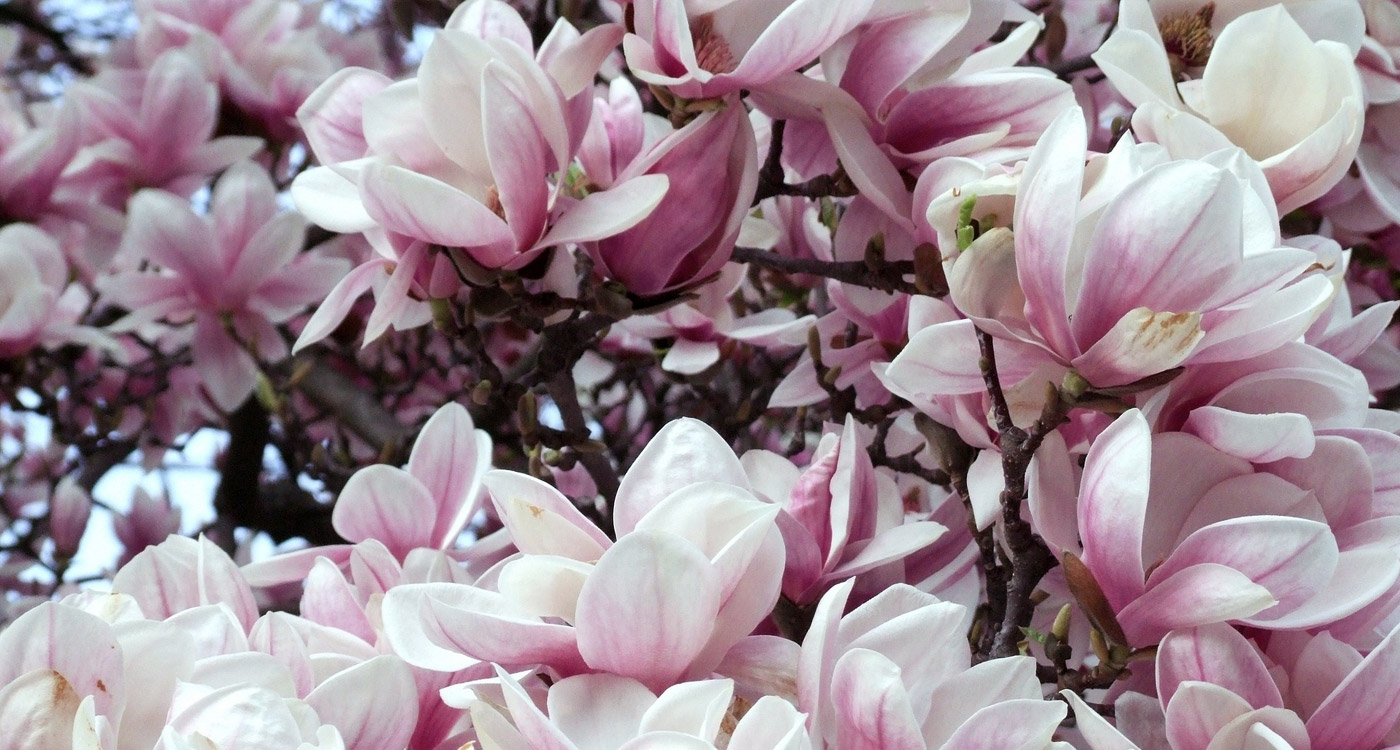
This iconic bloom, with its creamy white petals and intoxicating fragrance, is more than just a beautiful plant; it’s a profound emblem of the state’s grace, resilience, and timeless elegance. For visitors planning a trip to Louisiana, understanding the significance of the Magnolia provides a deeper appreciation for the local culture, the stunning natural landscapes, and the historical narratives woven into the very fabric of this remarkable destination. As you explore the grand plantations, stroll through historic city streets, or venture into lush gardens, the presence of the Magnolia will serve as a constant, fragrant reminder of Louisiana’s distinctive identity.
The Enduring Charm of the Magnolia Grandiflora
The choice of the Magnolia as Louisiana’s state flower in 1900 was a decision deeply rooted in both aesthetic appeal and cultural relevance. This majestic tree, native to the southeastern United States, thrives in the humid subtropical climate of Louisiana, making it a ubiquitous and beloved sight across the state. Its grand scale and striking beauty perfectly embody the Southern charm and hospitality that Louisiana is renowned for.
A Symbol Rooted in History and Beauty
The Magnolia is not merely a decorative plant; it’s a living piece of Louisiana’s heritage. Its presence graces the grounds of countless historic homes and plantations, often outliving the generations who planted them. The trees stand as silent witnesses to centuries of history, their glossy leaves and fragrant blooms evoking a sense of timelessness and continuity. They symbolize purity, dignity, and a love of nature, values that resonate deeply within the communities of Louisiana. The flower’s large, waxy petals are often associated with Southern belles and romantic literature, further cementing its place in the romanticized image of the South.
Furthermore, the Magnolia played an important role in the early botanical exploration of the Americas. Its unique characteristics and ornamental value quickly made it a prized species, both domestically and internationally. For many residents, the sight and scent of the Magnolia herald the arrival of summer, filling the air with a sweet, lemony perfume that is instantly recognizable and deeply nostalgic. This connection to seasons, sensory experience, and historical landscapes makes the Magnolia an intrinsic part of the Louisiana experience.
Botanical Profile and Where to Admire Them
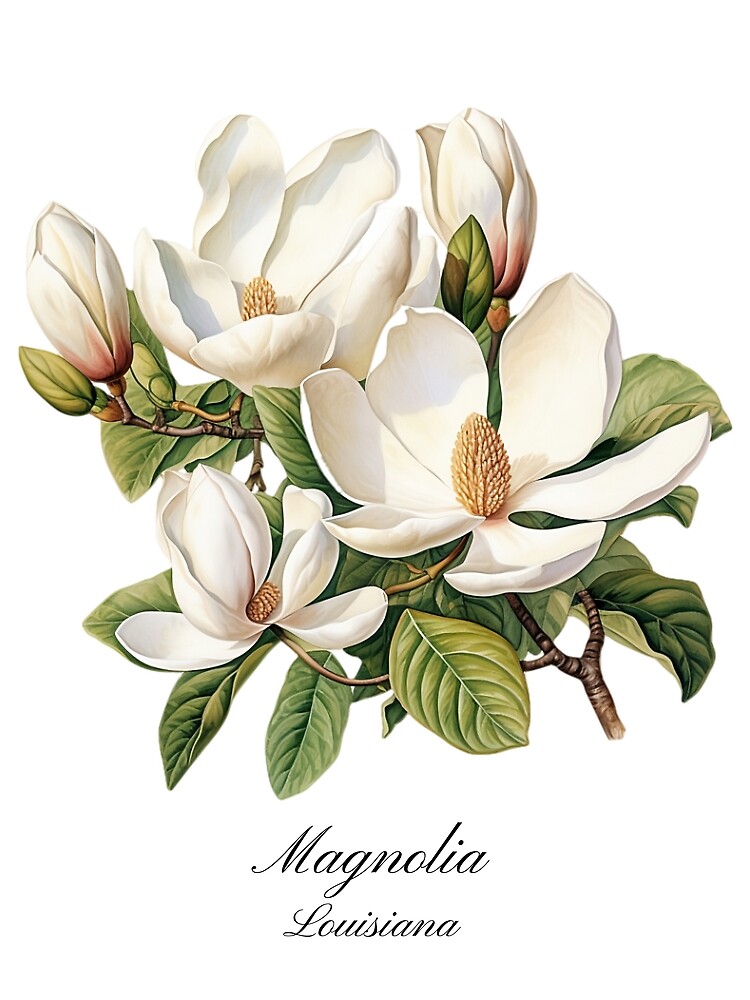
The Magnolia grandiflora, commonly known as the Southern Magnolia or Bull Bay, is characterized by its large, leathery evergreen leaves that are dark green and glossy on top, with a reddish-brown, fuzzy underside. The flowers themselves are truly spectacular, reaching up to 8-12 inches in diameter. They are pure white, cup-shaped, and emit a powerful, sweet fragrance that can carry a significant distance. While primarily blooming in late spring and summer, some trees can have sporadic blooms throughout the year, especially in Louisiana’s mild climate.
For travelers keen to admire these botanical beauties, Louisiana offers numerous opportunities. Many public parks and gardens feature mature Magnolia trees. In New Orleans, places like Audubon Park and the New Orleans Botanical Garden within City Park are excellent spots. The Longue Vue House and Gardens, a historic estate in New Orleans, also offers a chance to see them in a beautifully curated setting alongside other indigenous flora. Beyond formal gardens, simply driving through historic neighborhoods or visiting any of the state’s famous plantations will reveal countless specimens, their white blooms standing out against the lush green foliage. Observing these trees in their natural splendor provides a tranquil counterpoint to the vibrant energy of the state’s urban centers, offering a moment of quiet contemplation and appreciation for Louisiana’s natural gifts.
Beyond the Bloom: Exploring Louisiana’s Rich Tapestry
While the Magnolia offers a beautiful introduction to Louisiana’s essence, the state itself is a treasure trove of cultural experiences, historical landmarks, and natural wonders. Travelers seeking a truly immersive journey will find endless opportunities for adventure, culinary delights, and soulful encounters.
The Vibrant Heart of New Orleans
No discussion of Louisiana is complete without delving into the unparalleled charm of New Orleans. This iconic city, known as the birthplace of jazz, is a symphony of sights, sounds, and tastes. Its historic districts, such as the renowned French Quarter, are a labyrinth of colorful Creole townhouses with wrought-iron balconies, bustling markets, and lively music clubs. Here, you can wander through Jackson Square, admire the majestic St. Louis Cathedral, or delve into the unique history of Voodoo and spiritualism. A visit to Café Du Monde for a taste of its famous beignets and chicory coffee is practically a rite of passage.
Beyond the French Quarter, the elegant Garden District showcases antebellum mansions framed by ancient oaks and, of course, magnificent Magnolia trees. A ride on the historic streetcar offers a charming way to soak in the atmosphere. The city also hosts world-famous festivals, most notably Mardi Gras, but also the New Orleans Jazz & Heritage Festival, offering a continuous calendar of cultural celebrations. For those interested in history, the National World War II Museum provides a profound and moving experience. Whether it’s the soulful strains of a jazz band on Bourbon Street, the delectable flavors of Creole cuisine, or the fascinating stories etched into every corner, New Orleans truly is a destination for the senses.
Historic Plantations and Southern Grandeur
Venturing outside of New Orleans offers a glimpse into Louisiana’s plantation country, where grand estates tell complex stories of the past. These historic landmarks, often nestled along the mighty Mississippi River, are architectural marvels surrounded by sprawling gardens and avenues of ancient oak trees, under which Magnolia trees often flourish.
Oak Alley Plantation, famous for its breathtaking canopy of 28 evenly spaced live oaks, offers a quintessential Southern image. Visitors can tour the mansion, learn about its history, and stroll through the picturesque grounds. Laura Plantation provides a different, equally compelling narrative, focusing on the lives of its Creole owners and the enslaved people who worked there, offering a more nuanced and personal historical perspective. Other notable sites like Destrehan Plantation and Houmas House Estate and Gardens offer further insights into the rich, often challenging, history of the region. These sites not only showcase impressive architecture and meticulously maintained landscapes but also provide crucial educational experiences about the economic, social, and human aspects of the antebellum South.
Cajun Country and the Bayou Experience
Beyond the vibrant city life and historical plantations, Louisiana offers the enchanting world of Cajun Country. Centered around cities like Lafayette, this region is a bastion of unique culture, language, and, most famously, cuisine. Here, life moves to a different rhythm, deeply connected to the bayous and swamps that define the landscape.
A highlight of visiting Cajun Country is embarking on a swamp tour, where experienced guides navigate airboats or flat-bottomed boats through dense cypress forests, offering glimpses of alligators, wading birds, and other indigenous wildlife. The Atchafalaya Basin, the largest wetland and swamp in the United States, is a prime location for such adventures. Food is central to the Cajun experience, with hearty dishes like gumbo, jambalaya, and étouffée dominating menus. Visitors can also explore sites like Tabasco’s Avery Island production facility or immerse themselves in local music at a traditional fais do-do (dance party). This region offers a ruggedly beautiful contrast to the elegance of the Magnolia, showcasing another vital facet of Louisiana’s diverse identity.
Planning Your Louisiana Journey: Accommodation and Lifestyle
Whether you’re drawn by the allure of the Magnolia, the vibrant culture of New Orleans, or the serene beauty of the bayous, planning your trip to Louisiana involves considering the diverse accommodation options and embracing the unique lifestyle that defines the state.
Diverse Stays for Every Traveler
Louisiana caters to a wide array of lodging preferences, from opulent luxury hotels to charming boutique inns and budget-friendly stays. In New Orleans, the selection is particularly rich. For those seeking unparalleled luxury and historic grandeur, options like The Roosevelt New Orleans, A Fairmont Hotel, known for its opulent Sazerac Bar and grand lobby, or the iconic Hotel Monteleone with its famous Carousel Bar, offer an exquisite experience. Boutique hotels, such as The Eliza Jane or the Windsor Court Hotel, provide personalized service and unique aesthetics, often housed in beautifully restored historic buildings. For a more authentic, local feel, consider booking a charming guesthouse or bed and breakfast in the Garden District or Faubourg Marigny.
In the state capital of Baton Rouge, travelers can find well-appointed hotels like the Hilton Baton Rouge Capitol Center, offering comfortable stays near attractions like the Old State Capitol and Louisiana State University. Cities like Shreveport and Lake Charles also provide a range of accommodations, including resorts and casinos, catering to different travel styles and budgets. Whether you’re looking for a romantic getaway, a family-friendly resort with amenities, or a cozy apartment for a long-term stay, Louisiana’s accommodation landscape ensures comfort and convenience, allowing you to immerse fully in the destination’s offerings. Booking in advance, especially during peak season or major festivals like Mardi Gras, is always recommended to secure the best options and rates.
Embracing the Louisiana Lifestyle
To truly experience Louisiana is to embrace its distinctive lifestyle, which celebrates food, music, and community. This isn’t just a place to visit; it’s a culture to absorb. Food is undoubtedly a highlight, with Creole and Cajun cuisines offering a delicious fusion of French, Spanish, African, and Native American influences. From fine dining in New Orleans to humble roadside stands in Cajun Country, every meal is an event. Don’t miss out on trying local specialties like crawfish boils, po’boys, and king cake.
Music is the heartbeat of Louisiana, with jazz, blues, zydeco, and swamp pop forming the soundtrack of daily life. Catch a live performance in a historic club, enjoy street musicians in the French Quarter, or attend a local festival to feel the infectious rhythms. The state’s laid-back yet spirited approach to life encourages visitors to slow down, savor the moments, and connect with locals. Family trips can be enriched by exploring wildlife, visiting children’s museums, or enjoying outdoor activities. For budget travelers, exploring free attractions like parks and street performances, alongside enjoying affordable local eateries, can provide an authentic and enriching experience without breaking the bank. Whether you’re seeking luxury travel or an economical adventure, the underlying thread of genuine Southern hospitality will make your Louisiana journey unforgettable.

The Magnolia’s Lasting Legacy in the Pelican State
The Magnolia, with its majestic beauty and pervasive fragrance, serves as a powerful symbol for the state of Louisiana itself. It embodies the grace, resilience, and deep-rooted heritage that define the Pelican State. From the historical grandeur of its plantations to the vibrant, soulful streets of New Orleans and the rustic charm of Cajun Country, the spirit of Louisiana is as enduring and captivating as its state flower.
Visiting Louisiana is an invitation to explore a multifaceted destination where history, culture, and nature converge. It’s a journey filled with unforgettable experiences, delicious culinary adventures, and encounters with genuinely warm and hospitable people. As you walk beneath the shade of ancient oaks, admire the architecture of historic buildings, or simply breathe in the fragrant air, remember the Magnolia – a testament to the timeless allure and enduring beauty of Louisiana, beckoning you to discover its many wonders.
LifeOutOfTheBox is a participant in the Amazon Services LLC Associates Program, an affiliate advertising program designed to provide a means for sites to earn advertising fees by advertising and linking to Amazon.com. Amazon, the Amazon logo, AmazonSupply, and the AmazonSupply logo are trademarks of Amazon.com, Inc. or its affiliates. As an Amazon Associate we earn affiliate commissions from qualifying purchases.