
Beyond the captivating allure of its vibrant cities, the soulful strains of its unique music, and the intoxicating aromas of its world-renowned cuisine, Louisiana offers a travel experience deeply rooted in its people. While numbers often define a state’s demographic profile, for the discerning traveler, Louisiana’s population tells a far richer story – one of cultural resilience, diverse heritage, and an unwavering spirit that permeates every landmark, every festival, and every welcoming smile. Understanding who lives in Louisiana, where they reside, and how their history intertwines with the present is key to unlocking the true essence of this extraordinary destination. It’s not just about the headcount; it’s about the heart and soul that makes Louisiana an unforgettable journey.
Unpacking Louisiana’s Demographic Landscape
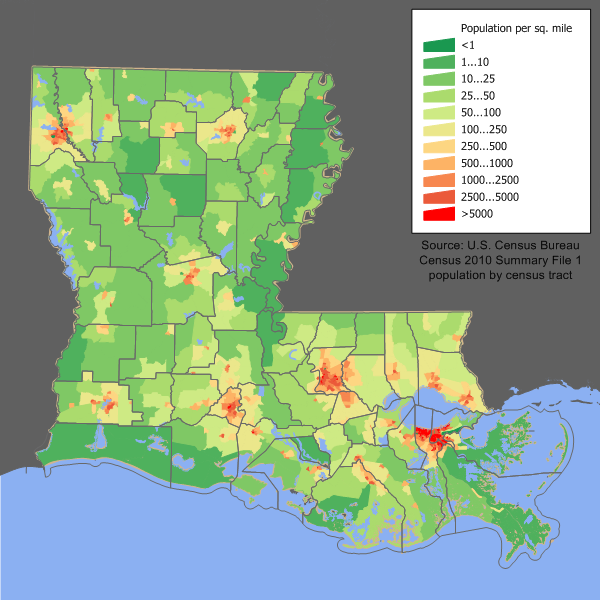
The population of Louisiana is more than a mere statistic; it’s a living testament to centuries of migration, cultural fusion, and historical events that have sculpted a truly unique American state. For those planning a trip, understanding the demographic landscape provides invaluable context for the experiences that await. From bustling urban centers to serene bayou communities, the distribution and composition of its residents directly influence the travel itineraries, the types of accommodation available, and the authentic interactions visitors can expect.
The Current Count and Recent Trends
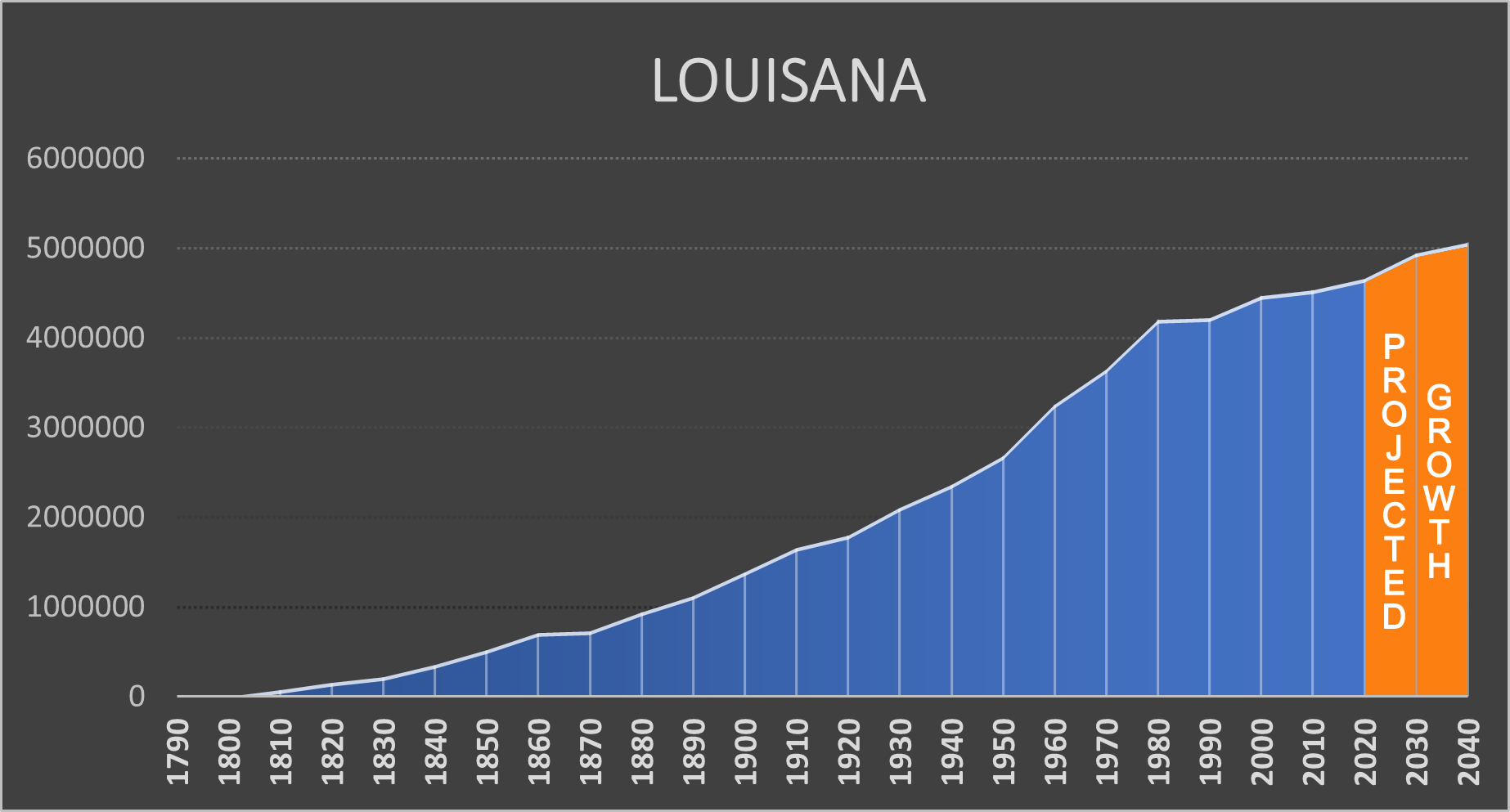
As of recent estimates, the population of Louisiana hovers around 4.57 million people. This figure, while significant, has seen its share of fluctuations over the decades. Historical events, natural disasters, and economic shifts have all played a role in shaping where Louisianans live and how their communities have grown or contracted. For instance, the devastating impact of Hurricane Katrina in 2005 caused a significant exodus from New Orleans and surrounding parishes, permanently altering the demographic map of the state. While many returned, the disaster underscored the transient nature of populations and their profound connection to geography and environmental factors.
Post-Katrina, Louisiana has seen a slow but steady recovery and redistribution of its residents. Areas like Baton Rouge and Lafayette experienced periods of rapid growth as displaced residents sought new homes and opportunities. This dynamic population shift has implications for the travel sector: new infrastructure, hotels, and tourism offerings have emerged to cater to both new residents and an ever-present influx of visitors. Understanding these trends helps travelers anticipate the vibrancy of certain areas or the serene tranquility of others, guiding their choices in destinations and accommodation. Whether you’re seeking the lively bustle of a major city or the quiet charm of a small town, Louisiana’s varied population density caters to a spectrum of preferences, influencing everything from hotel availability to the local restaurant scene.
A Mosaic of Cultures: How Demographics Shape Louisiana’s Soul
What truly sets Louisiana apart is not just the number of people, but the incredible tapestry of cultures that comprise its population. This rich demographic mosaic is the bedrock of the state’s unparalleled cultural identity, directly translating into the unique travel experiences that draw millions of visitors annually. The most prominent cultural groups include descendants of French colonists, known as Cajuns, who settled in the southwest part of the state, often referred to as Cajun Country. Their legacy is evident in the distinctive Cajun French dialect, spicy cuisine, and lively Zydeco and Cajun music genres.
Further east, particularly in New Orleans and along the Mississippi River parishes, the Creole culture flourishes. Creoles are descendants of diverse ethnic groups, including French, Spanish, African, and Native American people, who created a sophisticated urban culture. This fusion is celebrated in Creole cooking, the intricate architecture of the French Quarter, and the origins of jazz music. The significant African American population has profoundly influenced the state’s music, culinary traditions, and spiritual landscape, particularly through the development of blues and gospel music. Additionally, Native American tribes, German, Irish, Italian, and Vietnamese communities have all contributed to the state’s vibrant cultural stew.
For tourists, this demographic richness translates into an array of immersive experiences. Travelers can delve into the history of the French Quarter and its Creole heritage, explore Cajun Country for authentic music and food, or visit historical plantations like Oak Alley Plantation and Laura Plantation to understand the complex narratives of its diverse past. The culture is not static; it’s a living, breathing entity perpetuated by the current population, making every interaction, every meal, and every festival a genuine encounter with Louisiana’s soul. This deep cultural foundation is why Louisiana isn’t just a place to visit; it’s a place to experience and embrace a lifestyle shaped by its people.
Population Density and Its Influence on Travel Experiences
The way Louisiana’s population is distributed profoundly shapes the type of travel experiences available to visitors. From the energetic, densely packed streets of its most famous city to the tranquil, sparsely populated stretches of its natural wetlands, understanding where people live helps travelers tailor their adventures and manage their expectations regarding everything from accommodation to local services.
Urban Hubs vs. Rural Retreats
Louisiana’s population is concentrated in several key urban centers, each offering distinct attractions and amenities. The most populous city, and undeniably its most famous, is New Orleans, with a metropolitan area home to over a million people. Here, the density of residents and tourists alike creates a buzzing atmosphere, especially in areas like the French Quarter and the Garden District. This concentration supports a vast array of hotels, from luxurious historic properties like the Roosevelt New Orleans and Hotel Monteleone to charming boutique inns and guesthouses like the Audubon Cottages. The city’s dense population also means a vibrant dining scene, abundant live music venues, and countless cultural activities are always within reach.
Other significant population centers include Baton Rouge, the state capital, which offers a blend of historical sites like the Louisiana State Capitol and a thriving university atmosphere. Shreveport in the northwest serves as a commercial and cultural hub with casino resorts and a growing arts scene. Lafayette, in the heart of Cajun Country, is a nexus for authentic Cajun culture, music, and food, offering a more laid-back urban experience. Lake Charles, positioned on the southwestern coast, is known for its petrochemical industry and popular casino resorts, attracting a different kind of visitor.
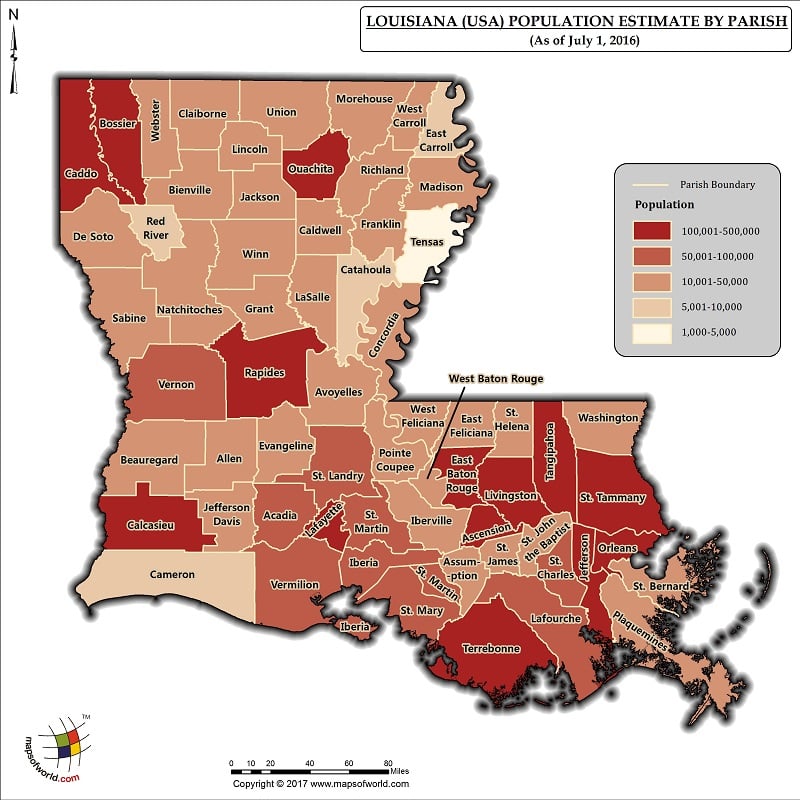
In stark contrast to these bustling cities are Louisiana’s vast rural areas, particularly the bayous, swamps, and wetlands that cover much of the state. These regions, with their sparse populations, offer a completely different kind of immersive travel. Here, visitors can find tranquility, untouched nature, and unique eco-tourism experiences like swamp tours, fishing, and birdwatching. Accommodation might shift from grand hotels to rustic cabins, cozy bed and breakfasts, or even campgrounds, offering a true escape from the urban grind. The low population density here means a heightened sense of peace and a deeper connection to the natural environment, providing an ideal retreat for those seeking solace and adventure away from crowds.
Navigating Accommodation and Amenities
The distribution of Louisiana’s population directly impacts the availability, variety, and cost of accommodation and amenities for travelers. In densely populated urban areas like New Orleans, especially during peak seasons or major events such as Mardi Gras or Jazz Fest, demand for hotels, suites, and apartments can skyrocket. Travelers in these areas will find a wide range of options, from luxury resorts with full amenities to budget-friendly hostels and vacation rentals, but advance booking is essential to secure desired lodging and avoid surge pricing. The concentration of people also supports a robust tourism infrastructure, including diverse dining options, transportation services, and a plethora of entertainment venues.
Conversely, in less populated areas like Acadiana‘s rural parishes or the scenic towns along the Gulf of Mexico, accommodation choices may be fewer but often offer a more intimate and authentic experience. Here, travelers might find charming locally owned inns, historic bed and breakfasts, or unique cabins and villas perfect for a long-term stay immersed in local culture. While modern amenities like extensive concierge services or multiple on-site restaurants might be less common, these accommodations often provide unparalleled hospitality and a deeper connection to the community.
Understanding the population distribution allows travelers to make informed decisions about their stay. If you crave vibrant nightlife and a wide selection of dining, the urban hubs are your best bet. If peace, nature, and unique cultural immersion are priorities, venturing into the less populated regions will yield rich rewards. By considering population density, visitors can align their accommodation choices and travel plans with the type of experience they seek, ensuring a comfortable and fulfilling journey through Louisiana. Online booking platforms and reviews become particularly helpful for comparing options and ensuring the chosen accommodation fits the desired travel style, whether it’s a luxury resort in a city or a quaint cottage by a bayou.
The Population’s Contribution to Louisiana’s Unique Lifestyle and Tourism Appeal
The people of Louisiana are not just inhabitants; they are the living custodians of a culture so rich and vibrant that it has become a global draw for tourism. Their traditions, their resilience, and their joyous approach to life infuse every aspect of the state’s appeal, from its world-famous festivals to its mouth-watering cuisine and its deeply rooted historical landmarks. It is the population that breathes life into Louisiana’s unique lifestyle, making it an experience rather than just a destination.
Food, Music, and Festivals: A Culinary and Cultural Journey
Perhaps nowhere is the influence of Louisiana’s diverse population more evident than in its legendary food, music, and festivals. The state’s culinary landscape is a direct reflection of its historical demographic melting pot. Creole cuisine, with its sophisticated blend of French, Spanish, African, and Caribbean influences, originated in the kitchens of New Orleans’ Creole population, giving us dishes like gumbo, jambalaya, and étouffée. Cajun cuisine, born from the ingenuity of the Acadian settlers in rural Louisiana, offers heartier, rustic flavors, utilizing fresh local ingredients from the land and water. The pride that local populations take in their food ensures an authentic and unforgettable gastronomic journey for every visitor, from upscale restaurants to roadside diners.
Similarly, Louisiana’s music scene is a direct descendant of its people. New Orleans is the birthplace of jazz, a genre that sprang from the African American community and is still performed nightly in countless clubs throughout the city. The Cajun population gave rise to Cajun and Zydeco music, filled with accordions and fiddles, making Lafayette and surrounding towns vibrant centers for these unique sounds. These musical traditions are not just relics of the past; they are actively maintained and innovated by today’s musicians, offering visitors authentic live music experiences.
The state’s festival calendar is a year-round celebration of its people and their traditions. Mardi Gras, the most famous, is a spectacular display of collective joy and elaborate planning, driven by the krewes and communities of New Orleans and other cities. The New Orleans Jazz & Heritage Festival (or Jazz Fest) is another global icon, showcasing the diverse musical talents and culinary delights of the local population. Outside of New Orleans, the Festival International de Louisiane in Lafayette celebrates the Francophone cultures that are so integral to Louisiana’s identity, attracting visitors eager to immerse themselves in dance, art, and music. These festivals are not just events; they are profound expressions of the collective spirit and heritage of Louisiana’s population.
Preserving Heritage: Landmarks and Historical Significance
The enduring presence of Louisiana’s population is also crucial in the preservation and interpretation of its many historical landmarks and cultural sites. From architectural marvels to significant historical locations, these sites tell the stories of the people who shaped the state, offering invaluable insights for travelers. The residents of Louisiana have a deep respect for their past, actively working to maintain and share the narratives embedded in their homes, public buildings, and natural landscapes.
In New Orleans, the distinct architecture of the French Quarter and Garden District stands as a testament to the city’s Creole and American residents through the centuries. These areas are not merely historical facades; they are living neighborhoods where people reside, work, and perpetuate the city’s unique charm. Beyond the aesthetic, landmarks like the National WWII Museum in New Orleans honor the sacrifices of a generation, telling a universal story through a local lens.
The many plantations scattered along the Mississippi River are another powerful example. While they represent a complex and often painful history, sites like Oak Alley Plantation and Laura Plantation are carefully preserved by the efforts of local communities and historical societies. They offer tours that educate visitors on the lives of both the plantation owners and the enslaved people, providing critical context to Louisiana’s development and its demographic evolution. The dedication of the current population to preserving these multifaceted stories ensures that future generations, both residents and tourists, can engage with the profound history that shaped this land.
Ultimately, the population of Louisiana is not just a statistical count, but the very heart of its allure as a premier travel destination. It is the living, breathing embodiment of its history, culture, and vibrant lifestyle. From the diverse faces encountered in bustling city streets to the serene communities nestled in the bayous, every person contributes to the narrative of this incredible state. When you visit Louisiana, you’re not just observing; you’re participating in a living cultural experience crafted and curated by its unique and resilient population. To truly understand Louisiana is to engage with its people, to savor their cuisine, dance to their music, and immerse yourself in the rich tapestry of traditions that they so proudly uphold. So, come explore, experience, and fall in love with the soulful spirit that makes Louisiana a destination unlike any other.
LifeOutOfTheBox is a participant in the Amazon Services LLC Associates Program, an affiliate advertising program designed to provide a means for sites to earn advertising fees by advertising and linking to Amazon.com. Amazon, the Amazon logo, AmazonSupply, and the AmazonSupply logo are trademarks of Amazon.com, Inc. or its affiliates. As an Amazon Associate we earn affiliate commissions from qualifying purchases.