
Nestled in the heart of the American South, Louisiana beckons travelers with its intoxicating blend of history, culture, and unparalleled hospitality. From the jazz-filled streets of New Orleans to the serene beauty of its Bayous and the vibrant spirit of Cajun Country, the Pelican State offers a kaleidoscope of experiences unlike anywhere else in the United States. As you plan your adventure, whether it’s indulging in world-class cuisine, exploring historic plantations, or dancing to zydeco music, one practical consideration that often comes to mind is the sales tax. Understanding Louisiana’s sales tax system is crucial for any savvy traveler or new resident, as it can significantly impact your overall budget for accommodation, dining, shopping, and entertainment.
Unlike many states, Louisiana operates with a notably complex sales tax structure, combining state-level levies with a myriad of local parish and municipal taxes. This unique layering means that the total sales tax rate can vary dramatically from one city or parish to another, sometimes even within a short drive. For visitors accustomed to a single, straightforward sales tax, this intricate system can initially seem daunting. However, with a little knowledge, you can navigate these financial waters with ease, ensuring your focus remains on soaking in the rich local culture and creating unforgettable memories. This comprehensive guide aims to demystify Louisiana’s sales tax, providing essential insights for travelers and helping you budget effectively for your extraordinary journey through this captivating state.
Navigating Louisiana’s Unique Sales Tax Landscape
Louisiana’s sales tax system stands out in the United States due to its combination of state and local rates, which can lead to significant variations across different regions. Understanding these components is the first step in preparing for your travel expenses.
The Basics: State and Local Rates Explained
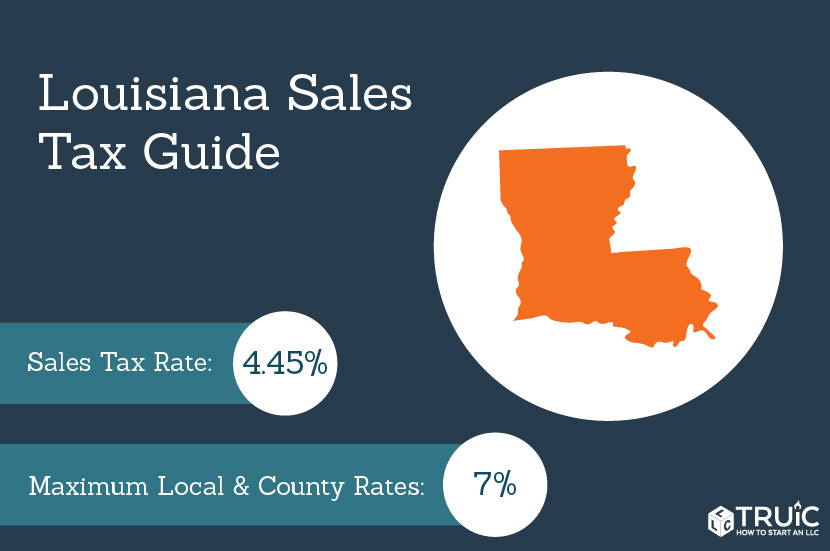
At its core, Louisiana imposes a statewide sales tax on most tangible personal property and certain services. However, what truly distinguishes the state’s system is the ability for parishes (the equivalent of counties in other states) and municipalities (cities and towns) to levy their own additional sales taxes. This means that the total sales tax rate you pay on a purchase can differ substantially depending on where in Louisiana you are.
The state’s general sales tax rate typically sits at a fixed percentage, but local rates are added on top of this. For instance, while the state rate provides a baseline, a purchase made in downtown New Orleans might incur a combined state and local sales tax that is higher than the rate for an identical item bought in Baton Rouge, Shreveport, or Lafayette. These local rates are set by individual taxing authorities and can include parish taxes, city taxes, and even special district taxes for specific purposes.
For example, a common combined sales tax rate in areas like New Orleans might be around 9.45% (4.45% state + 5% local), while in other parishes, it could be slightly lower or even higher. It’s not uncommon to see combined rates ranging from 8% to over 11% across the state. This variability necessitates a degree of awareness, especially when making larger purchases or planning your travel budget. Most goods and services you’ll encounter as a tourist—such as restaurant meals, souvenirs, clothing, and entrance fees to attractions—are subject to these combined sales taxes.
Exemptions and Special Considerations for Travelers
While the general rule is that most retail sales are taxed, there are specific exemptions and considerations that can be relevant for travelers in Louisiana. Certain necessities, for instance, are often exempt or taxed at a reduced rate. Common exemptions typically include prescription drugs and certain non-prepared food items purchased from grocery stores for home consumption. However, prepared food purchased from restaurants or cafes is almost always taxed.
One significant consideration for international visitors is the unique Louisiana Tax Free Shopping program. This program allows international tourists (non-U.S. residents with non-immigrant visas) to receive a refund for sales taxes paid on eligible tangible goods purchased from participating merchants. This is a substantial benefit that sets Louisiana apart from most other United States destinations. We will delve deeper into this program later, but it’s a key point to remember for visitors from countries like the United Kingdom, Canada, France, Germany, or Japan and beyond.
Additionally, certain services, while generally subject to sales tax, can have specific rules. For instance, car rentals often include a daily surcharge or additional taxes beyond the general sales tax. Hotel stays, which fall under accommodation, are also subject to the combined state and local sales tax, but they frequently incur additional occupancy taxes or tourism assessments. These extra charges are usually separate from the general sales tax and are designed to fund local tourism initiatives and infrastructure. Understanding these specific applications can help you anticipate the true cost of your travel essentials.
Budgeting for Your Trip: How Sales Tax Impacts Travel Expenses
When planning a trip to Louisiana, it’s essential to factor sales tax into your budget for various aspects of your journey. The cumulative effect of these taxes across accommodation, dining, shopping, and entertainment can add up, making a noticeable difference to your overall expenses.
Accommodation and Lodging Taxes
One of the largest components of any travel budget is accommodation, and Louisiana is no exception. Hotels, resorts, apartments, and villas are all subject to the state and local sales tax rates. However, it’s crucial to understand that lodging often comes with additional taxes specifically levied on transient occupancy. These can be called occupancy taxes, hotel taxes, or tourism taxes, and they are typically added on top of the standard sales tax.
For example, when booking a stay at a luxurious property like The Roosevelt New Orleans, A Fairmont Hotel, the historic Hotel Monteleone, or the elegant Windsor Court Hotel, you’ll see a line item for general sales tax, followed by additional taxes that contribute to the local tourism fund. These additional taxes can sometimes be a flat rate per night or a percentage of the room rate, and they vary significantly by parish and city. In a popular tourist hub like New Orleans, the combined state sales tax, local sales tax, and occupancy taxes can push the total tax rate on a hotel room upwards of 15% to 17%.
When browsing booking websites or receiving quotes, ensure you clarify whether the advertised price includes all taxes and fees, or if these will be added at checkout or upon arrival. Being aware of these extra costs upfront helps prevent sticker shock and allows you to allocate your budget more accurately for your comfortable stay.
Dining, Shopping, and Entertainment Costs
Exploring Louisiana’s vibrant culture often involves indulging in its legendary cuisine, shopping for unique souvenirs, and enjoying its lively entertainment scene. Each of these activities will incur sales tax, contributing to your overall trip cost.
Dining: From savoring beignets at Café Du Monde to enjoying a lavish Creole dinner in the French Quarter or a spicy Cajun Country feast, restaurant meals are subject to the full combined state and local sales tax. This also applies to takeout, food delivery services, and even coffee shop purchases. While a single meal’s tax might seem small, dining out multiple times a day throughout your trip will quickly accumulate these charges. Budgeting an extra 9-11% on top of your estimated food costs is a wise approach.
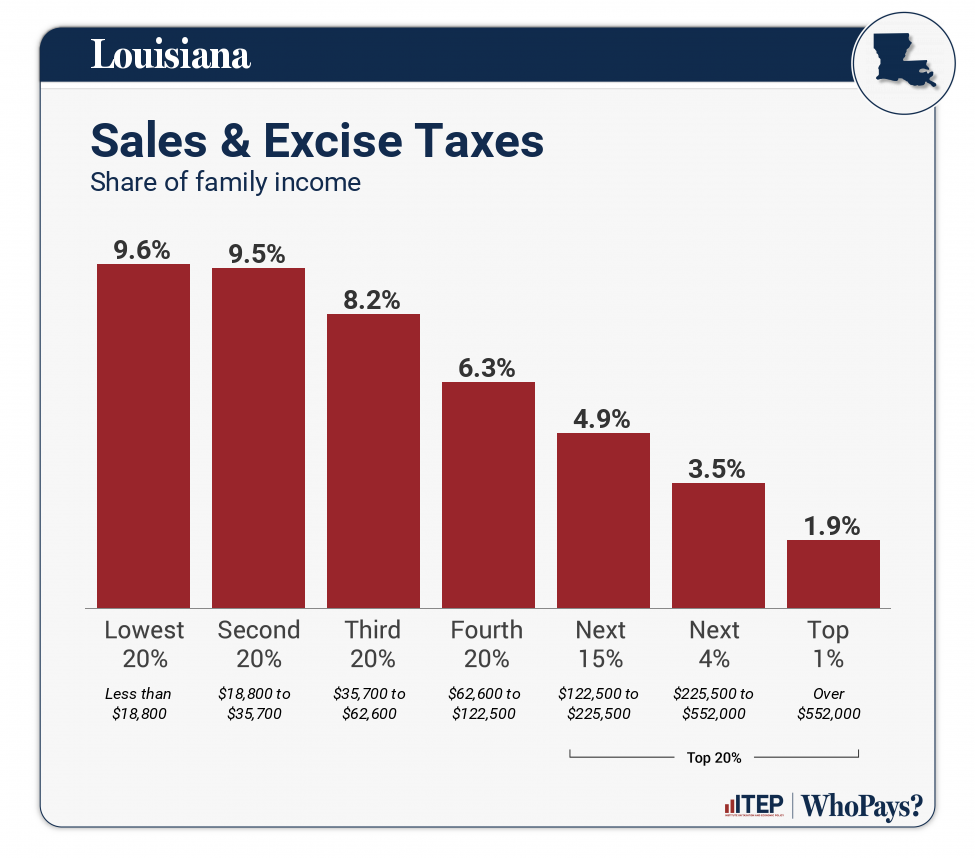
Shopping: Whether you’re hunting for antique treasures in the French Market, picking up local art, unique clothing, or trinkets, nearly all tangible goods purchased from retail stores will be subject to sales tax. For domestic travelers, there are no refunds for these taxes, so consider them a fixed part of the purchase price. Remember, the exact rate will depend on the parish where you make your purchase.
Entertainment and Attractions: Entrance fees for popular attractions also fall under the sales tax umbrella. Planning to visit the National WWII Museum, the Audubon Zoo, the Audubon Aquarium of the Americas, or take a Swamp Tour? Expect sales tax to be added to your ticket price. The same applies to tickets for live music venues like Preservation Hall, historical tours through the Garden District, or attending one of Louisiana’s many festivals, including the iconic Mardi Gras events where applicable fees are often taxed. Even tickets for events in New Orleans City Park can be taxed. Always check the total price before committing, especially for larger family outings, as these taxes can significantly inflate the advertised base price.
Maximizing Value: Smart Spending and Tax Savings for Visitors
Understanding Louisiana’s sales tax system is not just about awareness; it’s also about empowering yourself to make smart spending choices. For certain visitors, there are even opportunities to reclaim some of these taxes.
Louisiana Tax Free Shopping for International Visitors
One of Louisiana’s most attractive features for international travelers is its unique Louisiana Tax Free Shopping program. This initiative allows eligible international visitors to receive a refund for sales tax paid on tangible goods purchased from any of the hundreds of participating retailers across the state.
Who is eligible? This program is exclusively for international visitors, defined as non-U.S. residents holding a valid non-immigrant visa and an international travel ticket. U.S. citizens living abroad, even with a foreign passport, are generally not eligible.
How does it work?
- Shop at Participating Stores: Look for the “Tax Free Shopping” decal displayed by merchants, or ask if they participate. Stores range from major department stores and boutiques to gift shops and the Outlet Collection at Riverwalk in New Orleans.
- Get a Tax Free Form: At the time of purchase, present your international passport and round-trip international travel ticket (showing a departure from the United States within 90 days). The merchant will issue you a Tax Free Form. Be sure to keep all original receipts.
- Claim Your Refund: Before departing the United States from Louis Armstrong New Orleans International Airport (or other designated refund centers), present your completed Tax Free Forms, original receipts, passport, and international travel ticket. You must also show the merchandise for which you are claiming a refund. The primary refund center is located at Louis Armstrong New Orleans International Airport (MSY), and there’s also a downtown refund center. Refunds can be issued immediately in cash (for smaller amounts), by check, or credited back to a major credit card.
What purchases are covered? The program covers sales tax on most tangible goods, such as clothing, jewelry, electronics, gifts, and souvenirs. It does not apply to services, hotel rooms, restaurant meals, car rentals, or tickets to attractions. This program is a significant perk, making luxury shopping or souvenir hunting a bit more affordable for international travelers. For instance, buying a unique piece of art or a handcrafted item from the French Market can become more appealing with the prospect of a sales tax refund.
Practical Tips for Domestic Travelers and Budget-Conscious Explorers
For domestic travelers and anyone looking to stretch their budget, while the sales tax refund program isn’t available, there are still smart strategies to manage your expenses in Louisiana:
- Research Local Tax Rates: Before you arrive, do a quick search for the combined sales tax rates in the specific cities or parishes you plan to visit, such as Baton Rouge, Shreveport, Lafayette, Lake Charles, Monroe, or Alexandria. Knowing this beforehand will give you a clearer picture of potential costs.
- Budget with a Buffer: Always budget an extra 10-15% on top of your estimated costs for accommodation, dining, and shopping to comfortably cover sales taxes and other incidental fees.
- Consider Package Deals: When booking flights, hotels, and even some activities, look for package deals offered by travel agencies or online platforms. Sometimes these bundles can offer better overall value, and their pricing might be more inclusive of taxes, or at least clearly itemized.
- Self-Catering Options: To save on dining taxes, consider preparing some of your own meals, especially if you’re staying in an apartment or villa with kitchen facilities. Grocery store purchases of non-prepared food items are often exempt or taxed at a lower rate than restaurant meals, offering a significant saving.
- Seek Out Free Attractions: Louisiana boasts a wealth of free or low-cost experiences. Enjoy a leisurely stroll through New Orleans City Park, explore the historic architecture of the Garden District, admire St. Louis Cathedral overlooking Jackson Square, or take in the natural beauty of the Mississippi River waterfront. Visiting these landmarks and enjoying the atmosphere doesn’t incur sales tax on entry.
- Loyalty Programs and Discounts: Utilize hotel loyalty programs, travel credit card rewards, and look for online discounts or coupons for attractions and restaurants. While these don’t directly reduce sales tax, they lower the base price upon which tax is calculated, leading to overall savings.
- Be Mindful of “Tourist Traps”: While there’s incredible value in every corner of Louisiana, be aware that some establishments in heavily touristed areas might have slightly inflated prices on goods and services, which then translates to higher sales tax amounts. Look for local favorites and explore areas beyond the main tourist corridors for potentially better value.
By employing these practical tips, both domestic and international travelers can better manage their travel budget and enhance their experience in the Pelican State, ensuring that financial surprises don’t detract from the joy of discovery.
Sales Tax’s Role in Fueling Louisiana’s Vibrant Tourism Industry
Beyond the immediate impact on your wallet, the sales tax collected in Louisiana plays a crucial, behind-the-scenes role in sustaining and enhancing the very tourism infrastructure and experiences that draw visitors from around the globe. Understanding this broader contribution adds another layer of appreciation for the system, even with its complexities.
Sales tax revenue, both from state and local levies, is a vital funding source for government services across Louisiana. A significant portion of these funds is channeled back into local infrastructure, public services, and the preservation of cultural heritage, all of which directly benefit the tourism sector. This means that the sales tax you pay on your hotel stay, your meal, or your souvenir helps to:
- Maintain and Improve Infrastructure: Tax revenues contribute to the upkeep of roads, bridges, and public transportation systems, making it easier for you to travel from New Orleans to the Atchafalaya Basin or to visit historic sites like Destrehan Plantation or Oak Alley Plantation. Well-maintained infrastructure ensures a smoother and more pleasant travel experience.
- Support Public Safety and Services: A portion of taxes funds police, fire, and emergency medical services, ensuring visitors feel safe and secure as they explore the state’s diverse attractions, whether wandering through the French Quarter or hiking in a State Park.
- Fund Cultural and Recreational Programs: Local sales tax often directly supports cultural initiatives, arts programs, and recreational facilities. This can include funding for music festivals, art galleries, museums like the National WWII Museum, and community events that showcase Louisiana’s unique heritage. These are precisely the elements that define the state’s charm and attract millions of tourists annually.
- Promote Tourism and Economic Development: Specific tourism taxes (often added alongside general sales tax on lodging) are frequently dedicated to local tourism boards and convention bureaus. These organizations use the funds to market Louisiana as a travel destination, develop new attractions, and support local businesses, thereby strengthening the overall tourism economy. This reinvestment ensures the state remains a vibrant and competitive destination on the Gulf Coast and beyond.
- Preserve Historical Landmarks and Natural Beauty: Revenue generated can also go towards the conservation of Louisiana’s invaluable historical landmarks, such as Jackson Square and St. Louis Cathedral, and its stunning natural landscapes, including its Bayous and State Parks. These efforts ensure that the very essence of Louisiana’s appeal is maintained for future generations of travelers.
In essence, while the sales tax might seem like an extra charge, it is an integral part of the ecosystem that allows Louisiana to offer such a rich and memorable experience. By contributing through your purchases, you are inadvertently playing a part in sustaining the unique cultural tapestry and natural beauty that make the Pelican State such a compelling travel destination. Being an informed traveler who understands these contributions adds a layer of responsibility and connection to the places you explore.
Conclusion
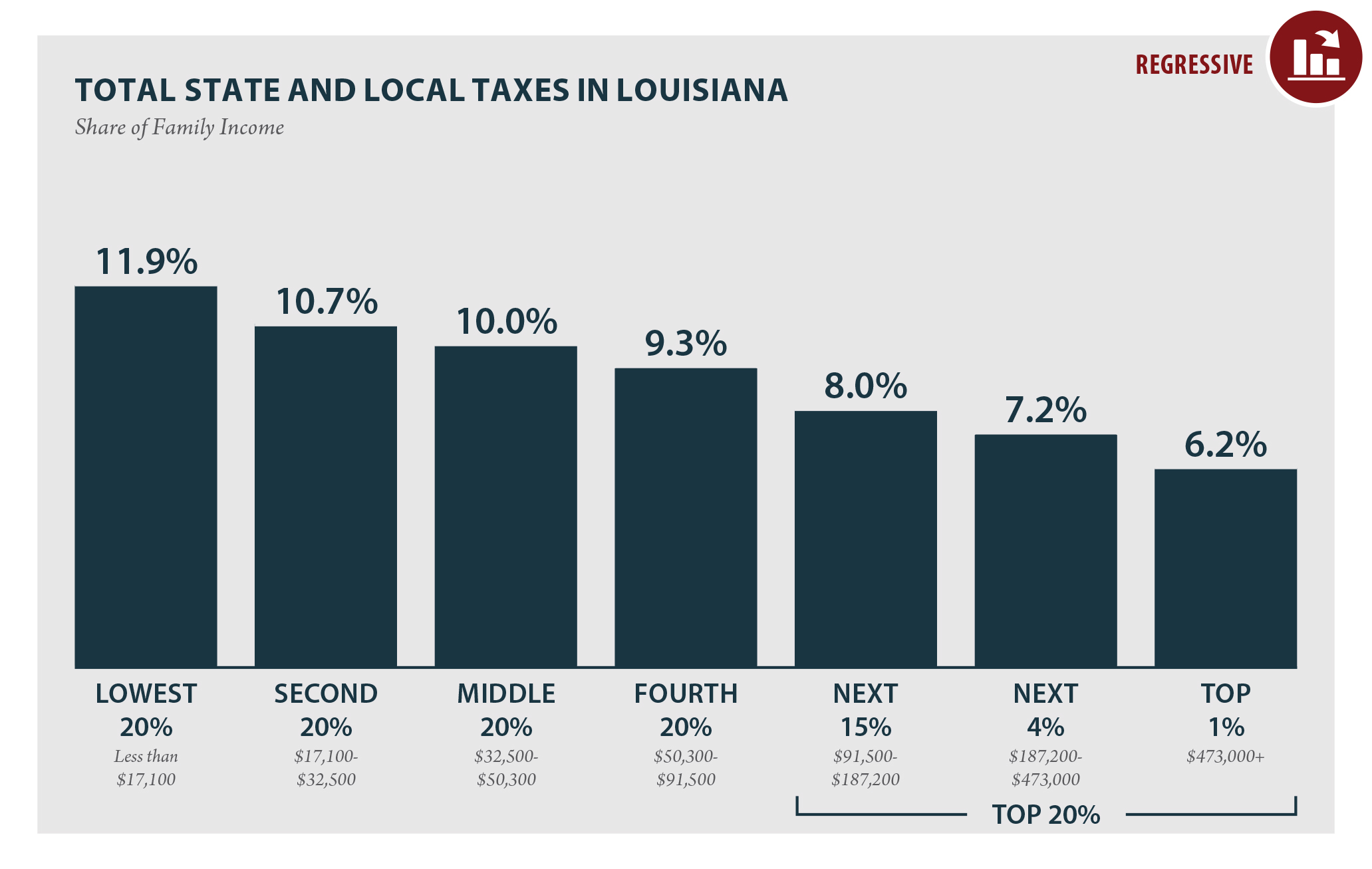
Navigating the sales tax landscape in Louisiana may initially appear complex due to its multi-layered state and local rates, but with a bit of foresight and the insights provided, it becomes a manageable aspect of your travel planning. From the jazz-infused streets of New Orleans to the serene Bayous and the historic charm of cities like Baton Rouge and Lafayette, every purchase contributes to your unforgettable Louisiana experience.
Remember that while the specific sales tax rate will vary depending on the parish or city, you can generally expect an additional percentage on most goods, restaurant meals, hotel stays, and attraction tickets. For international visitors, the exceptional Louisiana Tax Free Shopping program offers a valuable opportunity to reclaim sales tax on tangible purchases, making your souvenir hunting even more rewarding. For all travelers, proactive budgeting, considering package deals, and leveraging free attractions are smart strategies to maximize your travel funds.
Ultimately, the sales tax you pay isn’t just an expense; it’s an investment in the very infrastructure, cultural preservation, and public services that make Louisiana such a vibrant and welcoming destination. By understanding its role and preparing accordingly, you can ensure that your focus remains squarely on immersing yourself in the rich history, delectable cuisine, and infectious spirit that truly define the Pelican State. So, plan wisely, travel thoughtfully, and prepare to be enchanted by all that Louisiana has to offer.
LifeOutOfTheBox is a participant in the Amazon Services LLC Associates Program, an affiliate advertising program designed to provide a means for sites to earn advertising fees by advertising and linking to Amazon.com. Amazon, the Amazon logo, AmazonSupply, and the AmazonSupply logo are trademarks of Amazon.com, Inc. or its affiliates. As an Amazon Associate we earn affiliate commissions from qualifying purchases.