
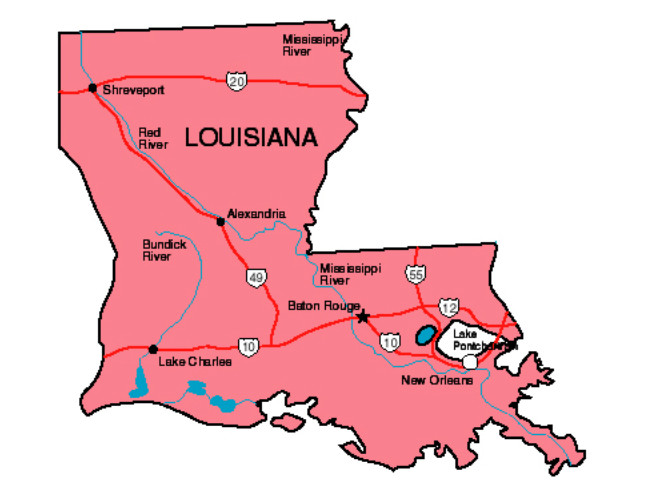
The State of Louisiana, a captivating jewel in the American South, stands as a testament to a rich tapestry of cultures, vibrant traditions, and a distinct way of life found nowhere else. From its swampy bayous to its bustling urban centers, Louisiana offers an unparalleled experience, deeply rooted in its French, Spanish, African, and Native American heritage. This unique blend has forged a state celebrated globally for its captivating music, iconic cuisine, flamboyant festivals, and an indelible spirit of hospitality. Whether you’re drawn to the soulful sounds of jazz, the intoxicating aroma of a simmering gumbo, or the historic charm of a antebellum plantation, Louisiana promises a journey into a world brimming with enchantment and discovery. Its allure lies not just in its famous destinations, but in the pervasive sense of ‘joie de vivre’ that defines its people and permeates every corner of its diverse landscape.
A Melting Pot of Culture and History
Louisiana’s cultural identity is perhaps its most compelling feature, a vibrant mosaic shaped by centuries of diverse influences. The state’s history began with Native American tribes, followed by French colonization in the late 17th century, bringing with them a profound linguistic and cultural legacy that persists today. The subsequent Spanish rule further enriched this heritage, leaving its architectural and legal marks. However, it was the arrival of exiled Acadians from Canada, who became known as Cajuns, and enslaved Africans, whose descendants created the Creole culture, that truly solidified Louisiana’s unique cultural dualism.
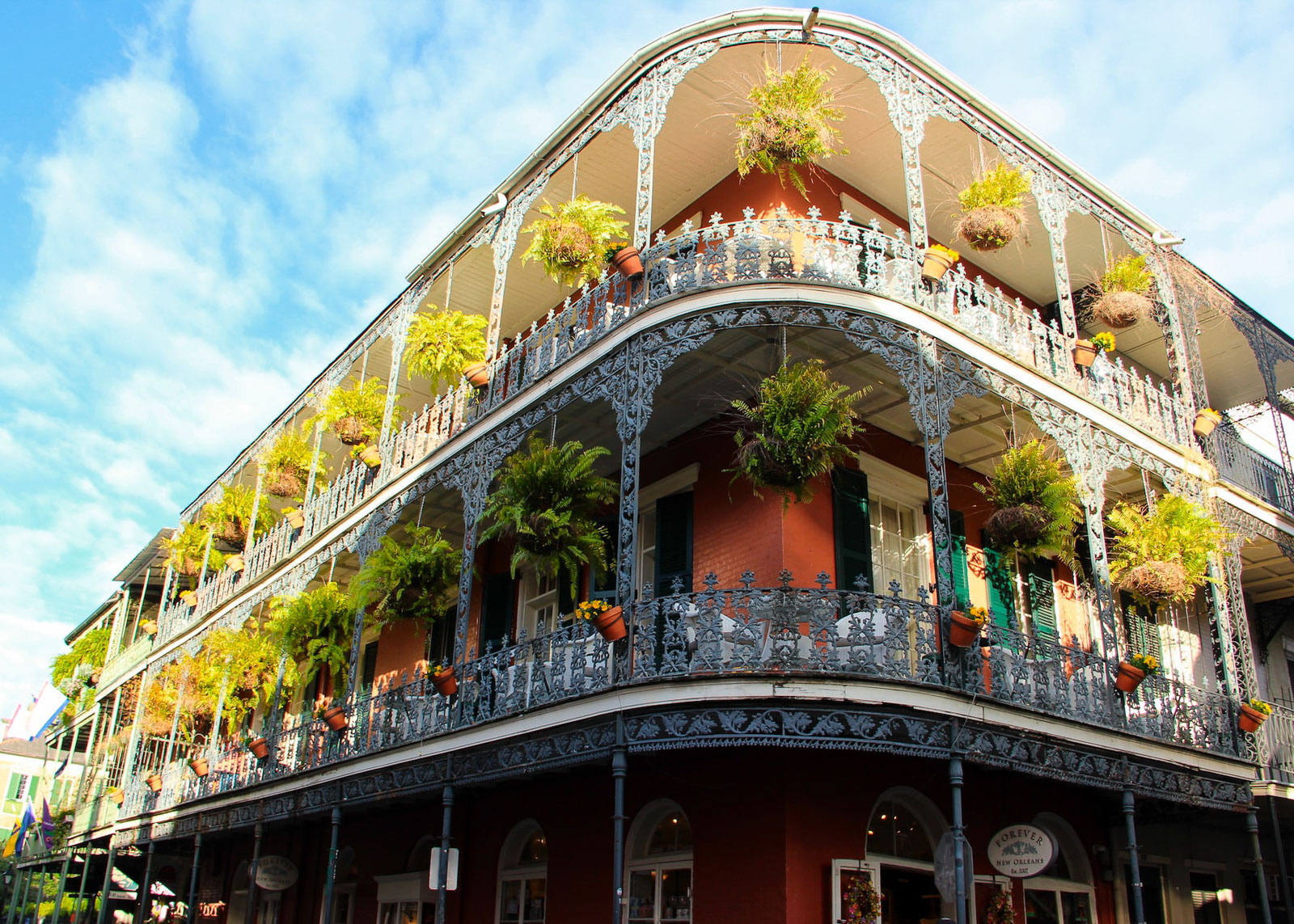
At the heart of this cultural nexus is New Orleans, a city synonymous with the state’s vibrant spirit. The French Quarter, with its wrought-iron balconies, gas lamps, and historic architecture, transports visitors back to a bygone era. Here, landmarks like St. Louis Cathedral overlooking Jackson Square, and the lively thoroughfare of Bourbon Street, are living testaments to the city’s storied past. Beyond the French Quarter, the Garden District showcases magnificent antebellum mansions nestled amongst ancient oak trees, offering a glimpse into the opulent lifestyles of 19th-century society.
Exploring New Orleans’ Historic Districts
The historical depth of New Orleans extends far beyond its most famous districts. The Faubourg Marigny and Bywater neighborhoods, adjacent to the French Quarter, offer a more bohemian vibe with colorful Creole cottages, live music venues, and eclectic art spaces. The Central Business District blends historic architecture with modern skyscrapers, home to attractions like The National WWII Museum, a somber yet crucial tribute to a pivotal moment in global history. Further afield, Magazine Street stretches for miles, offering a treasure trove of antique shops, boutique stores, art galleries, and acclaimed restaurants, perfect for a leisurely day of exploration.
Accommodation options in New Orleans are as diverse as its history. From luxurious boutique hotels in the French Quarter such as Hotel Monteleone or The Roosevelt New Orleans, A Waldorf Astoria Hotel, to charming guesthouses in the Garden District and modern apartment rentals in the Warehouse District, visitors can find a stay that perfectly complements their desired experience. Many historic buildings have been lovingly converted into unique hotels, offering guests a chance to immerse themselves in the city’s past while enjoying contemporary comforts.
Culinary Delights: A Taste of Louisiana
Louisiana’s reputation for exceptional cuisine precedes it, a gastronomic paradise where food is not merely sustenance but a profound expression of culture and heritage. The state is celebrated for its distinctive Cajun and Creole culinary traditions, each with its own unique flavors and cooking methods, yet both rooted in rich, savory ingredients and a slow, loving approach to preparation.
Cajun and Creole Flavors
Cajun cuisine, born from the resourcefulness of Acadian exiles in rural Louisiana’s bayous, is characterized by its rustic, hearty flavors. It famously uses the “holy trinity” of onion, celery, and bell pepper as its base, forming the foundation for iconic dishes like gumbo, a thick, soulful stew often laden with seafood or chicken and sausage; jambalaya, a flavorful rice dish akin to paella; and étouffée, typically a crawfish or shrimp stew served over rice. The art of the crawfish boil, a communal feast where spiced mudbugs are cooked with potatoes and corn, perfectly embodies the spirit of Cajun hospitality. Visiting Lafayette, often considered the heart of Cajun Country, offers an authentic dive into these culinary traditions.
Creole cuisine, on the other hand, evolved in the urban kitchens of New Orleans, blending French, Spanish, African, and Caribbean influences with local ingredients. It tends to be more refined and sophisticated than Cajun cooking, often incorporating tomatoes and a wider array of herbs and spices. Famous Creole dishes include shrimp creole, oysters Rockefeller, and the classic muffuletta sandwich, a hearty creation piled high with cured meats, cheeses, and olive salad. Breakfast staples like beignets, square pieces of fried dough dusted with powdered sugar, served with a café au lait at Café Du Monde in the French Quarter, are an essential New Orleans experience.
Beyond these staples, Louisiana’s culinary landscape is a haven for seafood lovers. Fresh oysters, shrimp, crabs, and a variety of Gulf fish are prepared in countless delicious ways, from fried seafood platters to elegant gourmet preparations. The state’s food scene also extends to its unique cocktails, with New Orleans being the birthplace of iconic drinks like the Sazerac and the Hurricane. Food tours are a popular way to experience the diverse flavors, guiding visitors through bustling markets, historic restaurants, and hidden culinary gems, providing insights into the stories behind each dish.
Music, Festivals, and the Spirit of Celebration
Louisiana pulsates with a rhythm all its own, a deep-seated love for music and celebration that is truly infectious. The state is renowned as the birthplace of jazz and a crucible for numerous other musical genres, including blues, rhythm and blues, rock and roll, gospel, and the distinctly Louisianan sounds of zydeco and swamp pop.
The Birthplace of Jazz and Beyond
New Orleans holds the undisputed title as the birthplace of jazz, a genre that emerged from the vibrant interactions of African, Caribbean, and European musical traditions in the late 19th and early 20th centuries. Iconic venues like Preservation Hall in the French Quarter continue to honor this legacy, offering nightly traditional jazz performances that transport listeners to the genre’s golden age. Live music can be found on virtually any night of the week in clubs along Frenchmen Street in the Faubourg Marigny, showcasing everything from traditional jazz to funk, blues, and brass bands.
Beyond New Orleans, Louisiana’s musical tapestry expands. Baton Rouge, the state capital, has its own rich blues heritage, while Cajun Country is the heartland of zydeco music, a lively blend of Cajun music and rhythm and blues, typically featuring an accordion and washboard. Dance halls known as ‘fais do-dos’ throughout southwestern Louisiana invite visitors to experience this vibrant musical tradition firsthand.
Mardi Gras and Year-Round Festivities
No discussion of Louisiana celebrations is complete without mentioning Mardi Gras. While most famously associated with New Orleans, the carnival season is celebrated across the entire state with parades, balls, and masquerade parties leading up to Fat Tuesday. In New Orleans, the elaborate krewes, their ornate floats, and the showering of beads and trinkets create an unforgettable spectacle of color, music, and unrestrained joy. It’s not merely a party; it’s a deep-rooted cultural ritual that embodies the state’s spirit of revelry.
Beyond Mardi Gras, Louisiana boasts a packed calendar of festivals year-round. The New Orleans Jazz & Heritage Festival, affectionately known as Jazz Fest, is a world-renowned event celebrating the music, food, and crafts of Louisiana. In Lafayette, the Festival International de Louisiane brings together artists and musicians from across the Francophone world, celebrating the state’s French roots. Other notable events include the Essence Festival, celebrating African American music and culture, and countless local festivals dedicated to everything from crawfish and oysters to pecans and sugarcane, each offering a unique glimpse into the local lifestyle and traditions.
Natural Wonders and Historic Landmarks
Beyond its urban centers and festive celebrations, Louisiana is known for its distinctive natural landscapes and a wealth of historic landmarks that tell compelling stories of the past. The state’s geography is dominated by the Mississippi River and its delta, creating a unique environment of swamps, marshlands, and bayous teeming with wildlife.
Bayous, Swamps, and Wildlife
The iconic Louisiana bayous and swamps are ecosystems unlike any other, characterized by cypress trees draped in Spanish moss, murky waters, and a dense population of alligators, turtles, migratory birds, and various other aquatic life. Swamp tours, often conducted by knowledgeable local guides on airboats or flat-bottomed skiffs, offer an exhilarating way to explore these mysterious waterways, providing insights into the unique flora and fauna and the resilient communities that call these areas home. These tours are available from several points, including near New Orleans, Houma, and Lafayette. Fishing and hunting are also popular activities, drawing enthusiasts to the state’s abundant rivers, lakes, and the Gulf of Mexico coastline.
Plantations and Historic Sites
The fertile lands along the Mississippi River are home to numerous historic plantations, magnificent estates that offer a poignant look into Louisiana’s complex past. Plantations like Oak Alley Plantation, famous for its breathtaking alley of 300-year-old live oaks, and Laura Plantation, known for its Creole heritage and focus on the lives of enslaved people, provide vital historical context. Visitors can explore grand mansions, slave quarters, and lush gardens, gaining a deeper understanding of the economic and social structures that defined the antebellum South. Other notable sites include Rosedown Plantation with its elaborate gardens and Houmas House Plantation and Gardens, often referred to as ‘The Crown Jewel of Louisiana’s River Road’.
Away from the plantations, cities like Baton Rouge boast their own historical significance. The Old State Capitol, a gothic castle-like structure, stands as a prominent landmark, while the USS Kidd Veterans Museum offers a fascinating look at naval history. The Rural Life Museum near Baton Rouge preserves the traditions of 19th-century Louisiana country living, featuring historic buildings and artifacts. Each of these landmarks contributes to the rich narrative of the state, inviting visitors to reflect on its enduring legacy.

Planning Your Louisiana Adventure: Travel & Accommodation
Embarking on a journey through Louisiana offers a diverse array of experiences, from luxurious city breaks to adventurous explorations of its natural wonders. Planning your trip involves considering the best times to visit, the ideal destinations for your interests, and the myriad accommodation options available.
Travel and Tourism Considerations
The shoulder seasons (spring and fall) are often considered the best times to visit, offering pleasant weather for exploring New Orleans’ French Quarter, taking swamp tours, or attending festivals, avoiding the peak heat and humidity of summer. However, those wishing to experience Mardi Gras will need to plan for a winter visit, typically in February or early March, when hotel bookings are at their most competitive. Transportation within the state is often best by car, especially for exploring Cajun Country and the plantation routes. New Orleans itself is walkable, with streetcars providing easy access to districts like the Garden District and Magazine Street.
Tourism in Louisiana caters to a wide range of interests, from history buffs and foodies to music lovers and nature enthusiasts. Guided tours are highly recommended for delving deeper into specific aspects of the state’s culture, whether it’s a culinary journey through New Orleans, a historical tour of a plantation, or a wildlife excursion into the bayous. For families, attractions like Audubon Park and City Park in New Orleans offer recreational opportunities, while educational experiences abound at museums and historic sites across the state.
Accommodation for Every Lifestyle
Louisiana’s accommodation landscape is as varied as its attractions. In New Orleans, you can find luxurious resorts offering full amenities, charming boutique hotels in historic buildings, budget-friendly hostels, and spacious apartment rentals perfect for longer stays. Cities like Baton Rouge, Shreveport, Lafayette, Alexandria, Lake Charles, and Monroe also offer a range of hotels, suites, and guesthouses catering to both business and leisure travelers.
For those seeking a more immersive experience, staying in a bed and breakfast in a historic district or a rustic cabin on a bayou can provide a unique perspective on Louisiana life. Long-term stay options are also available, particularly in metropolitan areas, for those looking to deeply explore the local culture and lifestyle. Whether your lifestyle dictates luxury travel, a budget-conscious adventure, a family-friendly vacation, or a productive business stay, Louisiana offers diverse choices to ensure a comfortable and memorable visit.
In conclusion, the State of Louisiana is known for an unparalleled blend of vibrant cultures, deeply rooted history, world-renowned cuisine, and an infectious spirit of celebration. From the soulful sounds of jazz echoing through the streets of New Orleans to the mysterious beauty of its ancient bayous, and from the festive revelry of Mardi Gras to the solemn grandeur of its plantations, Louisiana offers a truly unique and unforgettable journey. It is a destination that captures the imagination, enriches the palate, and resonates with a charm that lingers long after you’ve left its welcoming embrace.
LifeOutOfTheBox is a participant in the Amazon Services LLC Associates Program, an affiliate advertising program designed to provide a means for sites to earn advertising fees by advertising and linking to Amazon.com. Amazon, the Amazon logo, AmazonSupply, and the AmazonSupply logo are trademarks of Amazon.com, Inc. or its affiliates. As an Amazon Associate we earn affiliate commissions from qualifying purchases.