
Planning a trip to the vibrant Bayou State of Louisiana involves meticulous preparation, from securing the perfect accommodation to mapping out your must-see attractions. Amidst the excitement of envisioning yourself savoring gumbo in the French Quarter or exploring the historic Garden District, a crucial logistical detail often overlooked is understanding the local timezone. For travelers, business visitors, and even residents, grasping Louisiana’s time zone is fundamental for seamless travel, timely reservations, and fully immersing oneself in the state’s unique lifestyle.
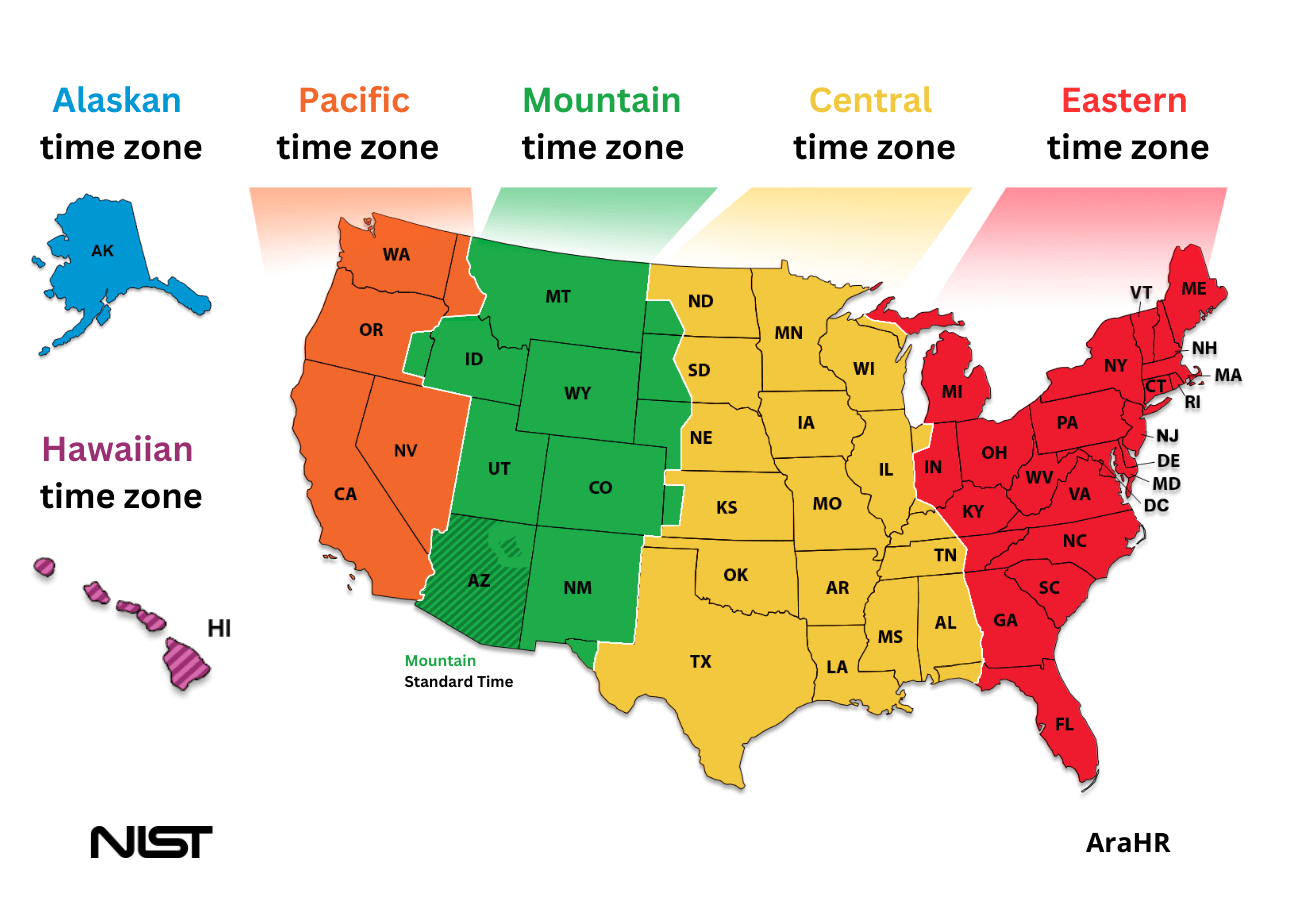
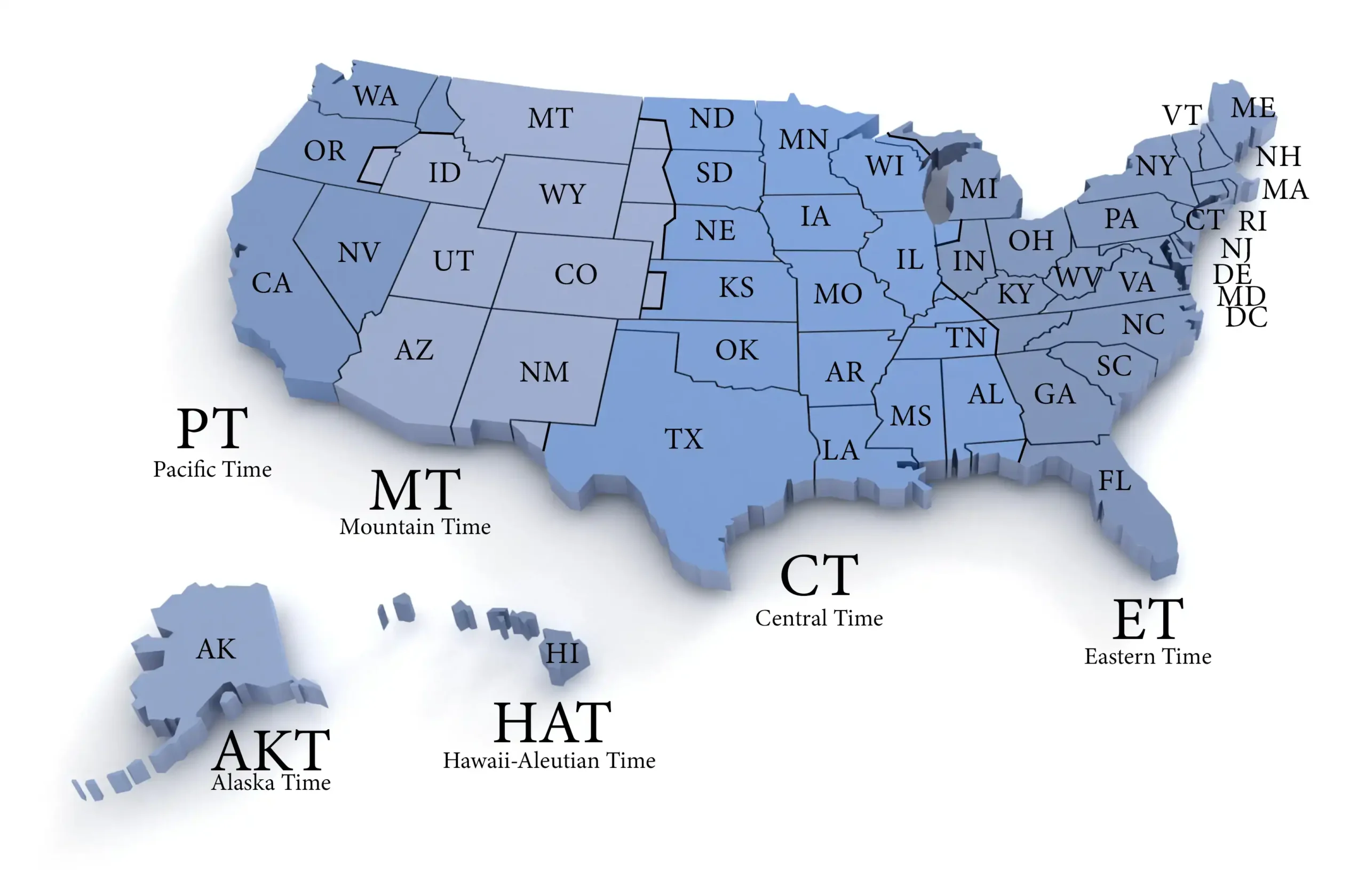
The definitive answer is straightforward: all of Louisiana operates on Central Time. This means that whether you’re in the bustling heart of New Orleans, the state capital of Baton Rouge, or the northwestern hub of Shreveport, your clock will always be set to Central Time. This uniformity simplifies planning considerably, as there are no regional timezone shifts to contend with within the state’s borders. However, understanding what Central Time entails, especially with the observance of Daylight Saving Time, is key to a perfectly choreographed Louisiana adventure.
Understanding Central Time: CST and CDT
To fully appreciate how Central Time impacts your Louisiana experience, it’s essential to differentiate between Central Standard Time (CST) and Central Daylight Time (CDT). Like many regions across the United States, Louisiana observes Daylight Saving Time, which means the clocks change twice a year.
The Basics of Central Standard Time (CST)
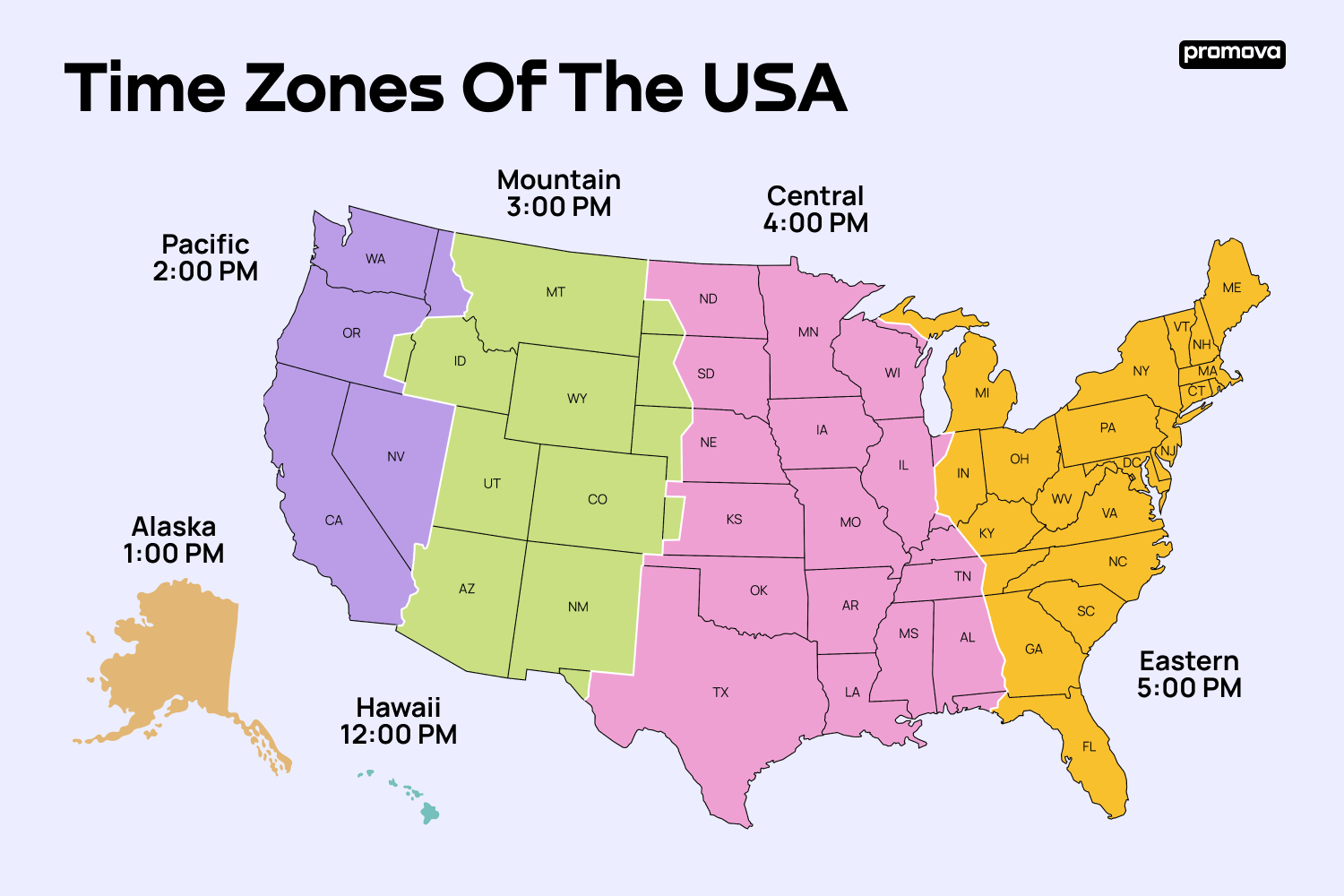
Central Standard Time (CST) is the baseline timezone for Louisiana during the colder months, specifically from early November to mid-March. During this period, Louisiana is UTC-6, meaning it is six hours behind Coordinated Universal Time (UTC). This is the global standard by which all time zones are set, formerly known as Greenwich Mean Time (GMT). If you’re planning a winter escape to experience the milder Louisiana weather or participate in early Mardi Gras festivities, your schedule will adhere to CST. For travelers arriving from time zones ahead of CST, such as the Eastern Time zone, this often means “gaining” an hour, which can be a welcome adjustment. Conversely, those traveling from the Mountain Time zone will “lose” an hour.
Embracing Central Daylight Time (CDT)
When spring arrives, typically on the second Sunday in March, Louisiana “springs forward” to Central Daylight Time (CDT). This involves moving clocks forward by one hour. Consequently, Louisiana becomes UTC-5, making it five hours behind Coordinated Universal Time. This shift remains in effect until the first Sunday in November, when clocks “fall back” to CST. The introduction of CDT means longer daylight hours in the evenings, a feature much appreciated by tourists enjoying outdoor attractions, evening strolls, or vibrant nightlife scenes in cities like New Orleans or Lafayette. If your visit coincides with this period, which includes peak travel seasons for events like the New Orleans Jazz & Heritage Festival, you’ll be enjoying the benefits of extended daylight, ideal for exploring Plantation Homes or taking a swamp tour.
The Impact of Central Time on Louisiana Travel and Tourism
Understanding Louisiana’s time zone is more than just knowing what to set your watch to; it’s a critical component of successful travel planning, ensuring you maximize your experience and avoid any logistical hiccups.
Seamless Travel Logistics: Flights, Hotels, and Transfers
Travel to and from Louisiana is directly influenced by its timezone. When booking flights, particularly those with connections, awareness of CST/CDT is paramount. Louis Armstrong New Orleans International Airport (MSY), the state’s busiest airport, operates entirely on Central Time, as do smaller regional airports. This means all arrival and departure times listed will be local Central Time. If you’re flying from an Eastern Time zone city like New York or Miami, remember that Louisiana is an hour behind, which can influence your perceived arrival time and subsequent plans.
Hotel check-in and check-out times are also strictly adhered to in Central Time. Whether you’ve booked a luxurious suite in the Roosevelt New Orleans, A Waldorf Astoria Hotel, a charming boutique hotel in the French Quarter, or an economical stay in Baton Rouge, all standard times for arrival and departure will be local. Confirming these times with your accommodation provider in advance is always a good practice, especially if you’re arriving early or departing late, to avoid any unexpected charges or delays. For those on a road trip, traveling into Louisiana from neighboring states like Texas, Arkansas, or Mississippi is simplified, as all these states also primarily observe Central Time. This consistency eliminates the need for constant clock adjustments, ensuring a smoother journey across the Gulf South.
Maximizing Your Louisiana Experience: Events, Dining, and Attractions
The rhythm of daily life and special events across Louisiana is entirely dictated by Central Time. This impacts everything from when famous attractions open and close to the timing of festival parades and restaurant reservations.
Imagine trying to catch the legendary Mardi Gras parades, secure a prime table at a renowned New Orleans restaurant, or embark on a guided tour of Jackson Square. All these activities operate on the local time. If you miscalculate the time, you could miss a historical walking tour, a delicious Creole cooking class, or a thrilling swamp tour near Lafayette. Major events like the New Orleans Jazz & Heritage Festival publish their schedules in Central Time, making accurate timekeeping essential for festival-goers.
For food enthusiasts, dinner reservations are crucial in popular dining destinations. A 7 PM reservation in New Orleans is 7 PM Central Time. If you are coming from a different time zone, ensuring your internal clock is adjusted is vital to avoid being late or, worse, missing out on an unforgettable culinary experience that is central to Louisiana’s tourism appeal. The vibrant nightlife, from jazz clubs on Frenchmen Street to bars on Bourbon Street, also adheres to these hours, influencing when the party truly starts and when it winds down.
Lifestyle and Daily Rhythms in the Bayou State
The timezone also subtly influences the lifestyle and daily rhythms experienced by both residents and long-term visitors in Louisiana. The timings of sunrise and sunset, dictated by the UTC offset, affect everything from outdoor activities to photography opportunities. During CDT, the later sunsets provide more daylight for evening adventures, perfect for enjoying a sunset cruise on the Mississippi River or capturing the golden hour glow over Cajun Country landscapes. Conversely, CST brings earlier sunsets, which can mean more cozy evenings spent indoors, perhaps enjoying live music or a quiet meal.
Understanding the typical operating hours of businesses, banks, and government offices in Central Time is also important for visitors who might need to handle personal errands or business matters. This consistency across the state allows for a predictable daily flow, whether you are on a luxury travel excursion, a budget-friendly family trip, or a business stay. The lifestyle in Louisiana is often characterized by a relaxed pace, but punctuality for specific engagements is still valued, especially in the context of tourism-related activities where schedules are often tight.
Practical Time Management Tips for Your Louisiana Journey
A smooth journey through Louisiana involves more than just knowing its timezone; it requires proactive time management to ensure every aspect of your trip unfolds as planned.
Before You Depart: Planning and Preparation
Before your wheels even touch down at Louis Armstrong New Orleans International Airport, a few preparatory steps can save you headaches.
- Confirm All Reservations in Local Time: Double-check flight times, hotel check-in/out windows, tour start times, and restaurant bookings. Always assume the listed times are in Central Time and mentally convert them from your home time zone. This is particularly crucial if you’ve booked independent tours or niche experiences, like a specific culinary workshop or a fishing charter in the Gulf of Mexico.
- Understand Daylight Saving Transitions: If your trip straddles the second Sunday in March or the first Sunday in November, be acutely aware of the time change. Confirm with your accommodation provider or tour operator if any scheduled activities might be affected. Your smartphone and most smart devices will automatically adjust, but it’s wise to have a backup watch or confirm with a local if you’re unsure.
- Communicate with Travel Companions: If you’re traveling in a group, ensure everyone is on the same page regarding the time zone and any upcoming changes. This prevents confusion and ensures everyone arrives at the designated meeting spots promptly.
On the Ground: Staying Synchronized
Once you’ve arrived in Louisiana, maintaining synchronization with local time is straightforward but still requires a conscious effort, especially in the first day or two.
- Update Your Devices: Most smartphones and digital devices automatically update their time zone when they connect to local cell towers or Wi-Fi. However, manually verify that your phone, tablet, and smartwatches have adjusted to Central Time to prevent any discrepancies.
- Beware of Jet Lag: If you’re arriving from a significantly different time zone, particularly from the Pacific Time or Eastern Time zones, be mindful of jet lag. Give yourself a buffer to adjust, especially on your first day. Planning less strenuous activities initially can help you acclimate. Hydration and natural light exposure are your allies here.
- Local Time is King: When in doubt, always refer to the local time for any planned activities. Ask hotel staff, tour guides, or restaurant personnel if you need clarification. This simple habit will ensure you never miss out on the incredible experiences Louisiana has to offer. Whether it’s the last call at a vibrant music venue on Frenchmen Street or the opening hours of a historic museum in Shreveport, adherence to local time is your guide.
In conclusion, Louisiana firmly resides within the Central Time zone, observing both Central Standard Time and Central Daylight Time throughout the year. This consistency simplifies travel planning within the state, but vigilance is still necessary, particularly when coordinating travel across different time zones or during Daylight Saving Time transitions. By understanding and accounting for Louisiana’s timezone, you can ensure your trip to this uniquely cultural and captivating state is as smooth, enjoyable, and punctual as the soulful rhythms of its famous jazz.
LifeOutOfTheBox is a participant in the Amazon Services LLC Associates Program, an affiliate advertising program designed to provide a means for sites to earn advertising fees by advertising and linking to Amazon.com. Amazon, the Amazon logo, AmazonSupply, and the AmazonSupply logo are trademarks of Amazon.com, Inc. or its affiliates. As an Amazon Associate we earn affiliate commissions from qualifying purchases.