
New Orleans, Louisiana, a city synonymous with vibrant culture, historic architecture, and a culinary scene unlike any other in the United States, often entices travelers with its promise of unforgettable experiences. However, beyond the allure of jazz rhythms echoing through the French Quarter and the tantalizing aroma of Creole cuisine, understanding the city’s unique climate is paramount for any visitor. The temperature in New Orleans isn’t just a number on a thermometer; it’s a fundamental aspect that shapes travel planning, dictates packing lists, influences activity choices, and even subtly informs the city’s distinctive lifestyle. From the oppressive humidity of summer to the surprisingly mild winters, the weather significantly impacts everything from selecting the perfect accommodation to enjoying outdoor landmarks and participating in seasonal festivities. This comprehensive guide delves into the nuances of New Orleans’ climate, offering insights to help you plan your ideal trip, regardless of when you decide to immerse yourself in the Crescent City’s magic.
Understanding New Orleans’ Climate: A Year-Round Overview
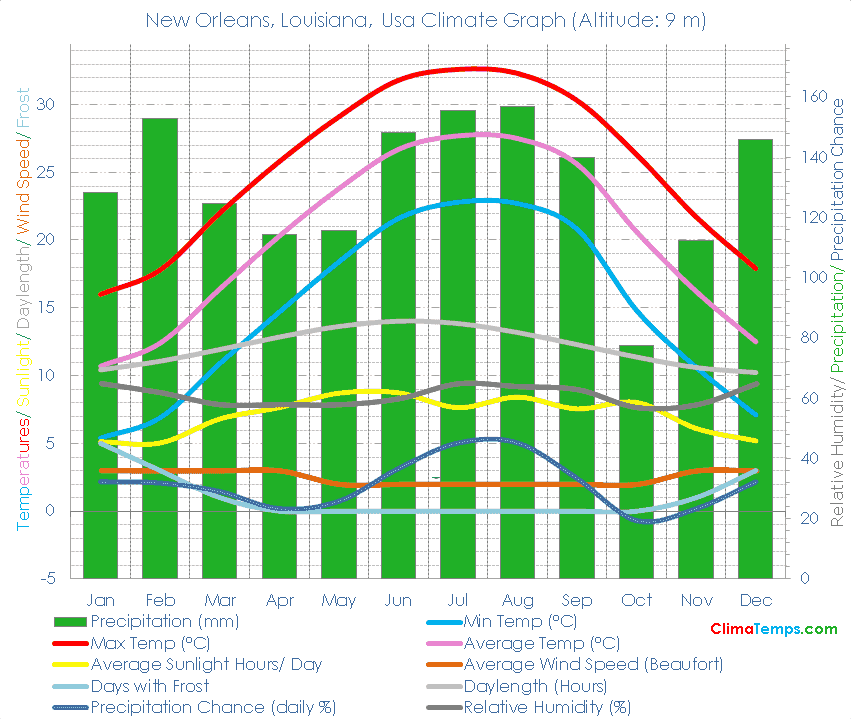
New Orleans is characterized by a humid subtropical climate, a defining feature that grants it hot, muggy summers and generally mild, short winters. This climate is largely influenced by its proximity to the Gulf of Mexico and the Mississippi River, which contribute to the high humidity levels experienced throughout much of the year. Travelers must prepare for more than just temperature; humidity often makes the air feel significantly warmer in the summer and can add a damp chill during cooler months. Understanding these broad climatic patterns is the first step toward a comfortable and enjoyable visit.
The Subtropical Embrace: Humidity and Heat
The most notable aspect of New Orleans’ weather, particularly from late spring through early autumn, is the pervasive humidity. Summers are long and intensely hot, with average daily high temperatures often hovering around 90°F (32°C) or higher from June to September. Nighttime lows typically remain in the upper 70s°F (24-26°C), offering little respite from the heat. The “feels like” temperature, due to the high humidity, can often exceed 100°F (38°C), making outdoor activities during midday hours quite challenging. Thunderstorms are common in the afternoon during summer, providing brief, albeit temporary, relief from the heat and contributing to the city’s lush, verdant landscapes. These storms are usually short-lived and intense, quickly passing to reveal clear skies once more. Air conditioning in all accommodations, attractions, and even some public transportation is not merely a luxury but an absolute necessity during these months.
Seasonal Fluctuations: From Mild Winters to Sizzling Summers
While summer claims the reputation for heat, the other seasons in New Orleans present a more varied and often more appealing weather profile for visitors.
- Spring (March – May): This is arguably the most pleasant time to visit. Temperatures are comfortably warm, averaging 70-80°F (21-27°C) during the day and 55-65°F (13-18°C) at night. Humidity is lower than in summer, and rainfall is moderate. It’s the season of blooming flowers, outdoor festivals like the French Quarter Festival and New Orleans Jazz & Heritage Festival (Jazz Fest), and ideal conditions for exploring on foot.
- Summer (June – August): As detailed, expect intense heat and humidity. Daily highs average 90°F (32°C)+, with lows in the mid-70s°F (24-25°C). Afternoon thunderstorms are frequent. This season might be less crowded, making it suitable for budget travelers or those who prioritize indoor attractions.
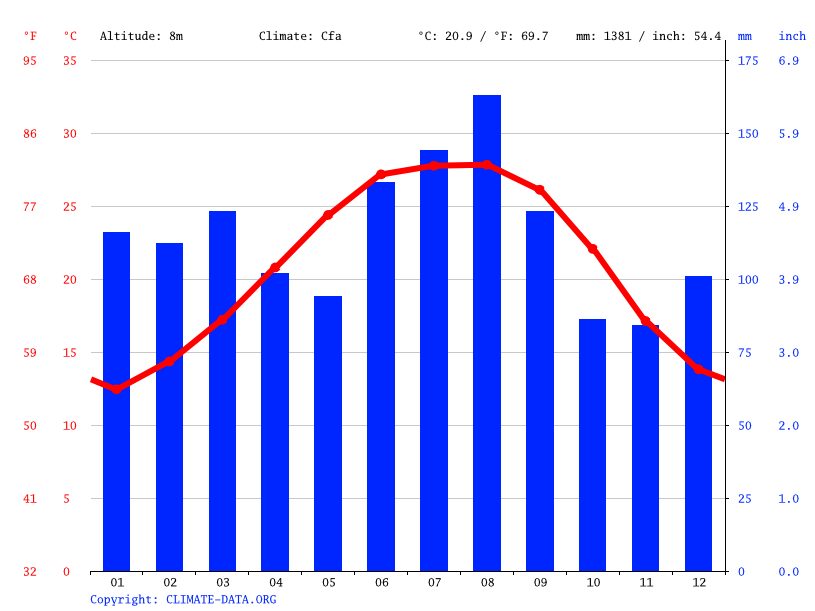
- Autumn (September – November): A transition period where temperatures gradually cool down. Early autumn can still feel like summer, but by October and November, conditions become very pleasant. Average highs range from 70-85°F (21-29°C), with lows in the 50s-60s°F (10-18°C). Humidity decreases significantly, and the threat of tropical storms lessens by late November. This is another highly popular time for tourism, offering comfortable weather for outdoor activities and cultural events.
- Winter (December – February): Winters are mild and often sunny, making New Orleans a popular escape from colder climates. Average daytime temperatures range from 60-70°F (15-21°C), with nighttime lows dipping into the 40s-50s°F (4-10°C). Freezing temperatures are rare but can occur, usually not lasting long. Rainfall is moderate, and snow is an extremely rare event. This season is perfect for exploring historical sites, enjoying the pre-Mardi Gras festivities, and savoring warm Creole dishes.
Navigating the Seasons: Best Times to Visit and What to Pack
Choosing the best time to visit New Orleans often comes down to a trade-off between ideal weather, crowd levels, and specific events or festivals you wish to experience. Each season offers a distinct flavor of the city, requiring different considerations for what to bring and how to plan your days.
Spring’s Sweet Spot: Festivals and Mild Breezes
March to May is widely considered the prime season for visiting New Orleans. The weather is typically glorious, with warm, sunny days and comfortable evenings. This period is bustling with activity, hosting major events like Mardi Gras (which can sometimes fall in late February), the French Quarter Festival, and the internationally renowned Jazz Fest. These festivals draw massive crowds, meaning higher prices for flights and accommodation, and attractions will be more crowded.
What to Pack: Light layers are key. Bring comfortable walking shoes, as you’ll likely spend a lot of time exploring. Short-sleeved shirts, light trousers, or skirts are appropriate for the day. A light jacket or sweater will be useful for cooler evenings or air-conditioned indoor spaces. Don’t forget an umbrella for occasional spring showers, and sunglasses and sunscreen are always recommended.
Summer’s Sultry Charm: Indoor Escapes and Evening Delights
June to August brings the full force of New Orleans’ subtropical heat. While intense, this season offers some advantages. Crowds are thinner (except for specific events), and hotel rates can be more affordable, appealing to budget travelers. The key to enjoying summer in New Orleans is to embrace indoor attractions during the day, like museums and art galleries, and to enjoy outdoor activities during the cooler mornings or evenings. Take advantage of air-conditioned streetcars for sightseeing.
What to Pack: Prioritize lightweight, breathable fabrics like cotton and linen. Loose-fitting clothing is a must. Pack multiple changes of clothes as you might find yourself needing to refresh often. Sunscreen, a wide-brimmed hat, sunglasses, and a reusable water bottle are essential for hydration. A compact umbrella or light rain jacket will be useful for sudden afternoon thunderstorms. Comfort is paramount over style in the summer heat.
Autumn’s Allure: Cooler Air and Cultural Celebrations
September to November sees the city slowly transition from summer’s intensity to more temperate conditions. While early September can still be very warm and humid, by October and November, the weather becomes increasingly pleasant, similar to spring. This makes autumn another excellent time to visit, especially for those seeking comfortable conditions without the peak spring festival crowds. Many local food and cultural festivals take place during these months, such as Voodoo Music + Arts Experience and various culinary events, celebrating the harvest and cooler weather.
What to Pack: Similar to spring, versatile layers are best. You might start the day in a light sweater and transition to a t-shirt as the day warms up. Jeans, comfortable pants, and long-sleeved shirts are good options, along with a medium-weight jacket for the evenings, especially towards late autumn. Don’t forget comfortable walking shoes, as the cooler weather encourages extensive exploration.
Winter’s Mild Respite: Festive Cheer Without the Chill
December to February offers a refreshing escape from harsh winter climates elsewhere. The weather is generally mild and sunny, perfect for enjoying outdoor sights without breaking a sweat. This period, especially around Christmas and New Year’s, is vibrant with holiday decorations and celebrations, leading up to the excitement of Mardi Gras. While not as crowded as spring, winter sees a steady stream of tourists escaping the cold.
What to Pack: Pack layers, including sweaters, long-sleeved shirts, and a medium-weight coat or jacket, especially for evenings when temperatures can drop into the 40s°F (4-9°C). While rare, an occasional cold front can bring chillier weather, so a warmer jacket wouldn’t be out of place if you’re particularly sensitive to cold. Comfortable closed-toe shoes are advisable. An umbrella can still be useful for occasional winter rain.
Weather-Wise Planning: Accommodation, Attractions, and Activities
The climate of New Orleans is intrinsically linked to how you experience the city, influencing everything from where you stay to what you do. Strategic planning, considering the temperature and humidity, can elevate your trip from good to unforgettable.
Choosing the Right Stay: Air Conditioning and Comfort
When selecting hotels, resorts, or apartment rentals in New Orleans, especially during the warmer months, air conditioning is non-negotiable. Confirm that any accommodation you book has robust and reliable AC. For luxury travel, resorts like The Roosevelt New Orleans, A Waldorf Astoria Hotel or Hotel Monteleone offer not just elegant suites but also refreshing pools and sophisticated indoor amenities to escape the heat. Budget travelers should also prioritize AC, perhaps opting for properties in the Central Business District (CBD) or near streetcar lines for easy, air-conditioned transit. Some villas or long-term stay accommodations might also offer outdoor spaces with shade or fans, which can be a pleasant bonus for enjoying evenings. Regardless of your budget or lifestyle, checking reviews for consistent mentions of comfortable room temperatures and effective climate control is a wise step.
Exploring Iconic Landmarks: Indoor vs. Outdoor Experiences
New Orleans is rich with landmarks and attractions, many of which are outdoors. During hot periods, plan your visits to outdoor sites like Jackson Square, the Garden District, City Park, or Audubon Park for early mornings or late afternoons. Midday can be reserved for indoor excursions such as the National WWII Museum, the New Orleans Museum of Art (NOMA), the Audubon Aquarium of the Americas, or browsing the shops along Royal Street. Cemetery tours are fascinating but offer little shade, so consider them in cooler weather or early in the day. Swamp tours can be hot and humid in summer, but the breeze on the boat can offer some relief. The historic St. Louis Cathedral provides a cool, serene escape, as does a ride on a historic streetcar through various districts. In cooler months, nearly all attractions are accessible and enjoyable throughout the day.
Culinary Delights and Cultural Immersion: Weather-Proofing Your Fun
Food and culture are at the heart of the New Orleans experience. While street food like beignets from Café Du Monde can be enjoyed year-round, hot gumbo and jambalaya might be more appealing in cooler temperatures. Conversely, refreshing local cocktails like the Sazerac are perfect for humid evenings. Many restaurants offer shaded outdoor seating or air-conditioned indoor dining, ensuring comfort. Live music venues, from Preservation Hall to Bourbon Street clubs, are predominantly indoors, offering climate-controlled environments to enjoy the city’s legendary jazz and blues scene regardless of the temperature outside. Look for cooking classes, gallery strolls, and other indoor activities during the hottest parts of the day.
Beyond the Thermometer: Experiencing New Orleans’ Unique Vibe
The temperature in New Orleans is more than just a metric; it’s a character in the city’s narrative, shaping the pace of life, the resilience of its people, and the very structure of its hospitality. Embracing the local climate, rather than fighting it, is key to a truly authentic New Orleans experience.
Lifestyle Adjustments for the Climate
Locals have perfected the art of living with the New Orleans climate. This means taking afternoon siestas, seeking shade, staying hydrated, and prioritizing comfort in clothing. For business stays, professional attire might need to be lighter and more breathable, with a suit jacket donned only for indoor meetings. For family trips, planning breaks in air-conditioned spaces like the Audubon Zoo’s indoor exhibits or Storyland in City Park during the hottest hours can prevent meltdowns. Luxury travel might include private chauffeured cars to avoid walking in the heat, while budget travel might involve utilizing public transit streetcar lines extensively. Understanding and adapting to these lifestyle adjustments will allow you to relax into the city’s unique rhythm.

Preparing for the Unexpected: Rain and Hurricanes
While the focus is often on heat and humidity, New Orleans also experiences significant rainfall throughout the year, with summer afternoons frequently bringing heavy downpours. It’s always a good idea to have a compact umbrella or light rain jacket. Furthermore, New Orleans is located in a hurricane-prone region. Hurricane season officially runs from June 1st to November 30th, with peak activity typically from August to October. While direct hits are rare, tropical storms can bring heavy rain, strong winds, and travel disruptions. Keeping an eye on weather forecasts and having travel insurance that covers weather-related cancellations or delays is a sensible precaution, especially if traveling during these months.
In conclusion, the temperature in New Orleans, Louisiana, is a dynamic force that influences every aspect of a visit to this captivating city. Whether you’re drawn by the vibrant festivals of spring, the lively summer nights, the cultural richness of autumn, or the mild charm of winter, understanding and planning around its subtropical climate is essential. By preparing for the heat and humidity, choosing appropriate accommodation, and structuring your days to balance indoor and outdoor activities, you can ensure your New Orleans adventure is comfortable, authentic, and utterly unforgettable.
LifeOutOfTheBox is a participant in the Amazon Services LLC Associates Program, an affiliate advertising program designed to provide a means for sites to earn advertising fees by advertising and linking to Amazon.com. Amazon, the Amazon logo, AmazonSupply, and the AmazonSupply logo are trademarks of Amazon.com, Inc. or its affiliates. As an Amazon Associate we earn affiliate commissions from qualifying purchases.