
Mardi Gras in Louisiana is more than just a date on a calendar; it’s a vibrant season steeped in tradition, revelry, and unparalleled cultural richness that captivates visitors from around the globe. While often synonymous with the wild celebrations of New Orleans, the spirit of Carnival permeates much of the state, offering diverse experiences for every type of traveler. Understanding “when” Mardi Gras occurs is the first step in planning an unforgettable journey into the heart of Louisiana’s most famous festival.
Unraveling the Mystery: The Movable Feast of Mardi Gras
Unlike fixed holidays, the date of Mardi Gras shifts each year, making it a “movable feast.” This flexibility is tied directly to the Christian liturgical calendar, specifically the date of Easter. For travelers planning their visit, knowing this fluctuating schedule is paramount for securing the best travel deals, ideal accommodations, and prime spots along the parade routes.

Understanding the Calendar: From Epiphany to Fat Tuesday
The entire Mardi Gras season officially kicks off on Twelfth Night, also known as Epiphany, which falls on January 6th. This day marks the traditional start of the Carnival season, ushering in a period of balls, parties, and the much-anticipated first parades of the year, typically held in suburban areas of New Orleans and other Louisiana cities.
The grand culmination of Mardi Gras is always the Tuesday before Ash Wednesday. This climactic day is universally known as Fat Tuesday (a direct translation from French – “Mardi Gras”) because it is traditionally the last day of feasting and indulgence before the forty days of fasting and penitence that characterize Lent. Ash Wednesday is determined by Easter, which is the first Sunday after the first full moon following the vernal equinox. Therefore, Mardi Gras can occur anywhere between February 3rd and March 9th. This variability means that early planning is not just recommended, but essential for those hoping to experience the full spectacle.
The Heart of the Celebration: New Orleans and Beyond
While New Orleans stands as the undisputed epicenter of Mardi Gras festivities, its vibrant spirit is not confined to the Crescent City alone. Many other Louisiana locales host their own unique and equally captivating Carnival celebrations, each with distinct flavors and traditions.
In Baton Rouge, Louisiana’s capital, the parades and festivities offer a more family-friendly atmosphere, often attracting a local crowd. Lafayette, in the heart of Cajun Country, blends traditional Mardi Gras parades with deep-rooted Cajun traditions, including Courir de Mardi Gras (rural Mardi Gras runs) where masked riders on horseback go from house to house collecting ingredients for a community gumbo. Lake Charles is another fantastic destination, boasting its own lively parade schedule and Mardi Gras Museum of Imperial Calcasieu, showcasing elaborate costumes. Each of these cities provides a unique lens through which to view Louisiana’s rich cultural tapestry, often with slightly less intense crowds than New Orleans, making them excellent alternatives for those seeking a more relaxed yet authentic experience.
Embracing the Spirit: What to Expect During Mardi Gras Season
The entire period leading up to Fat Tuesday is a build-up of excitement, culminating in a crescendo of elaborate parades, masked balls, and joyous street celebrations. This season is a sensory explosion, from the vibrant colors of the costumes to the tantalizing aromas of Creole cuisine and the infectious rhythms of Louisiana music.
Parades, Krewes, and Throws
The quintessential Mardi Gras experience revolves around its grand parades. Organized by private social clubs known as krewes, these parades are elaborate mobile spectacles featuring ornate floats, marching bands, and costumed riders. Iconic krewes like Zulu (famous for its hand-decorated coconuts), Rex (who traditionally reigns as the King of Carnival), Muses (known for its glittered shoes), and Bacchus (with its colossal floats) draw massive crowds.
From the floats, riders toss out “throws” to the eagerly waiting crowds – colorful plastic beads, doubloons, cups, and other trinkets. Catching these throws is a thrilling part of the experience, and many visitors leave with bags full of souvenirs. The parades follow specific routes, often along St. Charles Avenue and Canal Street in New Orleans, offering ample opportunities for viewing. For an even more immersive experience, many krewes host elaborate, invitation-only Carnival balls, where guests don formal attire and masquerade masks, carrying on traditions that date back centuries.
Culinary Delights and Local Culture
No trip to Louisiana during Mardi Gras is complete without indulging in its legendary cuisine. The flavors of Creole and Cajun cooking are integral to the Carnival experience. From hearty bowls of gumbo and spicy jambalaya to crispy beignets at Café Du Monde, the food is a celebration in itself. A must-try is the King Cake, a festive brioche-like cake topped with purple, green, and gold sugar, traditionally containing a tiny plastic baby. Finding the baby in your slice means good luck and the responsibility to host the next King Cake party.

Beyond the food, the cultural ambiance is palpable. Live music spills from every corner, with jazz, blues, and zydeco rhythms filling the air. The French Quarter comes alive with street performers and impromptu musical acts. Exploring the historic architecture, from the wrought-iron balconies of the French Quarter to the stately mansions of the Garden District, adds another layer to the experience, offering glimpses into the city’s unique history shaped by French and Spanish influences.
Planning Your Mardi Gras Experience: Travel, Accommodation, and Tips
A successful Mardi Gras trip requires meticulous planning, especially concerning travel and accommodation, given the immense popularity of the event. Thinking ahead will ensure a comfortable and enjoyable journey.
Securing Your Stay: Hotels and Accommodation
Given the surge in visitors, accommodation during Mardi Gras season books up months, sometimes even a year, in advance. Early booking is not just a recommendation; it’s a necessity. New Orleans offers a diverse range of lodging options, catering to various budgets and preferences.
For those seeking luxury and proximity to the action, boutique hotels in the French Quarter or grand establishments in the Central Business District (CBD) are ideal. Consider iconic hotels like The Roosevelt New Orleans, A Waldorf Astoria Hotel, known for its opulent lobby, or the historic Hotel Monteleone with its famous Carousel Bar. Other top-tier choices include The Ritz-Carlton, New Orleans for unparalleled service, the modern elegance of the [Four Seasons Hotel New Orleans](https://lifeoutofthebox.com/four- Seasons-hotel-new-orleans) by the Mississippi River, or the contemporary design of Ace Hotel New Orleans and The Old No. 77 Hotel & Chandlery. For those prioritizing parade access, hotels along St. Charles Avenue like the Hyatt Regency New Orleans or The Eliza Jane, The Unbound Collection by Hyatt offer excellent vantage points.
If budget travel is a priority, consider staying slightly outside the immediate French Quarter or CBD, perhaps in neighborhoods like the Marigny or areas further down the parade routes. Vacation rentals and apartments can also offer more space and amenities, particularly for families or groups. Always compare booking options and read reviews to ensure your chosen accommodation aligns with your expectations.
Navigating New Orleans: Getting Around and Sightseeing
Once in New Orleans, navigating the city is relatively straightforward. The historic streetcar lines provide charming and efficient transportation, especially along St. Charles Avenue, offering picturesque views of the Garden District. Walking is often the best way to explore the French Quarter and its myriad shops, restaurants, and historical sites. Rideshares and taxis are also readily available, though surge pricing can be an issue during peak Mardi Gras hours.
Beyond the parades, New Orleans offers a wealth of attractions. Visit Jackson Square and the majestic St. Louis Cathedral, explore the boutiques and art galleries of Royal Street, or experience the lively, albeit sometimes raucous, atmosphere of Bourbon Street. For a taste of the city’s deeper history and culture, consider visiting the National WWII Museum, taking a Steamboat Natchez cruise on the Mississippi River, or enjoying live jazz at Preservation Hall. Even parks like Audubon Park and City Park offer serene escapes from the revelry.
Essential Tips for First-Timers
- Comfortable Shoes: You’ll be doing a lot of walking and standing. Prioritize comfort over fashion.
- Layered Clothing: Louisiana weather in February or March can be unpredictable. Be prepared for both warm days and cool evenings.
- Stay Hydrated: With all the excitement, it’s easy to forget to drink water.
- Safety First: Be aware of your surroundings, especially in crowded areas. Keep valuables secure.
- Parade Etiquette: Arrive early to secure a good spot. Be respectful of locals and other parade-goers. Some areas, particularly along St. Charles Avenue, are popular family-friendly zones.
- Cash: While cards are widely accepted, having small bills for street vendors or quick purchases can be convenient.
- Embrace the Spirit: Mardi Gras is about joy and letting loose. Don’t be afraid to dress up, catch some beads, and soak in the festive atmosphere!
Beyond the Beads: The Enduring Legacy of Mardi Gras
Mardi Gras is not merely a party; it’s a profound cultural institution, a living testament to Louisiana’s rich, complex history and its resilient, celebratory spirit.
A Festival of History and Tradition
The roots of Mardi Gras in Louisiana trace back to the late 17th century when French explorers, including Pierre Le Moyne d’Iberville and Jean-Baptiste Le Moyne de Bienville, brought the tradition of Carnival to the New World. The first recorded celebration was near present-day Mobile, Alabama, in 1699, long before New Orleans was founded. The traditions evolved under both French and Spanish rule, blending European customs with local adaptations, eventually developing into the organized parades and krewes seen today, largely beginning in the mid-19th century. This deep historical lineage gives Mardi Gras a weight and significance that goes far beyond a simple street party.
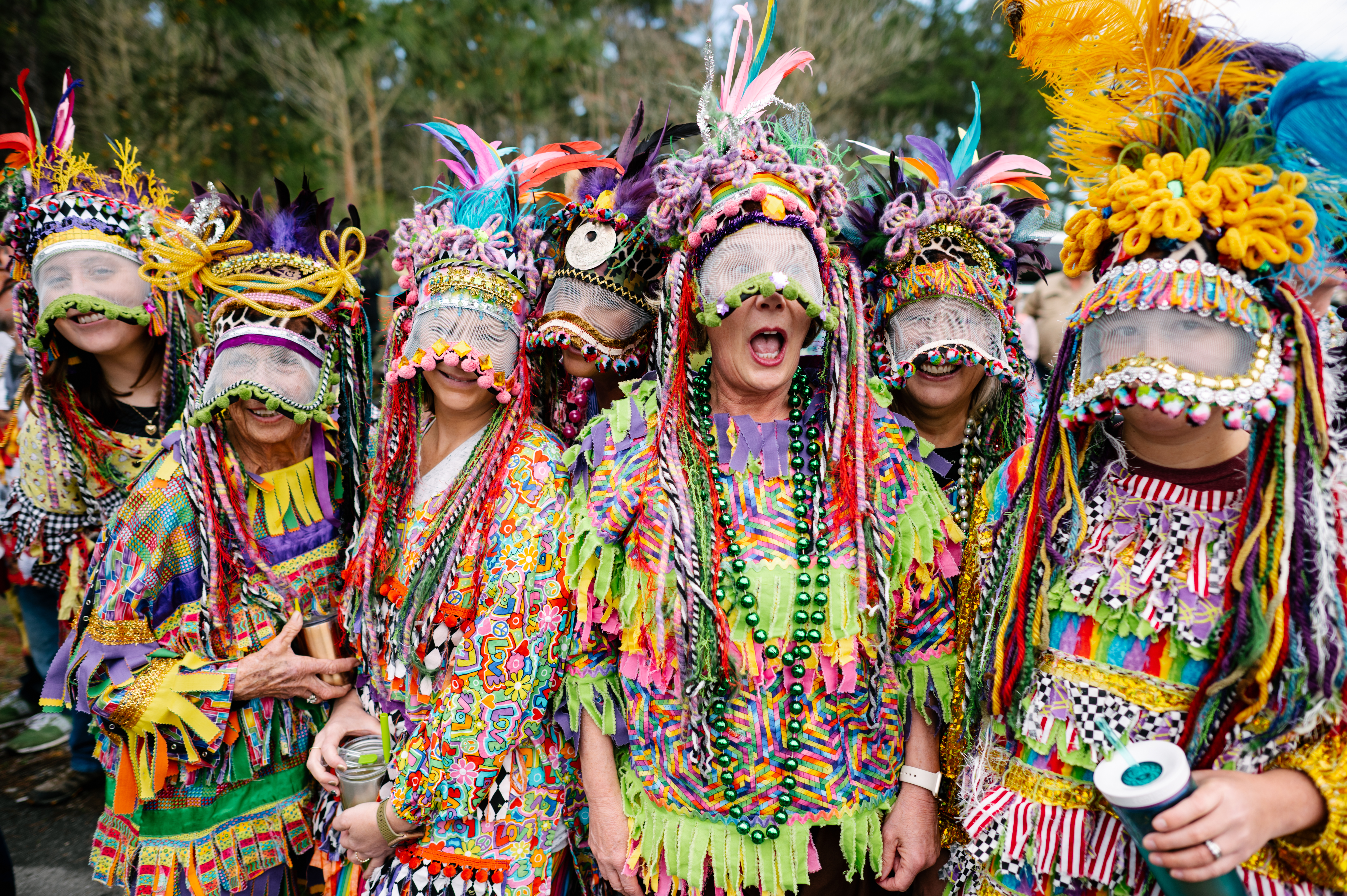
Why Mardi Gras is More Than Just a Party
Ultimately, Mardi Gras is an expression of Louisiana’s unique identity. It’s a period of collective effervescence, a moment for communities to come together, to celebrate life, heritage, and the sheer joy of existence before the quiet reflection of Lent. It’s an opportunity to immerse oneself in local culture, witness incredible artistry, savor unparalleled food, and be part of a tradition that has thrived for centuries. Whether you’re planning a luxurious escape, a budget-friendly adventure, or a family trip, experiencing Mardi Gras in Louisiana offers a travel experience unlike any other – a vibrant, unforgettable journey into the heart and soul of a truly extraordinary state. So, mark your calendars for Fat Tuesday, and prepare for the greatest free show on Earth!
LifeOutOfTheBox is a participant in the Amazon Services LLC Associates Program, an affiliate advertising program designed to provide a means for sites to earn advertising fees by advertising and linking to Amazon.com. Amazon, the Amazon logo, AmazonSupply, and the AmazonSupply logo are trademarks of Amazon.com, Inc. or its affiliates. As an Amazon Associate we earn affiliate commissions from qualifying purchases.