
Mention “snow” and “Florida” in the same sentence, and most people conjure images of a paradox, a geographical oxymoron. Florida, the Sunshine State, is renowned globally for its perpetually warm climate, sun-drenched beaches, and a vibrant tourism industry built on endless summer. It’s a beacon for those escaping the harsh winters of the north, a destination synonymous with bikinis, theme parks, and palm trees swaying in a gentle breeze. So, the question, “Will it snow in Florida?” seems almost rhetorical, designed to elicit a chuckle or a dismissive wave of the hand. Yet, the answer is not a definitive “never,” but rather a resounding “rarely, but it has happened.”
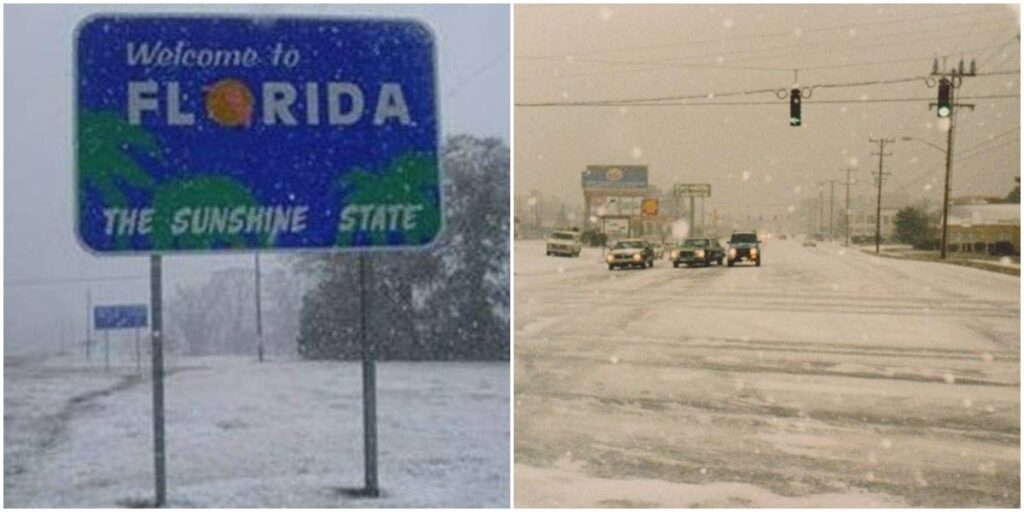
While a pristine, white blanket of snow transforming the iconic landscapes of Miami, Orlando, or Key West is undeniably a fantastical notion for most Floridians and visitors alike, history tells a different story. These events are exceptional, often making national headlines and becoming generational folklore. For travelers planning a getaway, understanding Florida’s winter climate – which can dip into surprisingly chilly temperatures even without snow – is crucial for an optimal experience. From packing essentials to choosing the right accommodation, and from exploring unique seasonal activities to embracing the local culture, preparing for Florida’s cooler side ensures your trip remains warm and wonderful, regardless of the weather.
The Unlikely White Blanket: A Florida Rarity
The allure of Florida lies significantly in its subtropical to tropical climate, making the idea of snowfall a genuinely unusual phenomenon. For millions of travelers, the promise of warmth is why they book flights and hotel rooms to destinations like South Beach or Walt Disney World Resort. However, to say it never snows in Florida would be inaccurate. These rare occurrences are typically isolated to the northern parts of the state, particularly the Panhandle, and even then, are usually fleeting flurries that melt almost immediately upon contact with the relatively warm ground.
A Historical Glimpse: When Florida Saw Snow
Throughout its recorded history, Florida has experienced several documented snowfalls, each event leaving an indelible mark on local memory and often becoming a humorous anecdote for those who witnessed it.
One of the most notable snow events occurred on January 19, 1977. This date is etched into the collective consciousness of many Floridians because it marked the furthest south snow had ever fallen in the state, reaching as far as Miami. While it wasn’t a significant accumulation, residents woke up to light flurries, a sight so foreign that children ran outside in their pajamas to touch the ephemeral white specks. Schools were delayed, and general disbelief permeated the air. For a state so unprepared for such an event, it was both a spectacle and a minor logistical challenge.
Other historical snowfalls include:
- February 13, 1899: This remains arguably the most significant snow event in Florida’s history. A powerful cold wave brought measurable snow to much of the state, including accumulation as far south as Tampa and even light snow flurries reaching Fort Myers. Reports described citrus crops being devastated and a landscape transformed into a temporary winter wonderland.
- December 23, 1989: A pre-Christmas cold front brought snow to Jacksonville and other parts of North Florida, providing a rare white Christmas for some lucky residents.
- January 2-3, 2018: Tallahassee and surrounding areas in the Panhandle experienced their first measurable snowfall in decades, with accumulations of up to an inch in some places. The event prompted school closures and delighted locals, creating a surreal backdrop to the state’s capital.
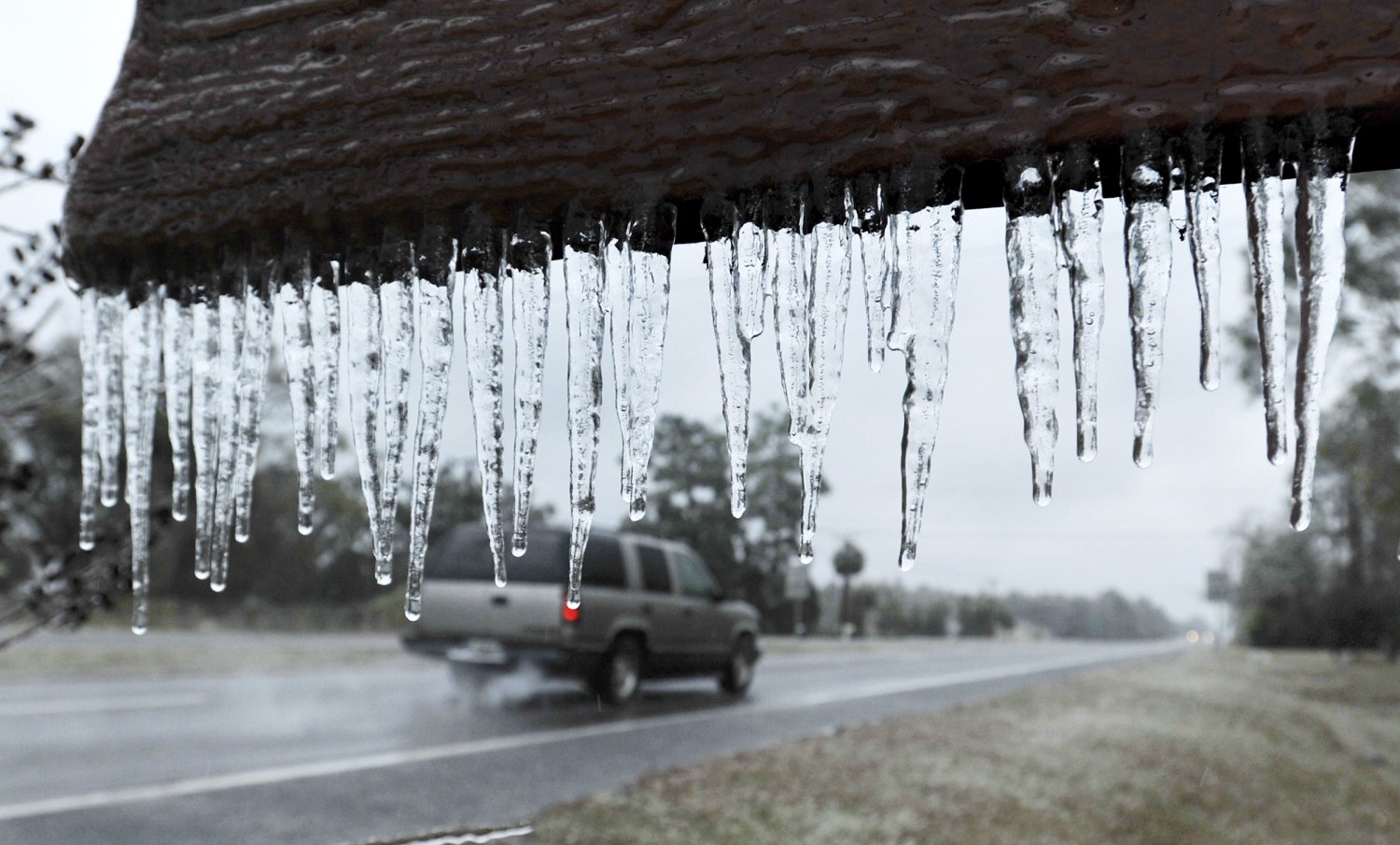
These instances, while memorable, underscore their extreme rarity. They are not annual occurrences, nor even decadal expectations for most of the state.
The Science Behind the Scarcity: Why Florida Stays Warm
The primary reasons Florida rarely sees snow are its geographical location and the influence of surrounding warm water bodies.
- Latitude: Florida is the southernmost state in the continental USA. Its latitude places it firmly in subtropical and tropical zones, where solar radiation is high, maintaining warm temperatures throughout most of the year.
- Proximity to Warm Water: The peninsula is flanked by the warm waters of the Gulf of Mexico to the west and the Atlantic Ocean to the east. The powerful Gulf Stream current, in particular, flows offshore along the Atlantic Coast, acting like a thermal blanket that keeps coastal temperatures mild, even in winter. These warm waters prevent temperatures from dropping low enough for sustained snowfall.
- Lack of Consistent Cold Air: For snow to fall, two conditions must be met: the air temperature throughout the entire atmospheric column (from the clouds to the ground) must be at or below freezing (32°F or 0°C), and there must be sufficient moisture in the air. While Florida certainly gets moisture, it’s exceedingly rare for cold, dry Arctic air masses to penetrate deeply enough into the state and combine with enough moisture to produce snow. Even when cold fronts sweep through, the ground and lower atmosphere are often too warm, causing any precipitation to fall as rain or sleet rather than snow.

Beyond the Snowfall: Preparing for Florida’s Winter Chill
While snow might be a fascinating anomaly, cooler temperatures are a more common reality during Florida’s winter months (roughly December to February). These cold snaps, sometimes lasting a few days, can bring temperatures down into the 30s and 40s Fahrenheit, particularly in North and Central Florida. Even South Florida, including Miami and the Florida Keys, can experience chilly mornings and evenings, requiring more than just beachwear.
Packing Smart: Essentials for a Florida Winter Trip
Understanding the potential for cooler weather is key to enjoying your Florida trip during winter. Forget the assumption that it’s always warm.
- Layering is Key: The best strategy is to pack versatile clothing that can be layered. Think t-shirts for warm afternoons, long-sleeved shirts, light sweaters or cardigans for cooler evenings, and a medium-weight jacket or fleece for chilly mornings and cold snaps.
- Warmth for Evenings: Even if the daytime is pleasant, temperatures can drop significantly after sunset. A comfortable jacket, closed-toe shoes, and perhaps a scarf can make a big difference, especially if you plan to enjoy outdoor dining, theme park parades, or evening strolls.
- Rain Gear: Winter months can still bring rain, so a light, waterproof jacket or a compact umbrella is always a good idea.
- Swimwear is Still a Must: Don’t forget your swimsuits! While pool temperatures might be cooler, many resorts heat their pools, and the ocean can still be refreshing on warmer days, especially in South Florida. For colder days, heated pools and hot tubs become invaluable amenities.
- Sun Protection: Even in winter, the Florida sun is strong. Sunscreen, sunglasses, and a hat are year-round essentials.
Seasonal Activities and Attractions: Embracing Florida’s Cooler Side
Cooler weather doesn’t mean a lack of things to do; it simply shifts the focus of activities, sometimes opening up unique opportunities.
- Theme Parks: Orlando’s world-famous theme parks like Walt Disney World Resort and Universal Studios Florida are still bustling in winter. In fact, fewer crowds (outside of major holidays like Christmas and New Year’s Eve) and more comfortable temperatures for walking can make it a prime time to visit. Water parks might be less appealing on colder days, but the main parks offer plenty of indoor attractions and shorter wait times.
- Wildlife Viewing: Winter is prime time for spotting wildlife. Manatees congregate in warmer spring waters like Crystal River or Weeki Wachee Springs State Park, offering incredible viewing opportunities. Birds migrate south, making places like the Everglades National Park a birdwatcher’s paradise.
- Cultural and Historical Exploration: Cooler temperatures are ideal for exploring Florida’s rich history and vibrant arts scene. Wander the cobblestone streets of St. Augustine, America’s oldest continuously inhabited European-established settlement, visit museums like the Ringling Museum of Art in Sarasota or the Salvador Dalí Museum in St. Petersburg, or immerse yourself in the Cuban culture of Little Havana in Miami.
- Outdoor Sports and Recreation: Golf, tennis, cycling, and hiking are often more enjoyable in the cooler, less humid winter air. Many state parks, like Ocala National Forest or Myakka River State Park, offer scenic trails and outdoor activities.
- Festivals and Events: Florida’s winter calendar is packed with unique events, from art festivals like Art Basel Miami Beach to local seafood festivals, boat shows, and holiday celebrations. Check local tourism guides for specific dates and locations.
Florida Accommodation and Winter Travel: What to Expect
Choosing the right accommodation and navigating travel logistics becomes even more important when considering the potential for cooler winter weather in Florida. The state offers a vast array of lodging options, from luxury resorts to budget-friendly apartments, catering to every travel style and need.
Choosing Your Winter Retreat: Hotels and Resorts
When booking hotels and other accommodation during Florida’s winter, consider amenities that enhance comfort during cooler spells.
- Heated Pools and Hot Tubs: Many resorts, especially those catering to winter visitors, ensure their pools are heated year-round. This is a crucial amenity for families and anyone hoping to enjoy a swim even if air temperatures are lower. Look for properties that explicitly mention heated pools, and confirm temperatures if possible.
- Indoor Activities and Amenities: On particularly cold or rainy days, having on-site indoor activities can be a lifesaver. This could include indoor dining options, spas, fitness centers, game rooms, or even children’s activity centers. Resorts like Gaylord Palms Resort & Convention Center in Kissimmee offer extensive indoor experiences.
- Room Comfort: Ensure your room has adequate heating. While air conditioning is standard, heating might be less robust in older properties. Reading reviews on platforms like TripAdvisor or Booking.com can provide insights into guest experiences regarding room comfort during cooler months.
- Location and Accessibility: Choose accommodation strategically. If you’re visiting Orlando for theme parks, staying close to the action minimizes travel time in potentially chilly weather. For beach holidays, consider properties directly on the beach, like The Don CeSar Hotel in St. Pete Beach or Fontainebleau Miami Beach, where you can enjoy the ocean views even if it’s too cool to swim.
- Villas and Apartments: For longer stays or family trips, renting a villa or apartment through services like Airbnb or VRBO can provide more space and amenities like full kitchens, which are great for cozy nights in. Ensure these properties are equipped with efficient heating systems.
Navigating Florida Travel During Cooler Months
Winter travel to Florida typically means fewer concerns about hurricanes, which is a major advantage. However, there are still considerations:
- Booking and Pricing: While peak winter holidays (like Christmas and New Year’s Eve, or Spring Break) see high demand and prices, the periods immediately before and after these holidays often offer more favorable rates and fewer crowds. Booking in advance is always recommended, especially for popular destinations and quality resorts. Websites like Expedia, Priceline, Google Flights, and Kayak can help compare options.
- Transportation: Florida’s extensive road network (I-95, I-75, I-4, and scenic routes like A1A along the coast) generally remains unaffected by winter weather, making car rentals a convenient option for exploring the state. Public transport is less comprehensive outside of major cities, so having a car offers flexibility.
- Flexibility: While rare, severe cold snaps can sometimes lead to localized disruptions, such as warnings for citrus growers or temporary closures of outdoor attractions that rely on warmer temperatures. Staying informed via local weather forecasts from sources like The Weather Channel or the National Weather Service can help you adjust plans if needed.
Embracing Florida’s Unique Climate: A Lifestyle Perspective
The question of snow in Florida ultimately highlights the state’s unique position at the intersection of temperate and tropical climates. This duality shapes not only its environment but also its local culture, lifestyle, and the experiences it offers to visitors.
From Snowbirds to Surfers: The Diverse Florida Experience
Florida’s appeal extends to a vast demographic, largely due to its predictable warmth.
- Snowbirds: A significant aspect of Florida’s winter lifestyle is the influx of “Snowbirds” – seasonal residents from colder northern states in the USA and Canada who migrate south for the winter. This demographic often seeks long-term accommodation, bringing with them a vibrant community spirit and contributing significantly to the local economy. Their presence contributes to a lively atmosphere, particularly in communities like The Villages or along the Gulf Coast in places like Naples and Sarasota.
- Family Trips: Families continue to flock to Orlando and other attractions, finding that cooler temperatures can make theme park visits more manageable, especially with young children.
- Budget and Luxury Travel: Whether seeking a luxurious escape at a five-star resort like The Ritz-Carlton, Amelia Island or a budget-friendly stay in a comfortable apartment, Florida caters to all. Winter, outside of holiday surges, can sometimes offer good value for money, especially when factoring in the comfortable weather.
- Business Stays: Major cities like Miami, Orlando, and Tampa host numerous conventions and business events throughout the year. Winter provides a pleasant climate for business travelers to extend their stays for leisure or enjoy outdoor networking opportunities.
- Outdoor Enthusiasts: From surfers catching waves on the Atlantic Coast (often in wetsuits during cooler months) to hikers exploring state parks, Florida’s diverse natural landscapes offer year-round opportunities for outdoor adventure.
Local Culture and Culinary Delights in Cooler Weather
The local culture in Florida adapts to, and often celebrates, its unique climate.
- Festive Ambiance: During the winter holidays, Florida transforms with dazzling light displays, festive decorations, and special events. Theme parks put on spectacular shows, and coastal towns host boat parades and Christmas markets. It’s a chance to experience the holidays with a distinctly tropical twist, trading snow angels for sand sculptures.
- Culinary Experiences: While not known for traditional “winter foods” like stews and heavy roasts in the same way colder regions are, Florida cuisine offers its own comforts. Think warm bowls of fresh seafood bisque, hearty Cuban sandwiches, or stone crab claws (in season during winter). The state’s vibrant farm-to-table movement means fresh produce is abundant, even in cooler months. Enjoying outdoor dining on a crisp evening, perhaps with a patio heater, is a delightful experience unique to Florida’s mild winters.
- Community Gatherings: Cooler weather often brings communities together for outdoor markets, live music events, and sporting gatherings that might be too hot to enjoy in the peak summer months. It’s a wonderful opportunity to experience the local flavor and interact with residents.
In conclusion, while the dream of a snowy Florida remains largely a fantasy, the rare historical occurrences serve as fascinating footnotes in the state’s story. For the pragmatic traveler, understanding Florida’s actual winter climate – one of pleasant warmth interspersed with cooler, refreshing days – is key. By packing smart, choosing suitable accommodation, and embracing the myriad of activities available, visitors can fully enjoy a Florida winter, making it a comfortable and memorable escape from colder climes without ever having to worry about shoveling snow. The Sunshine State, even with a hint of chill in the air, continues to shine brightly as a premier travel destination, offering a lifestyle of leisure and adventure year-round.
LifeOutOfTheBox is a participant in the Amazon Services LLC Associates Program, an affiliate advertising program designed to provide a means for sites to earn advertising fees by advertising and linking to Amazon.com. Amazon, the Amazon logo, AmazonSupply, and the AmazonSupply logo are trademarks of Amazon.com, Inc. or its affiliates. As an Amazon Associate we earn affiliate commissions from qualifying purchases.