
Louisiana, often called the Pelican State, stands as a vibrant tapestry woven from rich history, diverse cultures, and a unique political landscape. More than just a destination, it’s a living testament to centuries of indigenous heritage, French and Spanish colonial influences, and a resilient spirit shaped by the Mississippi River and the Gulf of Mexico. For anyone looking to understand the soul of Louisiana, whether for travel, accommodation, or simply appreciating its distinctive lifestyle, it’s essential to grasp the structure and function of its government. This framework not only maintains law and order but also plays a crucial role in preserving the state’s iconic culture, fostering its unique tourism offerings, and managing its diverse resources.
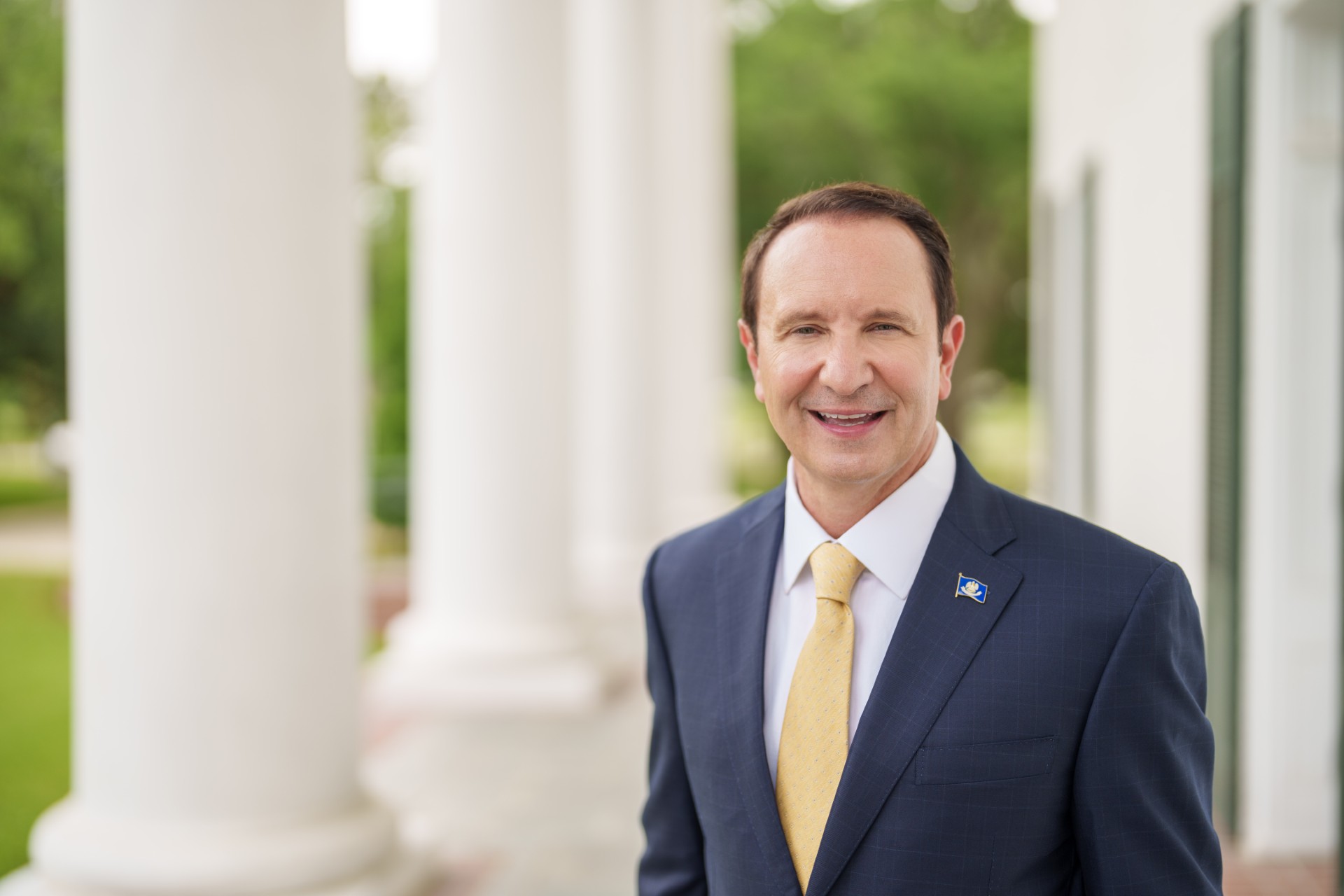
Unlike many other states in the United States, Louisiana retains elements of its civil law tradition, inherited from its French and Spanish past, which subtly influences its legal and governmental operations. This distinctiveness is reflected in everything from its parish system (instead of counties) to the specific roles and powers of its elected officials. Understanding “who is the government of Louisiana” means delving into the intricate web of state and local bodies that collectively steer the future of this enchanting land, from the bustling streets of New Orleans to the serene bayous of Cajun Country. These governmental entities are not just administrative bodies; they are stewards of a cultural legacy that attracts millions of visitors annually, ensuring the preservation of landmarks, the regulation of tourism activities, and the promotion of a lifestyle celebrated worldwide.
The Spirit of Louisiana: A State Forged by History and Governance
Louisiana’s governmental structure mirrors the classic American model of three branches: Executive, Legislative, and Judicial. However, the flavor and function of these branches are distinctly Louisiana. This tri-partite system ensures checks and balances while operating within the unique socio-economic and cultural context of the state. The decisions made within these branches directly impact the quality of life for residents and the experience for visitors, influencing everything from infrastructure development that supports travel to policies that protect the state’s natural beauty and historic sites.
The state’s capital, Baton Rouge, is not only the center of its political power but also a significant hub for history and culture. The Louisiana State Capitol Building, a magnificent skyscraper landmark, stands as a symbol of the state’s ambition and unique architectural heritage. Here, under its towering art deco facade, the machinery of government hums, shaping the destiny of a state renowned for its hospitality, its vibrant festivals like Mardi Gras, and its unparalleled culinary scene. The state’s government plays a vital role in balancing economic development, environmental protection, and cultural preservation – key aspects that define the Louisiana experience for both its citizens and the global traveler.
The State’s Executive Power: Leading the Pelican State
The executive branch in Louisiana is responsible for implementing and enforcing the laws of the state, managing state agencies, and acting as the chief representative for Louisiana both domestically and internationally. This branch is central to setting the agenda for economic growth, tourism promotion, and disaster preparedness, all of which are crucial for the state’s appeal as a travel destination and a place to live.
The Governor: Head of State
At the helm of the executive branch is the Governor, who serves as the chief executive officer of the state. Elected for a four-year term, the Governor holds immense responsibility, akin to a CEO overseeing a complex and diverse enterprise. The Governor’s duties are extensive, including:
- Budgeting: Proposing and overseeing the state budget, which dictates funding for everything from education and healthcare to roads and bridges vital for seamless travel.
- Appointments: Appointing numerous state officials, board members, and commissions, influencing the direction of various state departments, including those related to tourism and environmental protection.
- Legislative Influence: Vetoing bills passed by the legislature, calling special sessions, and championing specific legislative priorities that can impact the state’s economy, infrastructure, and cultural initiatives.
- Commander-in-Chief: Leading the Louisiana National Guard during state emergencies, a critical role given Louisiana’s vulnerability to hurricanes and other natural disasters, which can significantly affect tourism and accommodation sectors.
- Public Face: Representing Louisiana on the national and international stage, actively promoting the state’s unique attractions, investment opportunities, and its vibrant culture. This public relations aspect is invaluable for attracting visitors and businesses, thereby supporting the travel and hotel industries.
The Governor’s vision and leadership are instrumental in shaping Louisiana’s image, driving policies that support its incredible tourism industry, and ensuring the infrastructure is robust enough to welcome visitors and support local life.
Key Executive Offices: Aiding Governance
Beyond the Governor, several other statewide elected officials play crucial roles in the executive branch, each contributing to the effective functioning of the state:
- Lieutenant Governor: Often considered the state’s second-in-command, the Lieutenant Governor is constitutionally designated to head the Department of Culture, Recreation and Tourism. This makes them a pivotal figure in promoting Louisiana as a prime travel destination, overseeing state parks, museums, historical sites, and cultural programs. Their office is vital for developing tourism strategies, attracting new visitors, and preserving the local culture that makes Louisiana so compelling. This direct link between an executive office and tourism highlights the state’s recognition of its cultural and recreational assets as key economic drivers.
- Attorney General: As the chief legal officer of the state, the Attorney General acts as the state’s lawyer, representing Louisiana in legal matters and providing legal advice to state agencies. This office ensures the legality of state policies, protects consumers, and enforces laws, which indirectly contributes to a safe and regulated environment for businesses, residents, and tourists.
- Secretary of State: This office is the keeper of the Great Seal of the State of Louisiana and the chief election official. The Secretary of State handles corporate registrations, maintaining vital business records that are essential for economic activity, including the establishment of hotels, tour operators, and other tourism-related enterprises. They also oversee archives and public records, preserving historical documents that are often of great interest to tourists and researchers.
- Treasurer: The Treasurer is responsible for managing the state’s finances, including banking, investments, and issuing bonds. Their judicious management of state funds directly impacts the availability of resources for public services and infrastructure projects, which are fundamental to both the daily lives of citizens and the overall visitor experience.
- Commissioner of Agriculture and Forestry: This office promotes and regulates the state’s agricultural and forestry industries. Given Louisiana’s rich culinary traditions and reliance on local produce, the work of this office is deeply intertwined with the state’s food culture, which is a major draw for tourism. They ensure food safety and promote sustainable practices that protect the natural landscapes enjoyed by outdoor enthusiasts.
- Commissioner of Insurance: The Commissioner of Insurance regulates the insurance industry within the state, ensuring fair practices and protecting consumers. This role is particularly critical in Louisiana due to its exposure to natural disasters, affecting property owners, businesses, and the hospitality sector alike.
Crafting Laws and Upholding Justice: The Legislative and Judicial Branches
The legislative and judicial branches work in tandem to create and interpret the laws that govern Louisiana. Their decisions have profound implications for civil liberties, economic regulations, and the preservation of the state’s unique character, all of which indirectly shape its appeal as a destination.
The Legislative Assembly: Voice of the People
The legislative power in Louisiana is vested in the Louisiana State Legislature, a bicameral body consisting of two chambers:
- Louisiana State Senate: Comprising 39 members elected for four-year terms, the Senate plays a vital role in reviewing and approving legislation.
- Louisiana House of Representatives: With 105 members, also serving four-year terms, the House is where many bills originate and are debated.

Together, these bodies introduce, debate, and pass laws covering a vast array of topics, from taxation and public services to environmental protection and cultural funding. Their legislative actions directly influence the business climate for hotels and accommodation providers, the regulatory framework for tourist attractions, and funding for infrastructure projects that enhance accessibility for travelers. For instance, laws related to casino gaming, alcohol sales, or historical preservation all stem from the legislature and deeply impact the tourism and lifestyle sectors of Louisiana. The debates and decisions made within the hallowed halls of the Louisiana State Capitol Building in Baton Rouge directly sculpt the landscape of opportunities and challenges for residents and visitors alike.
The Judicial System: Interpreting the Law
The judicial branch is responsible for interpreting the laws of the state and administering justice. Louisiana’s legal system, with its blend of common law and civil law influences, is particularly fascinating. This branch ensures that laws are applied fairly, providing a stable legal environment essential for both residents and visitors.
The state’s court system operates on several tiers:
- Louisiana Supreme Court: Located in New Orleans, this is the highest court in the state, comprising a chief justice and six associate justices elected to 10-year terms. It hears appeals from lower courts and has final say on legal interpretations within the state. Its rulings can set precedents that affect everything from property rights (relevant for hotel development) to consumer protection (important for tourism services).
- Court of Appeal: Organized into five circuits across the state, these courts hear appeals from district courts.
- District Courts: These are the primary trial courts with general jurisdiction over civil and criminal matters. There are 42 judicial districts in Louisiana.
- Specialized Courts: Including Family Courts, Juvenile Courts, and Parish Courts handle specific types of cases.
- Local Courts: Justice of the Peace Courts and Mayor’s Courts handle minor civil cases and traffic offenses, providing grassroots legal services that touch upon everyday life and travel incidents.
The integrity and efficiency of the judicial system contribute to the overall perception of safety and fairness within Louisiana, an important factor for both residents and potential tourists seeking a reliable and enjoyable experience.
Local Governance: The Heartbeat of Louisiana’s Communities
While state government sets the overarching framework, it is the local government that most directly impacts the daily lives of Louisiana citizens and shapes the immediate environment for visitors. Louisiana’s unique parish system is a direct inheritance from its French colonial past, differentiating it from the county systems found in other U.S. states.
Parishes and Police Juries: Unique Local Structures
Louisiana is divided into 64 Parishes, each acting as a local governmental unit similar to a county. The governing body for most parishes is the Police Jury, an elected council that performs legislative and executive functions for the unincorporated areas of the parish. In some larger parishes, such as Jefferson Parish or East Baton Rouge Parish, a consolidated government system might be in place, often led by a Parish President or a Mayor-President.
These local bodies are responsible for a wide range of services and regulations that are crucial for residents and tourists alike:
- Infrastructure: Maintaining local roads, drainage systems, and public utilities, which directly affects ease of travel and access to attractions.
- Public Safety: Supporting parish sheriff’s departments and local fire protection, ensuring a safe environment for communities and visitors.
- Zoning and Planning: Regulating land use and development, which influences where new hotels, restaurants, or tourist facilities can be built and how historical areas are preserved.
- Local Tourism Initiatives: Many parishes actively promote their unique local attractions, from historical sites and museums to festivals and natural parks, creating guides and experiences for visitors.
The decisions made by a police jury or a parish president can significantly shape the character of a local community, influencing its attractiveness as a place to live, visit, or invest in accommodation.
Municipalities: Urban and Town Management
Within the parishes are numerous cities, towns, and villages, each with its own municipal government. These range from the bustling metropolis of New Orleans to charming smaller towns throughout the state. Most municipalities are governed by an elected Mayor and a City Council or similar body.
Municipal governments are directly responsible for:
- City Services: Providing police and fire protection, sanitation, and local public works.
- Business Regulation: Issuing licenses and permits for local businesses, including those in the hospitality sector, such as hotels, bed and breakfasts, and restaurants.
- Cultural and Recreational Programs: Funding and organizing local events, parks, and community centers, which enrich the local lifestyle and offer activities for visitors.
- Historic Preservation: Especially in cities like New Orleans with its iconic French Quarter, municipal governments play a critical role in preserving historical landmarks and architectural heritage through specific ordinances and commissions.
These local governments are the frontline stewards of Louisiana’s unique urban and town characters, directly impacting the local culture, food scene, and the overall experience for anyone exploring these destinations.
Government, Culture, and the Louisiana Experience: A Symbiotic Relationship
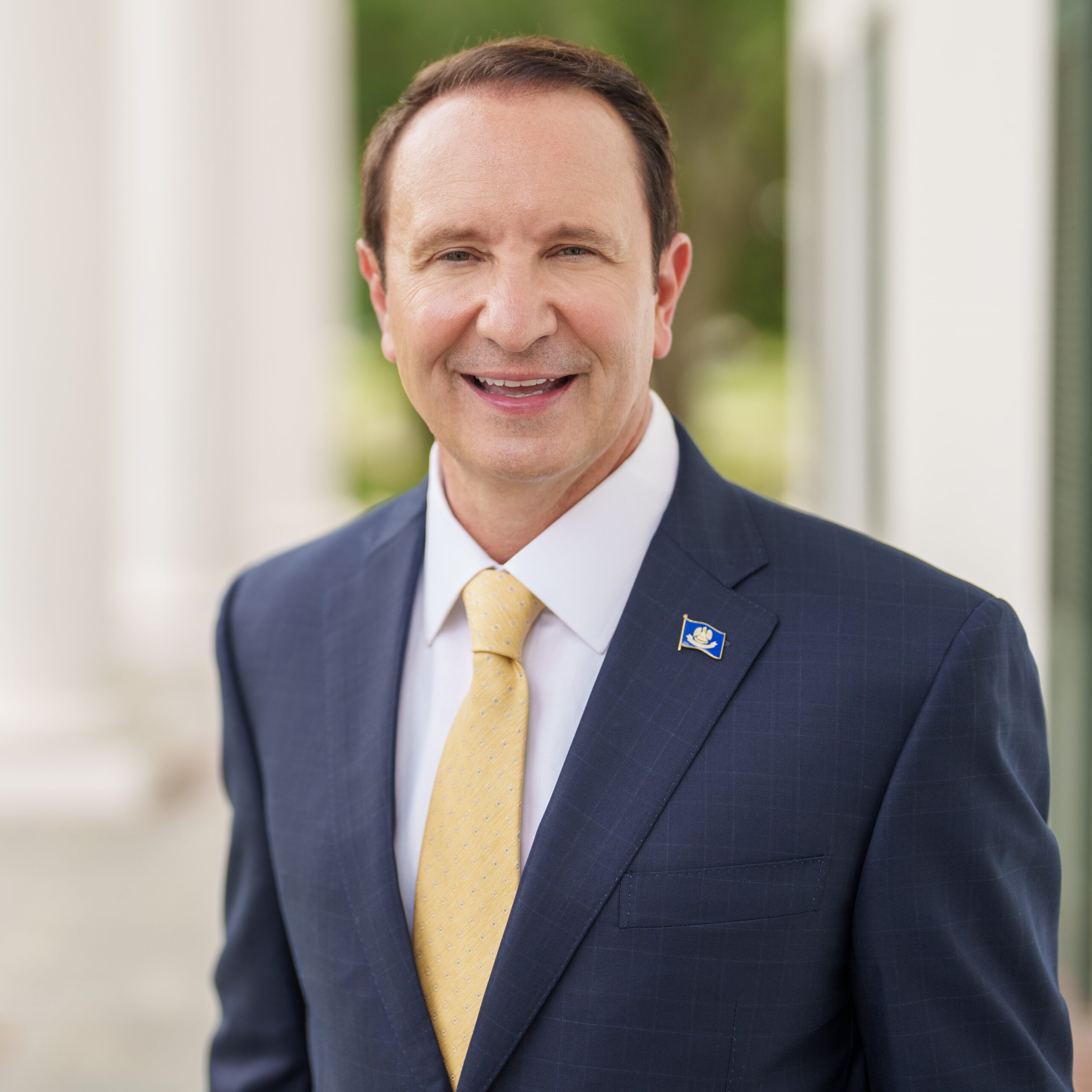
The government of Louisiana, at all levels, plays an indispensable role in shaping and preserving the state’s extraordinary cultural identity and its reputation as a premier travel destination. From the Governor’s commitment to economic development and disaster resilience to the local city council’s efforts in historic preservation, every layer of governance contributes to the “Louisiana experience.”
The state’s unique culture — characterized by its soulful jazz and blues music, vibrant Mardi Gras celebrations, delectable Cajun and Creole cuisine, and breathtaking natural landscapes along the Mississippi River and Lake Pontchartrain — is not merely a spontaneous phenomenon. It is actively supported, protected, and promoted through governmental policies and funding. The Department of Culture, Recreation and Tourism, under the guidance of the Lieutenant Governor, exemplifies this symbiotic relationship, working tirelessly to market Louisiana as a global hotspot for unique experiences. They develop guides for travelers, promote attractions, and ensure that the state’s rich history, from its iconic landmarks to its hidden natural gems, remains accessible and appealing.
Moreover, the regulatory framework established by the Louisiana State Legislature and enforced by the executive branch ensures that tourism and accommodation services operate to high standards. This instills confidence in visitors looking for quality hotels, resorts, or unique long-term stays. Local governments, in turn, are crucial for maintaining the charm and character of neighborhoods, fostering local food scenes, and supporting community activities that define the “local culture” aspect of tourism. Whether it’s the preservation efforts in the French Quarter of New Orleans or environmental regulations protecting the fragile ecosystems of the bayous, government plays a silent yet powerful role in curating the authentic Louisiana lifestyle that draws millions.
In conclusion, “who is the government of Louisiana?” is a question with a multifaceted answer. It is the collective work of the Governor and other statewide officials, the bicameral legislature, the robust judicial system, and the myriad parish and municipal entities. Each plays a specific, yet interconnected, role in guiding the state, protecting its citizens, and, crucially for the travel and tourism industries, safeguarding and promoting the incomparable heritage and vibrant modern life that make Louisiana truly unforgettable. Understanding this intricate system enhances appreciation for how this unique state manages its affairs and preserves the very essence of what makes it a world-class destination for travel, culture, and lifestyle.
LifeOutOfTheBox is a participant in the Amazon Services LLC Associates Program, an affiliate advertising program designed to provide a means for sites to earn advertising fees by advertising and linking to Amazon.com. Amazon, the Amazon logo, AmazonSupply, and the AmazonSupply logo are trademarks of Amazon.com, Inc. or its affiliates. As an Amazon Associate we earn affiliate commissions from qualifying purchases.