
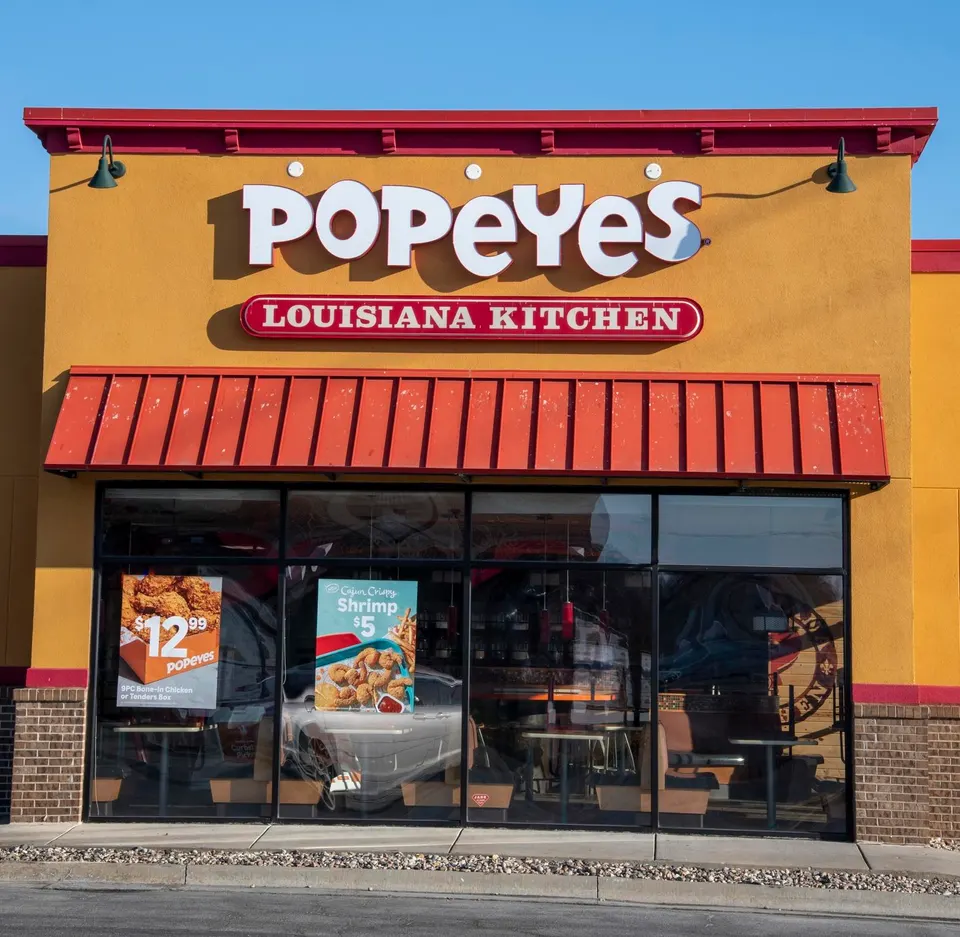
For travelers exploring new destinations, discovering local culture, or simply seeking a taste of home, the familiar sight of a Popeyes Louisiana Kitchen sign can be a welcome beacon. Renowned globally for its spicy, Louisiana-inspired fried chicken, biscuits, and delectable sides, Popeyes has cultivated a dedicated following. Its distinctive flavor profile, deeply rooted in the culinary traditions of New Orleans, offers a unique fast-food experience that stands apart. But beneath the crispy crust and tantalizing aroma lies a common question among its millions of patrons: who exactly owns this iconic brand, and what does its ownership mean for its global presence and the wider travel and tourism landscape?

The story of Popeyes’ ownership is one of corporate strategy, global expansion, and the enduring appeal of a well-loved food brand. It’s a narrative that intertwines with the very fabric of how global companies operate, how they influence local economies, and how they become an integral, albeit often overlooked, part of the modern travel experience. From bustling city centers to airport terminals, Popeyes locations serve as more than just eateries; they are often convenient points of comfort for weary travelers, a quick family meal option, or a familiar stop on a business trip. Understanding who steers this culinary ship reveals insights not only into the fast-food industry but also into the dynamic interplay between global corporations and our diverse lifestyles and travel habits.
The Global Steward: Restaurant Brands International
The answer to who owns Popeyes Louisiana Kitchen is Restaurant Brands International (RBI)), a multinational fast food holding company that has become a formidable force in the global quick-service restaurant industry. Headquartered in Toronto, Ontario, Canada, RBI acquired Popeyes in 2017 for approximately $1.8 billion. This acquisition marked a significant milestone for Popeyes, integrating it into a portfolio that already included some of the world’s most recognized fast-food chains. The strategic move by RBI was aimed at leveraging Popeyes’ strong brand recognition and unique market position to accelerate its global expansion, particularly in regions where it had a nascent or undeveloped presence.
RBI’s business model focuses on driving growth through strategic acquisitions, operational efficiencies, and a robust franchising system. By bringing Popeyes into its fold, RBI has provided the brand with the resources, expertise, and global infrastructure necessary to compete on a larger scale. This has allowed Popeyes to open new restaurants at an impressive pace, expanding its footprint across continents and bringing its distinctive Louisiana flavors to an ever-growing international audience. For travelers, this means finding a Popeyes in an increasing number of major cities and tourist hubs, offering a consistent and familiar dining option regardless of their destination. This kind of global reach by major food groups like RBI significantly influences the “food” aspect of “tourism” and the “lifestyle” choices available to travelers worldwide.
The RBI Empire and Its Global Reach
Restaurant Brands International (RBI)) is not just the owner of Popeyes; it is a titan of the fast-food world, boasting a formidable portfolio of iconic brands. Beyond the beloved chicken chain, RBI also owns Burger King, one of the world’s largest fast-food hamburger chains; Tim Hortons, a quintessential Canadian institution famous for its coffee and donuts; and Firehouse Subs, a rapidly growing sandwich chain. This diverse collection of brands gives RBI an unparalleled global presence, with restaurants in over 100 countries and territories.
The collective might of these brands under the RBI umbrella has profound implications for global travel and lifestyle. When a traveler visits a new country, they are likely to encounter at least one of these chains, offering a sense of familiarity and a predictable dining experience. This extensive network means that RBI’s brands play a role in the daily lives of millions, from commuters grabbing coffee at Tim Hortons in Canada to tourists enjoying a Whopper at Burger King in Spain, or locals indulging in Popeyes fried chicken in the Philippines. The strategic placement of these establishments in high-traffic areas – near major landmarks, transportation hubs, and popular tourist attractions – solidifies their status as accessible dining options for individuals on the go. This global integration supports various “lifestyle” aspects of travel, catering to budget travelers seeking affordable meals, families needing quick and easy options, and business travelers looking for efficient dining solutions.
The Roots of Flavor: A Louisiana Legacy
Before its integration into the global empire of Restaurant Brands International (RBI)), Popeyes Louisiana Kitchen was a culinary institution with deep, flavorful roots in the heart of Louisiana. The story began in 1972 when Al Copeland opened “Chicken on the Run” in Arabi, Louisiana, a suburb of New Orleans. After struggling for a few months, Copeland rebranded the restaurant as Popeyes, focusing on spicy, New Orleans-style fried chicken that captured the essence of local Creole and Cajun cooking. His innovative use of spices and marinades quickly distinguished Popeyes from its competitors, cementing its reputation for uniquely flavorful chicken that wasn’t just “fast food,” but a true taste experience.
The restaurant’s success was inextricably linked to the rich gastronomic heritage of Louisiana. This region is a melting pot of cultures – French, Spanish, African, and Native American – which have blended over centuries to create a cuisine renowned worldwide for its bold flavors and unique dishes. Popeyes tapped directly into this cultural wellspring, offering menu items like red beans and rice, Cajun fries, and buttermilk biscuits that resonated deeply with the local palate. For “tourism” enthusiasts, Popeyes represents an accessible entry point into understanding the culinary landscape of Louisiana, even if experienced from afar. It’s a testament to how local culture and food traditions can be successfully scaled and shared with the world, turning a regional delicacy into a global phenomenon. The brand’s origin story itself is a “landmark” in American fast-food history, signifying the power of authenticity and flavor.
Expansion and Evolution
From its humble beginnings in Arabi, Popeyes embarked on a journey of continuous expansion and evolution. Al Copeland’s vision, combined with the undeniable appeal of his spicy chicken, led to rapid franchising across the United States and eventually, internationally. Over the decades, Popeyes experienced various ownership changes and corporate restructurings, each phase contributing to its growth and refinement. These transitions, typical for successful fast-food chains, helped Popeyes adapt to changing market demands, innovate its menu, and solidify its operational infrastructure.
The brand’s expansion was not just about opening more restaurants; it was about spreading the unique flavor of Louisiana chicken to diverse palates across the globe. By the time Restaurant Brands International (RBI)) acquired it in 2017, Popeyes had already established a significant international footprint, captivating customers in countries like Canada, the Philippines, and the United Kingdom. RBI’s acquisition merely amplified this trajectory, injecting substantial capital and strategic guidance to propel Popeyes into new markets and significantly increase its global presence. This rapid growth under RBI has been a boon for “travel” and “tourism,” as Popeyes has become a recognizable and reliable dining option in an expanding array of destinations, making it easier for international travelers to find a familiar and satisfying meal.
Popeyes and the Global Travel Landscape
The presence of Popeyes Louisiana Kitchen in diverse international locations has undeniably woven it into the fabric of the global travel landscape. For many, fast-food chains are merely convenient dining options, but for travelers, they often serve a more profound role. Whether it’s the comforting familiarity of a specific taste or the accessibility of a quick meal in a foreign land, Popeyes contributes to the overall “travel” and “tourism” experience in multifaceted ways. Its strategic placement, consistent branding, and unique flavor profile have made it more than just a restaurant; it’s an accessible piece of American culinary heritage, specifically Louisiana’s vibrant food culture, available virtually anywhere.
This global footprint means that Popeyes locations can inadvertently become “landmarks” of convenience, recognizable points in bustling urban centers or quiet suburbs alike. They represent a blend of globalization and localized adaptation, catering to both the desire for comfort and the curiosity for cultural nuances. The consistency of its product, while adapted to local tastes in some markets, ensures that a traveler from New York City can enjoy a similar, satisfying meal in Seoul or London, creating a sense of continuity in an otherwise unfamiliar journey.
A Taste of Home Away From Home: Popeyes in International Travel
For many travelers, venturing into new destinations, trying local cuisine is often a highlight. However, there are moments when the comfort of familiarity becomes an invaluable asset. This is where the global presence of Popeyes Louisiana Kitchen becomes particularly relevant for “travel” and “lifestyle.” Whether it’s a student studying abroad missing home, a family with picky eaters on vacation, or a business traveler needing a quick and reliable meal, Popeyes offers a “taste of home away from home.” Its distinctive flavor, which has remained remarkably consistent across various international markets, provides a comforting anchor in an unfamiliar environment.

Popeyes has expanded into numerous countries, becoming a recognized brand in places as diverse as Canada, the Philippines, South Korea, Saudi Arabia, and the United Kingdom. In these nations, Popeyes outlets are not just places to eat; they can be points of interest for visitors, places to meet up, or simply a reliable option when navigating the complexities of foreign dining. This widespread availability contributes to the ease and enjoyment of “travel experiences,” reducing potential stress related to food choices and allowing travelers to focus on other aspects of their journey, be it sightseeing or engaging with local culture.
Experiencing Local Culture Through Global Brands
While Popeyes Louisiana Kitchen offers a consistent global brand experience, its integration into local cultures provides a fascinating layer for “tourism” and “lifestyle” exploration. Fast-food giants often adapt their menus to suit regional tastes and preferences, offering a unique blend of global familiarity and local flavor. In countries like South Korea, for instance, Popeyes might introduce limited-time offers or side dishes that incorporate local spices or ingredients, creating a fusion experience that is both recognizable and distinctly regional. Similarly, in the Middle East, menu items adhere to local dietary laws, while flavor profiles might be subtly tweaked.
These adaptations allow travelers to experience a nuanced aspect of local culture even within a global brand context. It’s a subtle form of cultural exchange, where a Louisiana-inspired brand incorporates elements from its host country. For those interested in “food” as a component of “local culture,” observing these menu variations can be an intriguing part of their travel activities. It highlights the dynamic nature of global commerce and how brands navigate the balance between maintaining their core identity and embracing the diversity of their international markets. This dynamic enriches the overall “experiences” available to tourists, providing another lens through which to view a destination.
Beyond the Meal: Popeyes as a Travel Landmark?
When we think of “landmarks,” our minds typically conjure images of historical sites, architectural marvels, or natural wonders like the Eiffel Tower in Paris, the Colosseum in Rome, or Mount Everest. However, in the context of modern travel and urban exploration, places that offer consistent services and are strategically located often function as informal “landmarks” or points of reference for travelers. A Popeyes Louisiana Kitchen outlet, while not a historical monument, can serve this purpose.
Consider a traveler navigating the bustling streets of New York City or London. The recognizable red and orange sign of Popeyes in a prominent location, such as near Times Square or a busy commercial district, can become an easy meeting point, a directional marker, or simply a familiar sight in an otherwise overwhelming urban landscape. For those using apps for “booking” or navigation, a Popeyes can be a clear reference point when giving directions or locating nearby “accommodations” or “attractions.” Its ubiquitous presence in major cities and tourist areas globally contributes to its utility as a contemporary navigational aid. This extends beyond simple physical presence; for many, the brand itself symbolizes a certain era of American culinary export, making its presence in a foreign city a soft cultural “landmark” in the journey of globalization.
The Business of Pleasure: Fast Food, Tourism, and Lifestyle
The ownership of a brand like Popeyes Louisiana Kitchen by a powerful entity like Restaurant Brands International (RBI)) highlights a critical aspect of the modern economy: the intersection of fast food, global “tourism,” and evolving “lifestyle” choices. Beyond merely providing meals, these large chains are significant economic actors, influencing employment, supply chains, and consumer behavior on a global scale. For travelers, understanding this interconnectedness helps in appreciating the vast infrastructure that supports their journeys, from grand hotels to quick-service restaurants.
The strategic planning that goes into opening a new Popeyes outlet, for example, often takes into account “destinations” and “attractions” where tourist footfall is high. This careful consideration ensures that the brand is accessible to a wide array of travelers, catering to various “lifestyle” preferences, be it luxury travel where a quick, casual meal is a break from fine dining, or budget travel where affordability is key. The presence of such brands signifies the comprehensive infrastructure built to support global mobility, making travel more convenient, comfortable, and predictable for millions.
Integrating Fast Food into Diverse Travel Lifestyles
The versatility of fast food, and particularly a globally recognized brand like Popeyes Louisiana Kitchen, allows it to integrate seamlessly into a wide spectrum of “travel lifestyles.”
- Budget Travel: For the budget-conscious traveler, Popeyes offers an appealing option. It provides substantial, flavorful meals at an affordable price point, allowing travelers to allocate more of their funds to experiences, “accommodation,” or other “attractions.” This makes it an essential consideration in “budget travel” planning.
- Family Trips: Families traveling with children often seek convenient and universally accepted dining options. Popeyes, with its kid-friendly menu items and casual atmosphere, provides a stress-free solution for “family trips,” ensuring that everyone finds something they enjoy without lengthy waits or complicated menus.
- Business Stays: For busy professionals on “business stays,” time is often a luxury. Popeyes offers a quick, efficient, and satisfying meal solution that can be grabbed between meetings or after a long day of conferences, allowing them to maximize productivity without compromising on taste.
- Luxury Travel: Even those indulging in “luxury travel,” staying in opulent “suites” or exclusive “resorts,” might occasionally crave a familiar, unpretentious, and satisfying meal. Popeyes can offer a delightful contrast to gourmet dining, a simple pleasure that fits into a diverse culinary experience.
This adaptability demonstrates how fast food, managed by entities like Restaurant Brands International (RBI)), is not just about sustenance but about supporting the diverse rhythms and demands of modern travel, making journeys smoother and more enjoyable for everyone.
Strategic Locations: From Airports to Tourist Hubs
The global proliferation of Popeyes Louisiana Kitchen locations is a masterclass in strategic placement, directly benefiting the “travel” and “tourism” industries. Restaurant Brands International (RBI)) meticulously plans the rollout of its brands, focusing on areas with high foot traffic and accessibility for travelers. This includes opening restaurants in major transportation hubs, prime urban centers, and close proximity to renowned “landmarks” and “attractions.”
Consider airports: a Popeyes outlet in a busy international airport, such as Hartsfield-Jackson Atlanta International Airport or London Heathrow Airport, serves thousands of travelers daily. It provides a quick, hot meal option for those on layovers, catching flights, or arriving in a new city. Similarly, locations near famous tourist destinations like Times Square in New York City or bustling shopping districts in Paris and London cater directly to tourists seeking a convenient meal amidst their sightseeing. This strategic deployment means that Popeyes, under RBI’s guidance, has become an integral part of the infrastructure that supports global mobility. These outlets offer reliability and a known quantity in unfamiliar surroundings, easing the “travel experiences” and impacting decisions related to “accommodation” and daily “activities” for millions worldwide.
Conclusion
The question “Who owns Popeyes Louisiana Kitchen?” leads us to Restaurant Brands International (RBI)), a powerful multinational entity that has steered the beloved Louisiana-born brand to unprecedented global heights. From its flavorful origins in Arabi to its current status as a worldwide sensation, Popeyes has transcended its fast-food classification, becoming an unexpected but vital thread in the tapestry of global “travel,” “tourism,” and diverse “lifestyles.”
Under RBI’s stewardship, Popeyes has not only expanded its reach dramatically but has also solidified its role as a familiar touchstone for travelers across continents. Whether it’s providing a comforting taste of home, offering an affordable meal for “budget travel,” or serving as a quick stop for “business stays,” Popeyes caters to a myriad of needs and preferences. Its strategic placement in airports, near “landmarks,” and within bustling “destinations” underscores how global fast-food chains are interwoven into the very infrastructure that supports our journeys.
In essence, the ownership of Popeyes by RBI reflects the intricate dynamics of modern commerce, where local flavors are scaled globally, contributing to local economies and enriching the options available to a mobile world. So, the next time you savor a piece of Popeyes’ signature fried chicken, remember that you’re partaking in a culinary journey overseen by a global giant, a journey that mirrors the expansive and interconnected world of “travel experiences” and “accommodation” choices that define our contemporary “lifestyle.”
LifeOutOfTheBox is a participant in the Amazon Services LLC Associates Program, an affiliate advertising program designed to provide a means for sites to earn advertising fees by advertising and linking to Amazon.com. Amazon, the Amazon logo, AmazonSupply, and the AmazonSupply logo are trademarks of Amazon.com, Inc. or its affiliates. As an Amazon Associate we earn affiliate commissions from qualifying purchases.