
The Maine Coon, a breed renowned for its striking appearance and gentle disposition, often earns the moniker “gentle giant” for good reason. These magnificent felines are among the largest domesticated cat breeds, captivating enthusiasts and casual observers alike with their impressive stature, luxuriant coats, and bushy tails. For many, the first encounter with a Maine Coon prompts a question that naturally arises from their imposing presence: Just how big do Maine Coons get? Understanding the typical size ranges, growth patterns, and the factors that contribute to their considerable bulk is key to appreciating these unique animals, especially for those considering welcoming one into their home, or even contemplating travel or accommodation solutions that cater to such a majestic companion.

The Majestic Stature of the Maine Coon
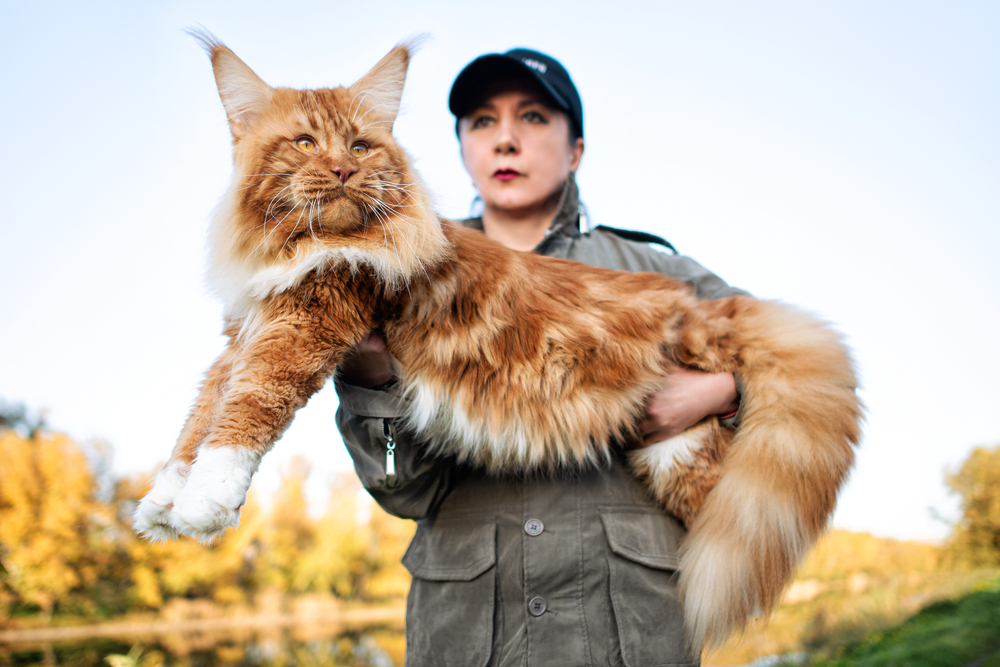
The sheer size of a Maine Coon is undoubtedly one of its most defining characteristics. Unlike most domestic cats that reach their full adult size within a year, Maine Coons take their time, maturing slowly over several years. This extended growth period contributes to their impressive final dimensions, allowing them to develop robust bone structures and dense musculature that support their grand frames.
Understanding Maine Coon Size and Growth
When discussing the size of Maine Coons, it’s important to consider both weight and length, as well as the distinction between males and females. On average, adult male Maine Coons typically weigh between 13 to 20 pounds (5.9 to 9.1 kg), though some exceptional individuals can tip the scales at over 25 pounds (11.3 kg). Females are generally a bit smaller, usually ranging from 8 to 12 pounds (3.6 to 5.4 kg), with some reaching up to 15 pounds (6.8 kg).
Beyond their weight, their length is equally remarkable. From the tip of their nose to the end of their famous bushy tail, Maine Coons can measure anywhere from 30 to 40 inches (76 to 102 cm) or more. Their tails alone can account for a significant portion of this length, often reaching up to 14 inches (35 cm), giving them an almost raccoon-like appearance, a trait that likely contributed to the “Coon” part of their name. Their height, measured from paw to shoulder, can be around 10 to 16 inches (25 to 41 cm), making them noticeably taller than most other domestic breeds.
What truly sets them apart, however, is their slow and steady growth trajectory. While most cats are fully grown by 12 to 18 months, a Maine Coon will continue to grow and fill out until they are typically 3 to 5 years old. This prolonged development allows their skeletal and muscular systems to fully mature, resulting in their characteristic powerful and large build. Genetics play a significant role in determining an individual Maine Coon’s ultimate size, with larger parents often producing larger offspring. Additionally, proper nutrition, a healthy lifestyle, and adequate veterinary care during their formative years are crucial factors that influence their growth and overall well-being, helping them to reach their full, impressive potential.
Beyond the Numbers: The Gentle Giant Persona
While the statistics of their size are certainly impressive, they only tell part of the story. The true allure of the Maine Coon lies in how gracefully they carry their considerable bulk, embodying a personality that truly lives up to their “gentle giant” reputation. Their large size is often complemented by an equally large and loving heart, making them incredibly popular as family pets.
Maine Coons are renowned for their gentle, affectionate, and intelligent nature. They often display dog-like traits, such as following their owners from room to room, coming when called, and even enjoying games of fetch. Their patience and good temperament make them excellent companions for children and other pets. Despite their imposing physical presence, they are rarely aggressive and tend to be quite playful and curious well into adulthood.
Visually, their magnificent double coat, often shaggy and water-resistant, is designed to protect them from harsh climates, a nod to their origins in the rugged New England winters. Their large, tufted ears, often topped with lynx-like tips, and expressive, wide-set eyes further enhance their majestic appearance. The combination of their substantial size, striking looks, and amiable personality creates an animal that is not just a pet, but a captivating presence in any home.
Living Large: Accommodating a Giant Companion
Owning a Maine Coon is a unique experience, largely due to their impressive size. Their physical dimensions dictate certain practical considerations, not just for their immediate living space but also for the lifestyle choices of their owners. From the layout of a home to the type of long-term accommodation chosen, making space for a “gentle giant” requires thoughtful planning.
Creating a Maine Coon-Friendly Home Environment
The first step in accommodating a Maine Coon is ensuring their home environment is suitable for their substantial size and active nature. Unlike smaller cat breeds that might content themselves with compact spaces, a Maine Coon thrives when given ample room to explore, play, and stretch out.
Space Considerations:
- Climbing and Perching: Despite their size, Maine Coons love to climb. Investing in sturdy, multi-tiered cat trees or shelves that can comfortably support their weight is essential. These structures not only provide vertical territory for exploration but also offer vantage points from which they can survey their domain.
- Scratching Posts: Large, tall scratching posts are a must. They need posts that allow them to fully extend their bodies to stretch and sharpen their claws.
- Litter Boxes: Standard litter boxes are often too small for a fully grown Maine Coon, leading to discomfort and potential accidents. Opt for extra-large or jumbo-sized litter boxes to ensure they have enough space to maneuver comfortably.
- Food and Water Bowls: Elevated and larger food and water bowls can prevent neck strain and accommodate their size, making meal times more comfortable.
Dietary Needs: Their larger size and slower metabolism mean Maine Coons have specific dietary requirements. They benefit from high-quality, protein-rich food formulated for large breeds or active cats, which supports their muscle development and energy levels without leading to excessive weight gain. Monitoring their caloric intake is crucial, as obesity can be particularly detrimental to large breeds, putting strain on their joints.
Grooming: The Maine Coon’s long, shaggy, double coat, while beautiful, requires regular grooming to prevent mats and tangles. Daily or weekly brushing, depending on the individual cat, helps maintain coat health, reduces shedding, and strengthens the bond between cat and owner.
The Lifestyle Impact: From City Apartments to Sprawling Villas
The decision to welcome a Maine Coon into one’s life often comes with lifestyle adjustments, especially concerning living arrangements. Their size inherently influences the suitability of various accommodation types, making certain choices more comfortable and beneficial for both the cat and its owners.
For individuals residing in city apartments, owning a Maine Coon is entirely feasible, but it requires mindful design. Maximizing vertical space with cat trees and shelves becomes even more critical to compensate for limited floor area. Owners might need to be more diligent about providing mental stimulation and interactive play to ensure their large cat remains engaged and active indoors. Considerations for long-term stays in serviced apartments or temporary accommodation also require careful thought; verifying pet policies and available space is paramount.
Conversely, living in sprawling villas or homes with ample outdoor access (secured enclosures are always recommended for cat safety) offers a different set of advantages. Larger homes naturally provide more room for a Maine Coon to roam and explore, which can contribute to their physical health and mental well-being. The luxury of space allows for multiple large litter boxes, expansive climbing structures, and dedicated play areas without feeling cramped.
The lifestyle of a Maine Coon owner often revolves around ensuring their pet’s needs are met within their chosen living situation. This might involve budgeting for larger quantities of food, more substantial cat furniture, and potentially higher veterinary costs. For those with a transient or travel-heavy lifestyle, the long-term implications of owning such a large and beloved companion extend to how they plan for extended trips, select accommodation, and even what destinations they choose. The importance of suitable accommodation for their well-being cannot be overstated; a happy Maine Coon is one with enough space, stimulation, and attention.
Traveling with Your Gentle Giant: A Guide for Maine Coon Owners
For the adventurous Maine Coon owner who enjoys exploring new destinations, the thought of bringing their magnificent feline along can be both exciting and daunting. While traveling with any pet requires planning, the substantial size of a Maine Coon adds an extra layer of complexity, making careful consideration of accommodations and travel logistics essential. However, with the right preparation, embarking on journeys with your gentle giant can be a rewarding experience that enhances your lifestyle and creates lasting memories.
Navigating Pet-Friendly Travel Destinations and Accommodations
The growing trend of pet ownership has led to an increase in pet-friendly travel options, but finding suitable arrangements for a large cat like a Maine Coon still requires diligence.
Researching Pet Policies:
The first and most critical step is to thoroughly research the pet policies of hotels, resorts, apartments, and any other form of accommodation you are considering. Many establishments have weight or breed restrictions that might exclude larger cats.
- Hotels & Resorts: Upscale chains like certain properties under Marriott International or Hilton Worldwide are increasingly offering pet-friendly options, but it’s vital to confirm their specific policies for larger animals. Look for properties that advertise ample space or dedicated pet amenities. Some boutique hotels or independent inns might be more flexible.
- Serviced Apartments & Villas: For longer stays, serviced apartments or rental villas (often found through platforms specializing in accommodation) can be ideal. They typically offer more space, often include outdoor areas, and can feel more like home, reducing stress for your Maine Coon. Always communicate clearly about your cat’s size when booking.
- Destinations: When choosing a destination, consider the overall pet-friendliness of the area. Are there parks or trails where your harnessed cat might safely explore (if they enjoy it)? Are local attractions generally welcoming to pets?
Planning for Travel:
- Car Travel: This is often the most comfortable option for a large cat. Ensure you have a spacious, well-ventilated carrier that allows your Maine Coon to stand, turn around, and lie down comfortably. Secure the carrier in the car to prevent it from shifting. Plan for frequent stops for water and litter box breaks (using a portable litter box).
- Air Travel: Flying with a Maine Coon can be more challenging due to their size. Most airlines require pets to fit under the seat in a carrier if they are traveling in the cabin, which is typically not possible for an adult Maine Coon. This means they would have to travel as cargo, which can be stressful and risky for any animal, especially brachycephalic (short-nosed) breeds (though Maine Coons are not short-nosed, it’s a general cargo concern). If air travel is unavoidable, consult with your vet and the airline far in advance to understand all regulations, health certificate requirements, and potential risks.
Ensuring Comfort and Safety on the Road
Successful travel with your Maine Coon hinges on meticulous preparation to ensure their comfort, safety, and well-being every step of the way.
Packing Essentials:
- Food and Water: Pack your cat’s regular food and plenty of fresh water. Changing diets during travel can lead to digestive upset.
- Litter and Portable Litter Box: A familiar litter and a travel-friendly litter box will provide comfort and familiarity.
- Medical Records and Medications: Always carry your cat’s vaccination records, a copy of their health certificate (if required), and any necessary medications with instructions.
- Comfort Items: Bring their favorite blanket, toys, or a piece of clothing with your scent to help them feel secure in unfamiliar surroundings.
- Harness and Leash: Even if your Maine Coon is indoor-only, a harness and leash are crucial for safe outdoor excursions, especially in new environments.
Minimizing Stress:
Cats are creatures of habit, and travel can be highly stressful.
- Acclimation: Get your Maine Coon used to their carrier well before the trip. Leave it open at home with treats inside to make it a positive space.
- Familiar Scents: Bring familiar items from home to help your cat feel more secure.
- Calming Aids: Discuss natural calming supplements or pheromone sprays with your veterinarian if your cat is prone to anxiety.
Finding Pet Services in New Locations: Before you depart, identify reputable veterinary clinics, pet supply stores, and even groomers near your destination. Knowing where to go in case of an emergency or for routine needs will provide peace of mind.
Ultimately, traveling with a Maine Coon can add a unique dimension to your travel experiences. It’s a testament to the bond you share, transforming a simple trip into an adventure where your majestic companion is a valued co-traveler, enriching your lifestyle wherever you go.
The Origin Story: Maine’s Natural Beauty and Its Feline Ambassador
The Maine Coon’s very name proudly announces its heritage, grounding this magnificent breed in the rugged landscapes and rich history of the United States‘s northeasternmost state. Understanding their origins provides fascinating insights into why they “get so big” and how their impressive physical traits were shaped by the challenging environments of New England. For nature lovers and those seeking unique travel experiences, a journey to Maine offers a chance to connect with the roots of this iconic feline and appreciate the natural beauty that fostered its development.
Tracing the Roots to the Pine Tree State
The exact origins of the Maine Coon are shrouded in fascinating legends and theories, but one thing is certain: they are native to the state of Maine. It is widely believed that the breed developed naturally from a mix of domestic shorthair cats brought over by early European settlers and longhaired cats from overseas, possibly Angoras or Norwegian Forest Cats, accompanying sailors or arriving with Vikings. These longhaired ancestors would have bred with the local shorthairs, and through natural selection, only the hardiest, largest, and most resourceful offspring would have survived the harsh New England winters.
This natural selection process explains many of the Maine Coon’s distinctive physical traits:
- Size: A larger body mass helps retain heat in cold climates, making their considerable size a clear advantage for survival.
- Coat: Their dense, shaggy double coat, longer on the ruff, stomach, and britches, provides excellent insulation and is water-resistant, protecting them from snow and rain.
- Paws: Large, well-tufted paws act like natural snowshoes, allowing them to walk on snow without sinking.
- Tail: Their long, bushy tail, which they can wrap around themselves for warmth, serves as an additional insulator during cold nights.
- Ears: Tufted ears, often with lynx tips, protect their ears from frostbite.
These characteristics are not merely aesthetic; they are evolutionary adaptations that allowed the Maine Coon to thrive in the rugged, forested landscapes and coastal towns of Maine. Their robust nature and resilience are directly linked to the environment where the breed evolved. Exploring the wild beauty of Acadia National Park, with its granite peaks, dramatic coastline, and dense forests, provides a vivid backdrop for understanding the conditions that shaped this magnificent feline.

Experiencing Maine: A Travel Destination for Nature Lovers and Cat Enthusiasts
For those who admire the Maine Coon, or simply appreciate breathtaking natural scenery and rich history, the state of Maine itself is a premier travel destination. Its connection to the “gentle giant” breed adds an intriguing layer to an already captivating locale.
Maine offers a diverse range of experiences that appeal to various travel styles and lifestyles:
- Coastal Charms: Explore picturesque coastal towns like Bar Harbor, the gateway to Acadia National Park. Here, you can enjoy fresh seafood, admire historic lighthouses, and take in stunning ocean views, perhaps even imagining the seafaring cats that may have contributed to the Maine Coon’s lineage.
- Outdoor Adventures: From hiking and biking in Acadia National Park to kayaking along its intricate coastline or whale watching, Maine is an adventurer’s paradise. The same rugged terrain that forged the Maine Coon’s resilience offers endless opportunities for exploration.
- Cultural Immersion: Discover local culture through art galleries, maritime museums, and vibrant fishing villages. Taste authentic New England cuisine, particularly its famous lobster, and engage with the friendly locals.
- Relaxing Retreats: For those seeking a more luxurious or relaxed pace, Maine boasts charming inns, cozy B&Bs, and upscale resorts that provide a tranquil escape amidst natural beauty. Many offer pet-friendly accommodation options, making it possible to experience the state with your own feline companion, provided you adhere to pet travel guidelines.
Visiting Maine isn’t just a trip; it’s an opportunity to connect with the spirit of an animal breed deeply intertwined with its environment. For cat enthusiasts, it’s a pilgrimage to the land where the majestic Maine Coon originated, offering a deeper appreciation for their size, resilience, and unique place in the world of domestic pets. It’s a journey into the natural heritage of a state and its most famous feline ambassador, a true gentle giant that inspires awe and affection wherever it roams.
LifeOutOfTheBox is a participant in the Amazon Services LLC Associates Program, an affiliate advertising program designed to provide a means for sites to earn advertising fees by advertising and linking to Amazon.com. Amazon, the Amazon logo, AmazonSupply, and the AmazonSupply logo are trademarks of Amazon.com, Inc. or its affiliates. As an Amazon Associate we earn affiliate commissions from qualifying purchases.