
The world of pedigree cats is a fascinating intersection of science, aesthetics, and deep passion. Among the many esteemed breeds, the Maine Coons stand out as magnificent “gentle giants” known for their impressive size, luxurious shaggy coats, bushy tails, and friendly dispositions. Originating from New England, these cats were initially hardy working animals, valued for their mousing skills. Today, however, their journey involves a meticulous process known as selective breeding, a practice where humans intentionally choose specific parents to produce offspring with desired traits. This endeavor is far more than just matching two cats; it’s a dedicated commitment to preserving and enhancing the breed’s unique characteristics, health, and temperament, often mirroring the discerning lifestyle choices of their human companions.

Selective breeding in Maine Coons is a sophisticated art form, blending scientific understanding of genetics with an aesthetic vision and an unwavering ethical responsibility. Breeders aim to produce cats that not only meet stringent breed standards but also embody robust health and a cherished temperament. For those who appreciate the finer aspects of life – whether it’s exploring exclusive resorts, indulging in luxury travel, or enjoying the comfort of bespoke accommodation – the addition of a well-bred Maine Coon to their family is often seen as a reflection of their commitment to quality and unique experiences. The journey of these cats, from their ancestral origins in the chilly forests of Maine to gracing international cat shows and becoming beloved family members across the globe, is a testament to the dedicated human effort behind their development.
The Art and Science of Maine Coon Selective Breeding
Selective breeding is fundamentally about guiding the evolution of a species to meet human-defined goals. For Maine Coons, this means meticulously selecting breeding pairs to accentuate specific physical attributes, ensure genetic health, and maintain their renowned docile personality. It’s a practice that requires extensive knowledge of genetics, a keen eye for conformation, and an understanding of the breed’s history and future trajectory. Breeders often travel extensively, attending cat shows, visiting catteries, and researching bloodlines from various regions, transforming what might seem like a local hobby into a global pursuit, akin to a sophisticated quest for the perfect specimen.
Defining the Breed Standard
At the heart of selective breeding lies the breed standard – a detailed blueprint describing the ideal characteristics of a Maine Coon. Organizations like the Cat Fanciers’ Association (CFA) and The International Cat Association (TICA) publish these standards, which encompass everything from head shape and ear set to body length, tail plume, and coat texture. For instance, a classic Maine Coon should have a square muzzle, large tufted ears, a strong muscular body, and a long, flowing tail. The coat is semi-longhaired, shaggy, and water-resistant, ideal for the harsh winters of Maine.
Breeders use this standard as their guide, evaluating each cat in their breeding program against these criteria. They look for cats that exemplify these traits, aiming to produce offspring that not only inherit these qualities but potentially improve upon them. This pursuit of perfection is an ongoing challenge, as genetics can be unpredictable. Each mating is a careful calculation, weighing the strengths and weaknesses of both parents to predict the outcome and move closer to the ideal Maine Coon. It’s a journey that might take breeders to distant destinations to find a cat with a specific trait or bloodline, turning their breeding program into an adventure of international discovery.
Genetic Principles in Practice
Understanding basic genetic principles is paramount for Maine Coon breeders. They must grasp how dominant and recessive genes determine traits like coat color and pattern, and how polygenic traits (controlled by multiple genes) influence complex characteristics such as size, conformation, and even temperament. For example, certain coat colors like red or cream are sex-linked, while the classic tabby pattern is a dominant trait.
More critically, breeders employ genetic screening to identify and mitigate hereditary health issues. Maine Coons are predisposed to certain conditions, including hypertrophic cardiomyopathy (HCM), a form of heart disease, and hip dysplasia (HD), a skeletal condition. Responsible breeders utilize DNA tests and veterinary screenings, such as echocardiograms for HCM and X-rays for HD, to ensure that prospective breeding cats are free of these genetic markers or conditions. This commitment to health ensures that the beauty and charm of the Maine Coon are not compromised by preventable suffering. It also provides peace of mind for owners seeking a healthy companion, often a key consideration for those investing in a premium pet that aligns with their discerning lifestyle and expectations of quality.
Purpose and Goals of Selective Breeding
The overarching goals of selective breeding for Maine Coons are multifaceted: to enhance desirable aesthetic traits, ensure robust health, maintain genetic diversity, and preserve their beloved temperament. This deliberate process shapes the future of the breed, ensuring its continuity and cherished status among cat enthusiasts and luxury pet owners worldwide.
Enhancing Desirable Traits
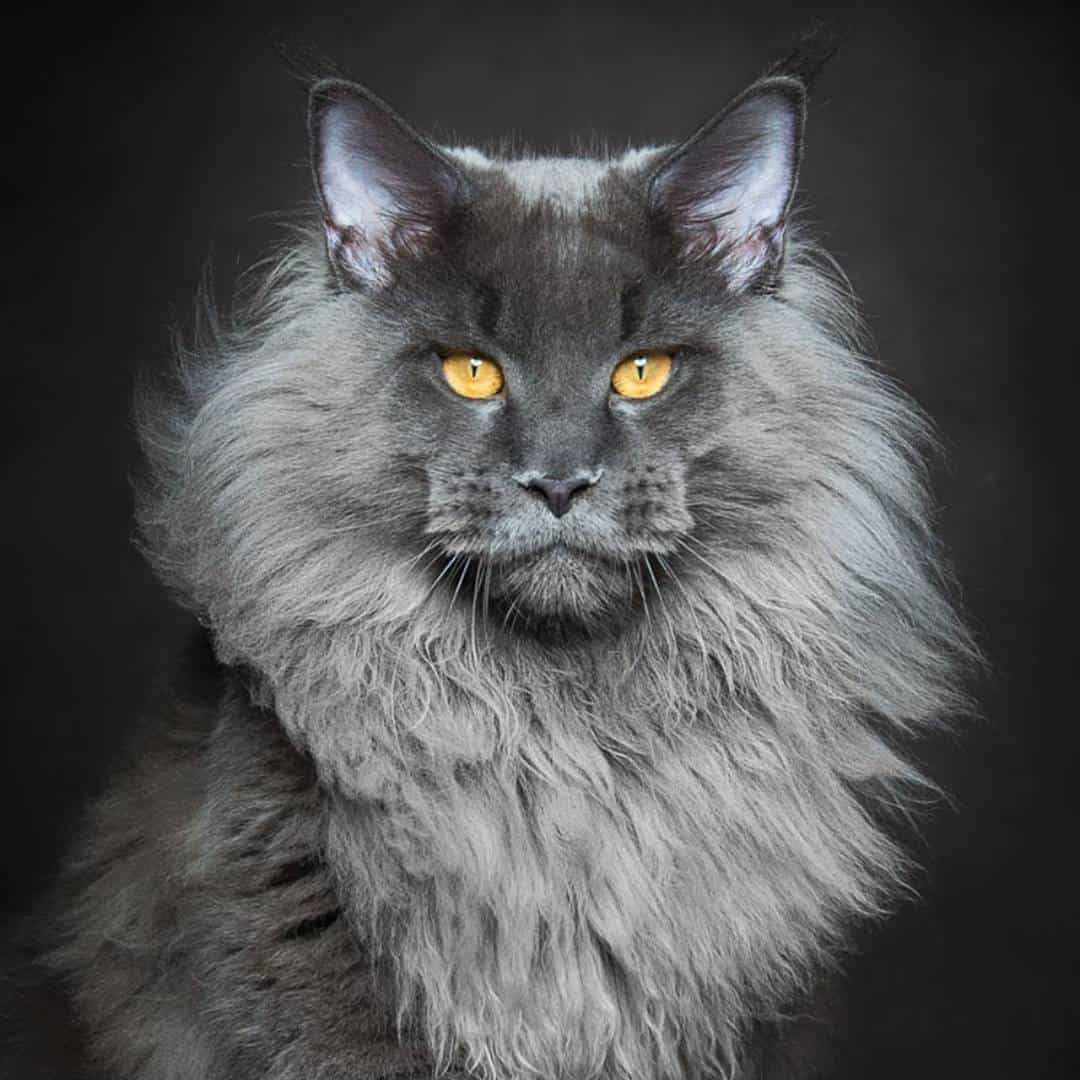
From an aesthetic standpoint, breeders strive to produce Maine Coons with striking appearances that captivate admirers at cat shows and in homes. This includes working towards rich, vibrant coat colors and distinct patterns, such as the classic brown tabby or the rarer solid colors. They also focus on achieving the impressive size for which the breed is famous, aiming for large, well-boned cats that move with a majestic grace. The characteristic ear tufts, often referred to as “lynx tips,” and the prominent ruff around the neck are also carefully nurtured through selective pairings.
Beyond these visible traits, breeders aim for balanced conformation – a harmonious blend of all physical features that results in a structurally sound and aesthetically pleasing cat. This careful curation of traits transforms each Maine Coon into a living work of art, a treasured companion that embodies both natural beauty and meticulous human dedication. For those accustomed to luxury travel and bespoke experiences, the ownership of such a magnificent, purposefully bred animal is a natural extension of their appreciation for quality and distinctiveness.
Health and Genetic Diversity
While aesthetics are important, the health and well-being of the Maine Coon breed are paramount. Responsible breeders meticulously research pedigrees to understand the genetic background of their cats, looking for lines known for longevity and freedom from hereditary diseases. They actively participate in health screening programs, often exceeding the minimum requirements set by breed organizations. This proactive approach ensures that the genetic pool remains diverse and strong, preventing the proliferation of undesirable genetic traits or weaknesses.
Maintaining genetic diversity is a delicate balance. While breeders select for specific traits, they must also avoid excessive inbreeding, which can lead to reduced vigor and an increased risk of genetic disorders. They often exchange breeding cats with other reputable catteries, sometimes internationally, to introduce new bloodlines and broaden genetic variation. This global collaboration underscores the serious commitment to the breed’s long-term health, requiring breeders to understand international protocols and sometimes arrange for specialized travel and accommodation for these valuable animals.
Temperament and Companionship
Perhaps one of the most cherished traits of the Maine Coon is its remarkable temperament. Known for being friendly, gentle, intelligent, and playful, they are often described as “dog-like” in their loyalty and affection. Selective breeding plays a crucial role in perpetuating these desirable behavioral characteristics. Breeders choose parent cats not only for their physical attributes but also for their calm, outgoing, and sociable personalities.
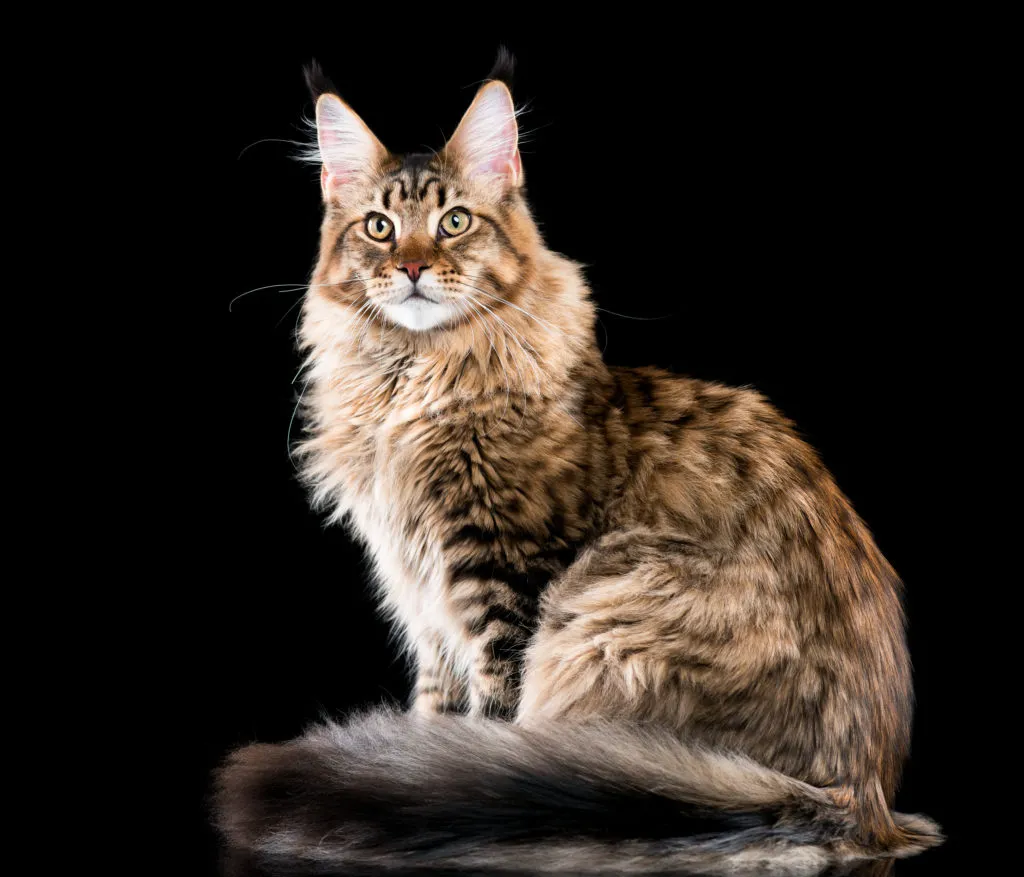
Early socialization of kittens is also key, ensuring they grow into well-adjusted adults. A well-bred Maine Coon is an ideal companion for a variety of lifestyles, from quiet households to bustling families. Their adaptable nature makes them suitable companions even for those who enjoy traveling, as they can often adjust well to new environments when properly introduced. For those seeking a loyal, affectionate, and intelligent companion to share their lives, including their adventures and stays in various hotels or villas that accommodate pets, the selectively bred Maine Coon is an unparalleled choice.
The Journey of a Maine Coon Breeder: A Lifestyle Choice
Becoming a Maine Coon breeder is rarely just a hobby; it’s a significant commitment that often evolves into a passion-driven lifestyle. It involves a blend of scientific rigor, dedicated care, and often, extensive engagement with a global community, much like those deeply involved in specific tourism niches or luxury travel experiences.
From Passion to Profession
The journey typically begins with a deep admiration for the Maine Coon breed. What starts as owning one or two beloved pets can evolve into a desire to contribute positively to the breed’s future. This transition requires significant investment in time, education, and financial resources. Aspiring breeders spend years researching bloodlines, genetic health, feline husbandry, and veterinary care. They often apprentice with experienced breeders, attend seminars, and become active members of breed clubs.
This commitment extends beyond intellectual pursuit. Breeding involves providing top-tier nutrition, regular veterinary check-ups, and an enriched environment for the cats. It includes the challenging but rewarding experience of caring for pregnant queens and raising litters of kittens, ensuring they are healthy, well-socialized, and ready for their forever homes. For dedicated breeders, this intricate process is not just about producing beautiful cats; it’s about making a lasting, positive impact on the breed and contributing to the joy of families worldwide, a dedication that often rivals the meticulous planning of bespoke travel itineraries.
Navigating the Global Breeding Community
The world of Maine Coon breeding is inherently international. To maintain genetic diversity and access specific desirable traits, breeders often collaborate across borders. This necessitates engagement with a global network of fellow enthusiasts, catteries, and organizations like the World Cat Congress. It’s not uncommon for breeders to import or export cats from countries such as the United States, Canada, various nations across Europe, and even Asia, seeking to enhance their breeding lines with fresh genetics or specific aesthetic qualities.
This global exchange involves complex logistics, including navigating international pet travel regulations, quarantine requirements, and specialized transport. Many breeders also participate in international cat shows, traveling with their prize-winning Maine Coons to prestigious venues around the world. These events are not only competitions but also vital networking opportunities, allowing breeders to evaluate potential breeding partners, learn about emerging genetic lines, and foster relationships within the global cat fancy community. For these individuals, their passion for Maine Coons becomes a conduit for extensive international travel and a unique form of tourism, visiting different cities and cultures, all centered around their majestic feline companions. They might seek out pet-friendly hotels or boutique accommodations that cater to the unique needs of show cats, adding another layer of specialized planning to their trips.
Accommodation and Care for Breeding Cats
The care and accommodation for breeding Maine Coons reflect the value placed on these animals. Reputable breeders typically provide spacious, clean, and stimulating environments for their cats, often setting up dedicated “catteries” within their homes or on their properties. These spaces are designed to ensure the cats’ physical comfort and mental well-being, featuring ample room for exercise, climbing structures, scratching posts, and quiet areas for rest.
The level of care is meticulous, encompassing high-quality nutrition, regular veterinary attention, and specialized handling. Breeding cats and their offspring often receive a level of personalized care that rivals the amenities found in luxury suites or dedicated pet resorts. This attention to detail is not just about meeting basic needs; it’s about fostering a thriving environment where these magnificent animals can flourish, reflecting the discerning standards of the breeder and the value they place on their contribution to the breed. When traveling, similar standards are applied, with owners often opting for pet-friendly hotels or villas that ensure their Maine Coons experience minimal stress and maximum comfort, seamlessly integrating their cherished companions into their travel experiences.
Ethical Considerations and Responsible Breeding
Selective breeding, while beneficial for improving a breed, carries significant ethical responsibilities. Humans, as stewards of the Maine Coon breed, must prioritize the welfare of the animals above all else, ensuring that the pursuit of specific traits does not compromise health or quality of life.
Balancing Aesthetics with Welfare
The primary ethical challenge in selective breeding is to strike a balance between achieving aesthetic ideals and safeguarding the health and well-being of the cats. Responsible breeders resist the temptation to select for extreme traits that might lead to health problems or discomfort. For example, while large size is a Maine Coon hallmark, breeding solely for extreme size without considering skeletal integrity or heart health would be irresponsible.
Ethical breeders prioritize a cat’s overall health, functional soundness, and natural temperament. They understand that a beautiful cat is not truly magnificent if it is plagued by genetic illnesses or suffers from physical limitations. This commitment means sometimes making difficult decisions, such as retiring a breeding cat that develops a genetic issue, even if it has desirable aesthetic traits, ensuring the integrity and health of future generations. This diligent approach ensures that the Maine Coon remains a robust and healthy companion, a testament to responsible human intervention.
The Role of Registries and Health Clearances
Reputable breed registries like CFA and TICA play a crucial role in promoting ethical breeding practices by maintaining pedigrees and advocating for breed health. They often encourage or mandate health testing for certain conditions. Beyond these, independent organizations and databases like PawPeds offer centralized health information and pedigree analysis, allowing breeders to make informed decisions about pairings based on extensive historical health data.
These health clearances provide transparency and accountability, assuring prospective owners that their Maine Coon kitten comes from a lineage with documented health checks. For those who invest in a Maine Coon, this provides an invaluable peace of mind, much like choosing a highly-rated hotel or a reputable tour operator for a critical trip. It ensures that the investment in a companion animal is not just for beauty, but for a lifetime of health and happiness, aligning perfectly with a lifestyle that values quality and assurance.
In conclusion, the practice of selective breeding in Maine Coons is a sophisticated and highly involved process. It is a harmonious blend of scientific genetic understanding, a keen artistic eye for conformation, and an unwavering ethical commitment to the welfare and health of the breed. From carefully defining breed standards and utilizing advanced genetic screening to navigating a global community of dedicated enthusiasts and providing exceptional care, human involvement shapes every aspect of the Maine Coon’s development. These magnificent cats, embodying strength, beauty, and a gentle spirit, are a testament to the passion and dedication of responsible breeders. For discerning individuals who appreciate unique experiences, luxury travel, and high-quality living, a selectively bred Maine Coon often becomes a cherished member of the family, enriching their lives with companionship and elegance, and often accompanying them on adventures, seamlessly integrating into a life well-lived.
LifeOutOfTheBox is a participant in the Amazon Services LLC Associates Program, an affiliate advertising program designed to provide a means for sites to earn advertising fees by advertising and linking to Amazon.com. Amazon, the Amazon logo, AmazonSupply, and the AmazonSupply logo are trademarks of Amazon.com, Inc. or its affiliates. As an Amazon Associate we earn affiliate commissions from qualifying purchases.