
The allure of Hawaii is undeniable – a chain of volcanic islands in the heart of the Pacific Ocean, famous for its pristine beaches, lush rainforests, vibrant culture, and world-class surfing. For many, a trip to Hawaii represents the ultimate tropical escape, a chance to immerse oneself in the spirit of “aloha.” Yet, despite its familiar presence in popular culture, a common question often arises for aspiring travelers: do I need a passport to go to Hawaii?
This question, while seemingly straightforward, carries a hint of confusion for many. The archipelago feels wonderfully exotic, distinctly different from the mainland United States in its geography, culture, and even climate. This perceived distance and uniqueness often lead people to mistakenly believe that international travel documents are required. However, for United States citizens and permanent residents, the answer is delightfully simple and often a pleasant surprise.
In this comprehensive guide, we’ll unequivocally answer the passport question, delve into the reasons behind the common confusion, outline the necessary identification you will need for your journey, and provide invaluable tips for planning an unforgettable Hawaiian vacation. From navigating airport security to discovering the islands’ hidden gems and understanding local customs, we’ll equip you with all the knowledge required for a seamless and memorable trip to paradise.

Do I Need A Passport To Go To Hawaii? The Definitive Answer
Let’s cut straight to the chase: No, United States citizens and permanent residents do not need a passport to travel to Hawaii.
Hawaii is the 50th state of the United States of America. As such, travel between the mainland U.S. and Hawaii is considered domestic travel. This means that for citizens and legal permanent residents of the U.S., the identification requirements are the same as flying from, say, New York to California, or Texas to Florida. You will need a valid, government-issued photo ID, but not a passport.
This also applies to other U.S. territories, such as Puerto Rico, the U.S. Virgin Islands, Guam, American Samoa, and the Northern Mariana Islands. For travel to any of these destinations from the mainland U.S., a passport is not required for U.S. citizens.
Why the Confusion? Hawaii’s Unique Place in the United States
The lingering question about passport requirements for Hawaii is completely understandable. There are several factors that contribute to this common misconception:
- Geographic Isolation: Unlike the contiguous 48 states, Hawaii is separated from the mainland by over 2,000 miles of Pacific Ocean. This vast distance makes it feel like an international destination, even though it isn’t. The flight duration often matches or exceeds that of some international routes, further fueling the perception.
- Distinct Culture and Language: Hawaii boasts a rich Polynesian heritage, with its own unique language (Hawaiian), traditions, music, and food. This cultural difference is far more pronounced than what one might encounter traveling between most other U.S. states, making it feel almost like visiting a foreign country.
- Historical Context: Before becoming a state in 1959, Hawaii was an independent kingdom, then a republic, and finally a U.S. territory. This complex history might subtly contribute to the perception of it being distinct from the mainland U.S. in ways that extend to travel documentation.
- “Foreign” Feel and Exotic Appeal: The vibrant flora, volcanic landscapes, and tropical climate are unlike anything found in the continental U.S.. This exotic appeal, coupled with imagery often seen in international travel brochures, can lead travelers to mentally categorize Hawaii as an international destination.
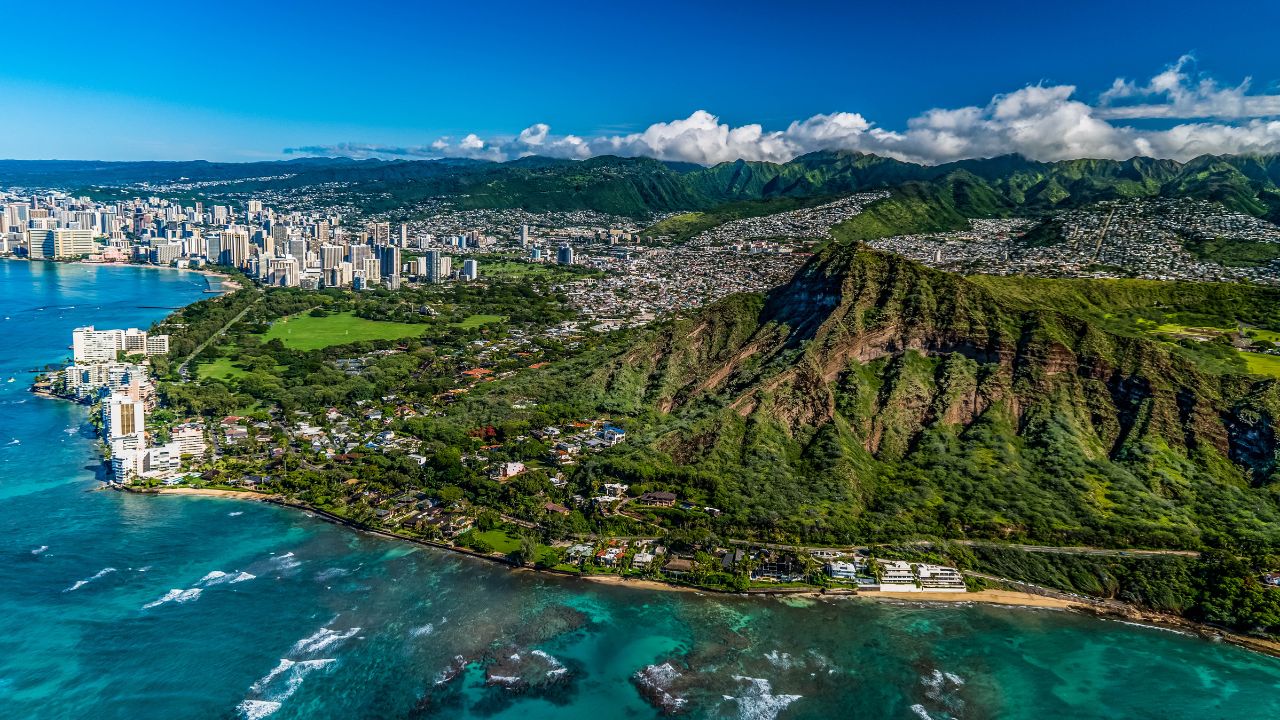
Despite these factors, it’s important to remember that Hawaii operates under U.S. federal law, its currency is the U.S. dollar, and its citizens are U.S. citizens. The only difference is the stunning tropical backdrop and the profound cultural richness that sets it apart.
What You Do Need: Essential Identification for Domestic Travel to Hawaii
While a passport isn’t necessary for U.S. citizens and permanent residents, you absolutely cannot fly without proper identification. The Transportation Security Administration (TSA) requires all adult passengers 18 years and older to present a valid form of identification at the airport security checkpoint.
REAL ID Compliance: Understanding the New Standards
For domestic air travel, the most critical piece of identification is a REAL ID-compliant driver’s license or state-issued ID card. The REAL ID Act, passed by Congress in 2005, established minimum security standards for state-issued driver’s licenses and identification cards and prohibits federal agencies from accepting for certain purposes driver’s licenses and identification cards from states that do not meet these standards.
The deadline for REAL ID enforcement for domestic air travel has been pushed back several times, but it is crucial to stay informed about the current requirements. Once fully enforced, travelers 18 years and older will need a REAL ID-compliant driver’s license or another acceptable form of ID to fly within the United States. You can identify a REAL ID-compliant card by a star symbol (either gold or black) located in the upper right-hand corner of the card. If your state-issued ID is not REAL ID-compliant, or you are unsure, you should consult your state’s Department of Motor Vehicles (DMV) website for information on how to obtain one.
Acceptable Forms of Identification
If you don’t have a REAL ID-compliant driver’s license or state ID, or if you prefer to use other forms of identification, the TSA accepts several other documents:
- U.S. Passport or Passport Card: While not required, a valid U.S. passport or passport card is always an acceptable form of identification for domestic air travel. Many travelers opt to use their passport for convenience, especially if they already carry it for other reasons.
- Permanent Resident Card: For legal permanent residents of the U.S., also known as a Green Card.
- DHS Trusted Traveler Cards: Including Global Entry, NEXUS, SENTRI, or FAST cards.
- U.S. Department of Defense ID: Including IDs issued to dependents.
- Other Government-Issued IDs: Such as a military ID or a tribal-issued photo ID.
- Canadian Provincial Driver’s License or Indian and Northern Affairs Canada Card: For Canadian citizens traveling to Hawaii.
- Airline and Airport-Issued ID: For airline or airport employees.
It’s always a good idea to check the official TSA website (tsa.gov) before your trip for the most up-to-date list of acceptable identification, as regulations can sometimes change. Ensure your chosen ID is current and not expired.
Travel for Minors and Non-U.S. Citizens
- Minors (Under 18): Children under 18 traveling with an adult within the United States (including to Hawaii) are generally not required to show identification at TSA checkpoints. However, airlines may have their own requirements for unaccompanied minors, so it’s best to confirm with your specific carrier. It’s also wise to carry a copy of their birth certificate, especially if there are custody issues or if they are traveling with an adult who is not a parent or legal guardian.
- Non-U.S. Citizens: If you are not a U.S. citizen or a legal permanent resident, you will need a passport and potentially a visa, depending on your country of origin, to enter the United States for your flight to Hawaii. Once legally admitted into the U.S., your international travel documents (passport with valid visa or ESTA approval) will serve as your acceptable identification for domestic flights, including those to Hawaii. Always ensure your passport and visa (if applicable) are valid for the entire duration of your stay.
Planning Your Dream Hawaiian Getaway: Beyond the ID
With the identification question settled, you can now fully focus on the exciting part: planning your dream vacation to Hawaii. The islands offer an incredible array of experiences, from thrilling adventures to serene relaxation, catering to every type of traveler.
Top Attractions and Experiences
Each Hawaiian island boasts its own unique charm and attractions. Here’s a glimpse of what awaits:
- Oahu: The Gathering Place: Home to the state capital, Honolulu, and iconic Waikiki Beach. Explore the historic Pearl Harbor memorials, hike to the summit of Diamond Head for panoramic views, or catch a wave on the legendary North Shore. Don’t miss the cultural immersion at the Polynesian Cultural Center.
- Maui: The Valley Isle: Known for its stunning scenery and luxury resorts. Drive the famous Road to Hana, watch a spectacular sunrise from the dormant volcano Haleakala, or enjoy world-class snorkeling and whale watching.
- Big Island (Hawaii Island): The Orchid Isle: The largest and youngest island, offering incredible diversity. Witness active volcanoes at Hawaii Volcanoes National Park, relax on black sand beaches, or stargaze from Mauna Kea.
- Kauai: The Garden Isle: A verdant paradise famous for its dramatic cliffs, cascading waterfalls, and lush rainforests. Explore the breathtaking Na Pali Coast by boat or helicopter, hike through Waimea Canyon (the “Grand Canyon of the Pacific”), or unwind on secluded beaches.
Consider what kind of experience you’re seeking – adventure, relaxation, culture, or a mix of everything – to help you choose the best island(s) for your itinerary.
Finding Your Perfect Accommodation
Hawaii offers a vast range of accommodation options to suit every budget and travel style, from opulent luxury resorts to cozy boutique hotels, family-friendly vacation rentals, and even budget-conscious hostels.
- Resorts and Hotels: Major islands like Oahu and Maui are home to world-renowned hotel chains and independent luxury properties. Expect amenities like beachfront access, multiple pools, fine dining, and spa services. Examples include the Grand Hyatt Kauai Resort & Spa, The Ritz-Carlton, Kapalua, or the Moana Surfrider, A Westin Resort & Spa, Waikiki Beach.
- Vacation Rentals: For a more independent stay, consider booking an apartment or villa through platforms like Airbnb or VRBO. These often provide more space, kitchen facilities, and a chance to experience local neighborhoods.
- Boutique Stays and Local Inns: Discover unique charm and personalized service at smaller, locally owned establishments that offer a more intimate experience.
- Budget Options: Hostels and guesthouses are available, especially in more urban areas, for travelers looking to save on accommodation costs.
When booking, consider your priorities: proximity to attractions, beachfront access, family-friendly features, or a quiet, secluded retreat. Booking in advance, especially for peak seasons, is highly recommended to secure the best rates and availability.
Navigating Local Culture and Etiquette
Part of the magic of visiting Hawaii is experiencing its unique Polynesian culture. Embracing and respecting local customs will enrich your trip:
- Aloha Spirit: More than just a greeting, “aloha” embodies love, peace, compassion, and mutual respect. Embrace it in your interactions.
- Malama Aina (Care for the Land): Hawaiians have a deep reverence for nature. Help preserve the islands’ beauty by staying on marked trails, not touching marine life, and packing out everything you pack in.
- Pono (Righteousness): Live righteously and with integrity. This extends to respecting local residents, their traditions, and their privacy.
- “Take Off Your Shoes”: It’s customary to remove your shoes before entering someone’s home, and sometimes even at certain businesses or cultural sites.
- Learn Basic Hawaiian Phrases: A simple “Aloha” (hello/goodbye/love) or “Mahalo” (thank you) can go a long way.
Practical Tips for a Seamless Hawaiian Vacation
Beyond identification and cultural understanding, a few practical tips will ensure your Hawaiian adventure is as smooth as possible.
- Pack Appropriately: Hawaii is warm year-round, so pack light clothing, swimwear, reef-safe sunscreen, a hat, and comfortable walking sandals. If you plan to hike, sturdy shoes are a must. A light jacket or sweater can be useful for cooler evenings, especially at higher elevations like Haleakala or Mauna Kea.
- Rent a Car: While public transportation is available in some areas (like Honolulu with TheBus), renting a car is highly recommended on most islands to fully explore and reach remote beaches or trailheads. Book your rental car well in advance, especially during peak travel seasons.
- Stay Hydrated and Sun-Safe: The tropical sun can be intense. Drink plenty of water and reapply sunscreen frequently. Seek shade during peak sun hours.
- Be Mindful of Ocean Safety: Ocean conditions can be unpredictable. Pay attention to warning signs, swim near lifeguards, and be aware of currents. If in doubt, don’t go out.
- Book Activities in Advance: Popular tours, luau shows, and unique experiences (like Pearl Harbor tickets or sunset cruises) often sell out, especially during peak season. Book them online before your trip to avoid disappointment.
- Consider Travel Insurance: While not required, travel insurance can provide peace of mind in case of unexpected cancellations, medical emergencies, or lost luggage.
- Inter-Island Travel: If you plan to visit multiple islands, you’ll need to book inter-island flights. These are short, scenic flights typically operated by airlines like Hawaiian Airlines or Mokulele Airlines.
In conclusion, a trip to Hawaii for U.S. citizens and permanent residents is a domestic journey, meaning no passport is required. Focus instead on securing your REAL ID-compliant identification and immersing yourself in the exciting planning phase. With its breathtaking landscapes, vibrant culture, and endless opportunities for adventure and relaxation, Hawaii promises an unforgettable experience. By understanding the simple identification requirements and preparing thoughtfully, you’re well on your way to saying “Aloha” to paradise. Enjoy your journey to the stunning islands!
LifeOutOfTheBox is a participant in the Amazon Services LLC Associates Program, an affiliate advertising program designed to provide a means for sites to earn advertising fees by advertising and linking to Amazon.com. Amazon, the Amazon logo, AmazonSupply, and the AmazonSupply logo are trademarks of Amazon.com, Inc. or its affiliates. As an Amazon Associate we earn affiliate commissions from qualifying purchases.