
The sun-drenched coast of South Florida is renowned for its captivating blend of vibrant city life, pristine beaches, and luxurious escapes. Among its crown jewels are Miami and Palm Beach, two iconic destinations that, while distinct in character, often feature prominently on the itinerary of any discerning traveler exploring the region. A common question for those planning a visit to this glamorous stretch of coastline is: “How far is Miami from Palm Beach?” The answer is not just a simple number of miles, but rather an invitation to understand the various travel options, the time commitment involved, and the unique experiences awaiting at each end of this relatively short journey. This guide will delve into the distances, modes of transportation, and the distinct allure of both cities, offering insights for planning a seamless and enriching South Florida adventure.

The Distance Unveiled: Miami to Palm Beach
Understanding the geographical proximity between Miami and Palm Beach is the first step in planning your trip. While they are both major metropolitan areas within Florida, their centers are separated by a comfortable driving distance, making day trips or multi-city itineraries entirely feasible.
Driving Distance and Time
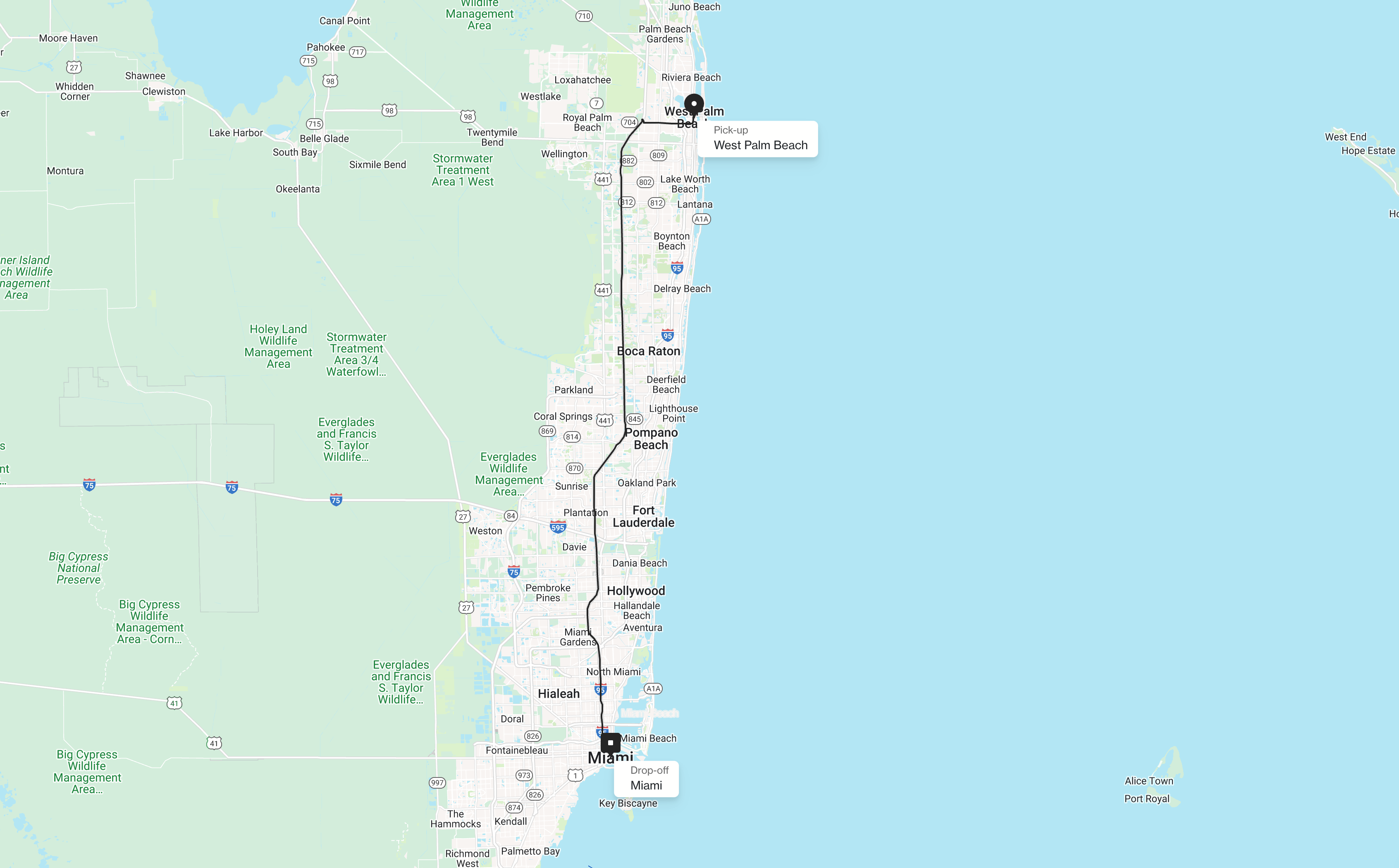
The most common way to travel between Miami and Palm Beach is by car, offering flexibility and the opportunity to explore sights along the way. The approximate driving distance between downtown Miami and downtown West Palm Beach (the mainland city adjacent to the island of Palm Beach) is typically 65 to 75 miles. This can vary slightly depending on your specific starting and ending points within each sprawling urban area.
In terms of travel time, under ideal conditions with light traffic, the drive usually takes between 1 hour and 30 minutes to 1 hour and 45 minutes. However, South Florida is known for its heavy traffic, especially during peak commuter hours (early mornings and late afternoons/evenings on weekdays) or during special events. It is not uncommon for the drive to extend to two hours or even longer if you encounter significant congestion. Major highways connecting the two cities include Interstate 95 (I-95) and Florida’s Turnpike. I-95 offers a more direct route along the coast, while Florida’s Turnpike is a toll road that can sometimes offer faster travel by avoiding some local traffic, though tolls can add up. Planning your drive during off-peak hours is highly recommended to minimize travel time and stress.
Alternative Transportation Options
For those who prefer not to drive or deal with parking, several excellent alternatives connect Miami and Palm Beach, catering to different budgets and travel preferences.
-
Brightline High-Speed Rail: The most modern and efficient option is the Brightline high-speed rail service. Brightline offers comfortable, premium service with spacious seating, Wi-Fi, and food and beverage options. The train travels directly between MiamiCentral Station in downtown Miami and West Palm Beach Station, making the journey in approximately 1 hour and 10 minutes to 1 hour and 20 minutes. This is often faster than driving, especially during peak traffic, and eliminates the hassle of navigation and parking. Brightline is an excellent choice for business travelers, luxury tourists, or anyone looking for a stress-free travel experience.
-
Bus Services: For budget-conscious travelers, intercity bus services like Greyhound provide connections between Miami and West Palm Beach. While generally more affordable than other options, bus journeys typically take longer (around 2 to 3 hours, depending on stops and traffic) and may not offer the same level of comfort or amenities as Brightline. This option is ideal for those prioritizing cost savings over speed and convenience.
-
Rideshare and Taxi Services: On-demand rideshare services (like Uber or Lyft) and traditional taxi services are readily available in both cities. These offer door-to-door convenience but are generally the most expensive option for traveling between Miami and Palm Beach, with fares potentially ranging from $100 to $200 or more, depending on demand and traffic. This option is best suited for those who value ultimate convenience and are traveling with luggage, or for small groups splitting the cost.
-
Air Travel: While both Miami and Palm Beach have international airports (Miami International Airport (MIA) and Palm Beach International Airport (PBI), respectively), flying between them is not practical due to the short distance. The time spent on check-in, security, and boarding would far exceed the ground travel time. However, if your larger travel plans involve flying into one airport (e.g., MIA for international connections) and departing from the other (e.g., PBI for a domestic flight closer to Palm Beach accommodations), then ground transportation between the two cities becomes a necessary and efficient part of your itinerary.
Exploring the Vibrant Charms of Miami
Miami is a city that pulses with a unique energy, a dynamic fusion of Latin American influences, cutting-edge art, glamorous nightlife, and stunning natural beauty. It’s a destination that caters to a diverse array of travelers, from those seeking high-octane excitement to those looking for cultural immersion or simply a relaxing beach getaway.
Miami’s Iconic Attractions & Lifestyle
The lifestyle in Miami is nothing short of captivating. It’s a city that effortlessly blends relaxation with exhilarating experiences. One of its most iconic districts is South Beach, famous for its pastel-hued Art Deco architecture lining Ocean Drive. Here, visitors can bask on pristine sands, swim in the turquoise waters of the Atlantic, or people-watch from sidewalk cafes. As the sun sets, South Beach transforms into a vibrant hub of nightlife, with world-class clubs and bars drawing crowds from around the globe.
Beyond the beach, Downtown Miami and its adjacent areas offer a different facet of the city. The skyline, punctuated by soaring skyscrapers, reflects a bustling financial and cultural center. The beautiful waters of Biscayne Bay provide opportunities for boat tours, water sports, and leisurely strolls along the waterfront. Cultural enthusiasts will appreciate institutions like the Pérez Art Museum Miami (PAMM) and the Phillip and Patricia Frost Museum of Science, both offering engaging exhibits and stunning views.
For art lovers, the Wynwood Walls district is a must-visit. This outdoor street art museum showcases vibrant murals and graffiti by renowned artists, transforming warehouses into an ever-evolving gallery. The surrounding neighborhood of Wynwood also boasts trendy boutiques, craft breweries, and innovative eateries, embodying Miami’s creative spirit.
No visit to Miami is complete without experiencing the rich Cuban heritage of Little Havana. Strolling down Calle Ocho, you’ll encounter cigar rollers, domino players, and lively music emanating from colorful cafes. Sampling authentic Cuban coffee, pastries, and dishes like ropa vieja is an essential part of the experience, offering a delightful taste of this vibrant community.
Miami’s dining scene is world-class, ranging from Michelin-starred establishments to casual food trucks serving gourmet delights. Its nightlife is legendary, with options from swanky rooftop bars to pulsating mega-clubs. The city also hosts major events like Art Basel Miami Beach, which draws art enthusiasts and celebrities, cementing its status as a global cultural hotspot.
Accommodation in Miami
When it comes to accommodation, Miami offers an unparalleled variety to suit every taste and budget. In South Beach, you’ll find an array of iconic Art Deco hotels and luxurious oceanfront resorts, often featuring lavish pools, direct beach access, and high-end amenities. These properties cater to those seeking a glamorous and vibrant stay, with many offering lively pool parties and direct access to nightlife.
For a more sophisticated and upscale experience, the hotels in Brickell and Downtown Miami often boast modern design, stunning bay views, and proximity to business districts and cultural attractions. Areas like Coconut Grove or Coral Gables offer a more tranquil and charming atmosphere, with boutique hotels, lush landscapes, and a slightly slower pace. Budget-conscious travelers can find more affordable options further inland or in areas slightly removed from the immediate beachfront, without sacrificing access to the city’s main attractions via public transport or rideshare. Whether you’re looking for a sprawling resort for a family trip, a chic boutique hotel for a romantic getaway, or a budget-friendly option for a business stay, Miami’s hotel scene has something for everyone.
Discovering the Sophistication of Palm Beach
In stark contrast to Miami’s pulsating energy, Palm Beach exudes an air of timeless elegance, refined luxury, and tranquil sophistication. This exclusive island community, separated from West Palm Beach by the Intracoastal Waterway, has long been a playground for the affluent, boasting grand estates, designer boutiques, and meticulously manicured landscapes.
Palm Beach’s Elegant Attractions & Lifestyle
The lifestyle in Palm Beach is synonymous with understated luxury and a leisurely pace. It’s a destination where refined taste prevails, and natural beauty is savored. The undisputed heart of shopping and dining on the island is Worth Avenue. This picturesque street, often compared to Rodeo Drive or Fifth Avenue, is lined with high-end designer boutiques, exquisite jewelry stores, and art galleries, interspersed with charming courtyards and upscale restaurants. It’s not just a shopping destination; it’s an experience in itself, perfect for a leisurely stroll and a spot of window shopping or a gourmet meal.
The beaches of Palm Beach are renowned for their pristine condition and tranquil atmosphere. While offering the same beautiful turquoise waters as its southern counterpart, Palm Beach typically provides a more private and serene beach experience, ideal for sunbathing, swimming, and quiet contemplation.
History and culture enthusiasts will be captivated by the Flagler Museum, also known as Whitehall. This magnificent Gilded Age estate was once the winter retreat of Henry Morrison Flagler, the industrialist who played a pivotal role in developing Florida’s railway system and tourism industry. Touring Whitehall offers a fascinating glimpse into the opulence of America’s Gilded Age, with its grand rooms, period furnishings, and impressive architecture. The museum also showcases Flagler’s private railcar, a testament to his vision.
Beyond the Flagler Museum, Palm Beach is characterized by its stunning gardens, meticulously maintained public spaces, and grand private estates, many designed by renowned architects. Golf is a prominent pastime, with several world-class courses in the surrounding area attracting enthusiasts. Fine dining is a cornerstone of the Palm Beach experience, with restaurants offering exquisite cuisine, impeccable service, and often beautiful waterfront views. The social calendar is filled with charity galas, art exhibitions, and cultural performances, reflecting the community’s commitment to philanthropy and the arts.
Accommodation in Palm Beach
Accommodation in Palm Beach primarily caters to the luxury market, offering unparalleled service and amenities that define the ultimate high-end travel experience. The most iconic establishment is The Breakers Palm Beach, a historic oceanfront resort founded by Henry Morrison Flagler himself. This opulent hotel is a destination in its own right, boasting multiple pools, championship golf courses, exquisite dining options, a luxurious spa, and a private beach club. Staying at The Breakers is an immersion into old-world glamour and five-star service.
Beyond The Breakers, other luxury resorts and boutique hotels dot the island, each offering a distinct charm and a high level of personalized service. Many properties focus on creating an intimate and exclusive atmosphere, often featuring elegant decor, gourmet dining, and serene spa facilities. For those seeking a slightly more residential feel, there are also luxury vacation rentals, including villas and apartments, providing ample space and privacy. While budget options are scarce on the island of Palm Beach itself, more moderately priced hotels can be found just across the Intracoastal Waterway in West Palm Beach, offering convenient access to the island’s attractions without the premium price tag. The emphasis in Palm Beach is on delivering an experience of refined comfort and impeccable attention to detail, making it a perfect choice for those seeking a sophisticated and indulgent getaway.
Planning Your Journey: Tips for a Seamless Trip
Embarking on a journey between Miami and Palm Beach offers the opportunity to experience the diverse landscapes and lifestyles of South Florida. Careful planning can enhance your trip, ensuring a smooth transition between these two captivating destinations.
Choosing Your Mode of Transport
The decision on how to travel should align with your priorities for cost, convenience, and time. If flexibility and the ability to stop at points of interest along the route are paramount, driving your own car or a rental is the best option. Remember to factor in potential traffic delays, especially if traveling during peak hours, and budget for tolls on Florida’s Turnpike. Parking can also be a consideration, particularly in popular areas of Miami and Palm Beach.
For a swift, comfortable, and stress-free journey, the Brightline high-speed rail is highly recommended. It offers a premium experience without the headaches of traffic or parking, making it ideal for those who value efficiency and comfort. Tickets can be booked in advance online, and various fare classes are available to suit different preferences.
Bus services provide the most economical option, although they typically involve longer travel times. This is a solid choice for budget travelers who have ample time and don’t mind a slower pace. Rideshare services offer door-to-door convenience but come at a higher cost, best utilized for specific situations or when convenience outweighs budget concerns.
Combining the Best of Both Worlds
Many travelers choose to incorporate both Miami and Palm Beach into a single itinerary, allowing them to experience the contrasting charms of South Florida. A popular approach is to base yourself in one city and take a day trip to the other. For instance, you might stay in Miami for a few days to soak in its vibrant culture and nightlife, then take the Brightline up to Palm Beach for a day of upscale shopping on Worth Avenue, a visit to the Flagler Museum, and a refined lunch. Conversely, if you prefer the serene luxury of Palm Beach as your home base, a day trip to Miami can offer a taste of its Art Deco glamour, Cuban cuisine in Little Havana, or the street art of Wynwood Walls. This dual-city approach maximizes your experience of the region’s diverse offerings.
When to Visit
South Florida generally enjoys pleasant weather, but timing your visit can significantly impact your experience. The winter months (November to April) are considered peak season, offering cooler temperatures, lower humidity, and abundant sunshine, making it ideal for outdoor activities and beach days. However, this also means higher prices for accommodation and more crowded attractions.
The summer months (May to October) are characterized by hotter temperatures, high humidity, and frequent afternoon thunderstorms. This period is also hurricane season. While you can find better deals on hotels and flights, be prepared for tropical weather and potential travel disruptions. Many locals prefer the summer for its quieter atmosphere and lush greenery. Shoulder seasons (late spring and early fall) can offer a good balance of pleasant weather and fewer crowds.
Budgeting Your Trip
Both Miami and Palm Beach can cater to various budgets, but generally, Palm Beach tends to be more upscale. In Miami, while luxury options abound, you can also find more affordable hotels, dining, and activities, especially outside of the immediate South Beach area. Palm Beach, on the other hand, is predominantly geared towards luxury, with higher prices for accommodation, dining, and high-end shopping.
When budgeting, consider:
- Transportation: Brightline tickets can range from $30-$60+ one-way, depending on class and booking time. Driving costs include gas, tolls, and parking fees.
- Accommodation: Prices vary widely, with Palm Beach luxury resorts easily exceeding $500-$1000+ per night in high season, while Miami offers a broader range, from $150-$200 for mid-range hotels to $500+ for luxury options.
- Dining: Both cities offer everything from casual eateries to Michelin-starred restaurants.
- Activities: Many attractions, like beaches and Wynwood Walls, are free, while museums and tours have entry fees.
By planning your transport, accommodation, and activities in advance, you can effectively manage your expenses and enjoy a fulfilling trip to these remarkable Florida destinations.
In conclusion, the distance between Miami and Palm Beach is a manageable one, typically ranging from 65 to 75 miles, with travel times of 1 hour 10 minutes to 2 hours depending on the chosen mode of transport and traffic conditions. Whether you opt for the scenic drive, the efficient Brightline train, or another option, the journey itself is a minor part of the adventure. What truly awaits are two distinct yet equally enchanting South Florida experiences. Miami, with its vibrant energy, diverse culture, and bustling nightlife, offers an exciting urban escape. Palm Beach, conversely, provides a haven of serene luxury, elegant charm, and refined leisure. Together, they paint a comprehensive picture of Florida’s allure, making the short hop between them an essential part of any comprehensive South Florida itinerary.
LifeOutOfTheBox is a participant in the Amazon Services LLC Associates Program, an affiliate advertising program designed to provide a means for sites to earn advertising fees by advertising and linking to Amazon.com. Amazon, the Amazon logo, AmazonSupply, and the AmazonSupply logo are trademarks of Amazon.com, Inc. or its affiliates. As an Amazon Associate we earn affiliate commissions from qualifying purchases.