
The allure of the Caribbean has long captivated travelers, drawing them to its turquoise waters, vibrant cultures, and sun-drenched shores. Among the most intriguing connections in this region is the relationship between Miami, Florida, and the island nation of Cuba. These two destinations, while geographically close, have been historically separated by complex political tides, making the question “How far is Miami to Cuba?” more profound than a simple measurement of miles. It encapsulates a journey across water, history, and culture. For those contemplating a unique travel experience, understanding this proximity and the pathways that connect them is the first step toward an unforgettable adventure.
The Proximity and the Paradox: Understanding the Distance
At first glance, the distance between Miami and Cuba seems negligible, especially when viewed on a map. However, this close proximity belies a history of separation and a modern travel landscape that, while increasingly open, still requires careful navigation.
The Straight Line: Nautical Miles and Geographical Realities
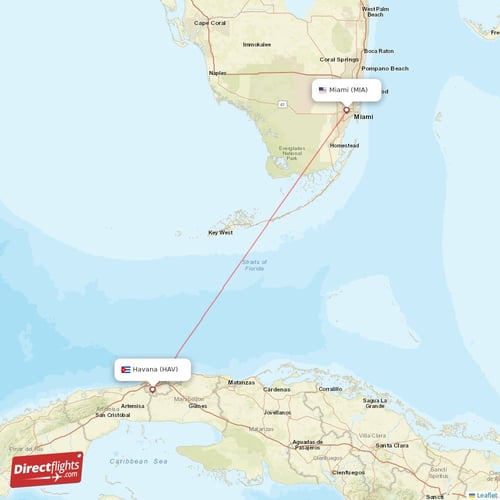
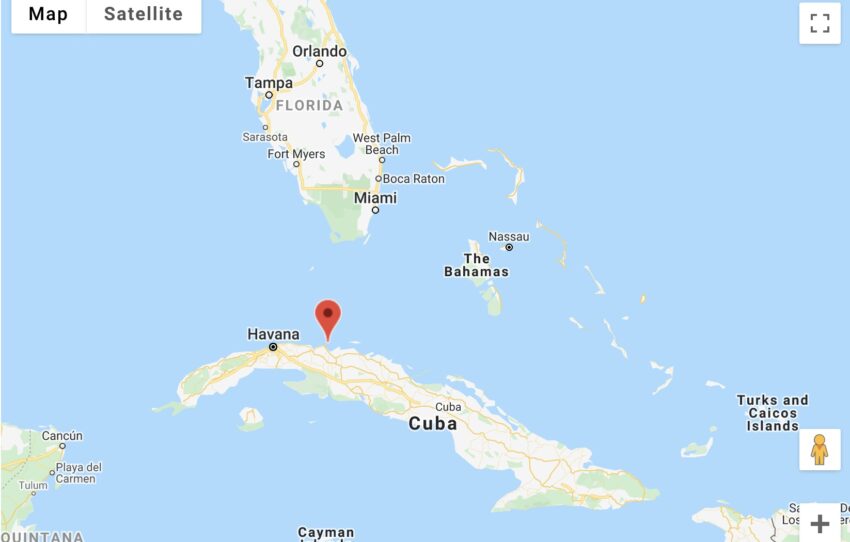
Geographically, the closest point between Florida and Cuba is not Miami itself, but Key West, the southernmost point of the United States. From Key West, Cuba is a mere 90 miles (145 kilometers) away. For Miami, the direct distance to Havana, the capital of Cuba, is approximately 227 miles (365 kilometers) across the Florida Straits. This stretch of water, influenced by the powerful Gulf Stream, has served as both a barrier and a bridge for centuries.
To put this in perspective, a flight between Miami International Airport (MIA) and José Martí International Airport (HAV) in Havana typically takes about 45 minutes to an hour. This short flight time underscores the physical closeness, making Cuba an accessible destination for travelers departing from South Florida. For sea travel, the journey would naturally take longer, depending on the vessel and sea conditions, but still represents a relatively short distance over open water.
Bridging the Waters: Historical and Political Context
The perceived distance between Miami and Cuba has been significantly shaped by political relations. For decades, travel between the United States and Cuba was severely restricted, making the geographical proximity feel irrelevant. However, as policies have evolved, direct travel has become more feasible, opening up pathways for tourism, cultural exchange, and family visits. This evolving dynamic means that while the physical miles remain constant, the travel distance in terms of ease and accessibility has dramatically shortened for many. Today, a direct flight is the most common and efficient way to bridge this gap, transforming a historically complex journey into a readily available one for eligible travelers.
Navigating the Journey: Travel Options and Considerations
Embarking on a journey from Miami to Cuba offers various modes of transport, each with its own charm and logistical requirements. Understanding these options, alongside crucial travel regulations, is key to a smooth and enjoyable experience.
Air Travel: Flights Connecting Two Worlds
Without a doubt, flying is the most popular and convenient way to travel from Miami to Cuba. Several airlines offer direct flights from Miami International Airport (MIA) to José Martí International Airport (HAV) in Havana, as well as to other Cuban cities like Varadero and Santiago de Cuba. The short flight duration means travelers can depart Miami in the morning and be exploring the streets of Havana by lunchtime.
When booking flights, it’s essential to consider the specific travel category under which your trip falls. For U.S. citizens, general tourism to Cuba is not permitted. Instead, travel must align with one of 12 authorized categories, such as “support for the Cuban people,” “family visits,” “religious activities,” or “journalistic activities.” While airlines don’t typically verify your adherence to these categories at the time of booking, travelers are required to self-certify their purpose of travel, and understanding these guidelines is paramount.
Sea Voyages: Cruising and Private Charters
Before recent changes, cruises from Miami to Cuba were a burgeoning travel option, offering a unique way to experience the island. Major cruise lines frequently docked in Havana, allowing passengers to explore its historic sites for a day or two. While commercial cruise travel from the United States to Cuba is currently restricted, the allure of a sea journey remains.
For those with a penchant for maritime adventure, private yacht charters or sailing trips offer another (albeit more complex) way to bridge the Florida Straits. These options require extensive planning, including adherence to all international maritime laws, Cuban port regulations, and U.S. travel restrictions. While not a typical tourist route, the idea of sailing across the narrow channel, much like generations before, holds a romantic appeal for seasoned sailors.
Essential Travel Logistics: Visas and Regulations
Regardless of your chosen mode of transport, securing the correct documentation is non-negotiable. All foreign visitors to Cuba require a visa, often referred to as a “tourist card.” For travelers departing from the United States, a pink tourist card is typically required, distinct from the green card used for travel from other countries. These can often be purchased through your airline or a visa service prior to your departure.
Additionally, comprehensive travel insurance, including medical coverage, is mandatory for all visitors to Cuba and may be checked upon arrival. Travelers should also be aware of currency regulations, as the U.S. dollar is not widely accepted for transactions in Cuba, and banking services can be limited for U.S. citizens. It’s advisable to carry sufficient euros or Canadian dollars, which can be exchanged for the local currency, the Cuban Peso (CUP). Staying informed about the latest travel advisories from both the U.S. Department of State and Cuban authorities is crucial for a compliant and worry-free trip.
Miami: Your Gateway to the Caribbean and Cuban Culture
Before or after your journey to Cuba, Miami offers a vibrant introduction to Caribbean and Latin American culture, especially its strong Cuban influences. As a global hub for travel, Miami is a destination in its own right, boasting world-class accommodations, diverse cuisine, and iconic landmarks.
Exploring Miami’s Cuban Heart: Little Havana and Beyond
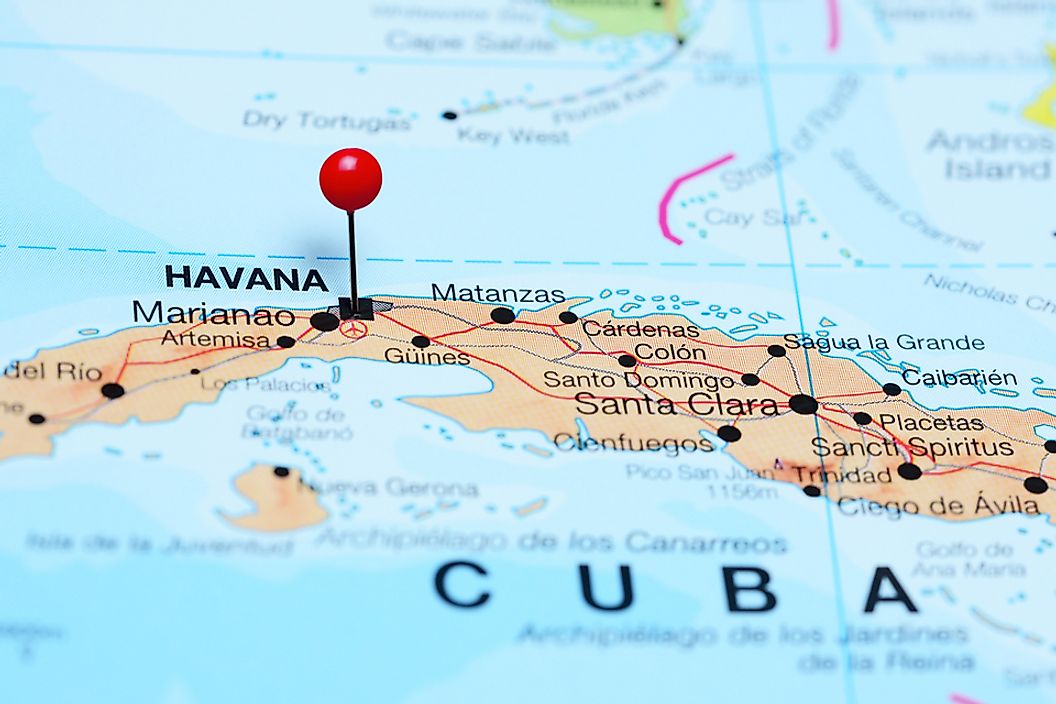
Miami’s profound connection to Cuba is most vividly expressed in Little Havana, a neighborhood that throbs with Cuban rhythms, aromas, and traditions. Stroll down Calle Ocho, and you’ll find cigar rollers crafting authentic Cuban puros, elderly men playing dominoes at Maximo Gomez Park (Domino Park), and cafes serving potent Cuban coffee. The vibrant murals, art galleries, and live music venues make Little Havana an immersive cultural experience, a living testament to the Cuban diaspora and a fantastic precursor to a trip to the island. Beyond Little Havana, Miami’s culinary scene is heavily influenced by Cuban flavors, from traditional ropa vieja to innovative fusion dishes.
Pre-Cuba Stays: Accommodation and Attractions in Miami
For travelers flying into or out of Miami International Airport, the city offers an unparalleled array of accommodation options to suit every taste and budget. From luxury resorts on South Beach, like the iconic Faena Hotel Miami Beach with its distinct Art Deco Historic District charm, to boutique hotels in areas like Coral Gables exemplified by The Biltmore Hotel, or stylish apartments in Brickell, there’s a perfect base for your trip. Many hotels offer amenities like rooftop pools, gourmet dining, and spa services, ensuring a relaxing start or end to your journey.
Beyond its cultural heartbeat, Miami is a hub for diverse attractions. Explore the avant-garde street art of the Wynwood Walls, delve into nature at Everglades National Park with its airboat rides, or simply unwind on the famous beaches of Miami Beach. For those interested in shopping, the designer boutiques of the Design District or the sprawling malls provide ample retail therapy. PortMiami, one of the busiest cruise ports in the world, also serves as a testament to Miami’s status as a premier travel destination, connecting visitors to various Caribbean islands.
Unveiling Cuba: An Island of Rhythms and Richness
Crossing the short distance from Miami to Cuba transports you to a world unlike any other. The island nation is a captivating blend of colonial history, revolutionary spirit, and an enduring culture that dances to its own unique beat.
Iconic Destinations: Havana, Varadero, and Trinidad
Havana is the vibrant heart of Cuba and usually the first stop for most visitors. Old Havana, a UNESCO World Heritage site, is a labyrinth of cobblestone streets, grand plazas like Plaza Vieja and Plaza de la Catedral, and pastel-colored colonial buildings. Here, you can admire the grandeur of El Capitolio, stroll along the iconic Malecón seafront promenade, or ride in a vintage American car. Architectural marvels, bustling markets, and the scent of cigars fill the air.
For those seeking sun and sand, Varadero offers pristine white-sand beaches and a range of all-inclusive resorts. It’s Cuba’s premier beach destination, perfect for relaxation, water sports, and enjoying the Caribbean sun.
Further afield, the colonial town of Trinidad, another UNESCO site, feels frozen in time. Its perfectly preserved 19th-century architecture, vibrant houses, and artisan markets provide a glimpse into Cuba’s rich past. Nearby, the Viñales Valley offers breathtaking natural beauty, with its unique mogotes (limestone hills) and lush tobacco fields, where you can learn about traditional cigar production. Other notable cities like Cienfuegos, known as the “Pearl of the South,” and Santiago de Cuba, the birthplace of the revolution and a cultural hotspot, offer even more diverse experiences.
Embracing Cuban Lifestyle: Culture, Cuisine, and Community
Beyond the landmarks, the true essence of Cuba lies in its vibrant lifestyle. Music is an inseparable part of daily life, with salsa, son, and rumba rhythms spilling out of every doorway. Engaging with locals, whether over a strong Cuban coffee, a refreshing Mojito, or a classic Cuba Libre, offers unparalleled insights into the island’s resilient spirit.
Cuban cuisine is a delightful blend of Spanish, African, and Caribbean influences. Expect hearty dishes like Ropa Vieja (shredded beef), Lechón Asado (roast pork), and Moros y Cristianos (rice and black beans). Exploring local paladares (private restaurants) provides an authentic taste of Cuban hospitality and home cooking. The lively street art, impromptu dance performances, and community spirit found in even the smallest towns make every interaction a memorable part of the travel experience.
Your Cuban Stay: From Historic Hotels to Casa Particulares
Accommodation in Cuba presents a unique spectrum of choices. In Havana, you can find grand historic hotels like the iconic Hotel Nacional de Cuba, offering a glimpse into the island’s glamorous past, or luxurious modern establishments such as the Gran Hotel Manzana Kempinski La Habana. These provide traditional hotel amenities, often with stunning views and excellent service.
However, for a truly immersive cultural experience, staying in a casa particular is highly recommended. These are private homes where Cuban families rent out rooms to travelers, similar to a bed and breakfast. Staying in a casa particular offers an intimate look into Cuban daily life, personalized recommendations from your hosts, and often delicious home-cooked meals. It’s also an excellent way to directly support the Cuban people, aligning with one of the authorized U.S. travel categories. Many casas particulares are beautifully restored colonial homes, offering comfortable and authentic stays throughout the island.
Planning Your Trans-Strait Adventure: Tips for a Seamless Experience
A trip from Miami to Cuba is an adventure that requires thoughtful planning to ensure it’s as smooth and enriching as possible.
Budgeting and Booking: A Guide to Accommodation and Activities
Budgeting for your Cuban journey should account for flights, accommodation, food, transportation within Cuba, and activities. While Cuba can be a relatively affordable destination, especially if opting for casas particulares and local eateries, luxury options are also available. It’s crucial to book flights and accommodations well in advance, particularly during peak travel seasons, as options can be limited. Consider using online travel agencies or specialized tour operators that have experience with Cuban travel logistics, especially concerning the specific U.S. travel categories. Remember that internet access can be spotty and expensive in Cuba, so download offline maps and essential information before you go. Having enough cash (in euros or Canadian dollars for exchange) is also vital, as credit card use from U.S. banks remains restricted.
Cultural Immersion: Making the Most of Your Visit
To truly appreciate Cuba, embrace its unique culture and rhythms. Learn a few basic Spanish phrases; a simple hola or gracias can go a long way in fostering connections. Be open to impromptu conversations, dancing to street music, and trying new foods. While planning is important, leave some room for spontaneity, as some of the most memorable experiences in Cuba happen unexpectedly. Support local artisans and businesses, which contributes directly to the Cuban economy and allows for authentic souvenir purchases. Engage with local guides for tours of cities like Havana or excursions to places like the Viñales Valley; their insights can enrich your understanding of the island’s complex history and vibrant present.
In conclusion, the distance from Miami to Cuba is surprisingly short in miles but vast in cultural richness and historical context. It offers a fascinating journey from the dynamic energy of South Florida to the timeless charm of the Caribbean’s largest island. With careful planning and an open mind, this trans-strait adventure promises a travel experience unlike any other, bridging two worlds that are geographically close yet distinct in their captivating allure.
LifeOutOfTheBox is a participant in the Amazon Services LLC Associates Program, an affiliate advertising program designed to provide a means for sites to earn advertising fees by advertising and linking to Amazon.com. Amazon, the Amazon logo, AmazonSupply, and the AmazonSupply logo are trademarks of Amazon.com, Inc. or its affiliates. As an Amazon Associate we earn affiliate commissions from qualifying purchases.