
Miami, a dazzling jewel on Florida‘s southeastern coast, is synonymous with vibrant culture, stunning beaches, and a pulsating energy that captivates millions of visitors each year. From the iconic art deco architecture of South Beach to the bustling corridors of its luxury resorts, the city thrives on a constant hum of activity. But what powers this ceaseless dynamism? How much electricity does it take to maintain Miami’s allure, provide unparalleled comfort for its guests, and sustain the unique lifestyle of its residents? While pinpointing an exact, constantly fluctuating number is complex, understanding the drivers behind Miami’s electricity consumption reveals much about its identity as a global tourism and lifestyle hub.

The city’s electricity demand is a multifaceted equation, shaped by its tropical climate, robust tourism industry, and a rapidly growing population. Every illuminated landmark, every air-conditioned hotel room, every buzzing restaurant, and every modern amenity contributes to a significant energy footprint. This article delves into the primary factors influencing Miami’s energy usage, offering insights into how this vibrant metropolis balances its insatiable demand for power with an increasing commitment to sustainability, ultimately shaping the experience for every traveler who steps foot in this captivating destination.
Miami’s Energy Footprint: A Vibrant Hub’s Consumption Story
Miami’s overall electricity consumption is a reflection of its unique geographical position, economic structure, and demographic trends. As a major metropolitan area in the United States, and a gateway to Latin America and the Caribbean, its energy demands are naturally substantial. However, what sets Miami apart is the outsized role that its climate and tourism industry play in dictating these demands. The intense heat and humidity for much of the year mean that air conditioning is not merely a luxury but a necessity for comfort and even health, driving a constant, high baseline of energy usage across residential, commercial, and hospitality sectors.
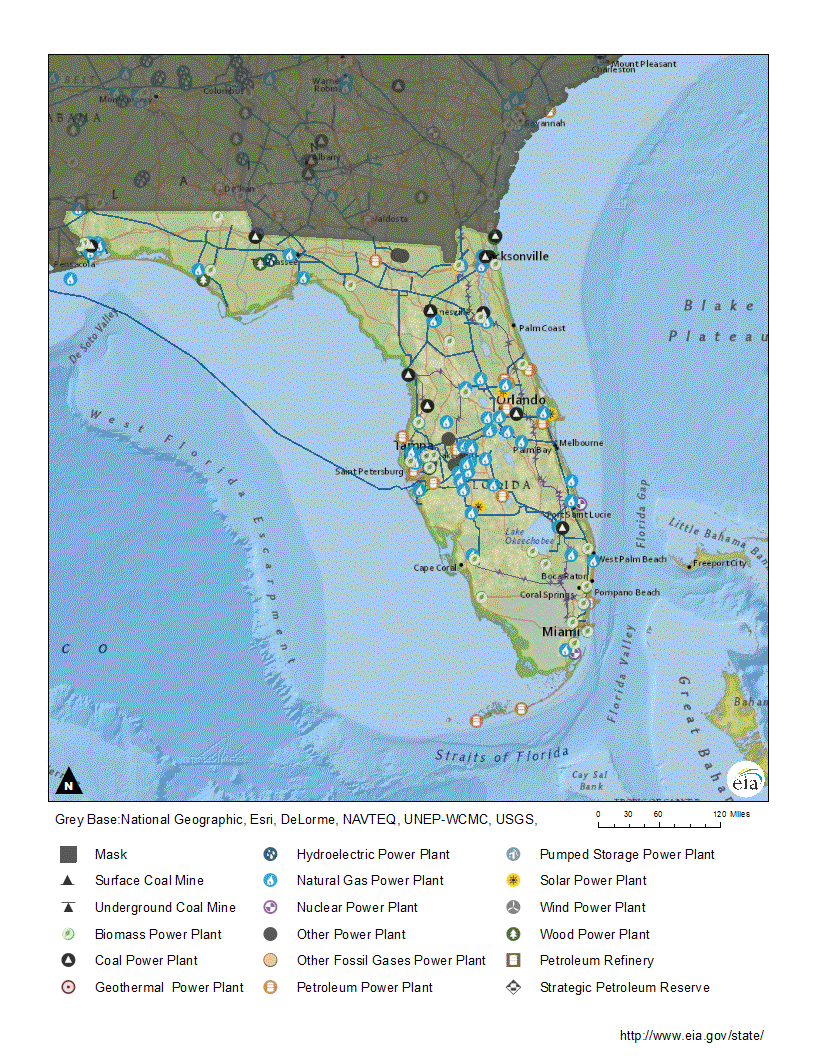
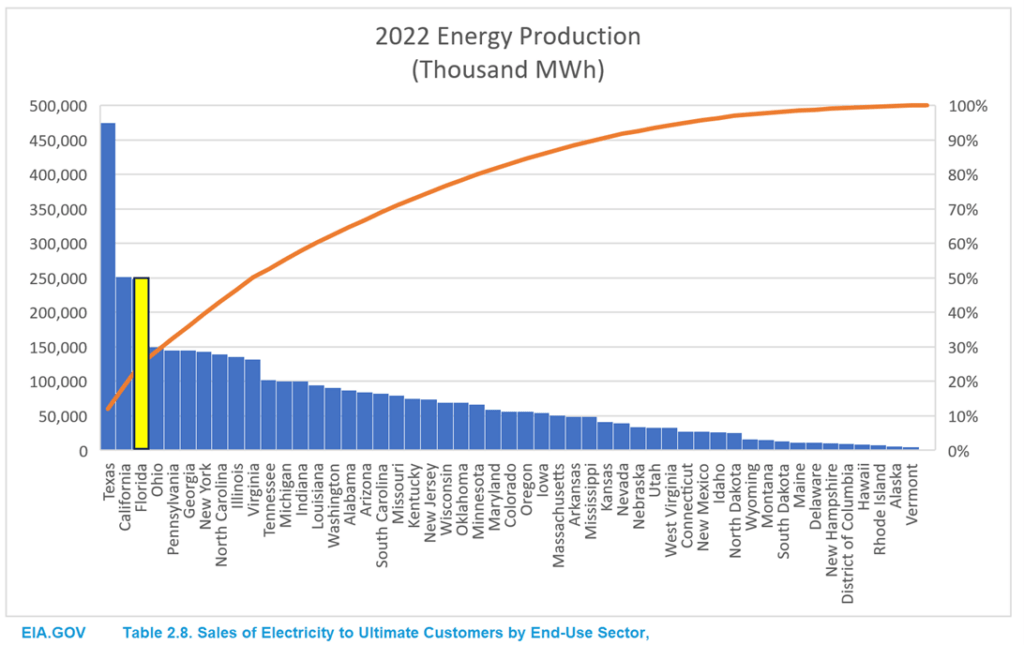
Beyond climate, the sheer scale of Miami’s tourism infrastructure significantly inflates its energy consumption. Hotels, resorts, convention centers, cruise terminals, airports, and countless attractions operate around the clock, requiring immense power for lighting, climate control, sophisticated entertainment systems, and essential operational machinery. The city’s growth, both in terms of permanent residents and the ever-increasing influx of tourists, places continuous upward pressure on the local energy grid. Furthermore, the aspirational lifestyle associated with Miami – characterized by luxury amenities, high-tech homes, and a dynamic nightlife – adds another layer of demand. While precise, real-time figures are generally managed by local utility providers and aggregated at county or state levels (like Miami-Dade County‘s overall consumption), it’s safe to say that Miami consumes gigawatt-hours of electricity daily, a figure that surges during peak tourist seasons and the hottest months. This consumption isn’t just a number; it’s the invisible force that keeps the city glittering, comfortable, and perpetually enticing.
The Heartbeat of Hospitality: Energy in Miami’s Hotels and Resorts
The hospitality sector forms the very backbone of Miami’s economy and, consequently, is a colossal consumer of electricity. From sprawling luxury resorts to boutique hotels, vacation apartments, and private villas, every accommodation option strives to offer an unparalleled guest experience, which inherently relies on a significant energy input. Understanding this consumption is crucial for both visitors seeking comfort and industry stakeholders aiming for sustainability.
Air Conditioning: The Indispensable Comfort
Perhaps the single largest driver of electricity consumption in Miami’s hotels and accommodations is air conditioning. The city’s tropical climate, characterized by long, hot, and humid summers and warm winters, necessitates robust cooling systems for guest comfort. Imagine stepping into a plush suite after a day exploring the Art Deco Historic District or lounging on South Beach – the immediate relief of a perfectly chilled room is paramount to the luxury travel experience. Large resorts, with hundreds or thousands of rooms, common areas, ballrooms, and dining venues, run powerful HVAC (Heating, Ventilation, and Air Conditioning) systems continuously. Even smaller accommodations, like private apartments or villas available for short-term rental, contribute significantly, as guests often leave AC units running while out exploring, ensuring a cool return. This constant battle against the tropical heat accounts for a substantial portion of the hospitality sector’s overall energy bill, making energy efficiency in cooling a primary focus for many establishments.
Amenities and Experiences: Powering Luxury and Convenience
Beyond climate control, the vast array of amenities and services offered by Miami’s diverse accommodation options further drives electricity consumption. Think of the shimmering lights that illuminate pool decks at night, the heated waters of infinity pools, the high-tech kitchens in world-class restaurants, and the sophisticated lighting systems that set the mood in lounges and lobbies. Spas within resorts utilize energy for saunas, steam rooms, and treatment facilities. Fitness centers are equipped with treadmills, ellipticals, and other machinery that all require power. In-room entertainment systems, charging stations for personal devices, mini-fridges, and smart room technologies (like automated curtains or lighting) add up.
From suites in high-rise hotels downtown to exclusive villas on Key Biscayne, the expectation of modern convenience and luxury means a non-stop demand for electricity. Guests expect instant hot water, perfectly lit bathrooms, and fully powered devices, contributing to an environment where energy is the invisible force enabling every aspect of a memorable stay. The relentless pursuit of an elevated guest experience means hotels are constantly upgrading technologies and amenities, inadvertently escalating their energy requirements.
Sustainable Practices in the Hospitality Sector
Recognizing both the environmental impact and the operational costs associated with high energy consumption, many of Miami’s hotels and resorts are at the forefront of adopting sustainable practices. This shift is not merely about corporate responsibility; it’s also a response to a growing demand from eco-conscious travelers who prefer to support establishments with greener credentials. Initiatives include the installation of energy-efficient LED lighting throughout properties, replacing older HVAC systems with state-of-the-art, more efficient models, and implementing smart thermostats that automatically adjust room temperatures when guests are not present.
Some properties are exploring renewable energy sources, such as rooftop solar panels, to offset a portion of their demand. Water heating, another significant energy drain, is being tackled with more efficient systems. Furthermore, waste management and recycling programs, while not directly consuming electricity, are part of a broader sustainability effort that helps reduce the overall environmental footprint of these establishments. From eco-friendly cleaning practices to local sourcing of food, the movement towards more sustainable tourism in Miami’s hospitality sector is gaining momentum, showcasing a commitment to preserving the beauty and resources that draw visitors to this extraordinary destination in the first place.
Lighting Up Landmarks and Lifestyles: Energy Beyond Accommodation
While hotels and resorts are significant energy consumers, they represent only a segment of Miami’s broader electricity appetite. The city’s iconic attractions, vibrant urban infrastructure, and the daily lives of its residents collectively contribute to a formidable demand that powers its unique character and maintains its global appeal.
Iconic Attractions and Urban Glow
Miami truly comes alive after dark, and this spectacular transformation is powered by an immense amount of electricity. The neon glow of Ocean Drive in the Art Deco Historic District is a quintessential Miami image, attracting photographers and revelers alike. This iconic lighting, along with the illuminated facades of countless restaurants, bars, and clubs, creates the city’s signature nightlife, requiring constant power. Beyond the entertainment districts, major landmarks and cultural institutions also demand significant energy. Museums like the Pérez Art Museum Miami and the Frost Science Museum need power for climate control to preserve exhibits, extensive lighting for displays, and operational systems for visitors. Shopping destinations, from sprawling malls to outdoor retail spaces like Bayside Marketplace, use electricity for lighting, security, and the comfort of shoppers. Public spaces, parks, and promenades require streetlights for safety and aesthetics, ensuring that residents and tourists can enjoy the city around the clock. Even art installations, such as those found in the Wynwood Walls, often incorporate lighting elements that add to the urban glow. This collective “urban glow” is a critical component of Miami’s allure, making it an engaging and secure place for exploration, but it comes with a considerable energy price tag.
Residential and Commercial Dynamics
The vast majority of Miami’s population resides in apartments, condos, and single-family homes, all of which contribute substantially to the city’s overall energy consumption. Air conditioning remains the dominant factor, but household appliances, lighting, home entertainment systems, and a growing adoption of smart home technologies further escalate demand. The city’s skyline, dotted with high-rise residential towers, signifies thousands of individual units each drawing power for daily living. Similarly, the commercial sector, encompassing offices, retail outlets, banks, and myriad service industries, requires extensive electricity for lighting, computer systems, climate control, and specialized equipment. The unique blend of a permanent population coexisting with a transient tourist population means that both residential and commercial sectors often experience peak demands influenced by seasonal tourism, with businesses extending hours and residents engaging in more activities when the city is buzzing with visitors. The sheer density of modern infrastructure and services in a vibrant urban core ensures a consistently high commercial energy draw.
Infrastructure and Transport Needs
Miami’s status as a major international gateway and transportation hub also translates into significant electricity consumption for its critical infrastructure. PortMiami, one of the busiest cruise and cargo ports in the world, utilizes power for cranes, lighting, administrative buildings, and the operations of docked vessels. Miami International Airport, a global aviation nexus, requires vast amounts of electricity for terminal lighting, baggage handling systems, control towers, security equipment, and runway lighting. Public transportation networks, including electric trains and buses, draw power from the grid. While private vehicle fuel is not electricity-based, the growing trend of electric vehicles (EVs) means an increasing demand for charging stations across the city, from public charging points to those integrated into hotels and residential buildings. The maintenance of public services, such as water treatment plants, pumping stations, and communication networks, further adds to the city’s foundational energy needs, ensuring that the critical systems enabling daily life and seamless travel are continuously powered.
Miami’s Future: Towards a Sustainable Energy Horizon
As a coastal city highly vulnerable to the impacts of climate change, particularly rising sea levels and more intense storms, Miami is acutely aware of the need to manage its energy consumption and transition towards a more sustainable future. This commitment is not only an environmental imperative but also a strategic move to ensure the long-term viability and appeal of Miami as a world-class destination.
The city and Miami-Dade County have been actively exploring and implementing various initiatives aimed at reducing reliance on fossil fuels and promoting renewable energy sources. Solar power, given Florida’s abundant sunshine, is a natural fit. We see increasing installations of solar panels on public buildings, commercial properties, and even residential homes. There’s also a push towards developing smart grid technologies that can more efficiently manage and distribute electricity, reducing waste and improving resilience. Energy efficiency mandates for new constructions and incentives for retrofitting older buildings with greener technologies are becoming more common. Public awareness campaigns also play a role, encouraging residents and businesses, including those in the tourism sector, to adopt energy-saving habits.
For visitors, the growing emphasis on sustainability in Miami presents opportunities to engage in more eco-conscious travel. Choosing hotels and accommodations that boast environmental certifications, utilizing public transport or electric rental vehicles, participating in eco-tours (such as those exploring the delicate ecosystems of Everglades National Park or the marine life of Biscayne Bay), and being mindful of personal energy consumption during a stay all contribute to supporting Miami’s green transition. The city’s vibrant future depends on balancing its insatiable demand for electricity with a conscientious drive towards a lower carbon footprint, ensuring that its dazzling allure can be enjoyed by generations to come without compromising the health of the planet.
In conclusion, the question of “How much electricity is consumed by Miami?” is more than a simple metric; it’s a narrative of a dynamic city powered by its unique climate, booming tourism, and aspirational lifestyle. While the numbers are vast, the ongoing efforts towards energy efficiency and sustainability reflect Miami’s commitment to preserving its paradise for future travelers and residents, ensuring its bright lights continue to shine responsibly.
LifeOutOfTheBox is a participant in the Amazon Services LLC Associates Program, an affiliate advertising program designed to provide a means for sites to earn advertising fees by advertising and linking to Amazon.com. Amazon, the Amazon logo, AmazonSupply, and the AmazonSupply logo are trademarks of Amazon.com, Inc. or its affiliates. As an Amazon Associate we earn affiliate commissions from qualifying purchases.