
The question “Is Miami International Airport Closed?” can send a shiver down the spine of any traveler. MIA, a colossal hub for both domestic and international travel, particularly connecting North America with Latin America and the Caribbean, rarely experiences a full closure. However, like any major transportation artery, it is susceptible to disruptions that can cause significant delays, reroutes, or temporary halts to operations. Understanding the operational dynamics of such a bustling airport, knowing how to react to unexpected changes, and having a plan B are essential for a stress-free journey through South Florida. This comprehensive guide delves into the realities of MIA’s operational status, what causes disruptions, and how to navigate them effectively, ensuring your Miami adventure, whether for business or leisure, remains as seamless as possible. We’ll also explore how to make the most of an unexpected layover, discover premier accommodation options, and immerse yourself in Miami’s vibrant lifestyle and tourism scene.
Navigating the Skies: Understanding Miami International Airport’s Operational Status
Miami International Airport (MIA) is a critical gateway, handling millions of passengers annually and serving as a key operational base for major carriers like American Airlines, alongside a vast network of other global airlines. Its strategic location in Florida makes it a pivotal link for travelers heading to or from diverse destinations across the globe, including major cities in Brazil, Argentina, and Cuba, as well as connections to Europe, Asia, and Africa.
The Dynamic Nature of Airport Operations
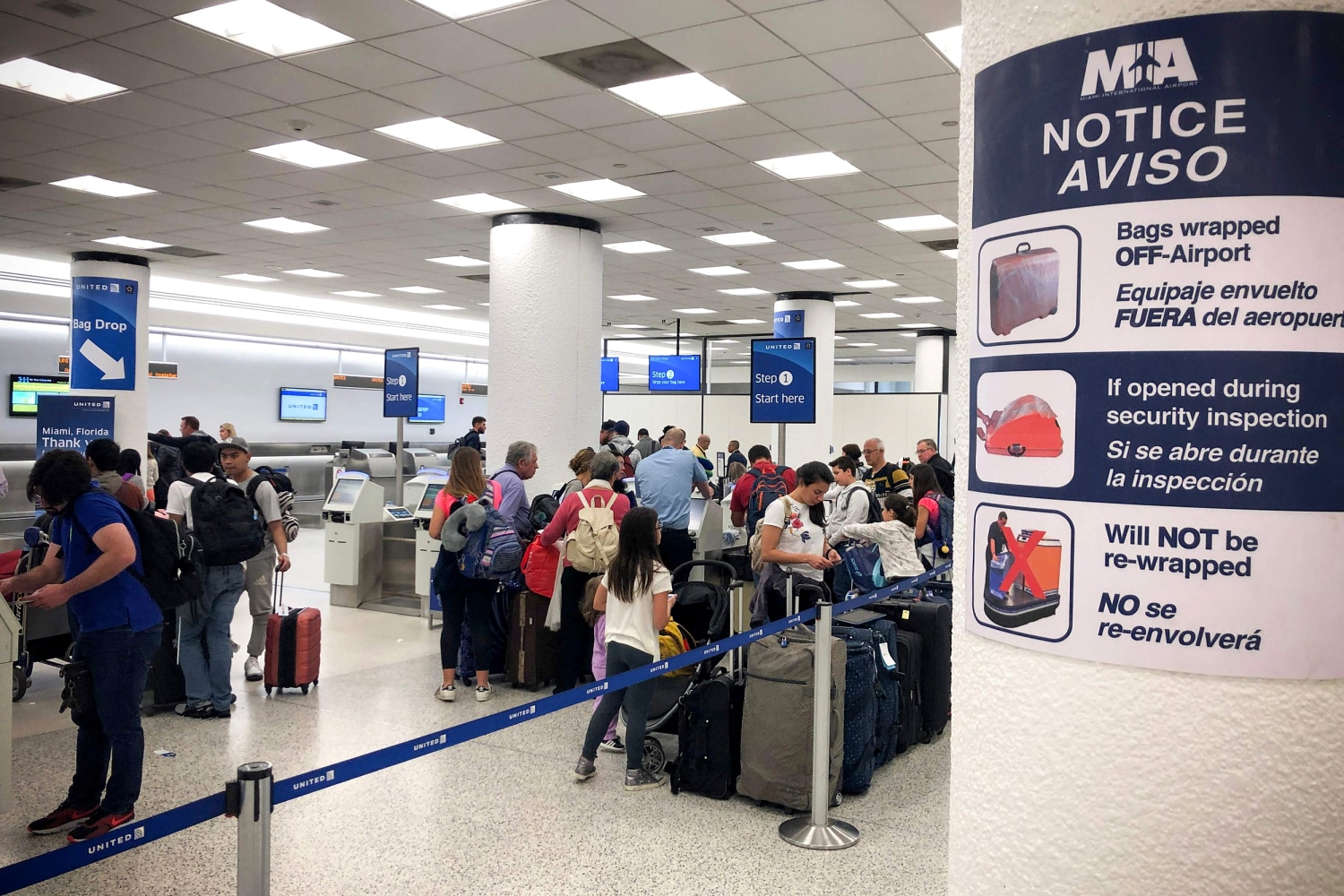
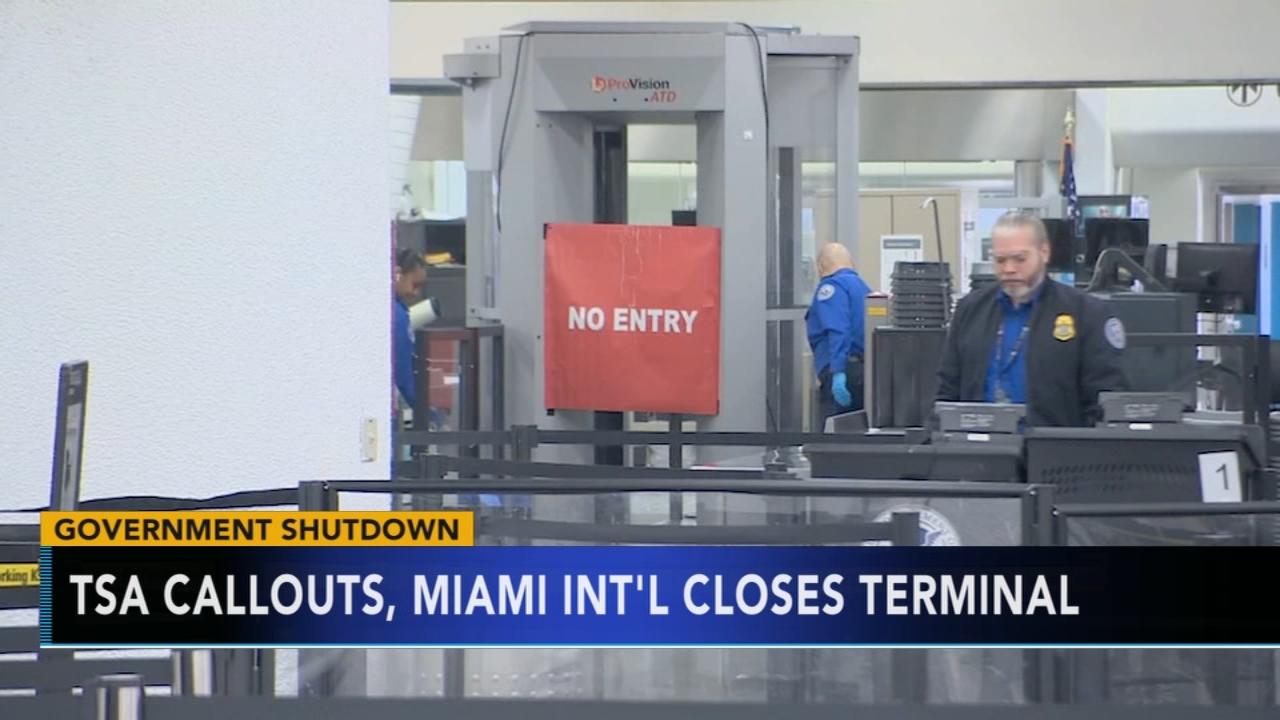
A full closure of MIA is an exceptionally rare event, typically reserved for severe, life-threatening conditions or catastrophic incidents. Even during significant events, airport authorities prioritize maintaining some level of essential operations, redirecting flights, or staging recovery efforts. What travelers more frequently encounter are delays, partial shutdowns of runways or terminals, or flight cancellations. These disruptions, while frustrating, are a normal part of the complex world of air travel and are usually managed to resume full service as quickly and safely as possible. The airport’s operational status is constantly monitored by a vast network of personnel, from air traffic controllers to ground staff, all working to ensure safety and efficiency.
Common Reasons for Disruptions
Several factors can lead to disruptions at MIA:
- Weather Conditions: Florida’s tropical climate means hurricanes and severe thunderstorms are the most common culprits. During hurricane season (June to November), airports in the region, including MIA, may experience significant delays or temporary closures as a precautionary measure. Heavy fog, strong winds, or ice (though rare in Miami) can also impact visibility and flight safety.
- Technical Issues: Malfunctions with air traffic control systems, runway lighting, baggage handling equipment, or aircraft mechanical problems can lead to ground stops or delays. While these are usually localized and resolved swiftly, they can have ripple effects throughout the airport’s operations.
- Airline Staffing Shortages/Strikes: Insufficient pilots, flight attendants, or ground crew, sometimes exacerbated by widespread illnesses like COVID-19, can lead to numerous flight cancellations, even if the airport itself is fully operational. Labor disputes or strikes by airline or airport personnel can also severely impact operations.
- Security Concerns: Threats, breaches, or heightened security protocols can necessitate temporary lockdowns, evacuations, or extensive screening procedures, causing significant delays. These measures are always implemented with passenger safety as the paramount concern.
- Air Traffic Control (ATC) Delays: Even if MIA itself is clear, delays at other major airports or congestion in the national airspace system can lead to holding patterns or ground stops for flights destined for Miami.
- Maintenance and Construction: Ongoing projects to upgrade runways, terminals, or other facilities, while crucial for long-term efficiency, can sometimes cause temporary operational adjustments.
When Plans Go Awry: What to Do During MIA Delays and Cancellations
Facing a flight delay or, worse, a cancellation, can be incredibly stressful, especially when it impacts carefully planned travel itineraries, hotel bookings, or crucial business meetings. However, proactive steps and a calm approach can significantly mitigate the inconvenience.
Immediate Steps for Travelers
- Stay Informed: Your airline’s mobile app is your best friend. It often provides the most up-to-date information on flight status, gate changes, and rebooking options. Sign up for text or email alerts. Check the official MIA website (miami-airport.com) for overall airport status and advisories. Monitor local news for severe weather updates.
- Contact Your Airline: While crowds form at customer service desks, try contacting your airline’s customer service via phone, social media (often surprisingly responsive), or live chat. Agents working remotely may be able to assist you faster with rebooking. Have your booking reference number ready.
- Understand Your Rights: Depending on the reason for the delay or cancellation and your destination, you may be entitled to compensation, meals, or accommodation under specific airline policies or international regulations (e.g., Europe’s EU261 for flights to/from/within the EU). Keep all receipts for any unexpected expenses.
- Rebook Proactively: If your flight is canceled, try to rebook yourself through the airline’s app or website immediately. Available seats on alternative flights fill up quickly. Be open to flying out of a different nearby airport, such as Fort Lauderdale-Hollywood International Airport (FLL) or Palm Beach International Airport (PBI), if your airline offers it.
- Secure Accommodation if Stranded: If an overnight stay is required, and the airline isn’t providing a voucher (or if you prefer your own choice), book a hotel near the airport immediately. Hotels near major hubs like MIA fill up very quickly during mass disruptions. Websites offering hotel comparison and reviews can be invaluable here.
Exploring Alternative Travel Options
In scenarios of prolonged delays or cancellations, especially when regional travel is involved, consider alternative modes of transport:
- Ground Transportation: For shorter distances within Florida or neighboring states, trains, buses, or rental cars might be viable alternatives. Miami offers various car rental agencies at the airport and connections to regional bus and train services.
- Other Airports: As mentioned, Fort Lauderdale-Hollywood International Airport (FLL) is a significant alternative, just a 30-45 minute drive north, and Palm Beach International Airport (PBI) is also an option for some routes. Confirm if your airline can re-route you from one of these airports.
The Role of Travel Insurance and Airline Policies
Before you travel, invest in comprehensive travel insurance. Many policies cover expenses incurred due to flight delays, cancellations, lost luggage, and medical emergencies. Review your policy carefully to understand what is covered and the claims process.
Airlines have their “Contract of Carriage,” which outlines their responsibilities in case of disruptions. For domestic flights in the United States, airlines are generally not legally obligated to provide compensation for delays or cancellations due to weather or ATC issues, but they will typically rebook you on the next available flight. For issues within their control (e.g., mechanical problems or staffing), many airlines will offer meals or accommodation. Always inquire politely about what assistance they can offer.

Unexpected Layover in Paradise: Making the Most of Your Time in Miami
An unexpected layover in Miami due to airport disruptions doesn’t have to be a complete write-off. With its vibrant culture, stunning beaches, and diverse attractions, Miami offers plenty to explore, even for a few hours or an unplanned overnight stay. This could be an opportunity for an impromptu Miami lifestyle experience!
Premier Accommodation Options Near MIA
If you find yourself needing to stay overnight, MIA is surrounded by a wide array of hotels catering to every budget and preference. Many offer complimentary airport shuttles, making logistics easy.
- Luxury and Business Hotels: Options like the Hilton Miami Airport Blue Lagoon or the expansive Marriott Miami Airport Campus provide executive amenities, comfortable suites, excellent dining, and often resort-style pools and fitness centers. These are perfect for business travelers or those seeking to unwind in comfort.
- Mid-Range and Boutique Options: Numerous well-regarded brands offer comfortable stays at competitive prices, often including breakfast and Wi-Fi. Many have pleasant amenities, making an unexpected overnight stay feel less like a hardship and more like a brief retreat.
- Budget-Friendly Stays: For those looking to minimize costs, there are several value-oriented hotels that provide clean, functional rooms, ideal for a quick overnight stay. Utilizing online booking platforms for accommodation reviews and comparison can help you find the best deals.
- Downtown Miami and Brickell: For a more vibrant experience, consider venturing slightly further to Downtown Miami or the financial district of Brickell. Here, you’ll find upscale hotels like the Hyatt Regency Miami or trendy boutique hotels amidst dining, shopping, and nightlife. Public transport or ride-sharing services can connect you easily.
Discovering Miami’s Vibrant Culture and Landmarks
Even with limited time, you can experience a slice of Miami’s unique charm.
- South Beach and Art Deco Historic District: A quick taxi or ride-share can whisk you away to the iconic shores of South Beach. Stroll along Ocean Drive, admire the pastel-colored Art Deco architecture, and feel the energy of this world-famous strip. It’s a quintessential Miami experience that epitomizes luxury travel and vibrant urban tourism.
- Wynwood Walls: For art enthusiasts, the open-air street art museum of Wynwood Walls is an absolute must-see. This constantly evolving gallery of murals transforms ordinary walls into extraordinary canvases, reflecting Miami’s creative spirit and urban lifestyle.
- Little Havana and Calle Ocho: Immerse yourself in the rich Cuban culture of Little Havana. Walk down Calle Ocho, listen to live salsa music, watch cigars being rolled, and savor authentic Cuban coffee and cuisine. It’s a sensory experience that offers a deep dive into local culture and food.
- Vizcaya Museum & Gardens: This opulent European-style estate on Biscayne Bay is a stunning landmark, offering breathtaking architecture, elaborate gardens, and fascinating history. It’s a tranquil escape from the bustling city.
- Museums: Miami boasts world-class cultural attractions like the Pérez Art Museum Miami (PAMM) and the Phillip and Patricia Frost Museum of Science (Frost Science Museum), both located in Downtown Miami’s Museum Park.
Culinary Adventures and Lifestyle Experiences
Miami is a gastronomic paradise, offering a fusion of Latin American, Caribbean, and international flavors. From upscale dining in Brickell and South Beach to casual eateries in Coconut Grove and authentic food trucks, there’s something for every palate. Don’t miss out on fresh seafood, Cuban sandwiches, and stone crabs (in season).
For shoppers, Miami offers everything from high-end boutiques at Bal Harbour Shops and the Design District to outlet bargains at Dolphin Mall and the massive Sawgrass Mills. Even a short visit to Bayside Marketplace can provide a pleasant waterside experience with unique shops and dining.
Nature lovers can consider a quick trip to Everglades National Park for an airboat tour (allow ample travel time), or relax on the tranquil beaches of Key Biscayne or within Biscayne National Park. These attractions offer unique experiences that showcase Florida’s incredible biodiversity.
Future-Proofing Your Miami Travel: Essential Tips and Resources
While no one can predict every disruption, smart planning can significantly reduce stress and enhance your overall travel experience. By incorporating a few strategic habits, you can approach your journeys to and from Miami with greater confidence and adaptability.
Staying Informed and Prepared
- Always Check Flight Status: Make it a routine to check your flight status several times leading up to your departure, especially on the day of travel. Utilize airline apps, airport websites, and flight tracking services.
- Sign Up for Alerts: Ensure your airline has your correct contact information and that you’re opted in for SMS or email alerts regarding your flight.
- Pack Smart: If possible, travel with carry-on luggage only. This eliminates the risk of lost checked bags during re-routings and allows you to move more freely if you need to switch airports or modes of transportation. Always keep essential medications, valuables, and a change of clothes in your carry-on.
- Have Essential Documents Handy: Keep your passport, ID, booking confirmations, and hotel reservations easily accessible, either in a physical folder or digitally on your phone.
- Charge Devices and Pack a Power Bank: A fully charged phone and a portable power bank are critical for communication, accessing information, and entertainment during delays.
- Know Emergency Contacts: Keep a list of important phone numbers (airline, hotel, travel insurance, family) readily available, even if your phone battery dies.
Booking Smart: Flexibility and Accommodation Choices
- Consider Flexible Tickets: When booking, especially for crucial trips or during peak travel seasons (like hurricane season in Florida), consider purchasing flexible or refundable tickets, even if they cost a little more. This can save you significant hassle and money if plans change.
- Book Refundable Accommodation: Similarly, opt for hotel bookings with free cancellation policies. This provides peace of mind if your flight is delayed or rerouted, preventing you from losing money on non-refundable stays. Our guides on booking and reviews can help you find flexible options.
- Research Hotels Near the Airport: Familiarize yourself with nearby airport hotels in advance. Knowing your options can speed up the process of finding last-minute accommodation during a disruption.
- Explore Long-term Stay Options: If you’re planning an extended visit or considering becoming a digital nomad in Miami, researching apartments or villas for long-term stay can offer more stability and amenities compared to traditional hotels.
In conclusion, while a complete closure of Miami International Airport is a rare occurrence, disruptions are a part of modern air travel. By staying informed, understanding your options, and preparing for contingencies, you can navigate these challenges with confidence. And remember, an unexpected stop in Miami could just be a serendipitous opportunity to explore one of the world’s most dynamic and exciting cities, offering everything from stunning landmarks and cultural immersion to luxurious resorts and budget-friendly accommodations, all contributing to its unique lifestyle and renowned tourism appeal. Safe travels!
LifeOutOfTheBox is a participant in the Amazon Services LLC Associates Program, an affiliate advertising program designed to provide a means for sites to earn advertising fees by advertising and linking to Amazon.com. Amazon, the Amazon logo, AmazonSupply, and the AmazonSupply logo are trademarks of Amazon.com, Inc. or its affiliates. As an Amazon Associate we earn affiliate commissions from qualifying purchases.