
Embarking on a journey to the idyllic shores of Hawaii is a dream for many, a vibrant tapestry of volcanic landscapes, pristine beaches, and a rich cultural heritage. However, before you swap your daily grind for a lei-adorned welcome and a “mahalo,” there’s one crucial aspect of travel planning that often goes overlooked but profoundly impacts your experience: understanding Hawaii’s unique time zone. Situated far out in the Pacific Ocean, this island paradise operates on its own temporal rhythm, distinct from much of the United States mainland and the rest of the world. Grasping the intricacies of Hawaii Standard Time (HST) is not merely about setting your watch correctly; it’s about optimizing your itinerary, minimizing jet lag, and fully immersing yourself in the laid-back island lifestyle. From booking flights and securing the perfect hotel to planning thrilling excursions and savoring local cuisine, every facet of your Hawaiian adventure is subtly influenced by the time difference. This comprehensive guide will demystify HST, offering essential insights for travelers, helping you navigate the temporal shift with ease, and ensuring your visit to these captivating islands is as seamless and enjoyable as possible.
Understanding Hawaii Standard Time (HST)
Hawaii Standard Time (HST) is more than just a chronological designation; it’s a reflection of Hawaii’s unique geographical isolation and its commitment to a consistent, year-round schedule. Understanding its fundamental principles is the first step towards a well-planned and harmonious Hawaiian vacation, especially when considering the broader context of travel, accommodation, and local tourism.
The Basics: GMT-10 and No Daylight Saving
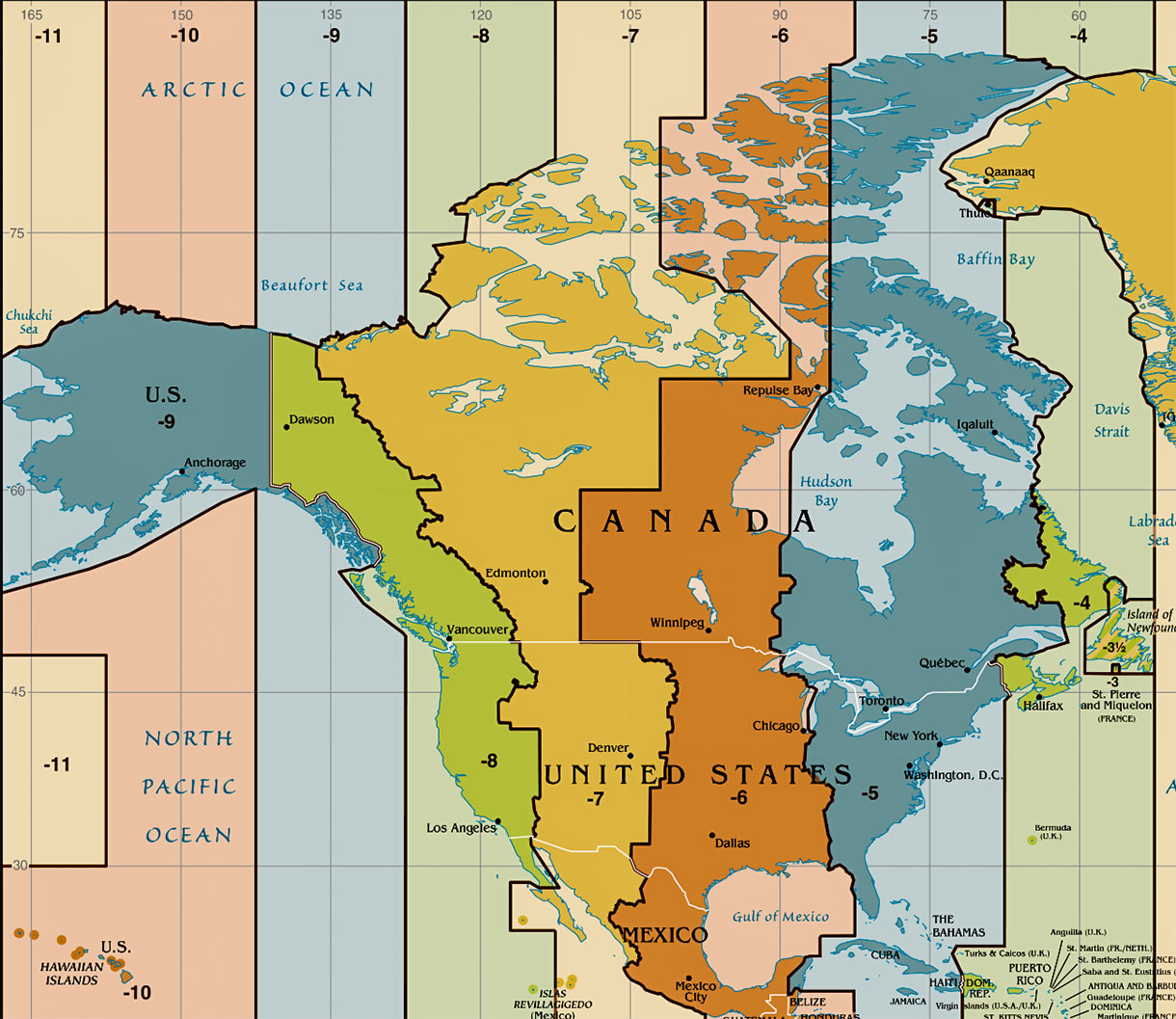
At its core, Hawaii Standard Time (HST) observes an offset of UTC-10:00 (Coordinated Universal Time minus 10 hours). This means that during standard time, Hawaii is ten hours behind Greenwich Mean Time (GMT). For travelers arriving from the mainland United States, this translates to significant time differences that remain constant throughout the year due to one pivotal fact: Hawaii does not observe Daylight Saving Time (DST).
This consistent schedule sets Hawaii apart from most of the continental United States and many other countries globally. While regions like California (Pacific Daylight Time, PDT) or New York (Eastern Daylight Time, EDT) spring forward and fall back, Hawaii maintains its steady UTC-10:00 offset. This means that for half the year (roughly from March to November), the time difference between Hawaii and mainland locations will effectively increase by one hour compared to the other half of the year. For instance, during Daylight Saving Time, Hawaii will be three hours behind the U.S. West Coast (Pacific Daylight Time), five hours behind the U.S. Central Time Zone, and six hours behind the U.S. East Coast (Eastern Daylight Time). This crucial detail is often a source of confusion for first-time visitors and underscores the importance of double-checking flight times, tour schedules, and hotel check-in procedures, especially during the spring and summer months.

Geographical Context: A Remote Pacific Gem
Hawaii’s unique time zone isn’t arbitrary; it’s a direct consequence of its geographical position as the most isolated population center on Earth. Nestled in the heart of the Pacific Ocean, it lies thousands of miles from the North American continent to its east and Asia to its west. This remote location dictates that it falls into a distinct time zone that allows for optimal daylight hours relative to the sunrise and sunset cycles throughout the year.
The fact that the Hawaiian Islands span approximately 1,500 miles, from Niihau in the northwest to the Big Island (or Hawaii Island) in the southeast, might lead some to wonder if there are multiple time zones within the state. However, for practical and logistical reasons, the entire state of Hawaii observes a single time zone, HST. This consistency simplifies travel between islands like Oahu, Maui, Kauai, and the Big Island, ensuring seamless connections for inter-island flights, tours, and daily life. The uninterrupted time zone also fosters a sense of unity across the diverse islands, making it easier for visitors to plan multi-island itineraries without additional temporal calculations. This geographical context is vital for understanding why HST is not just a time zone, but an integral part of the Hawaiian identity and travel experience.
Navigating Time Differences for Travelers
The time difference between your home and Hawaii can significantly impact your initial days on the islands. Preparing for this shift is key to maximizing your vacation time, ensuring you’re refreshed and ready to explore from the moment you land. Effective strategies for managing jet lag and meticulous planning can transform a potentially tiring start into a smooth, invigorating beginning to your Hawaiian escape.
Combatting Jet Lag: Tips for a Smooth Transition
Jet lag, a physiological condition resulting from rapid travel across multiple time zones, is almost an inevitable part of any long-haul journey to Hawaii. Common symptoms include fatigue, insomnia, headaches, and digestive issues, which can dampen the excitement of your arrival. However, with some strategic preparation and on-arrival adjustments, you can significantly mitigate its effects.
Before you even board your flight, consider gradually shifting your sleep schedule towards Hawaiian time a few days in advance. Even moving your bedtime and wake-up time by an hour or two can make a difference. Hydration is paramount during your flight; drink plenty of water and avoid excessive caffeine and alcohol, which can exacerbate dehydration and disrupt sleep patterns. Upon arrival in Honolulu or Kahului, resist the urge to nap immediately, even if you feel exhausted. Instead, try to expose yourself to natural daylight as much as possible. Sunlight helps reset your body’s internal clock, known as the circadian rhythm. Take a leisurely walk along Waikiki Beach or stroll through the gardens of your resort. If you must nap, keep it short, ideally under 30 minutes, to avoid falling into a deep sleep cycle that could further confuse your body. Adjust your meal times to local schedules immediately. Eating at the appropriate times signals to your body that it’s time to be awake or wind down. While your body adjusts, prioritize relaxing activities over strenuous ones. A gentle swim, a beach walk, or simply enjoying the sunset from your Four Seasons Resort Maui at Wailea balcony can be more beneficial than an early morning hike up Diamond Head on your first day. Patience and consistency are your best allies in overcoming jet lag, allowing you to fully enjoy the beauty and activities Hawaii has to offer.

Planning Your Itinerary: Flights, Activities, and Dining
The time difference significantly influences the logistics of your trip, from booking your initial flight to scheduling your daily adventures. When selecting flights, consider the arrival time. An early afternoon arrival might give you enough daylight to adjust and enjoy a relaxed dinner, whereas a late-night arrival could mean immediately trying to sleep when your body thinks it’s the middle of the day. Many travelers prefer to take red-eye flights from the U.S. West Coast to arrive in Hawaii in the morning, maximizing their first day, but this requires excellent in-flight sleep to avoid extreme fatigue.
When planning activities, always double-check the local time. A sunrise hike to Haleakala Crater on Maui might require a 2:00 AM wake-up according to local Hawaiian time, which could feel like 7:00 AM back home for a New York traveler. Similarly, a sunset catamaran cruise off the Napali Coast of Kauai might align perfectly with your internal clock, making it an ideal first-day activity. Booking tours, reservations for popular restaurants in Lahaina or Kona, and even spa treatments at luxurious resorts like the Grand Wailea, A Waldorf Astoria Resort must be done with local time in mind. Confirming these details in HST will prevent missed appointments and ensure a smooth flow to your vacation. For international travelers coming from Asia or Europe, the time difference can be even more substantial, necessitating even greater care in itinerary planning to avoid scheduling conflicts and to allow ample time for acclimatization.
West Coast vs. East Coast: Bridging the Time Gap
The impact of Hawaii Standard Time varies significantly depending on your departure point within the United States. Travelers from the U.S. West Coast (e.g., California, Washington) typically face a 2-hour difference during standard time (PST) and a 3-hour difference during Daylight Saving Time (PDT). This smaller gap generally makes adjustment quicker and less severe. Many West Coast visitors find they can adjust within a day or two, perhaps feeling a bit tired in the late afternoon but otherwise functioning well.
However, for those traveling from the U.S. East Coast (e.g., New York, Florida), the time difference is much more pronounced: 5 hours during Eastern Standard Time (EST) and 6 hours during Eastern Daylight Time (EDT). This substantial leap means that when it’s noon in Hawaii, it’s already 5 or 6 PM on the East Coast, making your internal clock feel significantly off. East Coast travelers often require more time, typically 3-5 days, to fully acclimate. During this period, extreme fatigue in the early evening and early morning awakenings are common. They might find themselves eating dinner at 5 PM local time because their body thinks it’s 10 PM. Recognizing this disparity is crucial for setting realistic expectations and planning your initial days with less strenuous activities. It also highlights why booking an accommodation that prioritizes comfort and relaxation, such as a suite at The Royal Hawaiian, a Luxury Collection Resort, can be particularly beneficial for those coming from farther time zones, allowing for ample rest and gentle acclimatization.
Time’s Impact on Your Hawaiian Experience
Beyond just resetting your watch, embracing Hawaii’s unique time zone allows for a deeper appreciation of the islands’ rhythm and offerings. From the moment you check into your accommodation to the final celebratory luau, the local time influences how you interact with every aspect of your travel experience, shaping your memories and maximizing your enjoyment.
Hotel Stays and Accommodation Logistics
Understanding HST is fundamental to a smooth accommodation experience. Check-in and check-out times, typically around 3:00 PM and 11:00 AM respectively, are always in local Hawaiian time. If you arrive early after a long flight, knowing the time difference helps manage expectations regarding early check-in availability. Many hotels, especially resorts geared towards international travelers, are accustomed to guests arriving jet-lagged and may offer amenities like hospitality suites or luggage storage to help you bridge the gap until your room is ready. Conversely, on your departure day, a late flight might necessitate booking a late check-out or utilizing resort facilities after leaving your room.
The time zone also impacts internal resort schedules. Spa appointments, fitness classes, daily cultural activities like lei making or ukulele lessons, and happy hour specials at poolside bars are all set to HST. Being aware of this ensures you don’t miss out on these enriching experiences. For those considering apartments or villas for a longer stay, coordinating with property managers for key pick-up or drop-off, particularly if they operate on a different schedule, becomes crucial. Whether you’re staying at a budget-friendly apartment in Kapaa on Kauai or a luxurious villa in Wailea on Maui, having a clear grasp of the local time for all communications and arrangements is indispensable.
Maximizing Your Tourism Adventures
Hawaii’s stunning natural beauty and vibrant cultural scene offer countless tourism opportunities, many of which are time-sensitive. Early morning tours, such as whale watching during season, snorkeling excursions to Molokini Crater, or visits to popular landmarks like Pearl Harbor, often start precisely at a specific time. Being punctual, especially when your body clock might still be on mainland time, is vital for not missing your slot.
Similarly, sunset activities like dinner cruises off Oahu or enjoying the vibrant evening atmosphere in Lahaina are dictated by the sun’s actual setting time in Hawaii. This means a glorious 6:30 PM sunset experience might feel like a much later hour if your body is still on East Coast time, potentially affecting your energy levels or desire for a late dinner. Moreover, certain attractions like Volcanoes National Park on the Big Island are best experienced at specific times for optimal viewing of lava flows or stargazing opportunities from Mauna Kea. Planning these activities with HST in mind, and allowing for travel time, ensures you don’t miss out on the magic. It also helps in scheduling time-sensitive experiences like driving the Hana Highway on Maui, where starting early allows for a full day of exploration before sunset.
Embracing the Local Lifestyle and Rhythm
Beyond mere scheduling, adapting to Hawaii Standard Time is about immersing yourself in the local lifestyle. The Hawaiian pace is generally more relaxed, slower than the hustle and bustle of many metropolitan areas. Early mornings are often cool and serene, perfect for a sunrise walk on the beach or a quiet coffee. Evenings are dedicated to family, good food, and enjoying the natural beauty, with many establishments closing earlier than in larger cities.
The absence of Daylight Saving Time means consistent sunrise and sunset times throughout the year, with relatively short changes between seasons. This predictability influences daily routines, from local markets opening early to restaurants offering early bird specials. Understanding this natural rhythm helps you align with the local culture and appreciate the nuances of island life. It teaches a sense of “island time,” where flexibility and going with the flow often lead to the most memorable experiences. By allowing your internal clock to adjust and embracing HST, you’re not just changing your watch; you’re truly beginning to live the aloha spirit, whether you’re exploring the bustling streets of Honolulu or finding serenity in a hidden cove on Lanai.
Practical Considerations for Various Traveler Lifestyles
The time zone shift presents unique challenges and opportunities depending on your travel style and group composition. Whether you’re managing a family vacation, navigating a business trip, or discerning between luxury and budget options, understanding the implications of Hawaii Standard Time can significantly enhance your trip planning and overall satisfaction.
Family Travel and Keeping Kids on Schedule
Traveling with children presents an amplified version of jet lag challenges. Young children and infants are particularly sensitive to disruptions in their sleep and feeding schedules. For family trips to Hawaii, a gradual adjustment strategy is even more critical. Start shifting bedtimes by 15-30 minutes each night for several days before departure. Upon arrival, prioritize exposure to natural light and fresh air to help regulate their circadian rhythms. Early bedtimes might be necessary for the first few nights, even if it means missing out on some evening activities for the adults.
Family-friendly resorts like Aulani, A Disney Resort & Spa on Oahu are often well-equipped to handle families, offering kid-friendly pools, activities, and dining options that cater to varying schedules. However, parents must remain vigilant about planning activities that allow for downtime and rest. Scheduling demanding excursions, such as a full-day snorkeling tour or a long drive along the Road to Hana, a few days into the trip, after everyone has had a chance to adjust, is often more successful. Utilizing the flexibility of a larger apartment or villa for accommodation, allowing children to nap or have quiet time in a separate space, can be invaluable. Ultimately, patience and flexibility are paramount when dealing with children and jet lag in Hawaii, ensuring that everyone, especially the little ones, can enjoy the magic of the islands without undue stress.
Business Trips and Staying Connected
For business travelers, the time difference to Hawaii poses a unique set of challenges, particularly when needing to stay connected with colleagues and clients on the mainland or internationally. A 5-6 hour time difference to the East Coast means that when your work day begins in Honolulu at 8 AM, it’s already 1 PM or 2 PM for your counterparts. This significantly shrinks the window for real-time collaboration.
Planning ahead for critical meetings, conference calls, and communication is essential. Most business travelers will find themselves needing to work earlier or later than their usual hours to bridge this gap. Utilizing asynchronous communication tools and being clear about your availability in HST can help manage expectations. High-speed internet access and reliable cellular service are non-negotiable for business accommodation. Choosing hotels with dedicated business centers, meeting rooms, and strong Wi-Fi, often found in major city centers like Honolulu or resort areas with robust infrastructure, is crucial. Despite the demanding schedule, remember to carve out time to experience a bit of the Hawaiian lifestyle. A morning run along Waikiki Beach or a quiet dinner at a local restaurant can provide a much-needed mental break, preventing burnout and allowing you to return to work refreshed.
Luxury vs. Budget Travel: Time as a Resource
Whether you’re indulging in a luxury escape or meticulously planning a budget-friendly adventure, time is a valuable resource in Hawaii. For luxury travelers, the goal is often to maximize comfort and minimize any inconvenience caused by the time zone. This might mean booking flights with premium cabins to facilitate better sleep, opting for direct flights, or choosing resorts that offer personalized jet lag recovery programs, such as specialized spa treatments or tailored dining options. Luxury accommodations often provide 24-hour concierge services, allowing for flexible activity scheduling regardless of your internal clock. Services like private transfers or bespoke tours can also optimize your time, ensuring you’re not waiting around or dealing with public transport while adjusting. The investment in these services is aimed at a seamless transition and an effortless, truly relaxing vacation from day one.
For budget travelers, while premium services might be out of reach, managing time efficiently is even more critical. Every minute saved in adjustment means more time for affordable activities and exploration. Researching free activities that align with your adjusting body clock, like early morning beach visits or sunset strolls, can be incredibly rewarding. Booking accommodation with kitchenettes can help save on dining costs, and allows for flexible meal times dictated by your jet lag, rather than restaurant hours. Utilizing public transportation, like Oahu’s TheBus, requires planning and an awareness of the time, but offers an authentic and cost-effective way to get around. Regardless of your budget, investing time in understanding HST and strategically planning your itinerary will pay dividends, ensuring you get the most out of every precious moment in this breathtaking island paradise.
LifeOutOfTheBox is a participant in the Amazon Services LLC Associates Program, an affiliate advertising program designed to provide a means for sites to earn advertising fees by advertising and linking to Amazon.com. Amazon, the Amazon logo, AmazonSupply, and the AmazonSupply logo are trademarks of Amazon.com, Inc. or its affiliates. As an Amazon Associate we earn affiliate commissions from qualifying purchases.