
Absolutely, and with remarkable abundance! Montana, often called Big Sky Country, transforms into a pristine, snow-laden wonderland for a significant portion of the year, captivating visitors with its dramatic landscapes and diverse winter experiences. For anyone considering a trip, especially those passionate about winter sports, serene snowy vistas, or unique wildlife viewing, understanding Montana’s snowy climate is key to planning an unforgettable journey. From its majestic Rocky Mountains to its expansive high plains, the state receives considerable snowfall, making it a premier destination for those seeking the magic of a true winter.
This guide delves into the specifics of Montana’s winter climate, highlights the incredible array of activities available when the snow blankets the land, and offers essential insights for planning your stay. Whether you dream of carving fresh powder down world-class slopes, exploring silent, snow-covered forests, or simply cozying up in a luxury resort with a view of a winter panorama, Montana offers a compelling case for a winter escape.
Montana’s Winter Wonderland: A Seasonal Overview
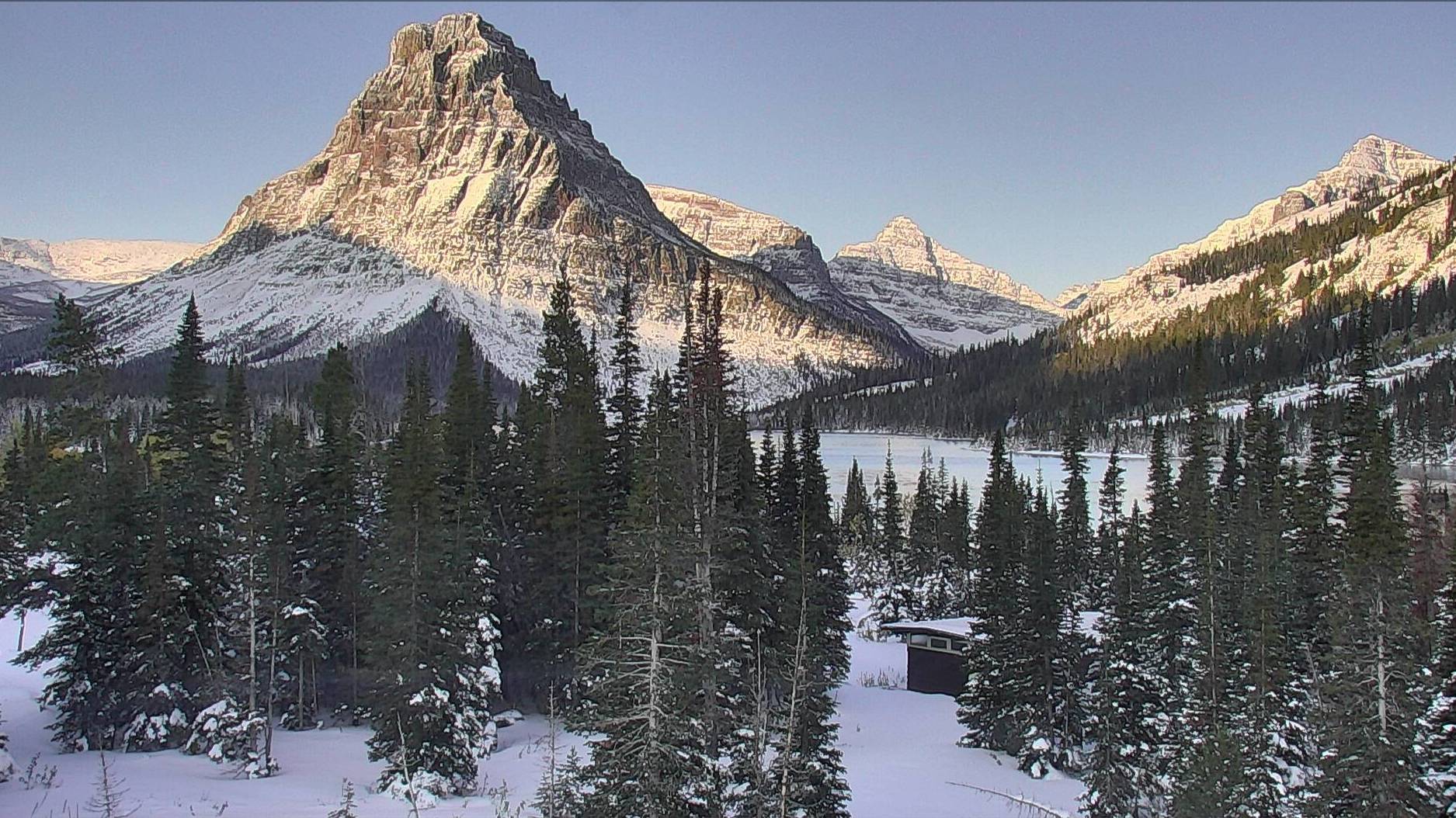
The question of whether it snows in Montana is met with a resounding “yes,” and often, “yes, a lot!” The state’s geographical diversity plays a crucial role in its snowfall patterns, making certain regions particularly snow-rich. Understanding these patterns is essential for travelers hoping to experience the best of Montana’s winter allure.
Understanding Montana’s Climate and Snowfall Patterns
Montana’s climate is characterized by significant seasonal variation, with cold winters and substantial snowfall being a hallmark. The winter season typically extends from November through April, though snow can fall as early as September in the higher elevations and linger into May or even June in mountain passes.
The heaviest snowfall occurs in the western part of the state, dominated by the Rocky Mountains. Mountain ranges here, like the Bitterroot Mountains, Mission Mountains, and Gallatin Range, often receive hundreds of inches of snow annually. Ski resorts situated in these areas routinely report base depths measured in feet, not just inches, attracting skiers and snowboarders from across the globe. For instance, areas near Glacier National Park and the Continental Divide are renowned for their deep powder.
Even the eastern plains of Montana, though generally drier, experience regular snowfall. While accumulations might not reach the epic levels of the mountains, they are sufficient to transform the vast, open landscapes into a serene, white expanse, offering different kinds of winter beauty and recreational opportunities. Temperatures during winter can vary widely, with mountain regions often experiencing colder, drier snow, while valley floors might see more moderate conditions. It’s not uncommon for temperatures to dip well below freezing, emphasizing the need for proper winter gear.
The Magic of Montana in Winter
Beyond just the quantity of snow, it’s the sheer transformation of Montana’s landscape that truly defines its winter magic. Rolling hills become pristine white blankets, towering pine forests stand cloaked in a serene mantle of snow, and frozen rivers glint under crisp, clear blue skies. The air is often invigoratingly fresh, carrying the scent of pine and the promise of adventure.
Winter in Montana also offers unique wildlife viewing opportunities. Animals like bison, elk, and deer are often easier to spot against the snow, particularly in areas around Yellowstone National Park and in the lower valleys as they seek food. The quietude that descends upon the wilderness is profound, broken only by the crunch of snow underfoot or the distant call of a winter bird. This peaceful atmosphere is a huge draw for those looking to escape the hustle and bustle and immerse themselves in nature’s tranquility.
For photographers, the stark contrasts of white snow, dark evergreens, and dramatic skies offer endless possibilities, from capturing the ethereal glow of sunrise over a snow-covered peak to the intricate patterns of frost on a windowpane. The short, often vibrant, winter days give way to long, star-studded nights, especially spectacular in areas with minimal light pollution, allowing for breathtaking views of the Milky Way over a frosted landscape.
Embracing the Snow: Top Winter Activities and Destinations
With its consistent and abundant snowfall, Montana naturally becomes a playground for a myriad of winter activities. From adrenaline-pumping downhill sports to peaceful explorations of snow-covered wilderness, there’s an adventure waiting for every type of traveler.
Skiing and Snowboarding Paradises
Montana boasts some of North America’s most iconic ski resorts, renowned for their incredible terrain, abundant powder, and often shorter lift lines compared to more crowded destinations.
- Big Sky Resort: Often touted as “The Biggest Skiing in America,” Big Sky offers an astounding amount of skiable terrain across four mountains. With over 5,850 acres and a vertical drop exceeding 4,350 feet, it caters to all skill levels, from gentle beginner slopes to challenging expert runs and extreme big mountain terrain. The base village offers a variety of accommodations, from luxury hotels like The Summit Hotel at Big Sky Resort to cozy condos and private vacation rentals, making it a prime spot for a family trip or an adventurous getaway.
- Whitefish Mountain Resort: Located near the charming town of Whitefish, this resort is celebrated for its consistent snowfall and stunning views of Glacier National Park and Flathead Lake. Known for its “snow ghosts” – trees heavily caked in rime ice – Whitefish offers a unique, magical skiing experience. The resort provides diverse terrain for all abilities and a vibrant apres-ski scene in the town below.
- Bridger Bowl: Just a short drive from Bozeman, Bridger Bowl is a community-owned ski area famous for its “cold smoke” powder – light, dry snow that floats. It offers incredible expert terrain in its Ridge area (requiring avalanche gear and training), alongside fantastic intermediate and beginner slopes. It’s a favorite among locals for its authentic ski-town vibe and commitment to the pure joy of skiing.
- Red Lodge Mountain: Nestled in the Beartooth Mountains, Red Lodge Mountain offers a classic, unpretentious skiing experience. It’s known for its friendly atmosphere, diverse terrain, and scenic beauty, making it a great option for families and those seeking a less crowded, more relaxed ski vacation. The nearby historic town of Red Lodge provides charming accommodations and dining options.
Beyond the Slopes: Other Snow-Filled Adventures
While downhill skiing and snowboarding are major draws, Montana’s winter offerings extend far beyond.
- Snowmobiling: Montana boasts thousands of miles of groomed and ungroomed snowmobile trails. West Yellowstone, often called the “Snowmobile Capital of the World,” serves as a primary gateway for tours into Yellowstone National Park and offers extensive trail systems in the surrounding Gallatin National Forest. Other popular areas include the Flathead National Forest near Kalispell and trails around Seeley Lake.
- Cross-Country Skiing and Snowshoeing: For those who prefer a quieter pace, Nordic skiing and snowshoeing trails abound. Bozeman has extensive groomed trails in Hyalite Canyon, while Glacier National Park offers breathtaking backcountry routes on closed sections of roads like Going-to-the-Sun Road. Many ski resorts also offer dedicated Nordic centers.
- Ice Fishing: Frozen lakes and reservoirs across the state become popular spots for ice fishing enthusiasts. Flathead Lake, Fort Peck Lake, and Canyon Ferry Lake are just a few of the places where anglers brave the cold for a chance to catch pike, trout, and perch.
- Dog Sledding: Experience the thrill of dog sledding tours, particularly popular near Big Sky and West Yellowstone, offering a unique way to explore the snowy wilderness.
- Winter Soaks in Hot Springs: After a day of cold-weather activities, nothing beats soaking in one of Montana’s natural hot springs. Chico Hot Springs near Livingston and Fairmont Hot Springs Resort near Anaconda offer year-round warm waters amidst snowy surroundings.
- Wildlife Viewing: Winter is an excellent time for wildlife photography and viewing, especially in areas like the National Bison Range or near Yellowstone’s Lamar Valley, where bison and elk are often more visible.

Planning Your Snowy Montana Getaway: Accommodation and Travel Tips
Embarking on a winter adventure in Montana requires careful planning, especially regarding accommodation and navigating the unique challenges of cold-weather travel. A well-planned trip ensures maximum enjoyment and safety.
Where to Stay: Hotels, Resorts, and Cozy Retreats
Montana’s tourism infrastructure has developed significantly, offering a wide range of accommodation options to suit every budget and style, from luxurious resorts to charming boutique hotels and practical apartments.
- Luxury Resorts: For an indulgent experience, consider places like The Resort at Paws Up near Greenough, offering glamping tents and luxury homes with exquisite amenities and guided winter activities. Ski-in/ski-out resorts at Big Sky and Whitefish provide unparalleled convenience and high-end services, including suites, spas, and gourmet dining.
- Boutique Hotels and Lodges: Many towns like Bozeman, Missoula, Whitefish, and Red Lodge feature unique boutique hotels and cozy lodges that capture Montana’s rustic charm while offering modern comforts. These often provide a more personalized experience and insights into local culture.
- Vacation Rentals (Apartments, Villas, Cabins): For families or groups, renting a private cabin, apartment, or villa can be a cost-effective and comfortable option. Websites like Airbnb or VRBO offer numerous listings across popular destinations, providing kitchens, multiple bedrooms, and often picturesque settings perfect for a long-term stay. This is particularly popular in ski towns where proximity to the slopes is a priority.
- Chain Hotels: Cities like Billings, Missoula, Bozeman, Helena, and Great Falls offer a variety of familiar chain hotels, providing reliable services and amenities, often at a more budget-friendly price point. These are great bases for exploring surrounding areas or for business stays.
- Historic Inns: Discover historic charm in places like Virginia City or Philipsburg, where restored inns offer a glimpse into Montana’s past. While some may have limited winter access, others provide unique, quiet retreats.
Booking in advance, especially for peak holiday periods or ski season, is highly recommended as popular accommodations fill up quickly. Many resorts offer packages that combine lodging with lift tickets or activity passes.
Essential Travel Tips for a Montana Winter Trip
A successful winter trip to Montana hinges on being prepared for the elements and understanding the local conditions.
- Pack in Layers: The golden rule for cold weather is layering. Bring moisture-wicking base layers, insulating mid-layers (fleece or down), and a waterproof/windproof outer shell. Don’t forget warm hats, gloves or mittens, thermal socks, and waterproof winter boots with good traction.
- Vehicle Preparation and Driving: If driving, a 4×4 or All-Wheel Drive (AWD) vehicle is highly recommended, and winter tires (studded or non-studded, depending on preference and road conditions) are often essential. Always check road conditions before heading out, especially for mountain passes, via the Montana Department of Transportation (MDT) website. Keep an emergency kit in your car with blankets, food, water, a flashlight, and jumper cables.
- Altitude Sickness: Some parts of Montana, particularly the ski resorts, are at high elevations. Stay hydrated and take it easy on your first day to acclimatize.
- Wildlife Awareness: Be mindful of wildlife, especially deer, elk, and bison, which can be active on or near roads, particularly at dawn and dusk.
- Sun Protection: Even in winter, the sun’s rays can be intense, especially when reflected off snow. Wear sunglasses or goggles and apply sunscreen.
- Stay Hydrated: Cold, dry air can lead to dehydration. Drink plenty of water throughout the day.
- Guided Tours: For activities like backcountry skiing, snowmobiling in Yellowstone, or ice fishing, consider hiring local guides. They provide expertise, equipment, and ensure safety, enhancing your experience.
- Local Culture and Etiquette: Montanans are generally friendly and welcoming. Embrace the laid-back pace and appreciate the rugged beauty of the environment. Tipping practices are similar to the rest of the United States.
Iconic Montana Landmarks in Their Winter Splendor
While summer draws crowds to Montana’s national parks and wilderness areas, winter offers a uniquely tranquil and breathtaking perspective on these iconic landmarks. The snow transforms familiar landscapes into majestic, serene canvases, providing exclusive experiences for intrepid travelers.
Glacier National Park: A Frozen Jewel
Known as the “Crown of the Continent,” Glacier National Park is undeniably beautiful in winter, albeit with limited access. Most of Going-to-the-Sun Road, its famous scenic drive, is closed to vehicle traffic beyond the first few miles from both the West Glacier and St. Mary entrances. However, these closed sections become incredible pathways for cross-country skiing and snowshoeing, offering unparalleled access to a silent, pristine wilderness.
Visitors can explore the snow-covered forest trails near Apgar Village or venture further up the road, marveling at frozen waterfalls and snow-laden trees. The sense of solitude and the raw beauty of the park under a blanket of snow are truly captivating. Wildlife, such as deer, elk, and even mountain goats, can sometimes be spotted against the white backdrop. Due to deep snow and potential avalanche hazards, backcountry travel requires significant experience, proper gear, and an understanding of avalanche conditions. For less experienced individuals, guided snowshoe tours are an excellent option to safely explore designated areas. The towns of Whitefish and Kalispell serve as excellent bases for exploring the western side of the park in winter.
Yellowstone National Park (Montana Entrances): Unique Winter Experiences
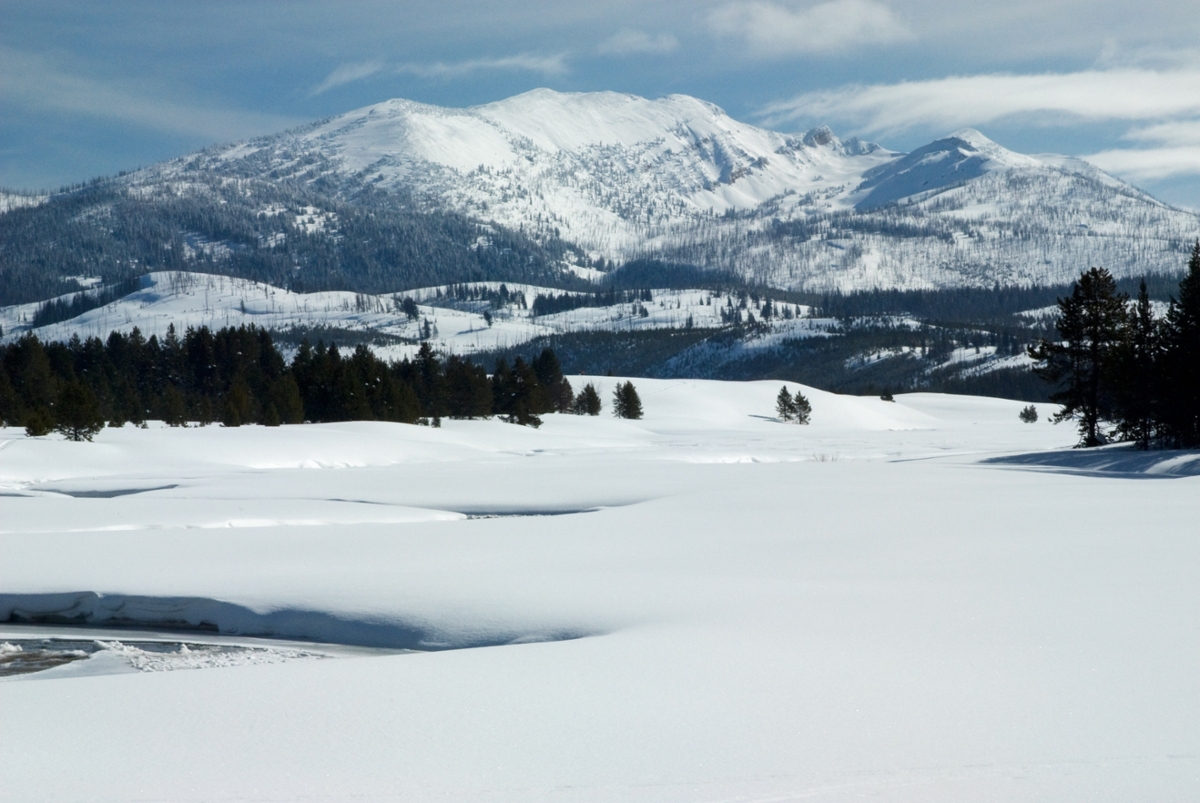
Portions of Yellowstone National Park, particularly those accessible from Montana, offer some of the most unique and iconic winter experiences in the United States. The park transforms into a steaming, frozen wonderland, with geysers like Old Faithful erupting amidst snow and ice, and bison trudging through deep drifts.
The main winter access points from Montana are the West Entrance in West Yellowstone and the North Entrance in Gardiner.
- West Yellowstone Access: From West Yellowstone, the interior roads of the park are accessible via authorized snowmobiles or snowcoaches. These guided tours allow visitors to reach iconic geothermal areas like Old Faithful, the Grand Prismatic Spring, and the Grand Canyon of the Yellowstone. The stark contrast of steaming thermal features against a snowy landscape, often with bison and elk wandering nearby, creates truly unforgettable scenes.
- Gardiner / North Entrance Access: The road from the North Entrance in Gardiner to Cooke City (via Mammoth Hot Springs and the Lamar Valley) is the only park road open to private vehicles year-round. This route is a prime location for winter wildlife viewing. The Lamar Valley, in particular, is famed for its wolf packs, bison herds, and elk, which are often easier to spot against the snow. Mammoth Hot Springs offers unique travertine terraces that steam dramatically in the cold air.
Winter in Yellowstone is quieter, offering a more intimate and profound connection with nature. Accommodation is available in West Yellowstone and Gardiner, and a few lodges within the park (like Old Faithful Snow Lodge) are open during the winter season, providing a full immersion experience.
Beyond these national treasures, many other Montana landmarks take on a special beauty in winter. The Big Hole National Battlefield, the ghost towns of Nevada City and Garnet Ghost Town, or the frozen shores of Flathead Lake each offer unique perspectives for those willing to brave the cold.
In conclusion, the answer to “Does it snow in Montana?” is a resounding and enthusiastic “Yes!” More than just snow, Montana offers a complete winter experience that blends natural beauty, exhilarating activities, diverse accommodation, and unforgettable memories. Whether you’re a seasoned winter sports enthusiast or simply seeking a peaceful retreat into a snowy paradise, Montana stands ready to enchant with its boundless winter charm. Plan your trip, bundle up, and prepare to discover the magic of Big Sky Country under a blanket of pristine white.
LifeOutOfTheBox is a participant in the Amazon Services LLC Associates Program, an affiliate advertising program designed to provide a means for sites to earn advertising fees by advertising and linking to Amazon.com. Amazon, the Amazon logo, AmazonSupply, and the AmazonSupply logo are trademarks of Amazon.com, Inc. or its affiliates. As an Amazon Associate we earn affiliate commissions from qualifying purchases.