
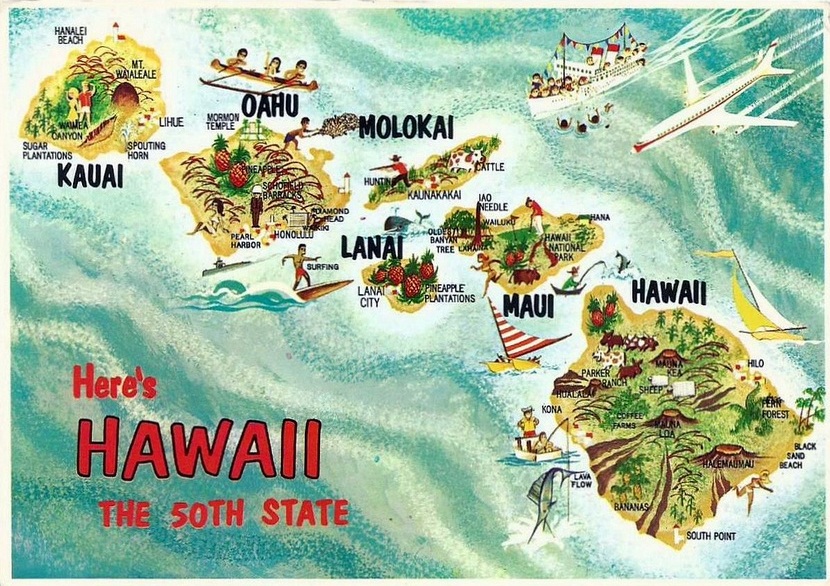
The stunning archipelago of Hawaii, a name synonymous with paradise, aloha spirit, and unparalleled natural beauty, officially joined the United States as its 50th state on August 21, 1959. This pivotal moment in history marked the culmination of a long and often complex journey, transforming an independent kingdom, then a republic, and later a U.S. territory, into a full-fledged member of the American union. For travelers, this transition profoundly influenced Hawaii’s development as a premier global destination, shaping its infrastructure, tourism industry, and the unique blend of cultures that visitors experience today.
Understanding Hawaii’s path to statehood isn’t just a historical exercise; it’s key to appreciating the islands’ rich heritage, diverse communities, and the very fabric of the Hawaiian lifestyle that draws millions to its shores each year. From its ancient royal lineage to its modern status as a beacon for luxury travel and adventure tourism, statehood opened new avenues for growth while preserving the distinct cultural identity of this Pacific Ocean jewel.
A Journey Through Time: From Kingdom to Statehood
The story of Hawaii’s statehood is deeply intertwined with centuries of exploration, cultural exchange, and geopolitical shifts. Long before it became a U.S. state, Hawaii was a vibrant independent nation with a sophisticated society and a proud lineage of monarchs.
The Ancient Kingdom and European Contact
For over a millennium, the Hawaiian Islands were home to Polynesians who navigated vast ocean stretches to settle these fertile lands. They developed a complex social structure, a rich oral tradition, and unique cultural practices deeply connected to the land and sea. By the late 18th century, the islands were united under the powerful rule of Kamehameha I, establishing the Kingdom of Hawaii. This period saw the flourishing of a sovereign nation with its own distinct identity.
The arrival of Captain James Cook in 1778 marked Hawaii’s first recorded contact with Europeans, ushering in an era of rapid change. Whalers, traders, and missionaries soon followed, eager to tap into the islands’ resources and spread Western influence. The early 19th century witnessed Hawaii’s active participation in global trade, primarily through sandalwood and later whaling, connecting it to burgeoning markets in Boston and San Francisco.
American Influence and the Overthrow of the Monarchy
As the 19th century progressed, American influence grew significantly, particularly through American Christian missionaries and their descendants who became prominent landowners and businessmen, often referred to as the “Sugar Barons.” These powerful figures, primarily involved in the lucrative sugar cane industry, increasingly exerted political and economic control. Their interests often clashed with those of the native Hawaiian monarchy, leading to growing tensions.
In 1887, a group of non-native Hawaiian and American businessmen, backed by a militia, forced King Kalākaua to sign the “Bayonet Constitution,” which severely limited the monarch’s power and disenfranchised many native Hawaiians. This event laid the groundwork for the eventual downfall of the monarchy. The final blow came in 1893 when Queen Liliʻuokalani, the last reigning monarch, attempted to restore power to the monarchy by promulgating a new constitution. In response, a group of American and European businessmen, with the support of U.S. Marines, overthrew the kingdom. The Republic of Hawaii was then established in 1894, led by Sanford B. Dole.
Annexation and Territorial Years
The new republic, dominated by American interests, immediately sought annexation by the United States. However, strong anti-annexation sentiment in both Hawaii and the continental U.S. initially stalled these efforts. It wasn’t until the outbreak of the Spanish-American War in 1898, highlighting Hawaii’s strategic military importance in the Pacific, that annexation gained traction. President William McKinley signed the Newlands Resolution, formally annexing Hawaii as a U.S. territory.
For the next six decades, Hawaii operated as a U.S. territory, its economy largely driven by sugar and pineapple plantations. During this period, Pearl Harbor on Oahu became a crucial naval base, a testament to the islands’ strategic value. The territorial years also saw significant migration from Asia and other parts of the Pacific, further diversifying the islands’ population and contributing to its unique cultural mosaic.
The Path to Union: Decades of Debate and Determination
The idea of Hawaii becoming a state was discussed for decades, but it faced numerous obstacles, including concerns over racial demographics, economic impact, and strategic implications.
Post-WWII Momentum
World War II proved to be a turning point for Hawaii’s statehood aspirations. The infamous Japanese Attack on Pearl Harbor on December 7, 1941, catapulted Hawaii into the global spotlight and underscored its vital role in national defense. The remarkable loyalty and contributions of Hawaii’s diverse population, including its significant Japanese-American community, during the war effort largely dispelled fears about the territory’s readiness for statehood. Hawaiian soldiers fought bravely, earning respect and demonstrating their full commitment to the United States.
Following the war, a new generation of local leaders, many of them veterans, emerged to champion the cause of statehood. Figures like John A. Burns, Daniel K. Inouye, and Spark Matsunaga tirelessly campaigned in Washington D.C., arguing for equal rights and representation for the people of Hawaii. The growing civil rights movement across the United States also lent momentum to Hawaii’s plea, as it highlighted the inherent injustice of denying full citizenship to a loyal and contributing populace.
August 21, 1959: The Big Day
After years of lobbying, debates, and congressional hearings, the US Congress finally passed the Hawaii Statehood Bill in March 1959. It was then signed into law by President Dwight D. Eisenhower. A plebiscite was held in June 1959, where the people of Hawaii overwhelmingly voted in favor of statehood, with an astounding 94.3% in support.
The final act occurred on August 21, 1959, when President Eisenhower issued Proclamation 3309, officially admitting Hawaii as the 50th state of the United States. Celebrations erupted across the islands, marking a momentous occasion that brought joy, pride, and a sense of belonging to its residents. This date forever changed the destiny of the islands, ushering in a new era of growth, development, and a dramatically increased profile on the world stage. Interestingly, Hawaii joined the union shortly after Alaska became the 49th state earlier that year.
Hawaii as the 50th State: A Global Icon of Travel and Lifestyle
Statehood had an immediate and profound impact on Hawaii, particularly transforming it into the world-renowned travel destination it is today. The political stability, federal investment, and streamlined travel procedures that came with statehood made the islands far more accessible and appealing to both domestic and international visitors.
Boosting Tourism and Economic Growth
With statehood, travel to Hawaii became significantly easier for Americans, eliminating customs and immigration formalities. This spurred a massive boom in tourism. Airlines rapidly expanded routes, and developers invested heavily in new hotels, resorts, and infrastructure to accommodate the influx of visitors. Waikiki Beach on Oahu, already a popular spot, blossomed into a bustling hub of activity, lined with towering resorts and vibrant nightlife.
The economic growth fostered by statehood allowed for significant investment in local businesses, education, and public services. While agriculture remained important, tourism quickly became the dominant industry, providing countless jobs and shaping the modern Hawaiian economy. This growth also diversified the islands’ appeal, moving beyond just beaches to embrace cultural experiences, adventure sports, and eco-tourism.
Iconic Landmarks and Attractions
The allure of Hawaii extends far beyond its historical significance. As a state, its natural and cultural landmarks have been preserved and promoted, drawing millions to experience their grandeur.
- Pearl Harbor: A poignant historical site on Oahu, offering a powerful reminder of World War II and the sacrifices made.
- Diamond Head: The iconic volcanic crater overlooking Waikiki Beach offers breathtaking panoramic views of Honolulu and the Pacific.
- Hawaii Volcanoes National Park: On the Big Island, visitors can witness the raw power of creation as they explore landscapes shaped by active volcanoes like Kilauea.
- Haleakala National Park: On Maui, this dormant volcano offers stunning sunrise views above the clouds and unique ecosystems.
- Na Pali Coast: The dramatic cliffs of Kauai are a sight to behold, best experienced by boat or helicopter tour.
- Iolani Palace: In Honolulu, this is the only official residence of royalty in the United States, offering a glimpse into Hawaii’s monarchical past.
- Polynesian Cultural Center: Also on Oahu, this center provides an immersive experience into the cultures of Polynesia.
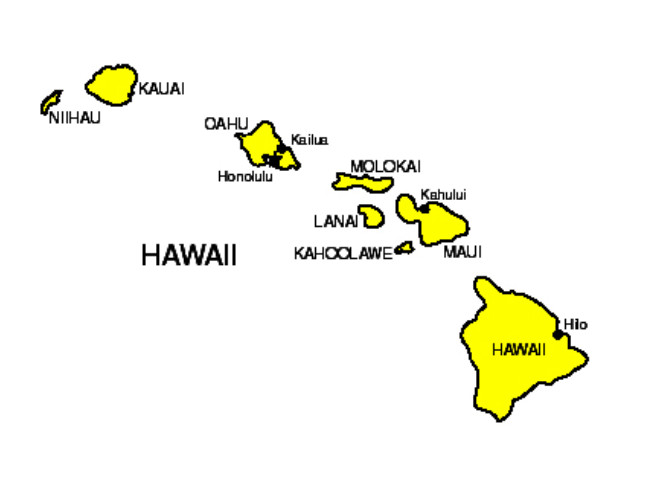
These attractions, coupled with the islands’ pristine beaches, lush rainforests, and abundant marine life, solidify Hawaii’s reputation as a top-tier destination for adventure, relaxation, and cultural immersion.
Hotels, Resorts, and Accommodation Excellence
The statehood era directly fueled the expansion and diversification of Hawaii’s accommodation options. Today, the islands boast an impressive array of choices to suit every traveler’s preference and budget.
- Luxury Resorts: World-renowned brands like Four Seasons, Ritz-Carlton, and independent boutique resorts offer unparalleled service, exquisite dining, and opulent amenities, often with direct beach access or stunning ocean views. These are perfect for those seeking a truly indulgent escape or a memorable honeymoon.
- Mid-Range Hotels: Chains like Marriott and Hilton provide comfortable stays with a range of facilities, ideal for families or those looking for a balance between cost and convenience.
- Budget-Friendly Options: From charming local inns to vacation rentals available through platforms like Airbnb and Vrbo, there are ample choices for budget travelers looking to experience Hawaii without breaking the bank. These often offer a more authentic, local experience, especially when opting for a long-term stay.
- Unique Accommodations: Beyond traditional hotels, Hawaii offers options like eco-lodges near volcanoes, surf hostels along famous breaks, and even glamping sites that connect visitors directly with nature.

The development of such a robust accommodation sector ensures that Hawaii can cater to diverse travel styles, from opulent business stays to adventurous family trips.
Embracing the Hawaiian Lifestyle and Culture
A major part of Hawaii’s appeal lies in its distinctive culture, which has been both preserved and shared more widely since statehood. The Hawaiian lifestyle is characterized by the concept of “aloha,” embodying love, peace, compassion, and respect for the land and one another.
Unique Cuisine and Local Experiences
Hawaiian cuisine is a delightful fusion of Polynesian, Asian, and American influences, reflecting the islands’ history and diverse population.
- Luau: A traditional Hawaiian feast that combines delicious food, live music, and mesmerizing hula performances. It’s a quintessential Hawaiian experience.
- Poke: Cubed raw fish marinated with various seasonings, now a global phenomenon, but best enjoyed fresh from a local shop in Hawaii.
- Loco Moco: A hearty dish featuring white rice, a hamburger patty, a fried egg, and brown gravy – perfect for a post-surfing breakfast.
- Kalua Pig: Traditionally cooked in an underground oven (imu), this smoky, tender pork is a staple at luaus.
- Kona Coffee: Grown on the slopes of Mauna Loa on the Big Island, this world-renowned coffee is a must-try. You can even visit coffee farms along the Kona Coffee Belt.
Beyond food, visitors can engage in a plethora of local experiences, from taking surfing lessons on Waikiki to learning to play the ukulele, or participating in conservation efforts. These activities offer deeper insights into the spirit of the islands.
Luxury Travel vs. Budget Adventures
Hawaii’s statehood has fostered an environment where diverse travel styles can thrive. Whether you dream of a lavish escape or an affordable adventure, Hawaii accommodates all.
- Luxury travelers can indulge in exclusive villas, private charters, gourmet dining, and spa treatments at five-star resorts. They might explore remote beaches, enjoy bespoke excursions, or simply relax in unparalleled comfort.
- Budget travelers can find affordable flights, stay in hostels or guesthouses, enjoy delicious and inexpensive local food from food trucks, and partake in free activities like hiking, snorkeling at public beaches, or exploring local markets. Family trips can be planned with a mix of free and paid attractions, making the islands accessible for various financial plans.
- Adventure seekers can hike volcanic trails, dive with manta rays, surf world-class waves, or explore hidden waterfalls. The natural landscape of Hawaii offers an endless playground for outdoor enthusiasts.
The range of experiences means that every visitor can curate their ideal Hawaiian getaway, regardless of their preferred lifestyle or spending capacity.
Planning Your Perfect Hawaiian Getaway
To make the most of your trip to the 50th state, consider these tips for a memorable and respectful Hawaiian adventure.
Tips for a Memorable Trip
- Best Time to Visit: While Hawaii enjoys pleasant weather year-round, the peak season generally runs from mid-December to mid-April, and again in summer (June-August). For fewer crowds and potentially lower prices, consider visiting during the shoulder seasons (April-May, September-November).
- Inter-Island Travel: Each island offers a distinct personality. Flying between islands is common, with short flights connecting major hubs like Honolulu (Oahu), Kahului (Maui), Lihue (Kauai), and Kona or Hilo (Big Island). Book flights in advance for better rates.
- Respect the Culture: Embrace the aloha spirit by being mindful of local customs and traditions. Learn a few Hawaiian words like “Mahalo” (thank you) and always show respect for sacred sites and the natural environment. “Malama Aina” means to care for the land, a core value in Hawaiian culture.
- Rent a Car: While public transport exists, renting a car offers the flexibility to explore hidden gems and scenic routes at your own pace, especially on islands like Maui and the Big Island.
- Pack Smart: Bring reef-safe sunscreen, reusable water bottles, and comfortable walking shoes for hikes. Layers are also advisable, especially if visiting higher elevations like Haleakala or Mauna Kea.
Beyond the Beaches: Exploring the Diverse Landscapes and Activities
While Hawaii’s beaches are undeniably iconic, the islands offer a spectrum of activities that cater to every interest.
- Hiking: Explore trails ranging from easy coastal walks to challenging volcanic ascents. The Kalalau Trail on Kauai and trails within Hawaii Volcanoes National Park are legendary.
- Water Sports: Beyond surfing, indulge in snorkeling, scuba diving, paddleboarding, kayaking, or whale watching (seasonal, typically November to May).
- Cultural Tours: Visit historical sites, attend a hula show, or take part in a workshop to learn about traditional Hawaiian crafts.
- Food Tours: Explore Honolulu’s diverse culinary scene, visit a Kona coffee farm, or sample fresh tropical fruits at a farmer’s market.
Hawaii’s journey to statehood was a transformative one, shaping it into the multifaceted destination it is today. When you visit, you’re not just experiencing beautiful scenery; you’re stepping into a vibrant history, a rich culture, and a legacy of resilience and welcome. The day Hawaii became a state was not just a date on a calendar; it was the birth of a global icon, inviting travelers from around the world to discover its unique brand of paradise.
LifeOutOfTheBox is a participant in the Amazon Services LLC Associates Program, an affiliate advertising program designed to provide a means for sites to earn advertising fees by advertising and linking to Amazon.com. Amazon, the Amazon logo, AmazonSupply, and the AmazonSupply logo are trademarks of Amazon.com, Inc. or its affiliates. As an Amazon Associate we earn affiliate commissions from qualifying purchases.