
The question of Montana’s state bird might seem like a simple query, yet it opens a window into the state’s natural heritage, its connection to the land, and the symbolism that resonates with its people. While many states proudly boast avian emblems, Montana’s choice is particularly fitting, embodying the spirit of the rugged West and the vast, untamed landscapes that define its identity. Understanding this choice is not just about identifying a bird; it’s about appreciating a creature that lives and thrives within the very essence of Big Sky Country.
The Official Designation: Unveiling the Western Meadowlark
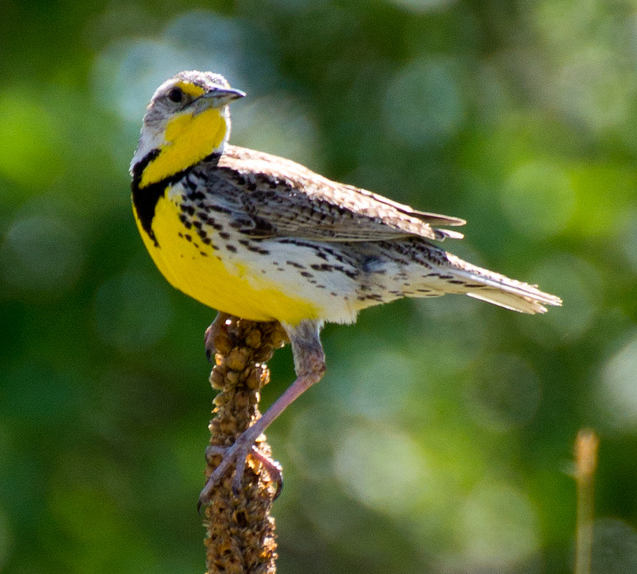
Montana’s official state bird is the Western Meadowlark (Sturnella neglecta). This melodious songbird was officially designated as the state bird on February 27, 1931, by an act of the Montana State Legislature. The choice was not arbitrary; it was a culmination of popular sentiment and a recognition of the meadowlark’s ubiquitous presence and distinctive song across the state’s diverse habitats. The Western Meadowlark is a common sight and sound throughout Montana, from the rolling prairies to the foothills of the Rocky Mountains. Its bright, cheerful call is often the first sound travelers hear as they drive through the open country, a fitting soundtrack to the grandeur of the Montana landscape.
A Symbol of the Plains and Prairies
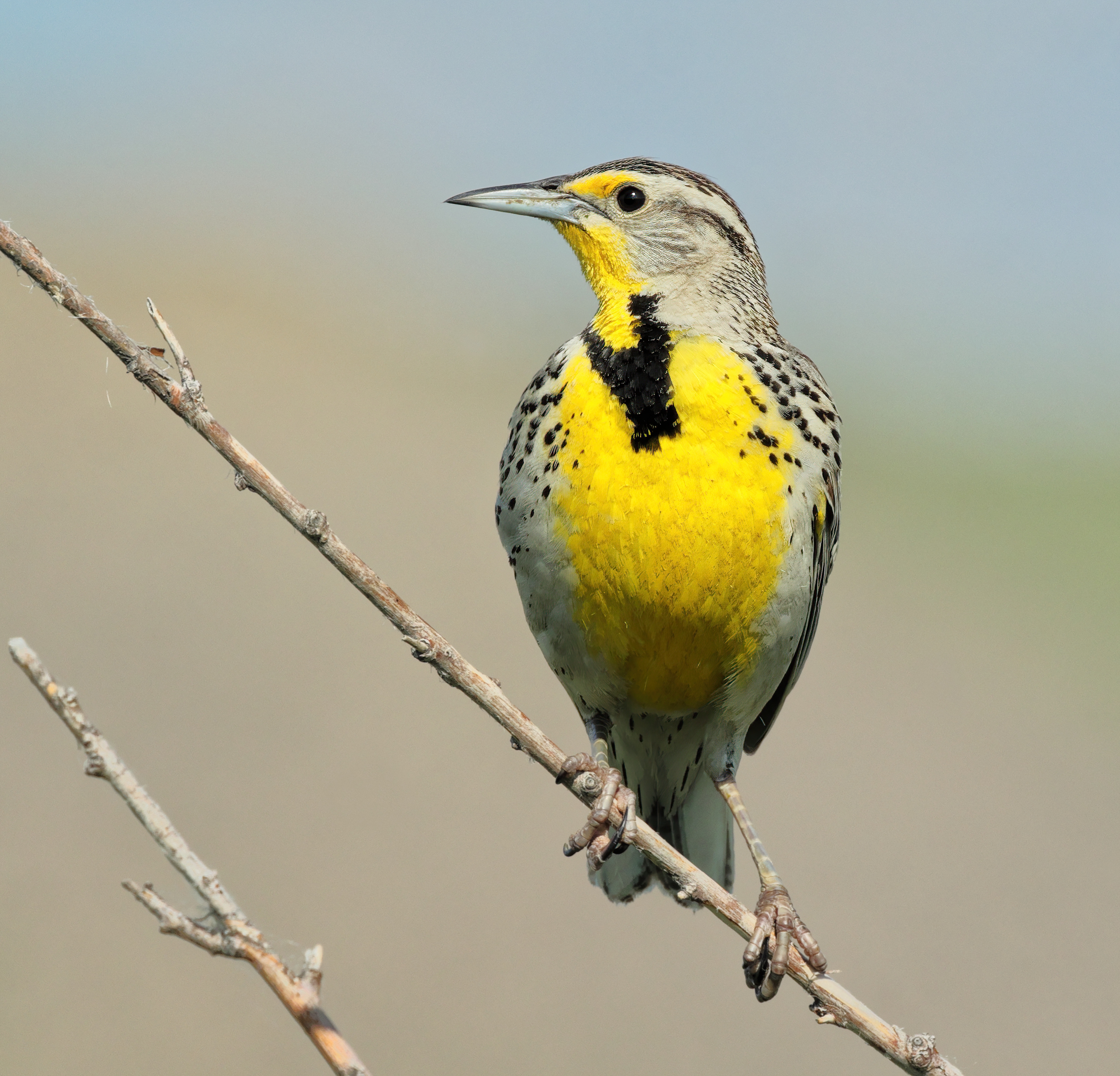
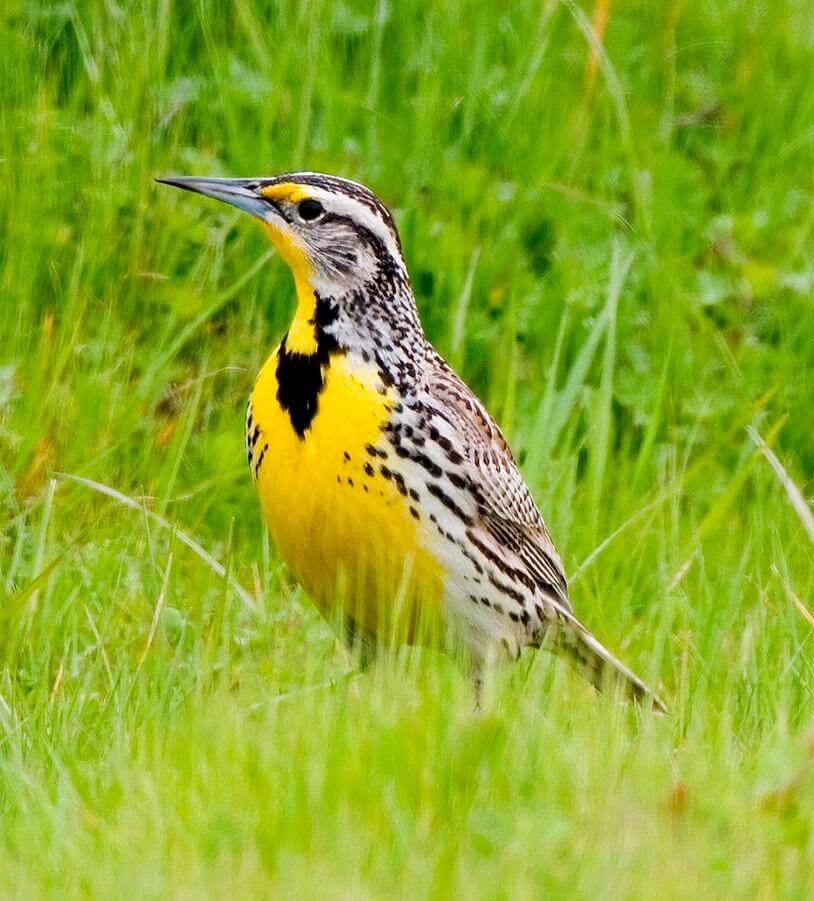
The Western Meadowlark is a medium-sized bird, known for its striking plumage. Its back and wings are a streaky brown, providing excellent camouflage against the earthy tones of its environment. However, its underside is a brilliant yellow, often adorned with a distinctive black “V” shape across the breast. This vibrant coloration makes it a cheerful and easily recognizable figure against the vast expanses of Montana’s prairies. These open grasslands are critical habitats for the meadowlark, providing ample space for foraging and nesting. The bird primarily feeds on insects, particularly during the breeding season, and also consumes seeds and grains. Its presence is an indicator of healthy grassland ecosystems, a vital component of Montana’s natural wealth.
The Distinctive Song: A Melodious Emblem
Perhaps more than its visual appearance, it is the song of the Western Meadowlark that has captured the hearts of Montanans and led to its designation as the state bird. The song is a clear, flute-like whistle, often described as one of the most beautiful bird songs in North America. It is a series of pure, cascading notes, full of a rich, resonant quality that carries far across the open plains. This melodic signature is a familiar sound during the spring and summer months, signaling the arrival of warmer weather and the season of renewal. The meadowlark’s song is so iconic that it has become intrinsically linked with the experience of being in Montana, a auditory reminder of the state’s natural beauty and tranquility.
Why the Western Meadowlark? Reflecting on the Choice
The selection of the Western Meadowlark as Montana’s state bird was a thoughtful decision, reflecting a deep appreciation for the state’s natural heritage and the characteristics embodied by this avian species. Its widespread distribution, its beauty, and its enchanting song all contributed to its suitability as an emblem.
Ubiquity and Accessibility
One of the primary reasons for the Western Meadowlark’s adoption is its sheer abundance and accessibility across Montana. Unlike some state birds that are rare or confined to specific ecological niches, the meadowlark is found in virtually every corner of the state. From the arid eastern plains to the more temperate western valleys, it thrives in a variety of open habitats. This ubiquity means that Montanans and visitors alike have ample opportunity to observe and hear the Western Meadowlark, fostering a sense of familiarity and connection. Its presence is a constant reminder of the natural world that surrounds them, making it a relatable and beloved symbol.
A Symbol of Resilience and Adaptability
The Western Meadowlark is a testament to resilience and adaptability. It navigates the challenges of a varied climate, from harsh winters to hot summers, and thrives in landscapes that have been shaped by human activity, such as ranches and agricultural lands. This ability to adapt and flourish in such diverse conditions mirrors the spirit of the people of Montana, who have historically carved out a life in a challenging yet rewarding environment. The bird’s independent nature and its ability to find sustenance and shelter in open country resonate with the pioneering spirit often associated with the American West.
Aesthetical Appeal and Melodic Charm
Beyond its ecological and symbolic significance, the Western Meadowlark possesses undeniable aesthetic appeal. Its bright yellow breast, contrasted with its cryptic brown back, makes it a visually striking bird. Coupled with its remarkably beautiful and complex song, the meadowlark offers a delightful sensory experience. The song is not merely a series of chirps; it is a sophisticated melody that has been known to inspire awe and contemplation. This combination of visual beauty and captivating vocalization makes the Western Meadowlark a fitting and cherished representative for the state.
Experiencing the Western Meadowlark in Montana
For visitors and residents alike, encountering the Western Meadowlark offers a delightful opportunity to connect with Montana’s natural splendor. Its presence is a subtle yet profound aspect of the state’s identity, and seeking out this avian gem can enhance any exploration of Big Sky Country.
Prime Habitats for Observation
To best experience the Western Meadowlark, one should venture into its preferred habitats: open grasslands, prairies, meadows, and agricultural fields. These areas provide the necessary foraging grounds and nesting sites. Traveling through Montana’s vast rangelands, particularly in areas like the Charles M. Russell National Wildlife Refuge or the National Bison Range, offers excellent opportunities to spot these birds. Even driving along rural roads, especially in the early morning or late afternoon, will often reveal meadowlarks perched on fence posts or singing from the tops of tall grasses. Look for them in the expansive plains of eastern Montana or the more open valleys as you move westward.
Timing Your Visit for the Song
The Western Meadowlark’s song is most prolific during the breeding season, which typically runs from spring through early summer. Visiting Montana between April and July will significantly increase your chances of hearing its enchanting melody. Dawn and dusk are particularly active times for singing, as male meadowlarks establish territories and attract mates. Imagine standing in the quiet expanse of a Montana sunrise, the air crisp and cool, and being serenaded by the pure, clear notes of this beloved bird – it is an experience that encapsulates the peaceful majesty of the state.
Beyond the Bird: A Glimpse into Montana’s Ecology
Spotting and listening to the Western Meadowlark is more than just a pleasant diversion; it’s an invitation to appreciate Montana’s broader ecological tapestry. The presence of meadowlarks indicates healthy grassland ecosystems, which support a wealth of other wildlife, from pronghorn antelope and prairie dogs to a variety of other bird species. Understanding the state bird provides a gateway to learning about the conservation efforts vital to preserving these landscapes. It encourages a deeper engagement with the natural world that makes Montana such a unique and treasured destination.
LifeOutOfTheBox is a participant in the Amazon Services LLC Associates Program, an affiliate advertising program designed to provide a means for sites to earn advertising fees by advertising and linking to Amazon.com. Amazon, the Amazon logo, AmazonSupply, and the AmazonSupply logo are trademarks of Amazon.com, Inc. or its affiliates. As an Amazon Associate we earn affiliate commissions from qualifying purchases.