
Montana, often heralded as the “Treasure State” for its breathtaking landscapes, majestic mountains, and vast open spaces, draws travelers from across the globe seeking adventure, tranquility, and unparalleled natural beauty. From the soaring peaks of Glacier National Park to the geothermal wonders of Yellowstone National Park (partially located within its borders), Montana offers an array of destinations that cater to every kind of explorer. Yet, as with any travel endeavor, understanding the practicalities can significantly enhance your experience. One fundamental aspect that often goes overlooked but is crucial for seamless planning is the local time zone. For visitors meticulously arranging their itineraries, from booking accommodation to scheduling activities, knowing what time zone Montana operates within is a critical first step.
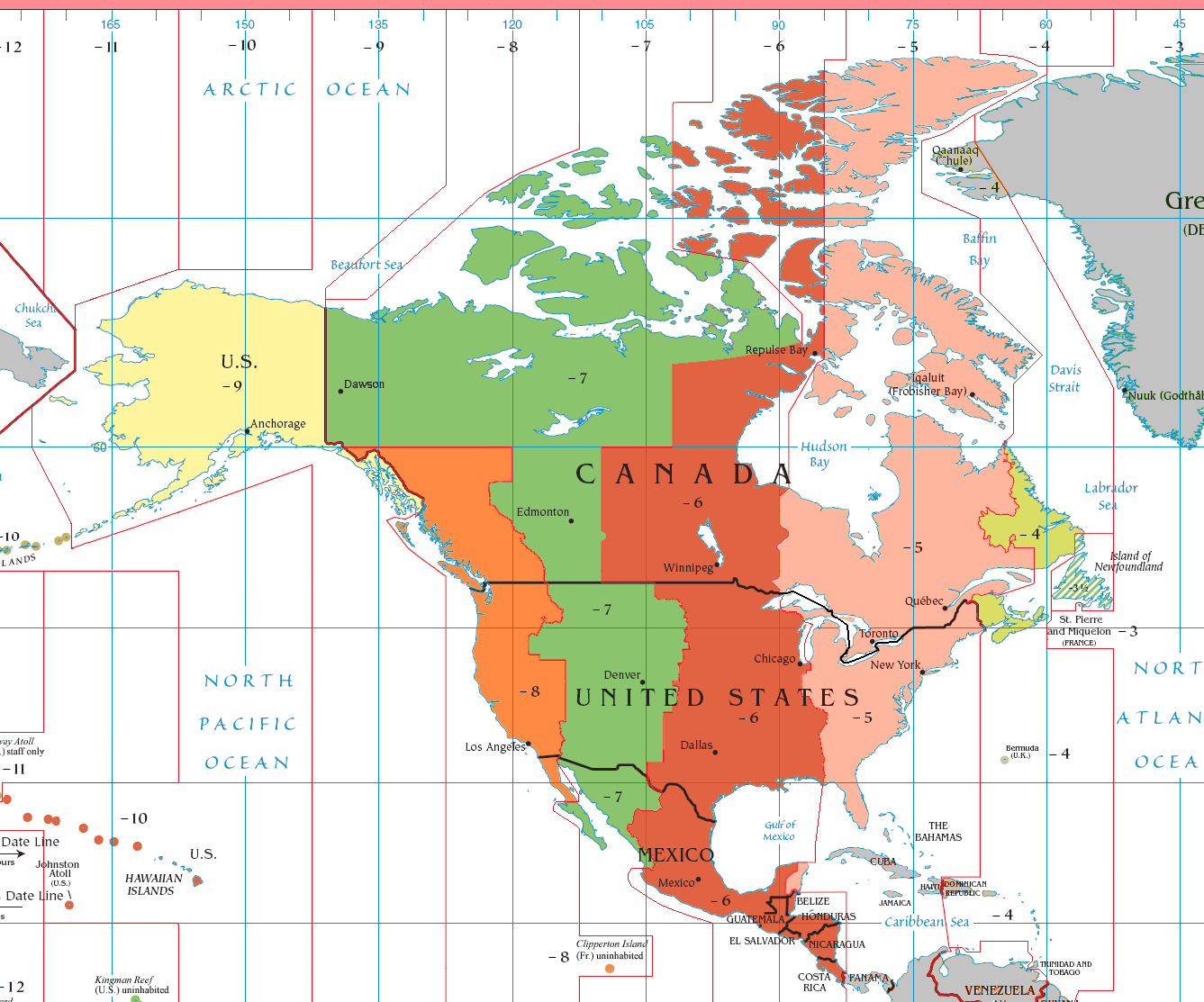
The vastness of the United States means it spans multiple time zones, which can sometimes lead to confusion for those traveling long distances. Fortunately for those visiting Montana, the answer is relatively straightforward and consistent throughout the entire state, simplifying travel logistics considerably.
Understanding Montana’s Time Zones: Mountain Time All Year Round
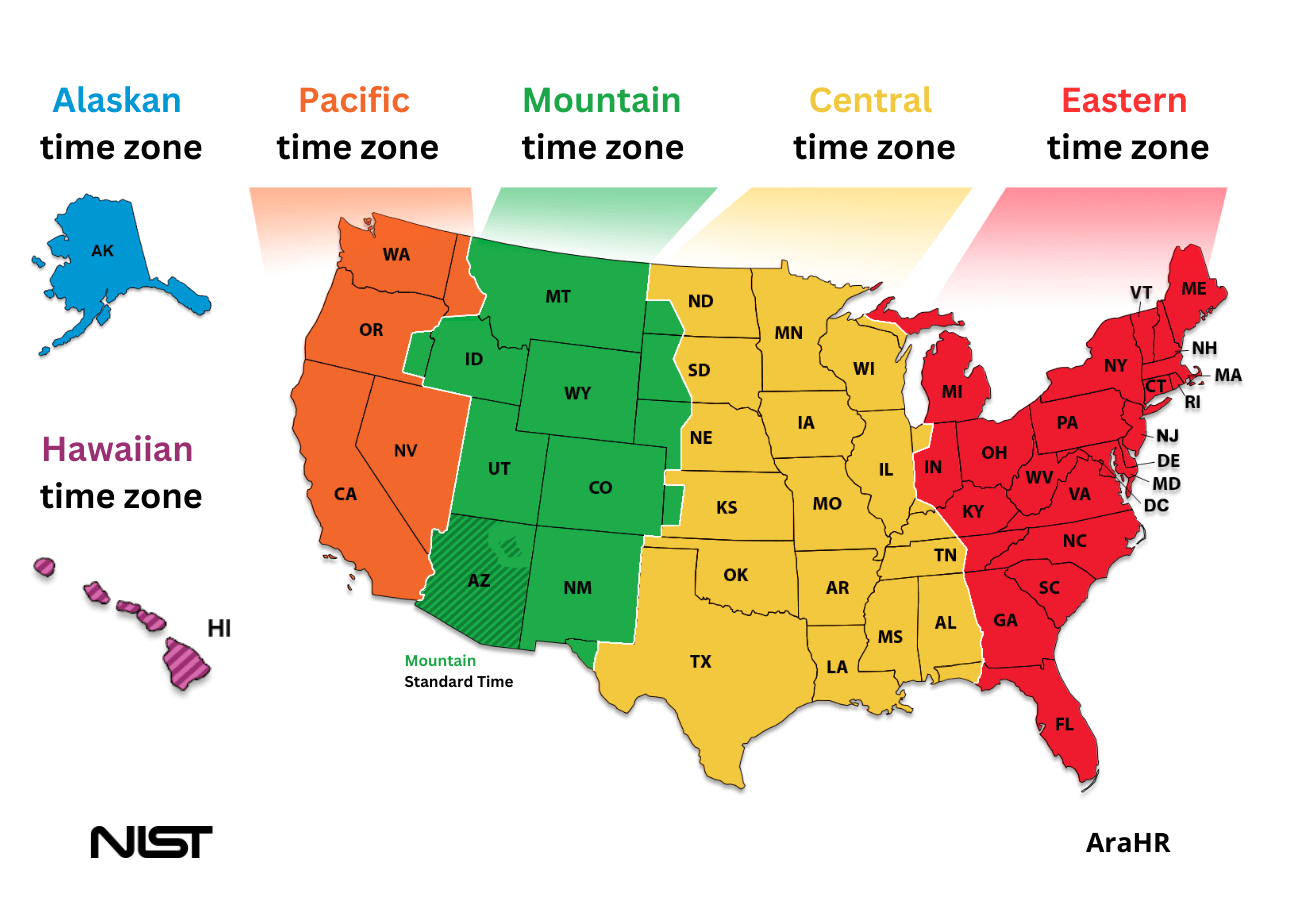
Montana almost exclusively observes one time zone across its expansive territory: the Mountain Time Zone. This consistency is a boon for travelers, as it eliminates the need to constantly adjust watches or mentally calculate time differences when moving between different parts of the state. Whether you’re exploring the vibrant arts scene in Missoula, embarking on a fly-fishing excursion near Livingston, or hitting the slopes in Big Sky, your clock will remain the same.
The Dominance of Mountain Standard Time (MST) / Mountain Daylight Time (MDT)
The Mountain Time Zone primarily operates on two settings throughout the year: Mountain Standard Time (MST) and Mountain Daylight Time (MDT).
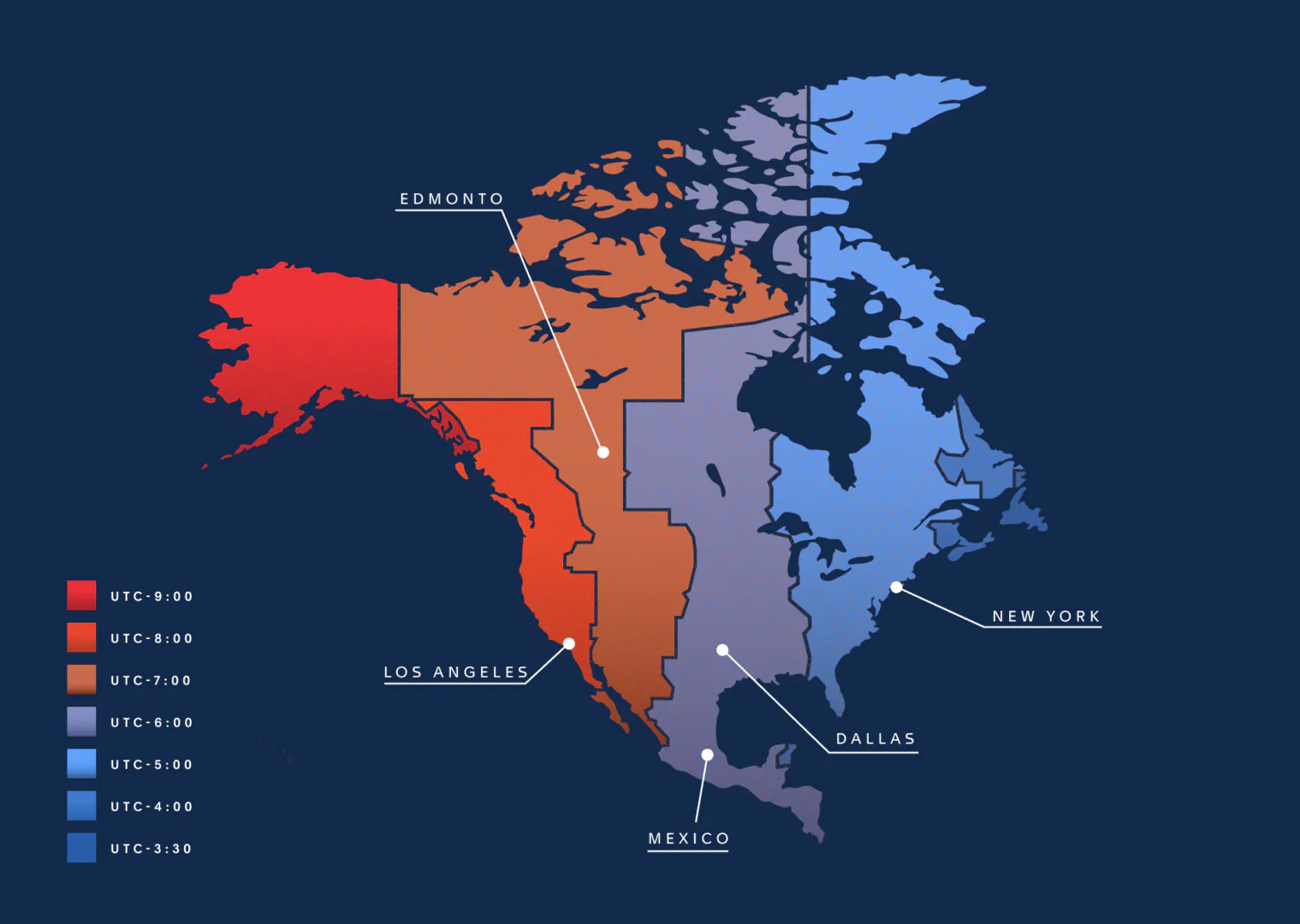
- Mountain Standard Time (MST): This is the base time, which is seven hours behind Coordinated Universal Time (UTC-7). MST is observed during the colder months when Daylight Saving Time is not in effect.
- Mountain Daylight Time (MDT): When Daylight Saving Time begins, typically on the second Sunday in March, clocks in Montana spring forward one hour. This shifts the time to UTC-6, meaning it is only six hours behind Coordinated Universal Time. MDT remains in effect until the first Sunday in November, when clocks fall back to MST.
This adherence to Daylight Saving Time is standard across most of the United States and Canada, ensuring that Montana aligns with common travel practices. For locals, this adjustment means enjoying longer daylight hours in the evenings during summer, perfect for outdoor pursuits like hiking, fishing, or simply savoring the scenic beauty as the sun sets. For visitors, it’s essential to remember this shift, particularly when planning trips around these transition periods, as it directly impacts sunrise and sunset times, which can be crucial for certain outdoor activities or photography.
Navigating Time Differences with Neighboring States
While Montana itself is remarkably consistent in its time zone, it’s important for travelers, especially those embarking on multi-state road trips, to be aware of the time zones in neighboring regions. Montana shares borders with several states, each with its own time zone considerations:
- Idaho: Idaho is unique in that it is split between the Pacific Time Zone and the Mountain Time Zone. The northern panhandle of Idaho, which directly borders Montana, observes Pacific Time. This means if you’re traveling west from, say, Kalispell, Montana, into areas like Coeur d’Alene, Idaho, you will need to adjust your clock back one hour. The rest of Idaho, including Boise, is in the Mountain Time Zone.
- Wyoming: To the south, Wyoming uniformly observes the Mountain Time Zone, just like Montana. This simplifies travel between these two states, particularly for those visiting the interconnected areas of Yellowstone National Park, which straddles both states and observes Mountain Time throughout.
- North Dakota: East of Montana, North Dakota is primarily in the Central Time Zone, though a small western portion of the state near the Montana border also observes Mountain Time. If you’re heading east from cities like Billings or Glendive, be prepared to spring forward an hour once you cross into the Central Time portion of North Dakota.
- South Dakota: Similar to North Dakota, South Dakota is predominantly in the Central Time Zone, with a western sliver, including the famous Black Hills, observing Mountain Time. Travelers crossing the border from eastern Montana into South Dakota will likely encounter a one-hour time difference.
- Canada: To the north, Montana borders the Canadian provinces of British Columbia and Alberta. British Columbia is largely on Pacific Time, while Alberta observes Mountain Time. This means if you are traveling from Montana into Alberta, there will be no time change. However, crossing into British Columbia will require setting your watch back an hour.
Being mindful of these regional variations is particularly important for coordinating meetings, flight connections, or simply ensuring you arrive on time for attractions when your journey takes you across state or national lines. Always double-check local times, especially if relying on automated systems that might not always distinguish between specific border regions.
Why Time Zones Matter for Your Montana Adventure
Understanding Montana’s time zone isn’t just an academic exercise; it has very real and practical implications for every aspect of your trip planning and execution. From avoiding missed appointments to maximizing daylight for your adventures, being time-zone savvy is a cornerstone of smart travel.
Planning Your Travel Itinerary and Activities
The most immediate impact of time zones on your trip planning revolves around your itinerary. Whether you’re arriving by air, train, or road, accurate time calculations are essential.
- Flight and Transit Schedules: When booking flights into airports like Bozeman Yellowstone International Airport (BZN), Missoula International Airport (MSO), or Billings Logan International Airport (BIL), ensure you’re noting arrival times in local Montana time. This also applies to coordinating connecting flights or ground transportation like shuttle services or rental car pickups.
- Attraction Opening Hours: Many of Montana’s most popular attractions, from museums in Helena to visitor centers in national parks, operate on strict opening and closing schedules. Miscalculating the time could mean arriving too late for a guided tour or finding an attraction closed for the day. For instance, planning a visit to the Museum of the Rockies in Bozeman requires knowing its local operating hours.
- Outdoor Activities and Daylight: For adventurers, Montana offers unparalleled opportunities for hiking, fishing, skiing, and wildlife viewing. The local time zone directly dictates sunrise and sunset times, which are critical for planning. Early morning hikes in Glacier National Park might require a pre-dawn start, while evening wildlife drives in Yellowstone depend on understanding when dusk settles. Ski resorts like Whitefish Mountain Resort and Big Sky Resort operate lifts based on local time and daylight availability.
- Reservations and Bookings: From dinner reservations at a fine dining restaurant in Whitefish to guided fishing trips on the Missouri River or a spa treatment at a luxury resort like The Ranch at Rock Creek, every booking will be tied to local Montana time. Double-checking these details can prevent missed experiences and lost deposits.
- Jet Lag Considerations: For travelers arriving from significantly different time zones (e.g., the Eastern Time Zone or Pacific Time Zone), understanding the time difference helps in preparing for and mitigating jet lag. Giving yourself a day to adjust can make a world of difference in enjoying your initial Montana experiences.
Accommodation and Logistics: Seamless Stays
The time zone also plays a vital role in the logistical aspects of your accommodation, ensuring a smooth and stress-free stay.
- Check-in and Check-out Times: Hotels, resorts, vacation rentals, and campgrounds all operate on specific check-in and check-out times. Arriving too early or too late without prior arrangements can lead to waiting or even a missed night’s stay. For instance, if you’ve booked a suite at the Kimpton Armory Hotel in Bozeman, knowing their local check-in time is crucial. Similarly, if you’re staying at The Lodge at Whitefish Lake, managing your departure according to their check-out time is essential.
- Meeting Tour Guides and Services: If you’ve arranged for local guides for hiking, rafting, or wildlife photography, punctuality is key. These services will always operate on local Montana time, and a missed connection can disrupt your entire day.
- Communication with Home: Keeping in touch with family, friends, or colleagues in different time zones requires a good grasp of the time difference. This is particularly important for business travelers or those on longer trips who need to maintain connections across various time zones.
- Online Bookings: When making reservations online from a different time zone, always confirm that the times displayed are converted to the local Montana time, or that you are manually making the conversion to avoid any discrepancies. Many booking platforms now offer time zone selections, but a manual check never hurts.
Maximizing Your Montana Experience Across Its Vast Landscapes
Montana’s allure lies in its diverse geography and the myriad experiences it offers. From the wide-open plains of the east to the rugged mountains of the west, the time zone remains a constant, simplifying your journey through its remarkable landscapes.
Popular Destinations and Their Time Zone Context
One of the great advantages of Montana’s single time zone is the ease of internal travel. You don’t need to adjust your watch as you traverse the state, allowing you to focus purely on the adventure.
- Western Montana: Home to the dramatic peaks of the Rocky Mountains, this region includes iconic areas like Glacier National Park, the vibrant cities of Missoula and Kalispell, and popular ski towns like Whitefish and Big Sky. All are firmly in the Mountain Time Zone. Exploring the Flathead Lake area or the charming town of Philipsburg means staying on the same consistent time.
- Central Montana: This region often showcases a blend of mountains and plains, with the capital city of Helena and the renowned Great Falls (known for the Missouri River and its historic connection to the Lewis and Clark Expedition). These areas, including the Continental Divide which bisects the state, also adhere to Mountain Time.
- Eastern Montana: Characterized by vast plains, badlands, and ranching communities, the eastern part of the state, including the largest city, Billings, and charming towns like Miles City, remains within the Mountain Time Zone. This consistency ensures that whether you’re exploring dinosaur fossils in the east or hiking alpine trails in the west, your schedule remains predictable.
Even when visiting the Montana portion of Yellowstone National Park, which extends from Gardiner and West Yellowstone, you’ll remain on Mountain Time, aligning perfectly with the park’s operations, which are standardized across its Wyoming and Idaho sections as well.
Lifestyle and Culture: Embracing the Montana Pace
Beyond the practicalities, understanding the time zone can also help you connect with the local lifestyle and culture. Montana’s pace is often described as more relaxed, unhurried, and deeply connected to the natural rhythms of daylight.
- Early Mornings, Long Evenings: Due to its western position within the Mountain Time Zone and the effect of Daylight Saving Time in summer, sunrise in Montana can feel relatively late for those accustomed to more easterly zones, especially in early summer. Conversely, sunsets stretch beautifully into the evening, providing ample time for after-dinner strolls, campfire stories, or enjoying the famed big sky vistas. This natural rhythm often dictates the flow of local life, from ranching routines to tourism operations.
- Connecting with Locals: Being mindful of local time ensures smooth interactions when seeking recommendations, engaging in conversations, or participating in local events. A respect for the local schedule is part of embracing the authentic Montana experience.
- Adjusting for Optimal Enjoyment: For many, the shift to Mountain Time is an opportunity to slow down and align with a different rhythm. Adjusting to the local schedule quickly, perhaps by seeking morning sunlight and limiting evening screen time, can help you feel more refreshed and ready to immerse yourself fully in all that Montana has to offer, from a stay at The Resort at Paws Up to exploring a quiet trail.
In conclusion, the answer to “What Time Zone Is Montana In?” is refreshingly simple: it’s entirely within the Mountain Time Zone (MST/MDT). This straightforward approach significantly simplifies travel planning, allowing visitors to focus on the wonders of the “Treasure State” rather than complex time calculations. By being aware of this consistency within Montana and the potential shifts in neighboring states, you can ensure a smooth, enjoyable, and perfectly timed adventure through one of America’s most magnificent landscapes. So, set your watch to Mountain Time, and get ready to explore the endless possibilities of Montana.
LifeOutOfTheBox is a participant in the Amazon Services LLC Associates Program, an affiliate advertising program designed to provide a means for sites to earn advertising fees by advertising and linking to Amazon.com. Amazon, the Amazon logo, AmazonSupply, and the AmazonSupply logo are trademarks of Amazon.com, Inc. or its affiliates. As an Amazon Associate we earn affiliate commissions from qualifying purchases.