
For travelers planning a visit to the Cornhusker State, understanding the local legal landscape is an increasingly important part of preparing for any journey. When considering destinations, individuals often weigh a variety of factors, from scenic attractions and cultural experiences to practical considerations such as local amenities, healthcare access, and legal frameworks that might impact their stay or travel decisions. The question of “Is abortion legal in Nebraska?” delves into a significant and often evolving aspect of state law that can have profound implications for residents and visitors alike, influencing everything from personal well-being to broader travel planning.
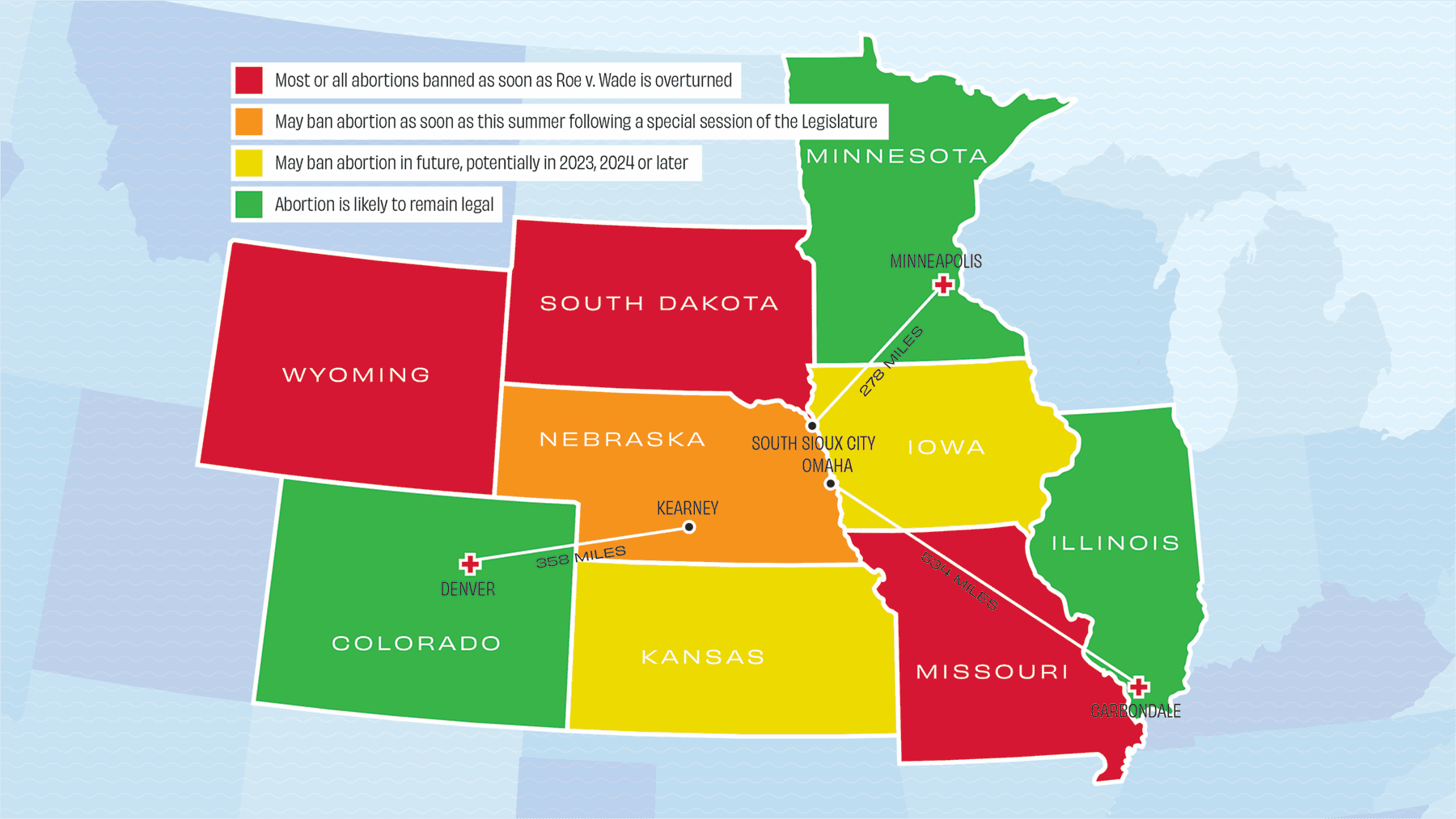
Nebraska, like many states across the United States, has seen substantial shifts in its abortion laws, particularly following the overturning of Roe v. Wade in June 2022. This landmark decision returned the authority to regulate abortion to individual states, leading to a patchwork of varying legality and access across the nation. For a state known for its vast prairies, agricultural heritage, and welcoming communities, understanding these legal nuances becomes crucial for anyone looking to fully experience what Nebraska has to offer, whether for tourism, business, or personal reasons. This article aims to provide a clear overview of the current legal status of abortion in Nebraska, explore its implications for travelers and residents, and offer insights into how these laws might factor into travel and lifestyle decisions within the state.
Understanding Nebraska’s Abortion Laws: A Current Overview
The legal framework surrounding abortion in Nebraska is dynamic and subject to ongoing legislative and judicial challenges. As of our latest understanding, Nebraska has implemented significant restrictions on abortion access, reflecting a conservative stance on the issue. These laws primarily revolve around gestational limits, parental consent requirements, and specific regulations concerning abortion procedures and providers.
The Current Legal Landscape and Gestational Limits
Currently, abortion in Nebraska is generally prohibited after 12 weeks of gestation. This 12-week limit includes a crucial caveat: it is measured from the last menstrual period, meaning it typically translates to about 10 weeks post-fertilization. This restriction places Nebraska among the states with relatively early gestational bans, significantly impacting access to care, especially for individuals who may discover their pregnancy later or face delays in accessing services. There are exceptions to this ban, primarily to save the life of the pregnant person. However, exceptions for rape or incest are generally not included under this specific 12-week ban, which has been a point of contention and discussion among various advocacy groups and policymakers.
The path to this 12-week ban was marked by extensive legislative debate and public discourse. Prior to its implementation, Nebraska had a 20-week ban, which was effectively an 18-week post-fertilization ban based on fetal viability. The move to a stricter 12-week limit was a direct response to the opportunities presented by the overturning of Roe v. Wade, allowing the state to enact more stringent regulations. This legal shift has reshaped the landscape of reproductive healthcare access within the state and has implications for anyone, resident or visitor, who might require such services.
Additional Regulations and Requirements
Beyond the gestational limit, Nebraska imposes several other regulations that influence abortion access:
- Parental Consent: For minors seeking an abortion, Nebraska requires the consent of one parent. There is a judicial bypass option available, allowing a minor to petition a court for permission without parental consent if they can demonstrate maturity and the decision is in their best interest. This requirement can create significant logistical and emotional hurdles for young individuals seeking care.
- Waiting Periods: Nebraska mandates a 24-hour waiting period between the initial consultation and the abortion procedure. This means individuals must make two separate trips to a clinic, which can be particularly burdensome for those traveling from rural areas or out-of-state, incurring additional costs for travel, accommodation, and time off work or school.
- Facility Requirements: Abortion procedures must be performed by licensed physicians in state-regulated facilities. While standard, these regulations contribute to the overall availability and distribution of abortion services across the state, which are concentrated in major metropolitan areas like Omaha and Lincoln.
These regulations, combined with the 12-week gestational ban, paint a clear picture of limited access to abortion in Nebraska. For travelers, understanding these specific laws is not merely academic; it becomes a practical consideration that could influence travel plans, emergency preparedness, and overall comfort while visiting the state.
Navigating Travel and Tourism in Nebraska Amidst Legal Changes
The legal status of abortion in a state can indirectly influence travel and tourism patterns, affecting individuals’ decisions to visit, relocate, or even conduct business. While Nebraska is celebrated for its unique attractions, from the vibrant Old Market District in Omaha to the historical significance of the Archway Monument in Kearney, the broader legal environment can subtly shape the travel experience.
Impact on Travel Decisions and Destination Choices
For many individuals, especially those of reproductive age or families traveling with young women, the legal status of abortion can become a factor in choosing a travel destination. While leisure travelers might prioritize landmarks like the Henry Doorly Zoo and Aquarium or the scenic Platte River State Park, an underlying awareness of a state’s legal framework can influence an individual’s overall sense of security and well-being. Business travelers, too, might consider the implications of such laws on their employees or personal lives if a longer-term stay or relocation is on the table.
This impact is not always overt or direct but contributes to the perceived “lifestyle” and “culture” of a destination. For instance, conventions or large events might see organizers or attendees consider the state’s policies when making their decisions, potentially impacting the tourism economy. While Nebraska’s diverse attractions continue to draw visitors, it’s important to acknowledge that the legal landscape adds another layer to the complex decision-making process for some travelers.
Healthcare Access and Emergency Preparedness for Travelers
For any traveler, understanding local healthcare access is a prudent aspect of preparation. In Nebraska, the restrictions on abortion services mean that options for reproductive healthcare are significantly limited. This is particularly relevant for individuals who might face unexpected medical situations during their travels. If a medical emergency arises where an abortion might be considered a necessary intervention to save the pregnant person’s life, the specific legal criteria and the availability of providers could become critical.
Travelers should be aware that reproductive health clinics offering abortion services are few and primarily located in major urban centers. Rural areas, while offering their own unique charm and attractions, will have even more limited access to specialized services. This consideration extends beyond abortion itself, as the general availability of comprehensive reproductive health services might be impacted. It underscores the importance for visitors to be informed about the healthcare resources available in the specific regions of Nebraska they plan to visit, particularly if they anticipate any potential health needs or are traveling with specific medical considerations.

Accommodation and Lifestyle Considerations for Visitors
When planning a trip to Nebraska, visitors typically focus on finding the best hotels, resorts, or unique accommodation options to enhance their experience. However, an understanding of the state’s social and legal climate can subtly inform these choices and overall lifestyle considerations during a stay.
Choosing Your Stay: Beyond Amenities
Whether you’re seeking a luxurious experience at the Magnolia Hotel Omaha, a family-friendly stay at the Embassy Suites by Hilton Lincoln Downtown, or a quaint bed and breakfast in a smaller town like Ashland, accommodation choices are usually driven by comfort, location, and amenities. However, for some travelers, especially those who may be impacted by reproductive health laws, the broader community environment could play a role. While most hotels focus on providing excellent service regardless of guests’ personal situations, an awareness of the local cultural context can contribute to a traveler’s peace of mind.
For instance, if an individual were traveling through Nebraska and required access to specific reproductive health services, choosing accommodation in or near cities like Omaha or Lincoln would be paramount due to the concentration of medical facilities. These cities also typically offer a wider range of accommodation options, from budget-friendly hotels to upscale suites, making them more practical hubs for various travel needs. A property like the Hyatt Place Lincoln Downtown-Haymarket might offer convenient access to amenities and transportation for those needing to navigate the city.
Lifestyle and Cultural Nuances
Nebraska’s lifestyle is characterized by its strong community values, agricultural roots, and a blend of urban sophistication in its larger cities with a relaxed, rural charm in its smaller towns. The state’s conservative stance on abortion often reflects a broader cultural sentiment in many parts of the state. Visitors interested in local culture and experiences might observe this through various community dialogues, local news, and public discussions.
This doesn’t necessarily mean that every interaction will be colored by political issues, but it’s part of the fabric of the state. For example, local events, community gatherings, or even conversations with residents might occasionally touch upon topics reflecting these deeply held values. Travelers who prefer to be fully immersed in the local culture often benefit from being aware of such nuances, helping them to navigate their interactions with respect and understanding. This awareness contributes to a more informed and potentially more comfortable travel experience, allowing visitors to appreciate the diverse facets of Nebraska more fully, from its famous steaks to its vibrant arts scene.
Exploring Nebraska: Beyond the Legal Landscape
Despite the complex legal environment surrounding abortion, Nebraska remains a state rich in history, natural beauty, and unique attractions that cater to a wide range of interests. Travelers continue to discover its charm, from bustling cityscapes to serene natural wonders. Understanding the legal context can simply be one aspect of a broader, well-rounded travel plan.
Must-Visit Destinations and Landmarks
Nebraska’s landmarks and attractions offer a captivating journey through the heartland of America. In Omaha, the Old Market District beckons with its cobblestone streets, art galleries, boutiques, and diverse culinary scene. History buffs will appreciate the Durham Museum, housed in Omaha’s historic Union Station, offering insights into the region’s past. The Strategic Air Command & Aerospace Museum near Ashland provides a fascinating look at aviation history and military prowess.
Further west, Lincoln, the state capital, boasts the impressive Nebraska State Capitol Building, an architectural marvel offering stunning views from its observation deck. The Sunken Gardens offer a tranquil escape with beautifully manicured landscapes. For those venturing into central Nebraska, the Archway Monument near Kearney stands as a testament to pioneer history, spanning Interstate 80 and telling the story of westward expansion. Nature enthusiasts can explore the breathtaking sandhills, the serene Niobrara River, or the Scotts Bluff National Monument in western Nebraska, offering panoramic views and historical trails. These destinations provide rich experiences, often independent of broader legal debates, allowing visitors to connect with the state’s heritage and natural splendor.
Tourism Tips for an Informed Journey
To ensure a smooth and enjoyable trip to Nebraska, here are some tourism tips:
- Plan Ahead: Research your chosen destinations, check operating hours for attractions, and book accommodations like a stay at the Hotel Deco or The Scarlet, an Autograph Collection Hotel well in advance, especially during peak seasons or major events like the College World Series.
- Stay Informed: Keep abreast of local laws, not just related to healthcare, but also driving regulations, park rules, and any specific community ordinances that might affect your activities. Reliable news sources and official state government websites are good places to start.
- Embrace Local Culture: Engage with local communities respectfully. Nebraskans are known for their hospitality, and embracing the local pace and traditions can greatly enhance your travel experience. Try local cuisine, from famous Runzas to juicy steaks.
- Consider Travel Insurance: For longer trips or those involving complex itineraries, travel insurance can provide peace of mind for unforeseen circumstances, including medical emergencies that might arise.
- Flexibility is Key: While planning is important, remaining flexible allows for spontaneous discoveries and adapting to any unexpected changes, ensuring a stress-free journey through this diverse state.

Staying Informed: Resources and Future Outlook
The legal landscape surrounding abortion in Nebraska is not static. It continues to be a subject of intense political and legal debate, with potential for further legislative changes or judicial rulings that could alter access. For residents and prospective travelers, staying informed is crucial.
Official state government websites, reputable legal aid organizations, and non-partisan news outlets are reliable sources for the most up-to-date information regarding Nebraska’s laws. Organizations like the ACLU of Nebraska or local reproductive rights advocacy groups often provide detailed analyses of current laws and their practical implications.
For anyone planning a trip to Nebraska, whether for its charming small towns like Valentine, its bustling cities, or its vast natural beauty, being aware of the state’s legal climate is part of being a responsible and informed traveler. While the focus of a travel experience is often on enjoyment and exploration, a comprehensive understanding of local conditions, including legal aspects, ensures a more prepared and potentially safer journey. Nebraska offers a unique slice of Americana, and with a mindful approach, visitors can fully appreciate its hospitality and diverse attractions.
LifeOutOfTheBox is a participant in the Amazon Services LLC Associates Program, an affiliate advertising program designed to provide a means for sites to earn advertising fees by advertising and linking to Amazon.com. Amazon, the Amazon logo, AmazonSupply, and the AmazonSupply logo are trademarks of Amazon.com, Inc. or its affiliates. As an Amazon Associate we earn affiliate commissions from qualifying purchases.