
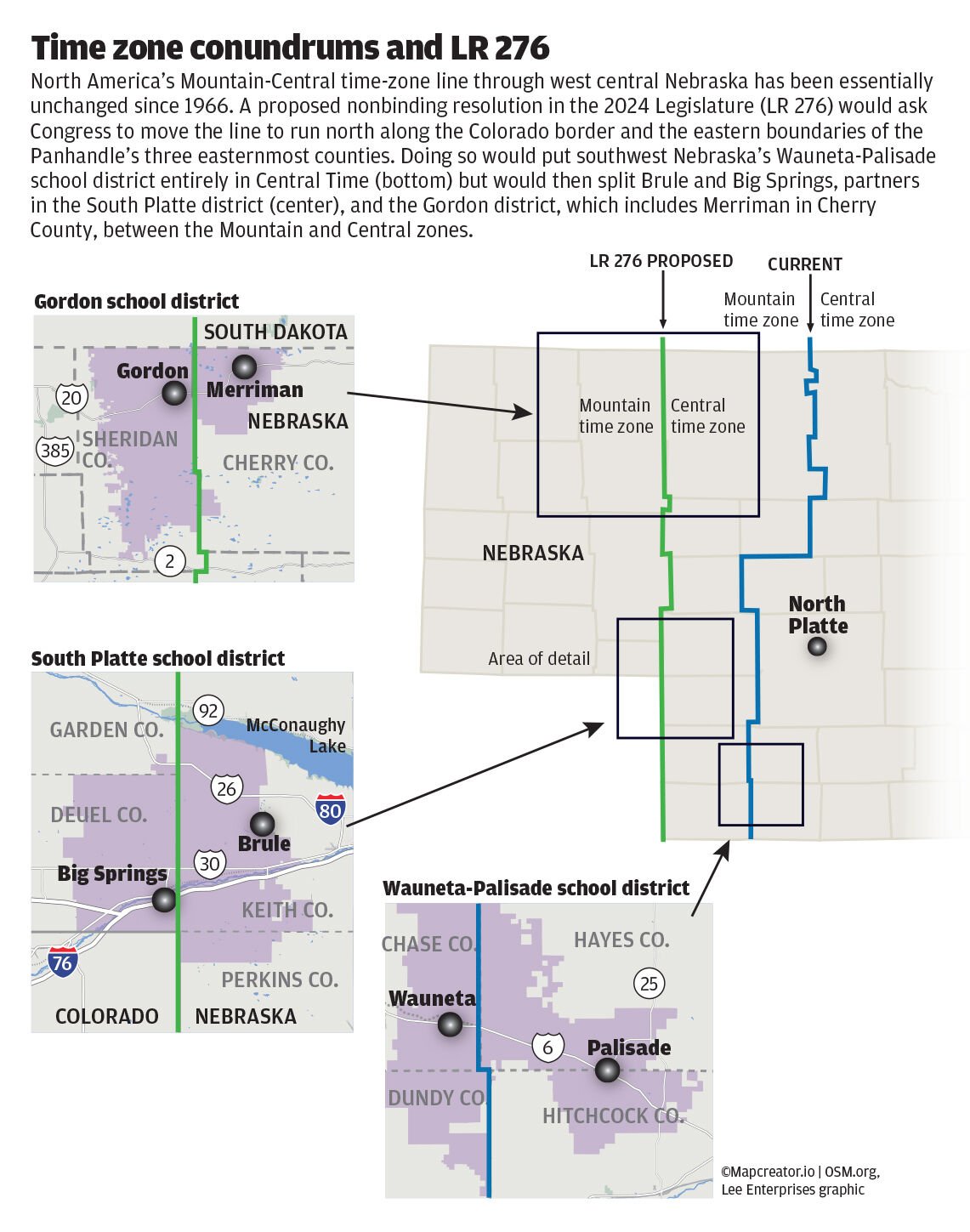
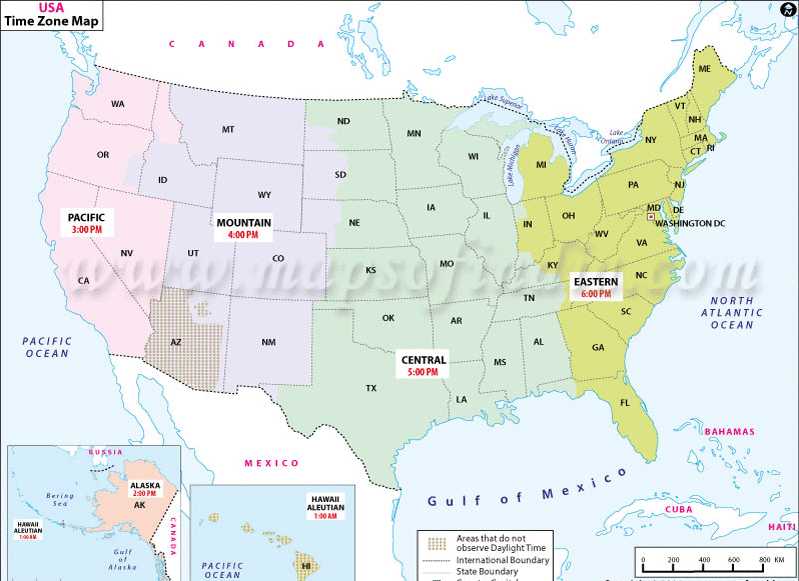
Planning a trip to the heartland of the United States often involves more than just booking flights and selecting the perfect accommodation. A crucial, yet sometimes overlooked, detail for any traveler or business professional is understanding the local time zone. For those heading to Omaha, Nebraska, knowing the correct time zone is essential for everything from scheduling meetings and making dinner reservations to catching a flight or simply adjusting to the local rhythm. Omaha, a vibrant city known for its rich history, thriving business scene, and diverse cultural attractions, operates under the Central Time Zone. This means that for a significant portion of the year, it observes Central Standard Time (CST), and during the warmer months, it shifts to Central Daylight Time (CDT). Understanding these distinctions is key to a seamless travel experience, allowing you to immerse yourself fully in all that Omaha has to offer without missing a beat.
Understanding Time Zones and Omaha’s Place
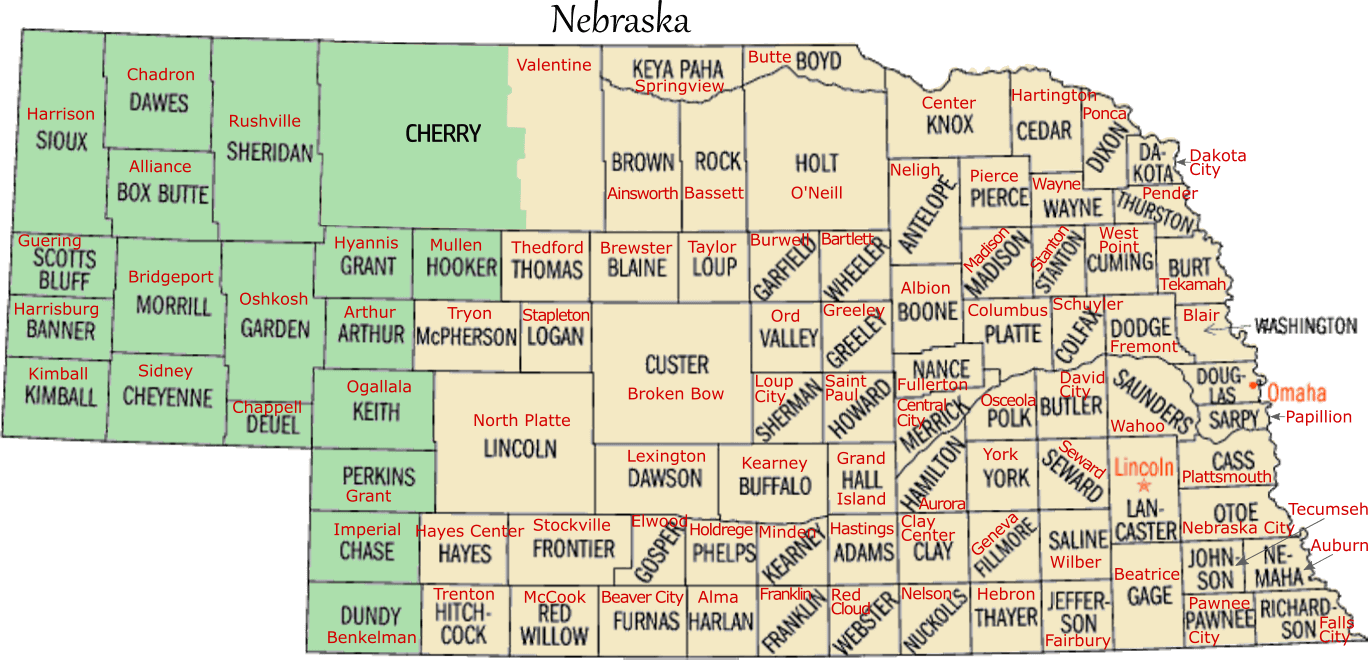
Time zones are geographical regions that observe a uniform standard time for legal, commercial, and social purposes. They are generally defined by lines of longitude and are often offset from Coordinated Universal Time (UTC). For Omaha, its location in the Midwest places it firmly within the Central Time Zone, shared by many other states and cities across the central part of North America.
Central Standard Time (CST) and Central Daylight Time (CDT)
Throughout the colder months, typically from early November to mid-March, Omaha observes Central Standard Time (CST). This is equivalent to UTC-6, meaning it is six hours behind Coordinated Universal Time. When New York City is 1 PM Eastern Standard Time, Omaha would be 12 PM CST. This period marks the “standard” time observance for the region.
As spring arrives, Omaha transitions to Central Daylight Time (CDT), typically beginning on the second Sunday in March and ending on the first Sunday in November. During this period, clocks are moved forward by one hour, making the time UTC-5. This shift effectively “borrows” an hour of daylight from the morning and adds it to the evening, providing more light later in the day, which is often appreciated for outdoor activities, tourism, and evening events. So, when it’s 1 PM Eastern Daylight Time, Omaha would also be 1 PM CDT. This annual change, often referred to as “Daylight Saving Time,” is a significant consideration for anyone visiting or conducting business in Omaha during these months.
The Importance of Daylight Saving Time (DST) in Omaha
The shift to Central Daylight Time can have a considerable impact on visitors and residents alike. For travelers arriving from different time zones, particularly those from the Eastern or Western United States, the one-hour adjustment might seem minor, but it can still affect sleep patterns and schedules. For instance, if you’re flying in from Los Angeles (Pacific Time, UTC-8/UTC-7) to Omaha (Central Time, UTC-6/UTC-5), you’ll experience a two-hour time jump. If you’re coming from New York City (Eastern Time, UTC-5/UTC-4), it’s a one-hour difference.
Beyond personal adjustment, DST also influences the operating hours of local attractions, restaurants, and public services. While many businesses will adjust their hours accordingly, understanding which time zone is active ensures you arrive on time for tours, reservations, or appointments. For those interested in local culture and outdoor activities, the extended daylight hours during CDT are a boon, allowing for longer evenings spent exploring landmarks, enjoying alfresco dining, or taking leisurely strolls along the Bob Kerrey Pedestrian Bridge over the Missouri River.
Why Time Zone Awareness Matters for Your Omaha Trip
Being cognizant of Omaha’s time zone extends beyond mere punctuality; it impacts the entire fabric of your travel experience, from logistical planning to cultural immersion and even your personal well-being.
Planning Your Itinerary and Flight Schedules
The most immediate impact of time zones for travelers is on transportation and itinerary planning. When booking flights, especially those with connections, always confirm the departure and arrival times in the local time zone of each airport. A flight arriving at “3 PM” might be 3 PM local time in Omaha, which could be an entirely different clock time than your origin city. Missing this detail can lead to missed connections, late arrivals for hotel check-ins, or confusion with pre-booked transfers.
Similarly, when planning visits to popular destinations and attractions like the Henry Doorly Zoo and Aquarium, the Durham Museum, or the historic Old Market district, always double-check their opening and closing times against Omaha’s current time zone (CST or CDT). Many attractions have seasonal hours, which often align with the daylight saving shift. A well-planned itinerary, factoring in the time zone, ensures you maximize your time and avoid any unfortunate closures or hurried visits.
Business and Leisure: Staying Connected Across Time Zones
For those traveling to Omaha for business, time zone awareness is paramount. Scheduling conference calls, virtual meetings, or in-person appointments with colleagues or clients in different time zones requires careful coordination. A 9 AM meeting in Omaha could be 10 AM in Chicago or 7 AM in San Francisco. Miscalculations can lead to missed opportunities or perceived unreliability. Hotels catering to business travelers, such as the Embassy Suites by Hilton Omaha Downtown Old Market or the Kimpton Cottonwood Hotel, often provide amenities and services to help guests manage these challenges, including business centers and robust Wi-Fi for seamless communication.
Even for leisure travelers, staying connected with family and friends back home requires a basic understanding of time differences. A late-night call from Omaha might be an inconvenient early morning wake-up for someone on the East Coast. Being mindful of these differences fosters smooth communication and maintains personal connections without disruption.
Navigating Local Culture and Activities
The local time zone dictates the rhythm of daily life in Omaha. Restaurant peak hours, public transport schedules, and the timing of local events or performances are all intrinsically linked to whether it’s CST or CDT. Experiencing Omaha’s vibrant local culture means syncing up with its pulse. From catching a performance at the Orpheum Theater to attending a local festival or enjoying the city’s nightlife, knowing the exact time is crucial. Many local tours, cooking classes, or brewery visits in the Old Market run on strict schedules, and showing up even a few minutes late can mean missing out.
Furthermore, dining experiences are deeply rooted in local timing. While some restaurants cater to varying schedules, most kitchens will adhere to typical lunch and dinner service hours based on local time. Missing a reservation at a popular spot like Dario’s Brasserie or The Boiler Room Restaurant due to a time zone mix-up would be a true culinary disappointment.
Experiencing Omaha: Beyond the Clock
While time zone awareness is fundamental, Omaha offers a wealth of experiences that transcend the clock, inviting visitors to delve into its unique character.
Top Attractions and Landmarks in Omaha
Omaha boasts an impressive array of attractions and landmarks, appealing to diverse interests. The aforementioned Henry Doorly Zoo and Aquarium is consistently ranked among the world’s best, featuring immersive exhibits like the Desert Dome and Kingdoms of the Night. For history buffs, the Durham Museum, housed in Omaha’s stunning former Union Station, showcases regional history, vintage train cars, and traveling exhibitions. Art lovers will appreciate the Joslyn Art Museum, with its extensive collection spanning centuries and cultures.
For a unique outdoor experience, a stroll across the Bob Kerrey Pedestrian Bridge, affectionately known as “Bob,” offers panoramic views of the city skyline and the Missouri River. The bridge connects Omaha to Council Bluffs, Iowa, making it a landmark that literally spans two states. Further afield, but still within easy driving distance, the Strategic Air Command & Aerospace Museum offers a fascinating look into aviation and military history. When visiting these sites, remember to factor in potential travel time between locations, especially if you’re experiencing a jet lag induced lag in your own internal clock.
Accommodation Choices and Their Impact on Your Stay
Omaha’s hospitality sector is robust, offering a wide range of accommodation options to suit every budget and preference, from luxurious hotels to cozy bed and breakfasts, and convenient apartment rentals for longer stays. Whether you prefer the boutique charm of Hotel Deco in downtown Omaha or the modern amenities of a chain hotel, the right choice can significantly enhance your trip.
When booking accommodation, particularly if you’re arriving from a vastly different time zone, consider properties that offer 24-hour reception or flexible check-in/check-out options. This can be a lifesaver if your flight lands at an odd hour due to time differences. Many hotels also offer amenities like blackout curtains, comfortable bedding, and quiet rooms, which can aid in adjusting to the new time and minimizing the effects of jet lag. Reading reviews for properties regarding comfort and quietness can be especially helpful for travelers looking to quickly acclimate to Omaha’s rhythm.
Culinary Delights and Omaha’s Food Scene
Omaha’s culinary scene is a hidden gem, offering much more than just its famous steaks. While a perfectly grilled Nebraska beef steak is a must-try at establishments like Gorat’s Steak House or M’s Pub in the Old Market, the city also boasts an impressive array of international cuisine, farm-to-table restaurants, and trendy cafes. The vibrant Old Market district, in particular, is a foodie paradise, with diverse options ranging from upscale dining to casual eateries and lively pubs.
When planning your culinary adventures, always check reservation times and kitchen hours. Many popular spots fill up quickly, especially on weekends, and adhering to your reservation time is key to enjoying your meal. Brunch culture is also thriving in Omaha, offering a relaxed start to your weekend mornings. Being aware of the local time ensures you don’t miss out on those delectable pancakes or innovative cocktails.
Practical Tips for Managing Time Differences in Omaha
Successfully navigating a new time zone requires a few strategic approaches to minimize disruption and maximize enjoyment.
- Adjust Gradually Before You Arrive: If possible, try to shift your sleep schedule by an hour or two in the days leading up to your trip. This can soften the impact of the time change upon arrival in Omaha.
- Hydrate and Stay Active: Dehydration can exacerbate jet lag. Drink plenty of water and try to engage in light physical activity after you arrive, such as a walk around your hotel or a stroll through the Old Market to help your body adjust.
- Embrace the Local Schedule Immediately: As soon as you land, set your watch to Omaha’s current time (CST or CDT) and try to stick to the local eating and sleeping schedule. Exposing yourself to natural light during the day and avoiding bright screens before bed can also help reset your internal clock.
- Utilize Technology: Your smartphone will automatically update to the local time zone, but it’s good practice to double-check. Consider using a world clock app to easily track times in both Omaha and your home location, especially for business travelers or those needing to coordinate with family.
- Plan for Rest: Don’t pack your first day in Omaha too full. Allow for some downtime to rest and acclimate. A leisurely morning at your hotel or a relaxed visit to a museum can be a great way to ease into your trip without feeling rushed or overtired.
In conclusion, Omaha, Nebraska, operates within the Central Time Zone, observing Central Standard Time (UTC-6) during winter months and Central Daylight Time (UTC-5) during spring, summer, and early autumn. Being mindful of this detail is not just a matter of convenience; it’s a fundamental aspect of planning a successful, stress-free, and thoroughly enjoyable visit to this dynamic Midwest city. From coordinating travel logistics to experiencing Omaha’s vibrant culture and culinary scene, a little time zone awareness goes a long way in ensuring your trip is as smooth and memorable as possible.
LifeOutOfTheBox is a participant in the Amazon Services LLC Associates Program, an affiliate advertising program designed to provide a means for sites to earn advertising fees by advertising and linking to Amazon.com. Amazon, the Amazon logo, AmazonSupply, and the AmazonSupply logo are trademarks of Amazon.com, Inc. or its affiliates. As an Amazon Associate we earn affiliate commissions from qualifying purchases.