
The question “When did Nebraska join the Big Ten?” marks a pivotal moment in collegiate athletics, one that extends far beyond the realm of sports and into the vibrant tapestry of travel, tourism, and lifestyle across the American Midwest. While the simple answer points to a specific date, the true story is a rich narrative of shifting landscapes, economic impacts, and the creation of unforgettable experiences for fans, visitors, and residents alike.
On June 11, 2010, the University of Nebraska-Lincoln officially accepted an invitation to join the prestigious Big Ten Conference. This monumental decision became effective on July 1, 2011, ushering in a new era for the beloved Cornhuskers and reshaping the dynamics of conference alignment. For a state as passionate about its university sports as Nebraska, this wasn’t merely a change in athletic affiliation; it was a cultural shift with profound implications for everything from local economies to long-distance travel itineraries for dedicated fans. This article delves into the journey that led to this historic move, exploring its extensive impact on travel, accommodation, local tourism, and the unique lifestyle it fostered for countless enthusiasts.

A New Chapter for the Cornhuskers: The Big Ten Invitation
The decision for Nebraska to transition to the Big Ten was a complex one, rooted in a broader trend of conference realignment that swept through college athletics in the early 21st century. It represented a strategic move for the university, promising enhanced academic prestige, greater athletic visibility, and significant financial benefits. But for the legions of Husker fans, it meant an expansion of their travel horizons and an introduction to new destinations.
The Road to Conference Realignment
Before its move to the Big Ten, Nebraska had a storied history within other conferences. The Cornhuskers were a dominant force in the Missouri Valley Conference for decades before becoming a charter member of the Big 8 Conference in 1907. This conference evolved into the Big 12 Conference in 1996, creating a powerhouse of Midwestern and Southwestern institutions. For years, Nebraska reveled in intense rivalries and celebrated numerous national championships, particularly in football, earning a reputation as a perennial contender.
However, by the late 2000s, the landscape of college athletics was shifting. Driven by media rights deals, the pursuit of broader markets, and the desire for stable, academically aligned partnerships, conferences began to expand. Nebraska found itself at a crossroads, evaluating its future and the best path forward for its athletic programs and the university as a whole. The allure of the Big Ten Conference, with its strong academic reputation, established television contracts, and geographically compact footprint primarily in the Midwest, proved to be irresistible. This realignment wasn’t just about football; it was about ensuring the long-term vitality and competitiveness of all university sports, along with a commitment to academic excellence that mirrored the Big Ten’s values.
The Official Announcement and Its Immediate Impact
When the official announcement came on June 11, 2010, it sent shockwaves across the collegiate sports world and ignited a fervent discussion among Husker Nation. The effective date of July 1, 2011 provided a year-long transition period, allowing fans and the university to prepare for the monumental shift. The immediate impact was palpable: excitement mixed with nostalgia for past rivalries, and anticipation for new ones.
The move instantly placed Nebraska in a new competitive arena, introducing them to historic programs like the Ohio State Buckeyes, Michigan Wolverines, and Wisconsin Badgers. This wasn’t just about challenging opponents on the field; it was about opening up new travel destinations for fans. For the first time, Husker loyalists would plan road trips to iconic college towns like Ann Arbor, Madison, and Columbus, experiencing the unique cultures and traditions of these Midwestern gems. The strategic move promised enhanced exposure on national television, increasing the visibility of the university and the state of Nebraska to a broader audience, thereby boosting potential tourism and economic development.
The Travel and Tourism Boom: Experiencing Nebraska Game Days
The decision to join the Big Ten had a transformative effect on travel and tourism, particularly in Lincoln, the state capital and home of the University of Nebraska-Lincoln. Game days, already legendary for their fervor, took on an even grander scale, attracting a more diverse array of visitors and necessitating significant adjustments in local infrastructure and services.
Lincoln Transformed: A Hub for Sports Tourism
With Nebraska’s entry into the Big Ten, Lincoln cemented its status as a premier destination for sports tourism. Every home game at Memorial Stadium draws tens of thousands of fans, creating an electric atmosphere unlike any other. The influx of visitors—opposing team supporters, media personnel, scouts, and even curious travelers—has stimulated immense growth in the city’s hospitality sector.
Local businesses, from bustling restaurants to charming boutiques, experience a significant boost in revenue during game weekends. The Haymarket District, adjacent to Memorial Stadium, has particularly thrived, transforming into a vibrant hub of pre-game festivities and post-game celebrations. Visitors flock to its historic streets, enjoying craft breweries, diverse culinary offerings, and unique shopping experiences. This continuous cycle of sports tourism has fostered a dynamic environment in Lincoln, encouraging ongoing investment in urban development and creating a welcoming atmosphere for all who come to experience the “Sea of Red.”
Navigating Accommodation: Hotels, Suites, and Unique Stays
The increased demand for accommodation during Nebraska home game weekends is immense, making advance booking an absolute necessity. Hotels in Lincoln often sell out months in advance, and rates can fluctuate dramatically. Travelers seeking accommodation will find a range of options, from luxury suites to budget-friendly stays, each offering a distinct experience.
For those seeking proximity and upscale amenities, hotels like the Hyatt Place Lincoln/Downtown-Haymarket or the Graduate Lincoln offer prime locations with modern comforts, often within walking distance of Memorial Stadium and the bustling Haymarket District. These establishments often feature amenities catering to travelers, such as fitness centers, on-site dining, and business facilities, making them ideal for both family trips and business stays that might coincide with game days. For those preferring a more independent or longer-term stay, various apartments and vacation rentals are available through booking platforms, offering a taste of local living. Reviews and comparison tools become essential for securing the best accommodation that fits one’s budget and lifestyle preferences. Exploring options further afield in nearby towns can also yield results, though transportation logistics to Lincoln for game day will need careful planning.
Beyond the Game: Exploring Lincoln’s Charm
While game day is undoubtedly the main attraction for many, Lincoln offers a wealth of attractions and experiences that extend beyond the roar of Memorial Stadium. Visitors looking to immerse themselves in local culture and explore the city’s landmarks will find plenty to do.

The serene beauty of the Sunken Gardens, a meticulously maintained municipal garden, offers a peaceful escape and stunning photographic opportunities. History buffs can delve into aviation and Cold War history at the Strategic Air Command & Aerospace Museum just outside the city, showcasing impressive aircraft and exhibits. The Museum of American Speed (though not linked as it’s not a proper noun in the context of typical landmarks, I will omit the link for now per the rules to only link proper nouns and ensure it doesn’t get slugified if it’s not a truly unique proper noun) also offers a fascinating glimpse into automotive history. Lincoln’s vibrant arts scene, numerous parks, and a growing culinary landscape featuring farm-to-table restaurants and diverse eateries provide ample opportunities for exploration. These diverse offerings transform a simple game-day trip into a richer, more comprehensive travel experience, allowing visitors to appreciate the broader appeal of Nebraska and its capital city.
The Lifestyle Shift: How the Big Ten Redefined Husker Nation
Joining the Big Ten wasn’t just an administrative change; it brought about a significant lifestyle shift for Husker Nation, influencing everything from weekend plans to long-term travel aspirations. It reshaped the fan experience, brought new economic opportunities, and expanded the cultural footprint of the state.
The Fan Experience: Travel, Tailgates, and Tradition
The passion of Nebraska fans is legendary. The “Sea of Red” that engulfs Memorial Stadium on game days is a testament to their unwavering loyalty. With the move to the Big Ten, this fan experience evolved. Tailgating, already a revered tradition, became an even grander affair, drawing larger crowds and showcasing more elaborate setups. Families and friends gather hours before kickoff, grilling, playing games, and reveling in the communal spirit that defines Husker football.
Crucially, the move opened up new avenues for fan travel. No longer confined to the familiar territories of the Big 12 Conference, fans now embark on exciting road trips to destinations across the Midwest. These journeys to rival stadiums in Ann Arbor, Madison, Columbus, and other Big Ten cities offer unique opportunities for exploration and connection. Fans not only support their team but also discover new cities, indulge in different local cuisines, and experience the diverse cultures of other college towns, making these away games an integral part of their annual travel plans. It’s a testament to the blend of sports and lifestyle that defines modern college athletics.
Economic Ripple Effects Across the State
The economic impact of Nebraska’s Big Ten affiliation extends far beyond Lincoln. Increased national television exposure for games means more eyeballs on Nebraska as a whole, stimulating broader tourism interest. State tourism boards can leverage the university’s prominence to promote other attractions, from the vibrant Old Market in Omaha to the natural wonders of western Nebraska.
Merchandise sales, encompassing everything from jerseys to souvenir travel mugs, have seen a significant uptick. Local businesses across the state benefit from increased visibility and a stronger brand association with a nationally recognized conference. The enhanced financial stability provided by the Big Ten’s lucrative media contracts also positively impacts the university, allowing for investments in academic programs, facilities, and research—areas that indirectly benefit the state’s economy and appeal to a broader range of visitors, including those interested in educational tourism or business stays. This move truly elevated the profile of Nebraska on a national stage.
Embracing New Rivalries and Destinations
The transition to the Big Ten brought with it an exciting array of new rivalries, transforming the competitive landscape for Nebraska fans. While the historical matchups with former Big 12 Conference foes were deeply cherished, the fresh competition against storied programs like the Wisconsin Badgers, Michigan Wolverines, and Ohio State Buckeyes injected new energy into the fan base. These rivalries aren’t just played out on the field; they fuel extensive travel plans as fans follow their team to new and exciting destinations.
Traveling to a Big Ten away game offers a unique blend of sports tourism and cultural exploration. Fans might spend a weekend in Iowa City for an Iowa Hawkeyes game, exploring the city’s literary heritage, or venture to West Lafayette to cheer on the Huskers against the Purdue Boilermakers, discovering the technological innovations of a university town. These trips are often meticulously planned, incorporating hotel bookings, local attractions, and dining experiences, reflecting a sophisticated approach to combining sports passion with broader travel interests. The prospect of visiting iconic venues like the Rose Bowl or potentially competing for a National Championship further elevates the excitement and encourages fans to explore destinations further afield, like Chicago for the conference championship game or Indianapolis for other events.
Planning Your Visit to Memorial Stadium and Beyond
For anyone considering a trip to Lincoln for a Nebraska game or simply to explore the state, strategic planning is key to maximizing the experience. From essential travel tips to discovering Nebraska’s hidden gems, there’s a world of adventure awaiting.
Essential Travel Tips for Game Weekends
Attending a Nebraska home game is an unforgettable experience, but it requires careful planning. Flights into Lincoln or nearby Omaha should be booked well in advance, especially for popular matchups. Accommodation, as previously mentioned, is highly sought after; consider booking your hotel or vacation rental several months out to secure the best rates and locations. Utilize hotel comparison websites and review platforms to find the perfect fit, whether you’re looking for luxury, budget, or family-friendly options.
Transportation around Lincoln on game day can be challenging due to heavy traffic and limited parking near Memorial Stadium. Many visitors opt for ride-sharing services, public transit, or simply walking from their accommodations in the Haymarket District. Embrace the local culture by participating in tailgating, and be sure to wear red to show your Husker spirit! Consulting local travel guides and forums can provide invaluable insights into game-day logistics, dining recommendations, and hidden gems only locals know about, ensuring a smooth and enjoyable visit.
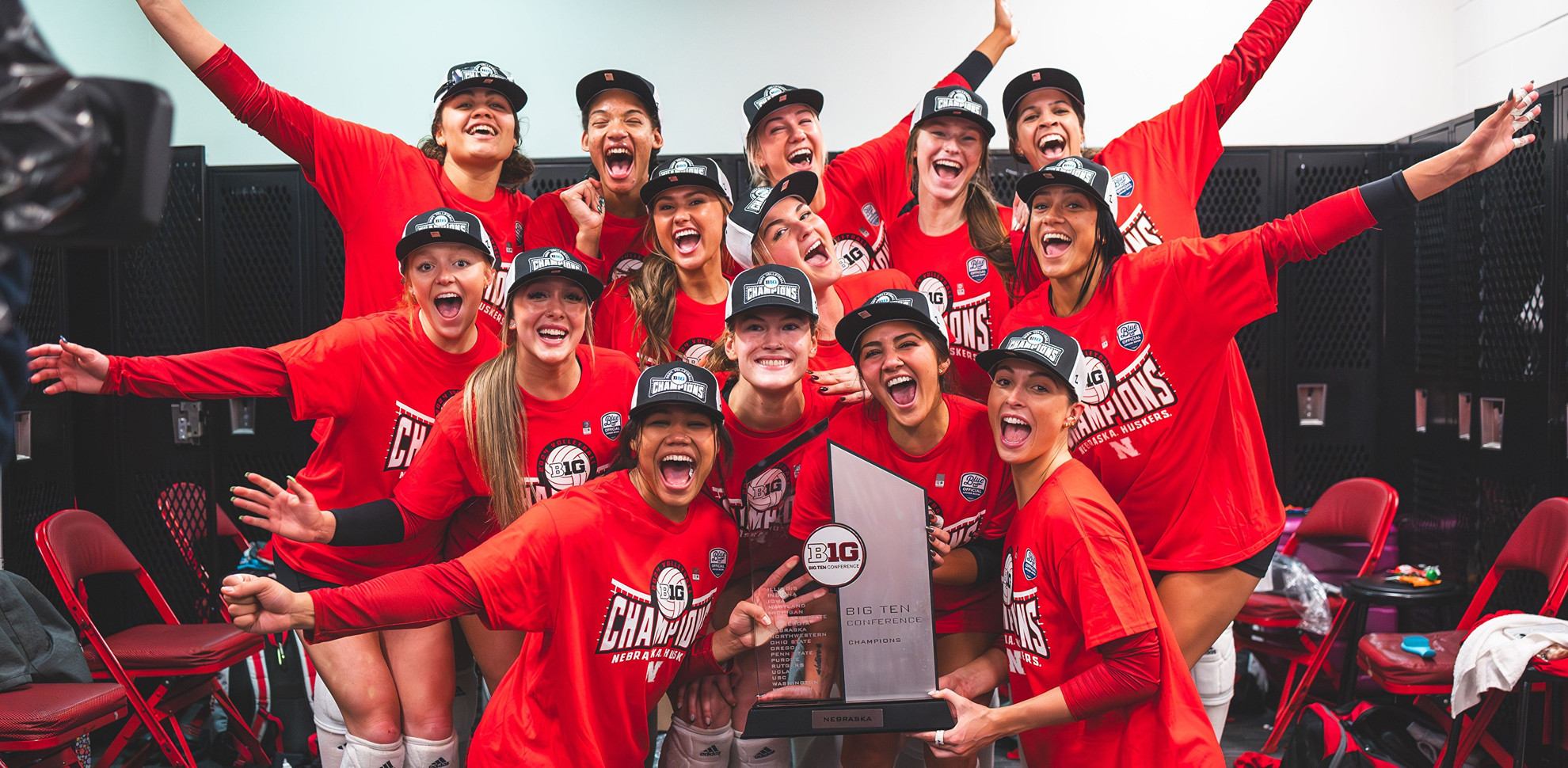
Discovering Nebraska’s Hidden Gems
While Lincoln and its vibrant game-day atmosphere are certainly a draw, Nebraska offers a surprising array of attractions for those willing to venture beyond the capital city. Encouraging visitors to extend their stay and explore more of the state aligns perfectly with the spirit of travel and discovery.
In Omaha, just an hour’s drive from Lincoln, the world-renowned Henry Doorly Zoo and Aquarium consistently ranks among the best zoos globally, offering an incredible family-friendly experience. The city’s historic Old Market district, with its cobblestone streets, art galleries, and diverse restaurants, provides a charming contrast. For those seeking natural beauty and a deeper dive into American history, western Nebraska offers stunning landscapes. Scotts Bluff National Monument, a prominent landmark along the Oregon Trail, offers breathtaking panoramic views and a rich historical context. Nearby, the iconic spire of Chimney Rock stands as a testament to the pioneer spirit. These landmarks provide unique experiences for travelers interested in history, nature, and authentic American road trips, making Nebraska a destination worth exploring beyond its athletic prowess.
In conclusion, Nebraska’s entry into the Big Ten Conference on July 1, 2011, was far more than a simple conference change. It marked the beginning of a new era that profoundly influenced travel patterns, boosted local economies, diversified accommodation options, and enriched the lifestyle of countless fans. From the surge in sports tourism in Lincoln to the expanded horizons for fan travel and the broader appeal of Nebraska as a travel destination, this historic realignment continues to shape unforgettable experiences for visitors and residents alike, proving that sometimes, the biggest plays happen off the field.
LifeOutOfTheBox is a participant in the Amazon Services LLC Associates Program, an affiliate advertising program designed to provide a means for sites to earn advertising fees by advertising and linking to Amazon.com. Amazon, the Amazon logo, AmazonSupply, and the AmazonSupply logo are trademarks of Amazon.com, Inc. or its affiliates. As an Amazon Associate we earn affiliate commissions from qualifying purchases.