
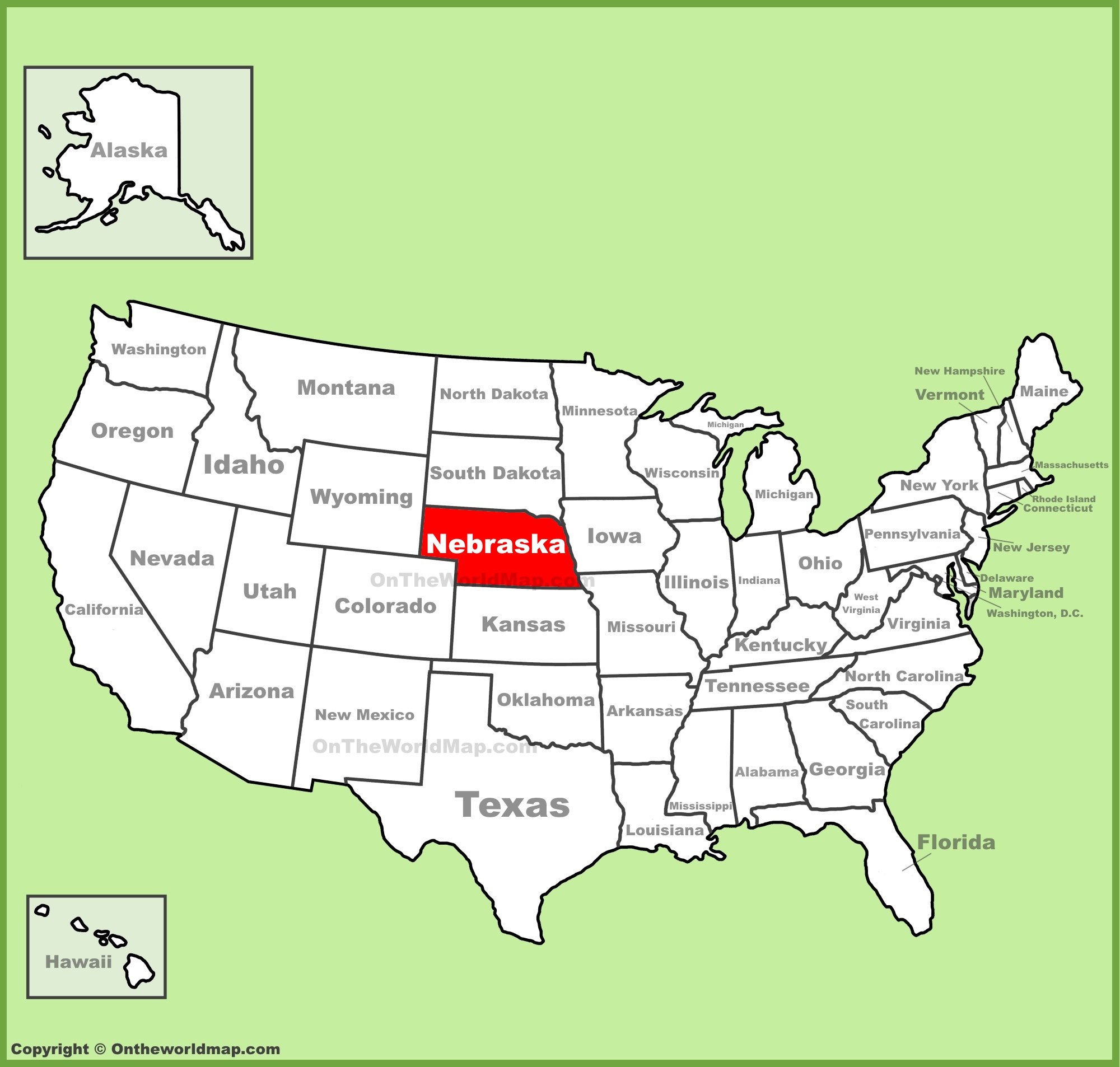
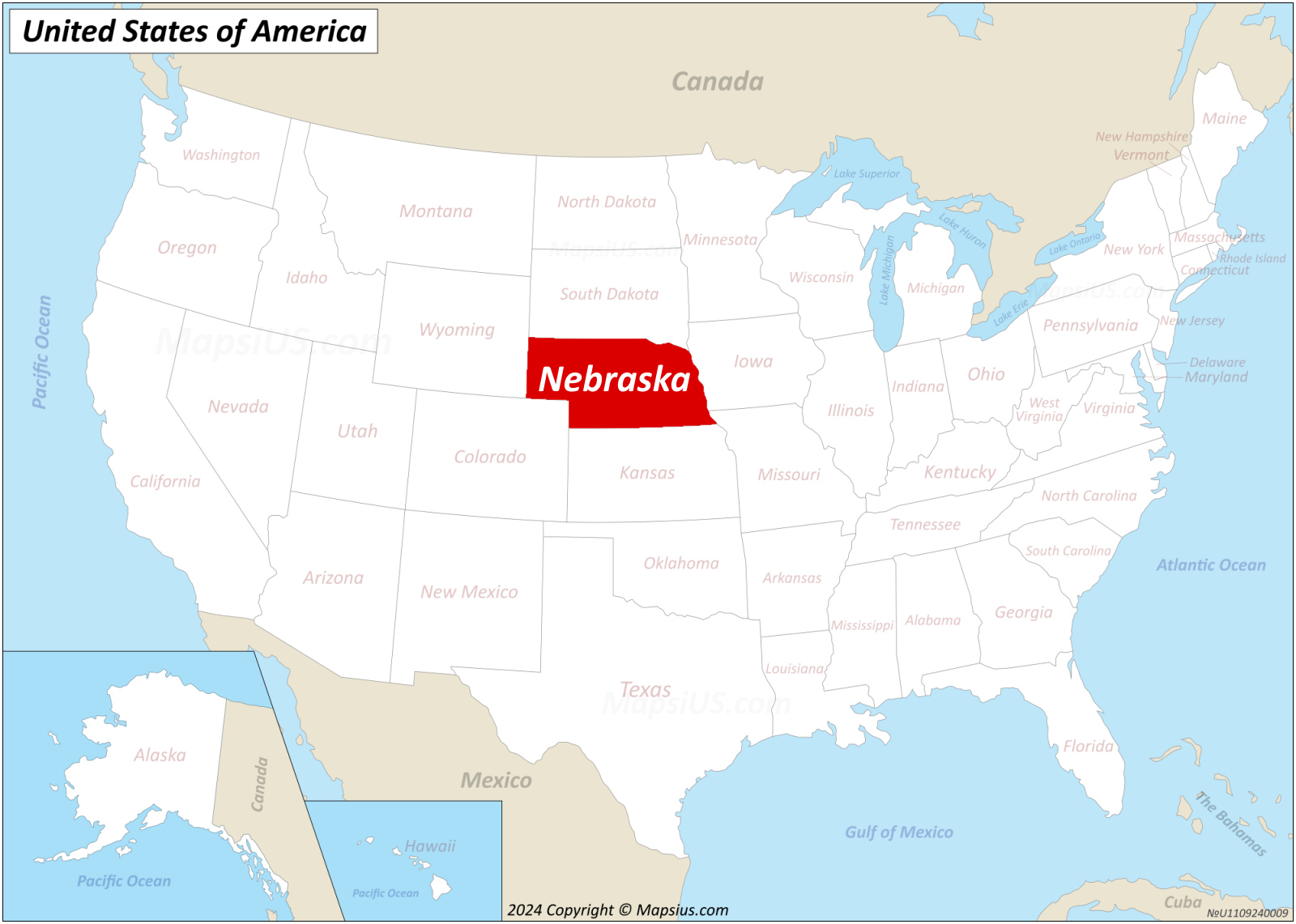
Often overlooked but centrally located, Nebraska stands as a proud cornerstone of the American Midwest. For travelers and those simply curious about the geography of the United States, understanding where this unique state lies on the map is the first step toward appreciating its rich history, vast landscapes, and genuine hospitality. Nestled in the heart of the country, Nebraska offers an authentic slice of Americana, characterized by its sprawling prairies, significant historical trails, and vibrant urban centers. It’s a landlocked state that embodies the spirit of the American heartland, serving as a pivotal crossroads for westward expansion and a testament to agricultural prowess.

This article delves into the exact geographical placement of Nebraska, exploring its borders, major cities, and the unique allure it holds for tourists. From its role as a historical gateway to its modern-day appeal as a destination for diverse travel experiences, we’ll uncover why this state, often seen as a flyover zone, is truly a place worth exploring. Whether you’re planning a cross-country road trip, seeking an authentic cultural immersion, or looking for a tranquil escape into nature, knowing where Nebraska is situated on the map helps unlock a world of possibilities for your next adventure.
The Geographical Heart of America: Pinpointing Nebraska
Understanding Nebraska’s location is key to appreciating its role in American history and its current identity. It’s not on a coast, nor is it nestled in a mountain range; rather, it occupies a significant portion of the Great Plains, giving it a distinct character shaped by wide-open spaces and fertile lands.
A Landlocked State in the Midwest
Nebraska is prominently positioned in the central part of the United States, squarely within the region known as the Midwest. It is bordered by six other states, creating a geographical nexus in the heart of the nation. To its north lies South Dakota, separated largely by the Missouri River. To the east, the Missouri River also forms the natural boundary with Iowa, and further south, with Missouri. The southern border of Nebraska is shared with Kansas, a state equally defined by its agricultural landscape. To the west, it borders Colorado and Wyoming, states that mark the beginning of the Rocky Mountain expanse. This landlocked position has historically made Nebraska a critical thoroughfare for westward expansion, particularly along the Oregon Trail, and continues to shape its identity as a gateway to both the plains and the mountains.
The state’s geography is largely characterized by two major land regions: the Dissected Till Plains in the east and the Great Plains in the west. The eastern part is rolling hills, carved by ancient glaciers, while the western two-thirds are flat to gently rolling plains, interrupted by unique features like the Sandhills, a vast area of grass-stabilized sand dunes. The Platte River, a wide, shallow, braided river, flows eastward across the entire state and is a dominant geographical feature, historically crucial for irrigation and as a migratory bird corridor. Nebraska spans approximately 400 miles from east to west and 200 miles from north to south, covering a total area of about 77,359 square miles, making it the 16th largest state by land area. This expansive territory contributes to its diverse appeal, offering everything from bustling city life to serene, untouched wilderness.
Major Cities and Their Significance
While Nebraska is celebrated for its wide-open spaces, its urban centers are vibrant hubs of culture, commerce, and education, each offering a distinct flavor for visitors.
The largest city is Omaha, located on the eastern border along the Missouri River. As the economic engine of the state, Omaha is a significant metropolitan area, known for its strong financial sector, headquarters of major corporations like Berkshire Hathaway, and a thriving tech scene. Beyond its corporate landscape, Omaha boasts a rich cultural scene. The Old Market district offers cobblestone streets, art galleries, boutiques, and diverse dining options. For families, the Henry Doorly Zoo and Aquarium is a world-renowned attraction, consistently ranked among the best zoos globally. Its vibrant arts community includes the Holland Performing Arts Center and the Durham Museum, housed in the historic Omaha Union Station.
To the southwest of Omaha, approximately an hour’s drive, lies Lincoln, the state capital. Lincoln is home to the impressive Nebraska State Capitol Building, an Art Deco skyscraper that offers panoramic views of the city. As the seat of the University of Nebraska-Lincoln, the city has a youthful energy, fueled by collegiate sports (especially Cornhusker football) and a thriving arts and music scene. The Haymarket District provides a historic backdrop with converted warehouses now hosting restaurants, shops, and entertainment venues. Lincoln also offers numerous parks, bike trails, and a strong sense of community, making it an appealing destination for those seeking a blend of urban amenities and small-town charm.
Other notable cities like Grand Island and Kearney, both located along the Platte River in the central part of the state, become significant hubs during the spring when millions of sandhill cranes migrate through the area, attracting birdwatchers and nature enthusiasts from around the world. These cities serve as crucial regional centers, offering access to rural attractions and local cultural experiences.
Discovering Nebraska’s Unique Appeal: Travel and Tourism
Beyond its geographical markers, Nebraska presents a compelling array of travel experiences that cater to a wide range of interests, from history buffs to nature lovers and culinary adventurers.
Unearthing Natural Wonders and Historical Landmarks
Nebraska’s landscape, though seemingly flat, holds hidden depths and dramatic formations, alongside critical historical sites that tell the story of America’s expansion.
Nature enthusiasts will be captivated by sites like Scotts Bluff National Monument in western Nebraska, a towering landmark that served as a significant waypoint for pioneers on the Oregon Trail. Visitors can hike or drive to the summit for breathtaking views of the North Platte River Valley and surrounding badlands. Nearby, the iconic Chimney Rock National Historic Site stands as another testament to the arduous journeys of early settlers, its slender spire visible for miles. For a journey even further back in time, Ashfall Fossil Beds State Historical Park offers a unique paleontological experience, where visitors can view the skeletons of ancient rhinos, camels, and horses preserved in volcanic ash exactly as they died millions of years ago. The Sandhills, a vast, ecologically unique region, is perfect for those seeking solitude, stargazing, and an encounter with pristine prairie ecosystems. Fort Robinson State Park, one of the largest state parks in the nation, combines historical significance as a former U.S. Army post with diverse outdoor recreation opportunities, including hiking, horseback riding, and wildlife viewing.
Nebraska’s history is deeply intertwined with the westward movement. Besides the Oregon Trail landmarks, the Strategic Air Command & Aerospace Museum near Ashland offers a fascinating look into the Cold War era and aviation history, with an impressive collection of aircraft and exhibits. In Nebraska City, the birthplace of Arbor Day, Arbor Day Farm provides an educational and engaging experience about trees and conservation. The Stuhr Museum of the Prairie Pioneer in Grand Island meticulously recreates a 19th-century railroad town and Pawnee earth lodge village, offering a vivid glimpse into pioneer life. Even quirky attractions like Carhenge near Alliance, a replica of Stonehenge made from vintage automobiles, add to the state’s unique charm and appeal.
Experiencing Local Culture and Cuisine
The cultural fabric of Nebraska is woven with threads of strong agricultural heritage, community spirit, and genuine warmth. Often referred to as “Nebraska Nice,” the state’s residents are known for their hospitality and friendly demeanor, making visitors feel welcome.
The culinary scene in Nebraska is a delightful reflection of its agricultural roots. Given its status as a major beef producer, it’s no surprise that Nebraskan steak is legendary. From upscale steakhouses in Omaha to local diners, a perfectly grilled steak is a must-try. Beyond beef, corn plays a starring role in many dishes, though perhaps not as directly as one might expect. A uniquely Nebraskan staple is the runza, a savory pastry pocket filled with ground beef, cabbage or sauerkraut, and onions – a hearty and comforting fast-food item with Russian-German origins. You’ll also find Kolaches, a sweet pastry brought by Czech immigrants, particularly in towns with strong Czech heritage like Wilber. The state’s burgeoning craft beer scene, especially in Omaha and Lincoln, offers a taste of local innovation, with numerous breweries crafting unique brews that complement the hearty cuisine. Local farmers’ markets, abundant in season, provide fresh produce, artisanal goods, and a chance to interact with the local community. Festivals celebrating everything from Arbor Day to local harvests and ethnic heritage further enrich the cultural experience, inviting travelers to participate in authentic Nebraskan traditions.
Planning Your Nebraska Stay: Accommodation and Lifestyle
Whether you’re embarking on a luxurious escape or a budget-conscious family trip, Nebraska offers a diverse range of accommodations and travel styles to suit every preference.
Where to Stay: Hotels, Resorts, and Unique Accommodations
Nebraska’s lodging options are as varied as its landscapes. In the major cities of Omaha and Lincoln, travelers will find a full spectrum of choices, from luxury hotels to boutique establishments and reliable chain accommodations.
In Omaha, upscale options like the Kimpton Cottonwood Hotel offer sophisticated stays in beautifully restored historic buildings, blending modern amenities with classic charm. The Omaha Marriott Downtown at the Capitol District provides convenient access to entertainment and business districts, ideal for both leisure and business travelers. Boutique hotels in the Old Market area offer unique experiences, often with locally inspired decor and personalized service. For budget-conscious travelers, numerous well-known hotel chains provide comfortable and affordable rooms across the city.
Lincoln also features a variety of excellent choices. The Graduate Lincoln stands out with its quirky, university-themed decor and vibrant atmosphere, reflecting the city’s collegiate spirit. The Hyatt Place Lincoln Downtown-Haymarket offers modern comforts and a prime location near the city’s entertainment and dining hub. Beyond these, standard hotels cater to all needs, ensuring a pleasant stay in the capital city.
Venturing outside the urban centers, Nebraska unveils unique lodging experiences. Rural areas and state parks offer cabins, lodges, and ample opportunities for camping, perfect for those seeking an immersive nature experience. For instance, Fort Robinson State Park provides historic lodging options, including renovated officers’ quarters and cabins, allowing guests to sleep in a piece of history. Agritourism is also gaining popularity, with farm stays and bed-and-breakfasts offering a taste of rural life and genuine Nebraskan hospitality. These accommodations provide not just a place to sleep, but an extension of the local culture and environment, allowing visitors to connect deeply with the land and its people.
Tailoring Your Trip: Lifestyle Travel in the Cornhusker State
Nebraska caters to a variety of travel preferences, making it an adaptable destination for different lifestyles and budgets.
For family travelers, Nebraska is an excellent choice. The Henry Doorly Zoo and Aquarium in Omaha is a major draw, providing days of exploration with its vast exhibits. The Omaha Children’s Museum and Lincoln Children’s Museum offer interactive learning experiences for younger visitors. Many state parks and historical sites have family-friendly programs and accessible trails, encouraging outdoor adventure and historical education for all ages.
Budget travelers will find Nebraska surprisingly affordable. Entry fees to state parks are minimal, and many attractions, especially in rural areas, are free or low-cost. Camping is an economical lodging option, and local eateries often provide delicious, hearty meals at reasonable prices. Road-tripping through the state offers the freedom to discover hidden gems without breaking the bank, capitalizing on the vast open roads and scenic drives.
Those seeking luxury travel can indulge in fine dining and upscale shopping in Omaha’s Old Market or Capitol District, staying in premium hotels and enjoying spa services. High-end golf resorts and exclusive hunting lodges also offer refined experiences for those looking for a more opulent escape into nature.
Business stays are primarily centered in Omaha and Lincoln, both of which have modern convention centers, extensive meeting facilities, and a range of business-friendly hotels. With Eppley Airfield in Omaha and Lincoln Airport offering convenient air access, and major interstates running through the state, Nebraska is well-equipped to host conferences, corporate events, and individual business travelers.
Navigating Nebraska: Tips for Travelers
Making the most of your visit to Nebraska involves a few practical considerations to enhance your travel experience.
Best Time to Visit
The ideal time to visit Nebraska largely depends on your interests. Spring (March to May) is spectacular, especially for birdwatchers, as it’s the season for the sandhill crane migration along the Platte River. The weather is mild, and the prairies come alive with greenery. Summer (June to August) offers warm weather perfect for outdoor activities, festivals, and exploring cities, though it can get quite hot. Fall (September to November) brings comfortable temperatures and beautiful foliage, particularly in the eastern part of the state and along river valleys, ideal for hiking and scenic drives. Winter (December to February) can be cold with snow, but it’s a quiet time for exploring museums and indoor attractions, and for those seeking peaceful, snow-covered landscapes.
Transportation
Given its vast stretches of open road and dispersed attractions, a car is virtually essential for exploring Nebraska. Major interstates like I-80 traverse the state from east to west, making cross-state travel efficient. Rental cars are readily available at Eppley Airfield in Omaha and Lincoln Airport. While bus services connect some major cities, they offer limited flexibility for reaching many of the state’s natural and historical sites. For those flying in, Eppley Airfield is the largest airport, offering a wider range of direct flights.
Hidden Gems
Beyond the well-known attractions, Nebraska is full of delightful surprises. Consider a visit to the Museum of American Speed in Lincoln, home to an unparalleled collection of racing engines and automotive memorabilia. Explore the vastness of the Nebraska National Forest at Halsey, the largest hand-planted forest in the Western Hemisphere, offering unique recreational opportunities in the heart of the Sandhills. For a truly offbeat experience, seek out the Pioneer Village in Minden, a sprawling complex of over 28 buildings filled with historical artifacts, from antique cars to household items, showcasing life in the pioneering era. These lesser-known sites often provide the most authentic and memorable experiences, showcasing the quirky charm and deep history of the Cornhusker State.
In conclusion, Nebraska’s location as the literal and metaphorical heart of the United States makes it a destination rich in geographical significance, historical depth, and cultural authenticity. From its bustling cities to its tranquil prairies and iconic landmarks, Nebraska invites travelers to discover a segment of America that is both foundational and evolving. Whether you are drawn by its pioneer trails, its vibrant urban culture, or its serene natural beauty, knowing “Where Is Nebraska Located?” is just the beginning of an unforgettable journey into the heart of the nation.
LifeOutOfTheBox is a participant in the Amazon Services LLC Associates Program, an affiliate advertising program designed to provide a means for sites to earn advertising fees by advertising and linking to Amazon.com. Amazon, the Amazon logo, AmazonSupply, and the AmazonSupply logo are trademarks of Amazon.com, Inc. or its affiliates. As an Amazon Associate we earn affiliate commissions from qualifying purchases.