
Embarking on an adventure to the stunning Sierra Nevada region of the United States often involves a choice between the glittering lights of Reno, Nevada, and the serene blue waters of Lake Tahoe. Many travelers wonder about the practicalities of visiting both iconic destinations, particularly the distance and travel time between them. While seemingly distinct in their offerings, Reno and Lake Tahoe are surprisingly close, making them an ideal combination for a diverse and unforgettable trip. This article delves into the logistics of traveling between these two Nevada gems, highlighting the unique attractions of each and providing insights into how to seamlessly blend them into a single, enriching travel experience. Whether you’re drawn to Reno’s vibrant city life and entertainment or Lake Tahoe’s breathtaking natural beauty and outdoor pursuits, understanding their proximity is key to planning your perfect getaway.
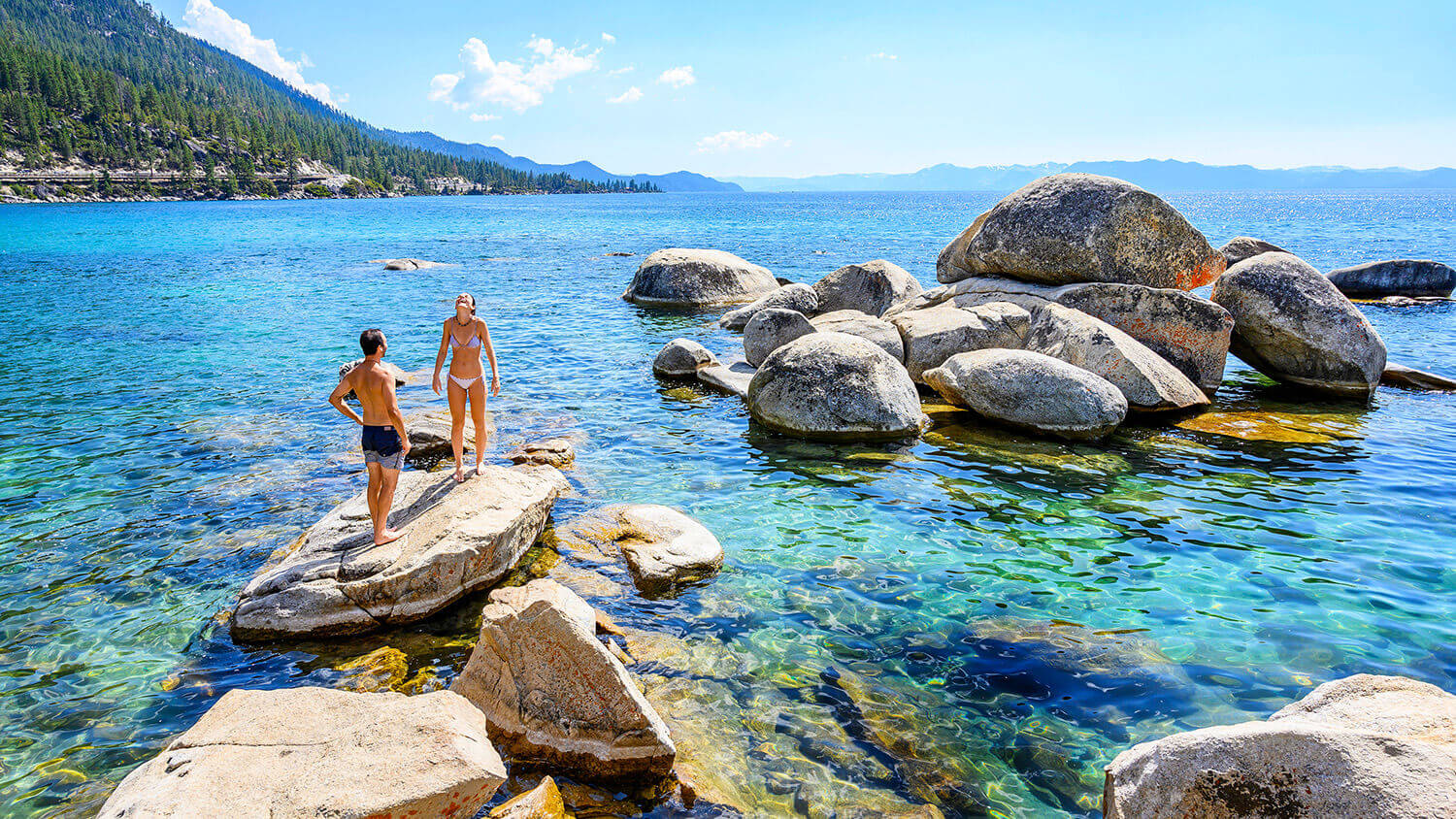
The Proximity: How Far is Reno From Lake Tahoe?
One of the most appealing aspects of planning a trip to the Reno-Tahoe area is the remarkable ease with which you can transition from urban excitement to pristine wilderness. The distance between Reno and Lake Tahoe is not vast, making day trips or multi-day explorations of both locations incredibly convenient. The exact distance varies slightly depending on your specific destination around Lake Tahoe, as the lake spans a large area with multiple access points in both Nevada and California. Generally, the heart of Reno to the nearest shores of Lake Tahoe is approximately 20 to 45 miles (32 to 72 kilometers). This short distance translates into a relatively quick and scenic drive, allowing visitors to easily combine the distinct experiences each locale offers.
Driving Routes and Estimated Times
Driving is by far the most popular and flexible way to travel between Reno and Lake Tahoe. Several well-maintained routes offer varying scenery and access points to the lake. The most common routes include:
-
To North Lake Tahoe (e.g., Tahoe City, Incline Village, Crystal Bay):
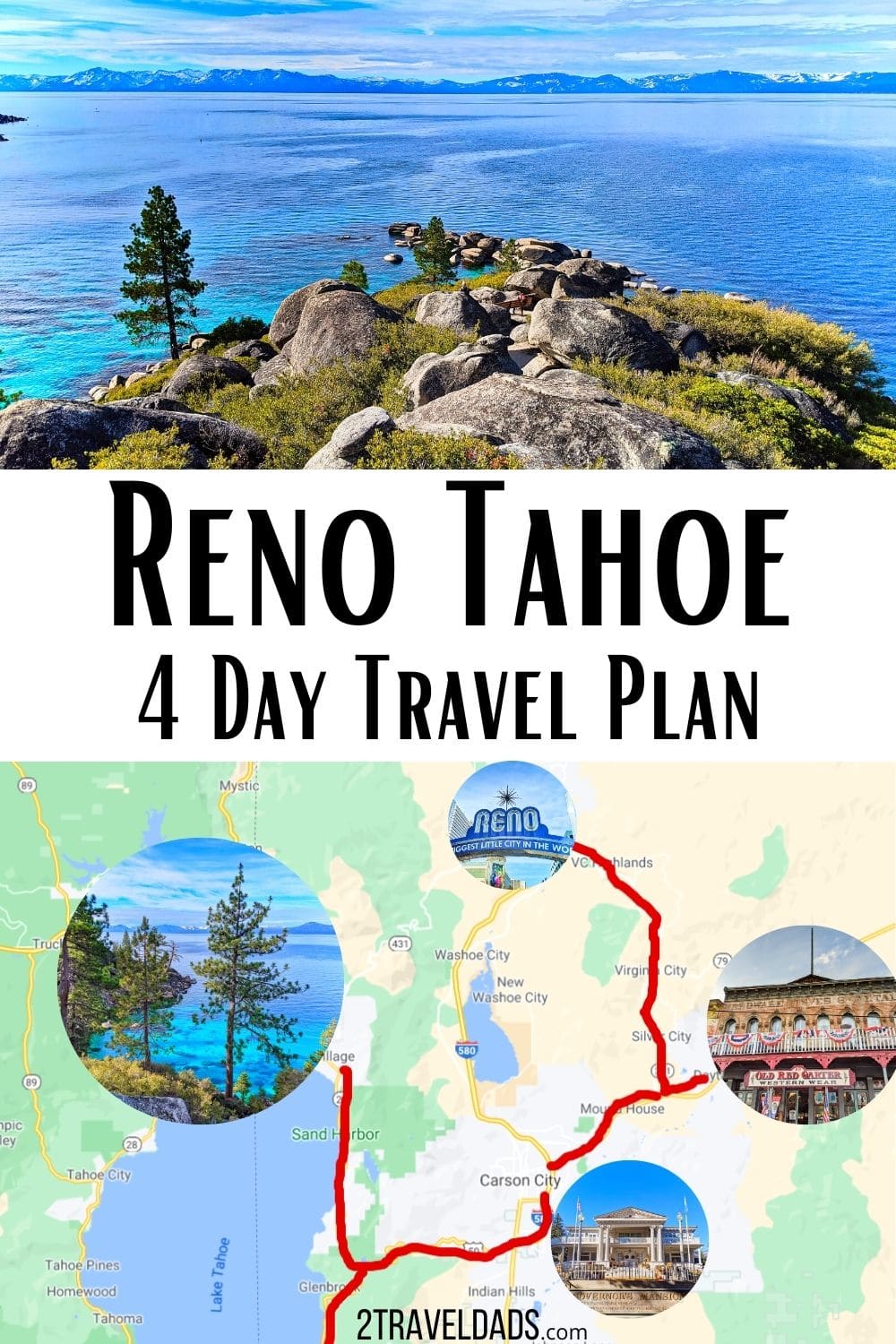
- Via I-580 S and NV-431 W (Mount Rose Highway): This is often considered the most direct and scenic route from Reno to the north side of Lake Tahoe. Traveling south on I-580 from Reno, you’ll take exit 32 for NV-431, also known as the Mount Rose Highway. This route offers stunning panoramic views as it ascends into the Sierra Nevada mountains before descending to the lake. The drive typically takes about 45 minutes to an hour to reach areas like Incline Village or Crystal Bay, covering approximately 25-30 miles (40-48 km). This is a particularly popular choice for those heading to ski resorts like Palisades Tahoe or Northstar California Resort, though you’d continue past the immediate lake shore for those.
- Via I-80 W to Truckee, then CA-89 S: For destinations further west on the North Shore, such as Tahoe City or Squaw Valley (now part of Palisades Tahoe), taking I-80 west from Reno towards Truckee and then connecting to CA-89 South is an excellent option. This route covers a slightly longer distance, around 40-45 miles (64-72 km), and typically takes about 50 minutes to an hour, depending on traffic, especially in Truckee.
-
To South Lake Tahoe (e.g., Stateline, South Lake Tahoe City):
- Via I-580 S to US-50 W: To reach the bustling South Lake Tahoe area, including the popular Stateline casinos and resorts, the most straightforward path is to take I-580 South from Reno and then connect to US-395 S (which merges with I-580 for a portion) before turning onto US-50 West towards the lake. This drive is a bit longer, covering approximately 55-60 miles (88-96 km), and generally takes about 1 hour to 1 hour and 15 minutes. This route takes you past Carson City, Nevada’s capital, before ascending into the mountains.
It’s crucial to note that travel times can significantly increase during peak seasons (winter weekends for skiing, summer holidays for lake activities) or due to adverse weather conditions, especially heavy snowfall in winter. Always check road conditions before heading out, particularly if driving the Mount Rose Highway or passes on US-50.
Public Transportation and Alternative Options
While driving offers the most flexibility, public transportation options are available for those who prefer not to drive or are flying into Reno-Tahoe International Airport (RNO).
- Shuttle Services: Several private shuttle companies operate between Reno-Tahoe International Airport and various points around Lake Tahoe, particularly to South Lake Tahoe and North Lake Tahoe resorts. These services often need to be booked in advance and can be a convenient option, especially if you’re traveling light or don’t want to worry about parking. The travel time by shuttle is comparable to driving, typically 1 to 1.5 hours, but may vary based on stops.
- Bus Services: Limited public bus services connect Reno to areas around Lake Tahoe. For instance, the Tahoe Area Regional Transit (TART) system serves the North Lake Tahoe and Truckee regions, and there are connections from Reno to Truckee via Amtrak Thruway bus services or Greyhound. These options are generally more time-consuming than driving and may require transfers, but they offer a budget-friendly alternative.
- Ride-sharing and Taxis: Ride-sharing services like Uber and Lyft, as well as traditional taxis, are available in Reno and can take you to Lake Tahoe. However, due to the distance, these can be quite expensive, especially during surge pricing or to more remote areas of the lake.
Exploring the “Biggest Little City in the World”: Reno’s Allure
Reno, often dubbed “The Biggest Little City in the World,” offers a unique blend of gaming, entertainment, and a burgeoning arts and culture scene. Far more than just casinos, Reno has evolved into a vibrant city that appeals to a wide range of lifestyles and travel preferences, from luxury seekers to budget-conscious travelers and families. Its proximity to Lake Tahoe means you can easily enjoy a dose of urban excitement before retreating to the tranquility of the mountains.
Beyond the Casinos: Arts, Culture, and Culinary Delights
While Reno’s identity is undeniably linked to its gaming industry, the city has undergone a significant revitalization, cultivating a rich tapestry of cultural experiences.
- Arts and Culture: The Riverwalk District, meandering along the Truckee River, is the heart of Reno’s artistic renaissance. Here, you’ll find numerous galleries, boutiques, and public art installations. The Nevada Museum of Art boasts an impressive collection, focusing on art of the land and human interaction with the environment. For automobile enthusiasts, the National Automobile Museum, home to a vast collection of classic and unique cars, is a must-visit landmark. The city also hosts various festivals throughout the year, including the popular Artown festival in July, transforming Reno into an outdoor gallery and performance space.
- Culinary Scene: Reno’s dining scene has flourished, offering everything from upscale steakhouses within its major resorts to trendy farm-to-table restaurants and diverse ethnic eateries. The MidTown District is particularly known for its eclectic mix of independent shops, cafes, and innovative restaurants. Visitors can savor gourmet meals, casual bites, and craft brews, reflecting the city’s growing culinary sophistication.
- Entertainment: Beyond the gaming floors, Reno offers world-class entertainment, including concerts, comedy shows, and live performances at venues like the Grand Sierra Resort and Pioneer Center for the Performing Arts. The city’s resort properties, such as The Row Reno (which includes Eldorado Resort Casino, Silver Legacy Resort Casino, and Circus Circus Reno), often host headlining acts and spectacular shows, providing ample nightlife options.
Family Fun and Outdoor Adventures in Reno
Reno isn’t just for adults; it also offers numerous activities suitable for families and outdoor enthusiasts, integrating well with a lifestyle of active travel.
- Family-Friendly Attractions: Circus Circus Reno features a free circus acts stage and a carnival midway, delighting children of all ages. The Terry Lee Wells Nevada Discovery Museum (The Discovery) offers interactive science exhibits perfect for curious minds. For outdoor family fun, Rancho San Rafael Regional Park provides vast open spaces, a children’s garden, and the Wilbur D. May Center, which includes a museum and arboretum.
- Outdoor Activities: The Truckee River Whitewater Park right in downtown Reno offers opportunities for kayaking and tubing in warmer months. Surrounding Reno, the Sierra Nevada foothills provide excellent trails for hiking and mountain biking. For golf enthusiasts, there are several championship golf courses, like Lakeridge Golf Course, offering stunning views. In winter, the nearby Mount Rose Ski Tahoe resort is a quick drive away, providing convenient access to skiing and snowboarding without having to go all the way to Lake Tahoe.
The Jewel of the Sierra Nevada: Discovering Lake Tahoe
Just a short drive from Reno, Lake Tahoe emerges as a magnificent natural landmark, renowned for its crystal-clear sapphire waters, majestic mountain backdrop, and unparalleled outdoor recreational opportunities. Straddling the border of California and Nevada, it is the largest alpine lake in North America and a true year-round paradise for tourists seeking both adventure and tranquility. Its status as a premier travel destination is well-deserved, offering a diverse range of experiences from bustling resort towns to secluded beaches and challenging ski slopes.
North Lake Tahoe vs. South Lake Tahoe: Choosing Your Vibe
Lake Tahoe is broadly divided into two distinct regions, each with its own character and appeal:
- North Lake Tahoe: This side of the lake, encompassing towns like Incline Village, Crystal Bay, Kings Beach, and Tahoe City, is generally considered more laid-back and upscale. It’s known for its luxury resorts, boutique hotels, and serene natural beauty. The atmosphere here is often quieter, focusing more on outdoor recreation, scenic drives, and high-end dining. It’s an excellent choice for those seeking a tranquil escape, exquisite accommodations, and access to world-class ski resorts like Palisades Tahoe and Northstar California Resort. Attractions like Sand Harbor State Park, part of Lake Tahoe Nevada State Park, are iconic for their picturesque beaches and clear waters.
- South Lake Tahoe: In contrast, South Lake Tahoe is the more bustling and vibrant part of the lake. Centered around the city of South Lake Tahoe and the Stateline area, it offers a lively mix of casinos (such as Harrah’s Lake Tahoe and Hard Rock Hotel & Casino Lake Tahoe), major resorts, extensive nightlife, and a wide array of dining and shopping options. It’s also home to Heavenly Mountain Resort, one of the largest ski resorts in California. South Lake Tahoe is perfect for travelers who enjoy a more energetic atmosphere, convenient access to amenities, and a wider range of entertainment. Landmarks like Emerald Bay State Park, with its iconic Fannette Island and Vikingsholm castle, are also easily accessible from this side.
Your choice between North Lake Tahoe and South Lake Tahoe will largely depend on your preferred travel lifestyle and the type of accommodation and activities you seek. Many choose to explore both sides, taking advantage of the scenic loop drive around the lake.
Year-Round Activities: From Ski Slopes to Serene Waters
Lake Tahoe’s beauty and recreational opportunities are not limited by season, making it a fantastic destination any time of the year.
- Winter Wonderland: During the colder months, Lake Tahoe transforms into a premier skiing and snowboarding destination. Resorts like Heavenly Mountain Resort, Palisades Tahoe, Northstar California Resort, and Kirkwood Mountain Resort offer expansive terrain for all skill levels, alongside luxury accommodations and amenities. Beyond downhill skiing, visitors can enjoy cross-country skiing, snowshoeing, ice skating, and snowmobiling. The crisp air and snow-capped peaks against the azure lake create a magical setting.
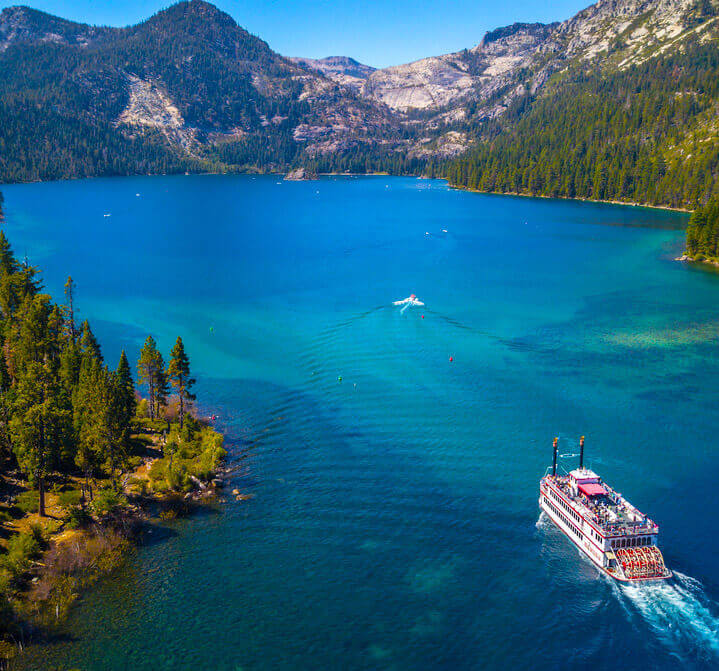
- Summer Paradise: When the snow melts, Lake Tahoe becomes a haven for water sports and hiking. The lake itself invites swimming, kayaking, paddleboarding, jet skiing, and boating. Boat cruises, including those aboard the historic M.S. Dixie II, offer spectacular tours of the lake, often including a visit to Emerald Bay. On land, thousands of miles of hiking and mountain biking trails crisscross the surrounding Sierra Nevada, ranging from easy lakeside strolls to challenging climbs with breathtaking vistas. Popular spots for beach access include Regan Beach and Zephyr Cove Resort. Golf courses also flourish in the warmer months, offering stunning mountain and lake views.
- Spring and Fall Charm: The shoulder seasons of spring and fall offer a quieter, yet equally beautiful, experience. Spring brings blooming wildflowers and cascading waterfalls as the snow melts, while fall showcases a spectacular display of autumn foliage, particularly around Hope Valley. These seasons are ideal for hiking, fishing, and enjoying the scenic beauty without the crowds of peak summer or winter.
Accommodation options around Lake Tahoe are abundant and varied, catering to every budget and style, from luxurious five-star resorts and charming boutique hotels to cozy cabins, vacation rentals, and even long-term stay apartments. Many resorts, such as The Ritz-Carlton, Lake Tahoe in Northstar or Edgewood Tahoe Resort in South Lake Tahoe, offer comprehensive amenities, including spas, fine dining, and direct access to recreational activities, making them perfect for those seeking a luxury travel experience. For budget travelers or families, there are numerous hotels, motels, and private home rentals that provide comfortable and affordable options, often with self-catering facilities.
Making the Most of Your Dual Destination Trip
The close proximity of Reno and Lake Tahoe presents a fantastic opportunity for travelers to experience the best of both worlds: urban excitement and pristine natural beauty. By carefully planning your itinerary and accommodations, you can seamlessly transition between these two distinct yet complementary destinations, maximizing your travel experience.
Strategic Itinerary Planning and Accommodation Choices
Effective planning is key to a smooth and enjoyable Reno-Tahoe adventure. Consider the following:
- Duration of Stay: For a comprehensive experience, a trip of 4-7 days is ideal, allowing 1-2 days for Reno and 3-5 days for Lake Tahoe, depending on your interests. Shorter trips can still combine both, perhaps focusing on a day trip to Lake Tahoe from Reno or vice versa.
- Base Camp Strategy: You can choose to base yourself in one location and take day trips to the other, or split your accommodation between Reno and Lake Tahoe. If flying into Reno-Tahoe International Airport, starting your trip in Reno can be convenient for immediate exploration.
- Accommodation Variety: Reno offers a wide range of hotels, from budget-friendly options to high-end resorts with extensive amenities. In Lake Tahoe, you’ll find everything from luxurious lakeside resorts to cozy cabins and vacation rentals, catering to all types of travelers, including family trips, romantic getaways, or business stays with conference facilities. Booking in advance, especially during peak seasons, is highly recommended to secure your preferred accommodation and potentially better rates. Websites focusing on accommodation comparisons and reviews can be particularly helpful.
- Seasonal Considerations: Your itinerary should align with the season. In winter, prioritize ski resorts and snowy activities, while summer calls for lake adventures and hiking. Spring and fall offer a more relaxed pace for sightseeing and cultural exploration in both areas.
Essential Travel Tips for Your Reno-Lake Tahoe Adventure
To ensure a smooth and memorable journey, keep these tips in mind:
- Rent a Car: While public transportation exists, having a car provides the ultimate flexibility to explore the diverse landscapes and attractions of both Reno and Lake Tahoe at your own pace.
- Monitor Weather and Road Conditions: Especially during winter, mountain roads can be challenging. Always check forecasts and current road conditions before driving to or around Lake Tahoe. Chains or 4WD vehicles may be required.
- Altitude Awareness: Lake Tahoe sits at an elevation of over 6,200 feet (1,890 meters). Be mindful of altitude sickness by staying hydrated and taking it easy on your first day, especially if engaging in strenuous activities.
- Pack Appropriately: Dress in layers, as temperatures can vary significantly between day and night, and between Reno and the higher elevations of Lake Tahoe. Bring sunscreen and hats, as the sun is intense at altitude, even in winter.
- Explore Beyond the Obvious: While the major attractions are popular for a reason, don’t hesitate to venture off the beaten path. Discover local eateries, hidden hiking trails, or charming small towns around the lake like Truckee or Genoa for a richer cultural experience.
In conclusion, the question “How far is Reno, Nevada from Lake Tahoe?” has a very encouraging answer: not far at all. This close proximity makes combining these two distinct yet equally captivating destinations not just feasible, but highly recommended. By embracing the vibrant urban energy of Reno and the tranquil natural splendor of Lake Tahoe, travelers can curate an unforgettable journey that truly offers something for everyone, making it a perfect example of diverse travel experiences and memorable adventures.
LifeOutOfTheBox is a participant in the Amazon Services LLC Associates Program, an affiliate advertising program designed to provide a means for sites to earn advertising fees by advertising and linking to Amazon.com. Amazon, the Amazon logo, AmazonSupply, and the AmazonSupply logo are trademarks of Amazon.com, Inc. or its affiliates. As an Amazon Associate we earn affiliate commissions from qualifying purchases.