
Nevada, often celebrated as the “Silver State,” is renowned worldwide for its dazzling entertainment, breathtaking natural landscapes, and unique blend of cosmopolitan allure and rugged wilderness. From the iconic neon glow of Las Vegas to the serene alpine beauty of Lake Tahoe and the vibrant arts scene in Reno, Nevada offers an unparalleled array of experiences for every type of traveler. While many visit for a thrilling weekend getaway or an unforgettable vacation, an increasing number are discovering the profound appeal of Nevada as a place to live, work, and build a long-term life.
For those considering an extended stay or a full relocation to this dynamic state, the journey goes beyond booking a hotel or exploring landmarks. It involves a thoughtful consideration of various lifestyle factors, including accommodation, community integration, and crucially, access to essential services like healthcare. This comprehensive guide aims to illuminate the pathway for individuals and families looking to make Nevada their home, touching upon the practicalities of settling in, and understanding the resources available, including programs like Medicaid for eligible residents. Our focus here is to integrate these essential practicalities into the broader context of embracing the unique Nevada lifestyle, ensuring a seamless transition from visitor to resident.
Embracing the Nevada Lifestyle: More Than Just a Vacation
Nevada’s allure extends far beyond its reputation as a global entertainment hub. It’s a state of stunning contrasts, where the pulsating energy of urban centers coexists with the tranquil majesty of its natural wonders. For those envisioning an extended stay or permanent move, understanding the diverse tapestry of Nevada life is the first step toward finding your niche.
Why Choose Nevada for an Extended Stay?
The decision to settle down in Nevada is often driven by a multitude of factors, blending the excitement of its tourism industry with the practical advantages of its economic landscape. Las Vegas, the state’s largest city, is not just about The Strip and its world-class resorts like the Bellagio, The Venetian Resort, Caesars Palace, and MGM Grand. It’s a burgeoning metropolis with diverse neighborhoods such as Summerlin and Henderson, offering family-friendly environments, excellent schools, and a growing job market in tech, healthcare, and logistics, alongside its traditional hospitality sector. The city’s robust infrastructure supports a dynamic lifestyle, from gourmet dining and shopping to a vibrant arts scene in Downtown Las Vegas and experiences like the Fremont Street Experience. Even the luxury offerings, such as the Four Seasons Hotel Las Vegas or The Cosmopolitan of Las Vegas, reflect an emphasis on high-quality living that extends to residential communities.
Beyond the urban glitter, Nevada’s natural beauty is a significant draw. The state is a paradise for outdoor enthusiasts, offering unparalleled opportunities for travel and experiences. Imagine hiking through the stunning red rock formations of Red Rock Canyon National Conservation Area, boating on the crystal-clear waters of Lake Tahoe, or exploring the vast expanses of the Mojave Desert. Destinations like Hoover Dam offer engineering marvels, while Mount Charleston provides a cool escape and winter sports. The proximity to national treasures such as Death Valley National Park and the Grand Canyon makes Nevada an ideal base for extensive regional exploration. This blend of urban excitement and natural serenity supports diverse lifestyles, from high-octane luxury to tranquil, budget-conscious living, family trips, and business stays.
Accommodation Beyond the Resort: Finding Your Nevada Home
When transitioning from a temporary visitor to a long-term resident, your accommodation needs naturally evolve. While Nevada boasts an incredible array of resorts and hotels perfect for short stays, making Nevada your home involves exploring a wider spectrum of housing options. This shift is a key aspect of long-term accommodation planning.
For those seeking an extended stay, options range from furnished apartments and corporate housing, which provide a comfortable transition, to renting or purchasing single-family homes, townhouses, or condominiums. Areas like Henderson, Summerlin, and Green Valley in the Las Vegas metropolitan area are popular choices, known for their master-planned communities, parks, and amenities. Reno and its surrounding areas offer a more laid-back, yet equally vibrant, living experience with access to the Truckee River and Lake Tahoe.
Factors like proximity to work, schools, amenities, and personal preferences regarding urban versus suburban living will guide your choice. Many newcomers utilize online platforms for apartment hunting, engage with local real estate agents specializing in long-term rentals or purchases, and consider temporary serviced apartments initially while exploring permanent options. Understanding the local housing market, rental agreements, and homeowner associations is crucial for a smooth integration into the Nevada community. This careful planning ensures that your living situation truly becomes a home, rather than just a place to stay, aligning perfectly with a desired lifestyle.
Navigating Practicalities: Essential Considerations for Settling In
Moving to a new state, particularly for an extended period, entails a significant amount of practical planning beyond securing accommodation. One of the most critical aspects of establishing a new life in Nevada – or anywhere in the United States – is ensuring access to healthcare. This often overlooked but essential element of relocation planning is vital for personal well-being and financial security, especially for those managing a budget or considering family care.
Understanding Healthcare Access in Your Nevada Journey
The healthcare system in the United States can be complex, and securing appropriate coverage is a paramount concern for anyone establishing residency. For long-term residents in Nevada, various options exist, including employer-sponsored plans, private health insurance purchased through the marketplace, and government-sponsored programs. Among these, Medicaid stands out as a critical safety net for eligible low-income individuals and families.
What is Medicaid?
Medicaid is a joint federal and state program that provides health coverage to millions of Americans, including eligible low-income adults, children, pregnant women, elderly adults, and people with disabilities. In Nevada, the program is administered by the Nevada Department of Health and Human Services. For individuals and families relocating to Nevada who are considering their lifestyle and financial situation, particularly those aiming for budget travel or long-term stays with limited income, understanding the availability of programs like Medicaid is essential for comprehensive planning. It’s a crucial component of ensuring a stable and healthy transition into the Nevada community.
Who is Medicaid for in Nevada?
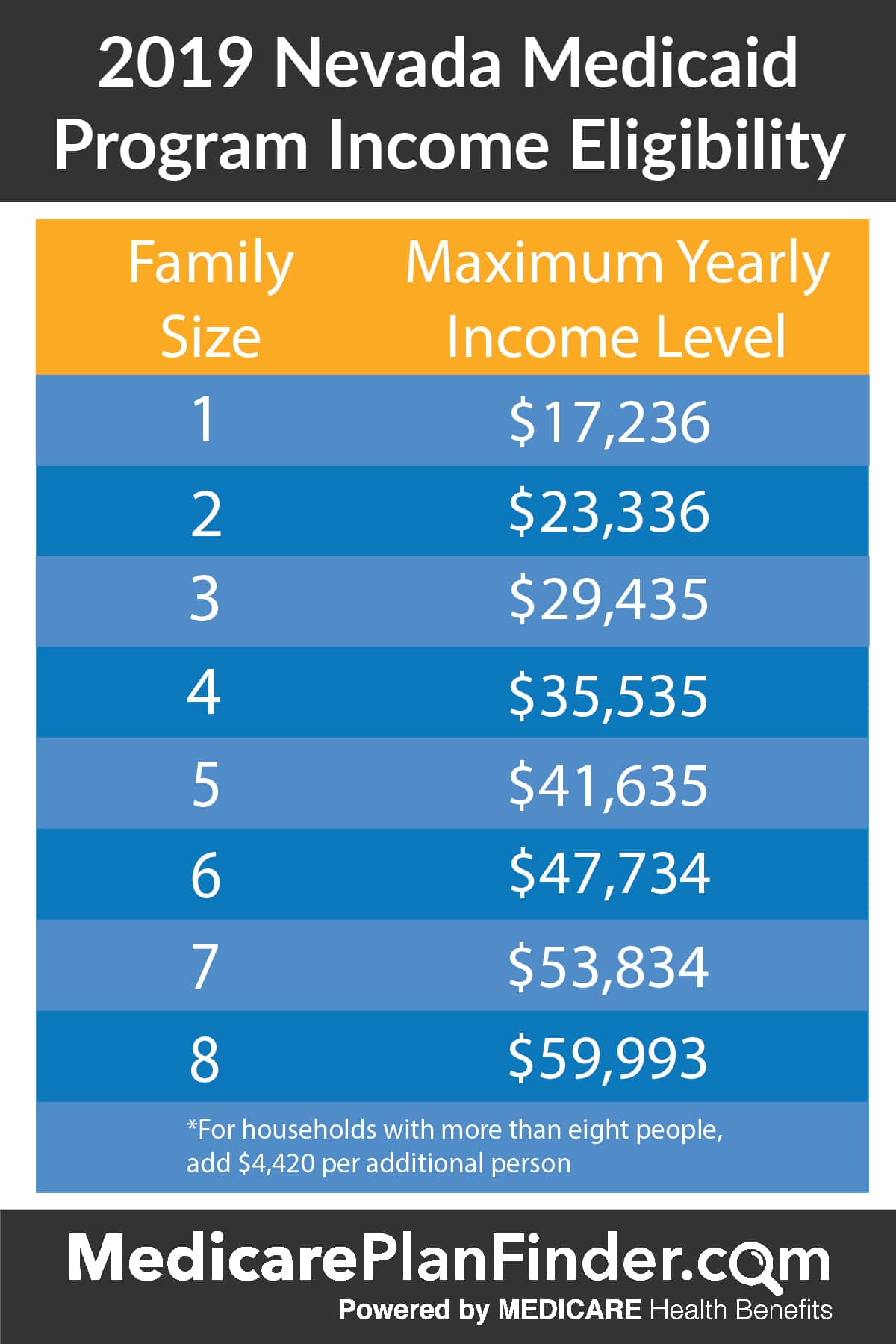
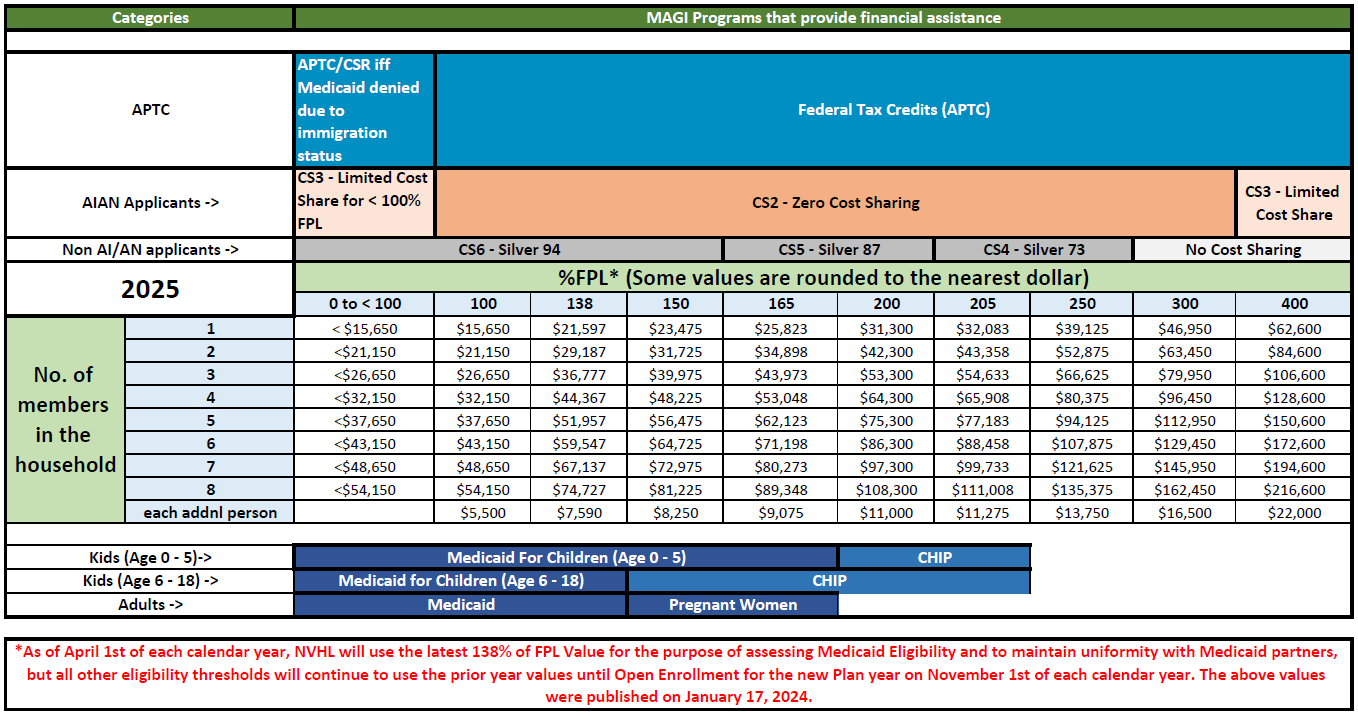
Eligibility for Medicaid in Nevada is primarily based on income relative to the Federal Poverty Level (FPL) and household size, along with other factors such as age, pregnancy status, and disability. Due to the Affordable Care Act (ACA), Nevada expanded its Medicaid program, allowing more adults to qualify based solely on income. For prospective long-term residents, especially those looking to make a new start or managing family trips on a constrained budget, knowing that such a program exists can significantly alleviate concerns about healthcare costs. It transforms the often-daunting prospect of healthcare access into a manageable aspect of their new Nevada lifestyle.
How to Approach “Applying” for Medicaid as a New Resident:
When we refer to “applying for Medicaid in Nevada,” it is crucial to understand that this is a formal process administered by state agencies, not a casual inquiry at a hotel desk or a tourism office. For those considering establishing residency, the approach should be to gather accurate, up-to-date information directly from official government sources.
- Official Channels are Key: The primary way to apply for Medicaid in Nevada is through the state’s official health and human services website or by contacting local county social services offices. These platforms provide detailed eligibility requirements, necessary documentation, and step-by-step guidance.
- Residency is a Prerequisite: A fundamental requirement for Medicaid eligibility is establishing legal residency in Nevada. This typically means demonstrating an intent to reside permanently in the state, often evidenced by a Nevada driver’s license or state ID, utility bills in your name, voter registration, or proof of a long-term lease or property ownership. This directly ties into the concept of long-term accommodation and embedding oneself into the local community.
- Documentation is Paramount: Applicants will need to provide extensive documentation to verify identity, income, household size, assets, and residency. This might include birth certificates, Social Security numbers, pay stubs, tax returns, bank statements, and proof of address.
- Assistance Available: Many community organizations and healthcare navigators in Nevada offer free assistance to help eligible individuals understand the application process and gather the necessary documents. These resources are invaluable for new residents unfamiliar with the local system.
It is important to emphasize that while this article discusses Medicaid as a component of long-term planning, it does not provide legal or medical advice. For specific details on eligibility, the application process, or to apply, prospective residents should always refer to the official Nevada Department of Health and Human Services website or directly contact their local welfare or social services office. Integrating healthcare planning into your relocation strategy ensures that your new Nevada lifestyle is not only exciting but also secure and sustainable.
Residency Requirements: A Key to Unlocking State Benefits
For anyone considering a long-term stay or full relocation, understanding and fulfilling residency requirements is paramount. This isn’t just about healthcare; it affects everything from voting rights and in-state tuition to obtaining a driver’s license and accessing various state-specific benefits and services. Establishing genuine residency in Nevada signifies a commitment to the state and is a critical step in transitioning from a visitor enjoying the state’s attractions to an engaged community member.
Generally, proving residency involves demonstrating an intent to make Nevada your permanent home. This is typically done by providing a combination of documents, which may include:
- Driver’s License or State ID: Obtaining a Nevada driver’s license or state identification card is often one of the first and most definitive steps.
- Voter Registration: Registering to vote in Nevada further solidifies your intent to reside there.
- Utility Bills: Having utility accounts (electricity, water, gas, internet) in your name at your Nevada address.
- Lease Agreement or Property Ownership: Proof of a long-term rental lease or ownership of residential property in Nevada.
- Employment: Proof of employment within the state.
- Bank Accounts: Opening a local bank account.
Each state program, including Medicaid, may have specific interpretations or additional requirements for establishing residency. Therefore, it is essential to consult the specific program guidelines. For instance, temporary visitors, even those on extended visas, may not qualify for programs strictly requiring permanent residency. Understanding these nuances is a vital part of planning your accommodation and lifestyle when moving to Nevada, ensuring you are eligible for the benefits and services you need.
Planning Your Nevada Move: From Tourist to Resident
The transition from enjoying Nevada’s world-class entertainment and natural beauty as a tourist to establishing roots as a resident is an exciting journey. It involves meticulous planning, astute budgeting, and leveraging available resources to ensure a smooth and successful relocation. This transformation is about embracing a new lifestyle, whether it’s the vibrant city life of Las Vegas, the outdoor adventure near Reno, or the serene communities surrounding Lake Tahoe.
Budgeting for Your Nevada Adventure
Beyond the glitz and glamour, Nevada offers a diverse range of living costs, making it accessible for various budgets. While luxury travel and opulent stays at resorts like The Cosmopolitan of Las Vegas are part of the Nevada experience, many choose to relocate for the state’s advantageous tax structure (no state income tax) and often more affordable housing options compared to neighboring California.
When planning your budget for a long-term stay, consider the following:
- Housing Costs: Research rental and purchase prices in your target neighborhoods (e.g., Summerlin, Henderson, Downtown Las Vegas, Reno) for various accommodation types. This will be your largest expense.
- Utilities: Factor in electricity (especially for air conditioning during hot summers), water, gas, and internet.
- Transportation: While Las Vegas and Reno have public transport, a car is often necessary for navigating the wider areas and exploring Nevada’s extensive attractions like Valley of Fire State Park or the Neon Museum. Include car payments, insurance, and fuel.
- Food and Groceries: While dining out can be a major expense, local grocery stores offer competitive prices.
- Healthcare Costs: This is where understanding programs like Medicaid for eligible residents becomes critical. For those who qualify, Medicaid can significantly reduce or eliminate out-of-pocket healthcare expenses, making a long-term stay more financially viable, especially for budget travel or families. For those not eligible, budgeting for private health insurance premiums and deductibles is essential.
- Miscellaneous: Don’t forget personal care, entertainment, and unexpected expenses.
A thorough budget assessment allows you to fully embrace the Nevada experience, from its dynamic tourism to its vibrant local culture, without financial stress.
Resources for New Nevada Residents
Making Nevada your home means tapping into a network of resources designed to support new residents. This is particularly true when navigating complex systems like healthcare or establishing legal residency.
- Official State Websites: The Nevada state government websites (e.g., Department of Health and Human Services, Department of Motor Vehicles) are the definitive sources for information on residency requirements, state services, and programs like Medicaid. They offer guides and detailed explanations to assist with the transition.
- Local Community Centers and Libraries: These hubs often provide valuable information on local services, job opportunities, educational programs, and community events, helping new residents integrate into their new surroundings.
- Chambers of Commerce: Located in major cities like Las Vegas and Reno, these organizations can offer insights into the local economy, business networking, and general community information.
- Healthcare Navigators and Non-Profits: For specific assistance with health insurance enrollment, including Medicaid, numerous non-profit organizations and certified navigators can provide personalized, free guidance. These experts can help clarify eligibility, assist with documentation, and navigate the application process.
By proactively engaging with these resources, you can ensure that your move to Nevada is not just an exciting adventure but also a well-supported and sustainable change in lifestyle.
Conclusion
Nevada beckons with its unique blend of exhilarating urban life, breathtaking natural beauty, and a growing sense of community, making it an increasingly popular choice for extended stays and permanent relocation. For those dreaming of a life beyond the occasional vacation, transitioning from a tourist to a resident requires a thoughtful approach to practical considerations, chief among them being healthcare access.
Understanding how to navigate programs like Medicaid – for those who meet the eligibility criteria – is an indispensable part of comprehensive relocation planning. It’s about ensuring peace of mind regarding health and well-being, allowing you to fully immerse yourself in the vibrant Nevada lifestyle, explore its diverse destinations, and make the most of your new home. By meticulously planning your accommodation, budgeting wisely, establishing residency, and utilizing official resources, your journey to becoming a Nevada resident can be as rewarding and thrilling as the state itself. Welcome to your new adventure in the Silver State!
LifeOutOfTheBox is a participant in the Amazon Services LLC Associates Program, an affiliate advertising program designed to provide a means for sites to earn advertising fees by advertising and linking to Amazon.com. Amazon, the Amazon logo, AmazonSupply, and the AmazonSupply logo are trademarks of Amazon.com, Inc. or its affiliates. As an Amazon Associate we earn affiliate commissions from qualifying purchases.