
Nevada, often synonymous with vibrant lights, world-class entertainment, and breathtaking natural landscapes, offers a unique lifestyle that draws people from across the globe. From the pulsating energy of Las Vegas to the serene beauty of Lake Tahoe, the Silver State promises a diverse range of experiences. Its economy thrives on tourism, hospitality, and a dynamic service sector, providing countless opportunities for employment. However, even in such a bustling environment, the reality of job loss can, unfortunately, become a part of life’s journey for some.
For those residing in Nevada who find themselves unexpectedly out of work, navigating the complexities of unemployment can feel daunting. This isn’t just a financial challenge; it can impact one’s lifestyle, travel plans, and overall sense of security. But understanding the process of filing for unemployment benefits is a crucial step towards regaining stability and ensuring that a temporary setback doesn’t derail your long-term aspirations, including your future adventures and chosen way of life. This comprehensive guide will walk you through the necessary steps to apply for unemployment in Nevada, integrating insights relevant to living in and appreciating this remarkable state, reminding you that securing your financial foundation is the first step back to enjoying all that Nevada and the world have to offer.
Understanding Nevada’s Unemployment Landscape: A Glimpse Beyond the Neon Lights
Nevada’s economic fabric is intricately woven with its identity as a global tourism hub. Cities like Las Vegas and Reno are home to some of the world’s most iconic hotels and resorts, such as the Bellagio or the MGM Grand, which employ hundreds of thousands in diverse roles – from culinary arts and entertainment to concierge services and event management. Beyond the resort corridors, sectors like logistics, advanced manufacturing, and healthcare also contribute significantly. This dynamic environment, while robust, is not immune to economic fluctuations or personal circumstances that can lead to job separation. Understanding the specific regulations and requirements unique to the Silver State is paramount for anyone seeking unemployment benefits. These benefits are designed to provide a temporary financial bridge, allowing individuals to maintain their essential living standards, including stable accommodation, while actively seeking re-employment, and ultimately, get back to planning their next travel adventure or enjoying Nevada’s unique lifestyle offerings.
The Economic Heartbeat of Nevada and Its Workforce
The hospitality and tourism industries are the lifeblood of many Nevada communities. From the bustling casino floors of Clark County to the vibrant downtown areas of Washoe County, jobs in hotels, restaurants, entertainment venues, and tour operations are plentiful. However, this also means that the workforce can be particularly susceptible to shifts in visitor numbers, convention schedules, or broader economic trends affecting discretionary spending. When the unforeseen happens, and employment ceases, the Department of Employment, Training and Rehabilitation (DETR) is the state agency responsible for overseeing unemployment insurance programs. Their mission is to support eligible workers during their period of joblessness, offering a critical safety net. For individuals accustomed to the fast pace of Nevada’s industries, transitioning to a period of unemployment requires not only financial planning but also a strategic approach to re-employment that leverages the state’s diverse opportunities.
Eligibility Requirements: Who Qualifies for Support?
Before you embark on the application journey, it’s crucial to ascertain whether you meet Nevada’s specific eligibility criteria for unemployment benefits. These requirements are generally consistent across most states but have nuances unique to Nevada that ensure the system serves those who truly need it while upholding fiscal responsibility. Meeting these criteria is the first, non-negotiable step toward securing your temporary financial safety net, allowing you to focus on your job search and maintain your chosen lifestyle.
-
Monetary Eligibility (Wage Requirements): To qualify, you must have earned sufficient wages during your “base period.” The base period is typically the first four of the last five completed calendar quarters before you filed your claim. DETR will review your earnings from covered employment during this time to determine your eligibility and potential benefit amount. The specific monetary thresholds are adjusted periodically, so it’s always best to check the official DETR website for the most current figures. These earnings ensure that benefits are provided to individuals who have established a work history within the state’s economy.
-
Job Separation Reason: Your reason for unemployment is critically important. Generally, you must be unemployed through no fault of your own. This means:
- Layoffs or Furloughs: If you were laid off due to lack of work, downsizing, or a company closure, you are typically eligible. This is common in sectors like tourism and accommodation when demand fluctuates.
- Quitting: If you voluntarily quit your job, you might be disqualified unless you had “good cause” connected to the employment. Examples of good cause include unsafe working conditions, discrimination, or a significant change in job duties or wages without your consent.
- Fired: If you were fired, your eligibility depends on the reason. If you were terminated for misconduct (e.g., insubordination, theft, chronic absenteeism without cause), you may be disqualified. However, if you were fired for reasons not constituting misconduct (e.g., lack of skills for a new role, poor performance despite effort), you might be eligible.
-
Ability and Availability to Work: You must be physically and mentally able to work and actively available for suitable employment. This means you are ready and willing to accept a suitable job offer. If you are ill, injured, or have other commitments that prevent you from working full-time, you may not be considered eligible. This requirement underscores the temporary nature of unemployment benefits – they are designed to support individuals who are actively seeking to return to the workforce.
-
Actively Seeking Work: While receiving benefits, you are required to conduct an active search for new employment. Nevada mandates specific job search activities, which may include applying for a certain number of jobs each week, registering with job search engines, or participating in approved re-employment services. This requirement is central to the program’s goal of facilitating a quick return to gainful employment.
Understanding these foundational eligibility requirements will save you considerable time and potential frustration, setting you on the correct path toward receiving the support you need during this transitional phase.
Navigating the Application Process: Your Roadmap to Financial Stability
Once you’ve determined your eligibility, the next step is to initiate your claim. The application process for unemployment benefits in Nevada is primarily handled online, designed for efficiency and accessibility. While it may seem like a bureaucratic hurdle, approaching it systematically will streamline the process, getting you closer to securing the financial assistance that can help you maintain your current accommodation and lifestyle, or at least help budget for a more modest one during your job search. This interim financial stability is key to reducing stress and allowing you to focus on finding your next professional opportunity.
Step-by-Step Filing: Online Portals and Essential Documentation
The most convenient and recommended way to file for unemployment in Nevada is through the official DETR online portal. This digital gateway is available 24/7, allowing you to file at your convenience. Before you begin, gather all necessary documentation and information to ensure a smooth application process. Having everything organized beforehand can prevent delays and reduce the need for follow-up inquiries.
-
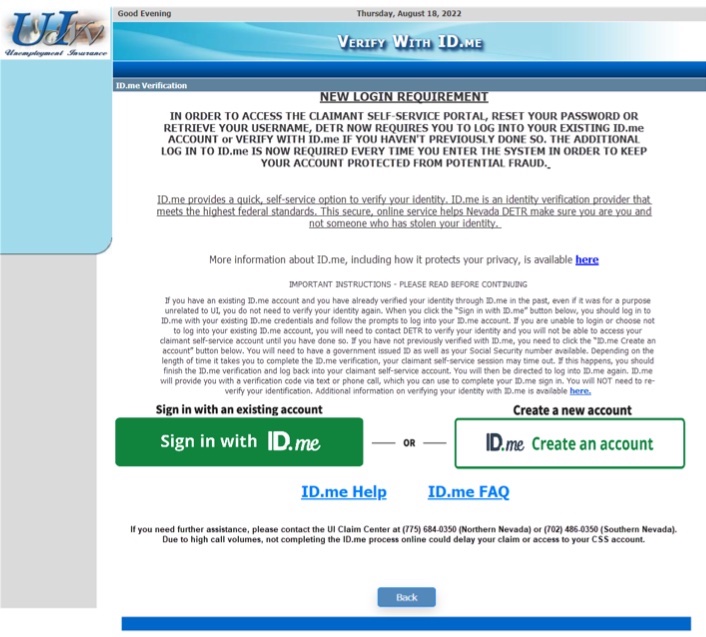
Access the DETR Online Portal: Visit the official Nevada DETR website. Look for the “Unemployment Insurance” section and locate the link to file a new claim. You will likely need to create an account if you don’t already have one, which typically involves setting up a username and password.
-
Gather Required Information: Prepare the following details and documents. This information is critical for DETR to verify your identity, employment history, and eligibility.
- Personal Information: Your Social Security Number (SSN), full legal name, current mailing address, phone number, and email address.
- Employment History: Details for all employers you’ve worked for during the past 18-24 months. This includes employer names, addresses, phone numbers, start and end dates of employment, reason for separation from each employer, and gross wages earned. Having your W-2 forms or recent pay stubs can be helpful.
- Identification: A valid form of identification, such as a state ID or driver’s license number.
- Bank Account Information (for Direct Deposit): Your bank name, account number, and routing number if you wish to receive benefits via direct deposit, which is highly recommended for faster access to funds.
- Alien Registration Number (if applicable): For non-citizens authorized to work in the U.S.
-
Complete the Online Application: Carefully fill out all sections of the online application form. Be truthful and accurate with all information provided. Any discrepancies or false information can lead to delays, penalties, or even disqualification. The application will guide you through various sections, including your personal data, work history, and the circumstances surrounding your job separation. Take your time to review each section before submitting.
-
Initial Claim Submission and Confirmation: Once you submit your application, you will receive a confirmation number. It is crucial to save this number for future reference. This confirms that your application has been received and initiated. DETR will then begin processing your claim, which involves verifying your information with your past employers.
The Waiting Period and What to Expect Next
After submitting your initial claim, there’s typically a waiting period. This period allows DETR to process your application, verify your wages, and contact your former employer(s) to confirm the reason for your separation. During this time, it’s natural to feel anxious, but understanding the timeline and what steps to take can alleviate some stress.
-
First Payment Waiting Week: In Nevada, the first eligible week for which you file is generally an unpaid waiting week. This means that while you will certify for this week, you won’t receive payment for it. Subsequent eligible weeks will then be paid. This policy is standard across many states and is a structural component of the unemployment insurance system.
-
Claim Determination: DETR will review all the information provided by you and your employer(s). If there are no issues, your claim will be approved, and you will receive a Monetary Determination letter detailing your weekly benefit amount and the total maximum benefit amount you can receive. If there are discrepancies or issues, DETR might schedule a fact-finding interview, typically over the phone, to gather more information.
-
Weekly Claim Certifications: This is perhaps the most critical ongoing step. Once your claim is approved, you must certify for benefits each week to receive payment. This is done through the same online portal where you filed your initial claim. During weekly certification, you will answer questions about:
- Your availability and ability to work for that week.
- Any earnings you may have had (even if part-time or temporary).
- Any job refusals.
- Your job search activities for that week.
Failure to certify weekly, or providing inaccurate information, can result in delayed payments or disqualification. It’s imperative to be diligent with these weekly reports.
-
Payment Schedule: If approved and you certify weekly, payments are typically made via direct deposit (if you provided bank details) or a debit card issued by DETR. Direct deposit is usually faster, with funds appearing in your account within a few business days after your weekly certification is processed.
Throughout this waiting period and ongoing certification, patience and meticulous record-keeping are your best allies. Maintaining a log of your job search activities, communications with DETR, and any earnings will prove invaluable. This structured approach not only helps you secure benefits but also provides a clear roadmap back to employment and the lifestyle you enjoy in Nevada.
Maintaining Your Benefits: A Responsible Approach to Your Lifestyle

Receiving unemployment benefits is not a passive process; it comes with responsibilities that must be consistently met to ensure the continuation of your financial support. Viewing this period as an active phase of career transition, rather than a pause, is key. By diligently adhering to the requirements, you’re not just securing benefits; you’re actively engaging in the process of re-employment, which is essential for maintaining your desired lifestyle, be it continuing to explore Nevada’s natural wonders or planning future travel.
Ongoing Requirements: Reporting and Job Search Expectations
The foundation of maintaining your unemployment benefits lies in consistent and truthful reporting, coupled with a proactive job search. These requirements are in place to ensure that benefits are temporary and support individuals who are genuinely seeking to re-enter the workforce.
-
Weekly Claim Certification (Reiteration): As mentioned, this is the backbone of your benefit maintenance. Each week, you must log into your DETR account and truthfully answer a series of questions about your eligibility for the previous week. This includes confirming your availability for work, reporting any earnings (even minor ones from temporary jobs or freelance work), and detailing your job search activities. Even if you only worked a few hours, you must report these earnings; DETR will calculate how they affect your weekly benefit amount. Misreporting can lead to overpayments that you’ll have to pay back, and potentially fraud charges.
-
Job Search Requirements: Nevada has specific mandates regarding your job search efforts. While the exact number of contacts or activities may vary, you are generally required to make a certain number of verifiable job contacts each week. These contacts must be with employers who are actively hiring and for positions that you are qualified for. Acceptable job search activities typically include:
- Applying for jobs online or in person.
- Submitting résumés to potential employers.
- Attending job fairs.
- Participating in approved re-employment workshops or training programs.
- Networking with contacts in your industry, particularly relevant in Nevada’s tight-knit hospitality and service sectors.
It is crucial to keep a detailed log of your job search activities, including the date, company name, contact person, method of contact, and the outcome. DETR may request this log at any time, and failure to provide it or demonstrate sufficient effort can result in disqualification.
-
Acceptance of Suitable Work: If you are offered a job that is deemed “suitable” based on your skills, experience, and the prevailing wage for that occupation and geographical area (e.g., Henderson or Carson City), you are generally expected to accept it. Refusing a suitable job offer without good cause can lead to disqualification from benefits.
-
Reporting Changes: You must promptly report any changes that could affect your eligibility, such as starting a new job (even part-time), moving out of state, becoming unable to work due to illness or injury, or receiving a pension. Transparency is key to avoiding issues.
By staying proactive and meticulous with these ongoing requirements, you can ensure a smooth continuation of your unemployment benefits, providing you with the necessary support while you diligently work towards your next career chapter in Nevada.
When Benefits Cease: Planning for Re-employment and Future Ventures
Unemployment benefits are a temporary bridge, not a long-term solution. In Nevada, like most states, there’s a maximum duration for which benefits can be received, typically 26 weeks, though this can vary during periods of high unemployment or extended federal programs. Understanding when your benefits are projected to end is vital for effective financial planning and preparing for your full re-entry into the workforce. This foresight allows you to transition smoothly back to self-sufficiency and resume planning for your desired lifestyle, be it enjoying more of Nevada’s attractions like the Hoover Dam or planning a dream vacation.
-
Maximum Benefit Duration: Your monetary determination letter from DETR will outline the total maximum benefit amount you are eligible for. Once this amount is exhausted, or the maximum number of weeks is reached, your benefits will cease. It’s crucial to track your remaining balance and weeks to avoid unexpected financial gaps.
-
Exhaustion of Benefits: Even if you haven’t found a job by the time your benefits run out, the payments will stop. This underscores the importance of a vigorous and continuous job search throughout your claim period. Don’t wait until the last few weeks to intensify your efforts.
-
Preparing for Transition: As your benefits draw to a close, it’s an opportune time to reassess your job search strategy. Have you explored all avenues? Are your skills up-to-date? Consider exploring additional training or certification programs that could make you more marketable in Nevada’s evolving economy, particularly in cities like Sparks that are seeing growth in various sectors.
-
Financial Planning Post-Benefits: If re-employment has not yet been secured, review your personal budget and identify areas where you can cut costs or find alternative income sources. This might involve temporarily adjusting your lifestyle, perhaps opting for more budget-friendly local explorations instead of distant travel, or finding temporary gigs. The goal is to ensure financial stability continues while you land your next full-time role.
Successfully navigating the end of your benefit period, whether due to re-employment or exhaustion of funds, requires proactive planning and a resilient mindset. It’s a testament to your ability to manage challenges and ultimately return to a position where you can fully enjoy the vibrant lifestyle Nevada has to offer.
Beyond Unemployment: Rebuilding Your Nevada Lifestyle and Future Travel Plans
Successfully navigating the unemployment process in Nevada is more than just securing temporary financial aid; it’s a critical step in a larger journey of rebuilding and re-establishing your desired lifestyle. For many in Nevada, a stable income isn’t just about covering basic expenses like accommodation and food; it’s about the ability to enjoy the state’s unique offerings – from weekend trips to Lake Tahoe to evenings at a Las Vegas show, or planning more extensive travel beyond the state’s borders. The period of unemployment, while challenging, can also be an opportunity for introspection, skill development, and strategic planning for a more fulfilling future.
Leveraging Resources for Re-employment and Skill Enhancement
Nevada offers a wealth of resources designed to assist job seekers in their quest for re-employment, going beyond just processing unemployment claims. These resources are invaluable tools to help you refresh your skills, learn new ones, and connect with employers.
-
Workforce Development Centers: DETR operates Workforce Development Centers across the state. These centers offer a range of free services, including:
- Career Counseling: One-on-one guidance to help identify career paths aligning with your skills and interests.
- Resume and Interview Workshops: Practical training to enhance your job application materials and interview performance.
- Job Fairs and Recruitment Events: Opportunities to meet directly with hiring employers in various industries, including hospitality, healthcare, and technology.
- Access to Computers and Internet: Essential for online job applications and research, especially important if you don’t have reliable access at home.
-
Training and Education Programs: For those looking to pivot careers or upgrade existing skills, Nevada offers various state-funded or subsidized training programs. These can range from certifications in culinary arts or hotel management to IT skills or advanced manufacturing techniques. Investing in new skills can significantly boost your marketability in Nevada’s diverse economy, opening doors to better opportunities and a more secure future. In a state that thrives on innovation and service, continuous learning is a major asset.
-
Online Job Boards and Networking: While many jobs are found online, don’t underestimate the power of networking, particularly in close-knit industries like the Las Vegas resort scene. Professional organizations, industry events, and even casual conversations can lead to leads and referrals. Utilize platforms like LinkedIn, but also explore specialized job boards relevant to Nevada’s major industries.
By actively engaging with these resources, you transform a period of unemployment into a strategic phase of professional development, positioning yourself for a stronger return to the workforce and a more robust career trajectory.
Budgeting and Future Planning: Keeping Your Travel Dreams Alive
One of the most profound impacts of unemployment is on personal finances and, consequently, on lifestyle and travel aspirations. Successfully navigating this period requires diligent budgeting and strategic future planning. This isn’t just about surviving; it’s about preserving your ability to enjoy life and pursue your passions, including the travel experiences that define many of Life Out of the Box’s readers.
-
Immediate Budget Review: Upon filing for unemployment, conduct an immediate and thorough review of your budget. Identify essential expenses (accommodation, utilities, food, transportation) and distinguish them from discretionary spending (dining out, entertainment, non-essential shopping). While temporary, this period may require a shift towards a more budget-conscious lifestyle.
-
Emergency Fund Utilization: If you have an emergency fund, this is precisely what it’s for. Strategically drawing from it can help cover gaps not met by unemployment benefits, ensuring stability in your housing and daily needs.
-
Rethink Accommodation: If you’re considering relocation within Nevada for work, or if your current accommodation becomes unsustainable, explore more affordable long-term stay options or temporary housing solutions. Sometimes, adjusting your living situation can significantly ease financial pressure during a job search.
-
Travel and Lifestyle Adjustments: While an active job search should be your priority, that doesn’t mean you have to entirely forgo experiences. Consider local, budget-friendly tourism options within Nevada – perhaps exploring state parks, hiking trails, or free cultural events in Reno or Carson City. These smaller adventures can provide much-needed respite without breaking the bank. For future major travel plans, start a dedicated savings fund once re-employed, or explore budget travel strategies that maximize experiences while minimizing costs.
-
Long-Term Financial Goals: Use this period to reflect on your long-term financial health. Could this experience inform better savings habits? Should you diversify your income streams once re-employed? This challenge can be a catalyst for creating a more resilient financial future, ensuring that future economic shifts have less impact on your ability to pursue travel and lifestyle goals.
In conclusion, while filing for unemployment in Nevada might seem like a purely administrative task, it’s an integral part of maintaining your overall lifestyle and setting the stage for future adventures. By understanding the eligibility criteria, diligently following the application and weekly certification processes, and actively utilizing the available re-employment resources, you can navigate this challenging period with confidence. Remember, unemployment is a temporary state, and with the right approach, you can swiftly transition back to a thriving professional life, ready to once again immerse yourself in the vibrant culture, breathtaking landscapes, and exciting travel opportunities that Nevada and the world have in store. Your next journey, whether a short escape within the Silver State or an international exploration, begins with a strong foundation of financial stability and a well-planned return to work.
LifeOutOfTheBox is a participant in the Amazon Services LLC Associates Program, an affiliate advertising program designed to provide a means for sites to earn advertising fees by advertising and linking to Amazon.com. Amazon, the Amazon logo, AmazonSupply, and the AmazonSupply logo are trademarks of Amazon.com, Inc. or its affiliates. As an Amazon Associate we earn affiliate commissions from qualifying purchases.