
Nevada, often called the Silver State, stands as a fascinating political enigma within the United States. Far from being a solidly Democrat or Republican state, it proudly holds its identity as a perennial swing state, a battleground where elections are frequently decided by razor-thin margins. This political fluidity is not merely a quirk of its electoral map; it’s deeply intertwined with the very fabric of Nevada’s unique identity, shaped by its explosive growth, diverse demographics, and distinctive economic drivers like tourism, gaming, and emerging tech industries. For travelers and those considering accommodation or a lifestyle change, understanding this political landscape offers a richer appreciation of the state’s vibrant culture, regional differences, and the experiences it offers.
From the dazzling lights of Las Vegas to the rugged, remote beauty of its vast deserts and mountain ranges, Nevada’s political leanings are as varied as its landscapes. Its population centers, primarily Clark County in the south and Washoe County in the north, typically lean Democrat, influenced by their diverse, urban populations and strong labor union presence. Conversely, the expansive rural counties overwhelmingly vote Republican, reflecting deeply held conservative values, a reliance on traditional industries, and a different set of priorities. This intricate mosaic means that Nevada is not just a place to visit but a dynamic, ever-evolving social and political experiment. For those exploring Nevada’s myriad destinations, from luxury resorts to off-grid camping sites, recognizing these underlying currents enhances the experience, revealing the forces that shape its local culture, infrastructure, and even the types of tourism it champions.
The Shifting Sands of Nevada’s Political Landscape
Nevada’s political identity has always been dynamic, but the past few decades have seen a significant transformation. Once a reliably Republican state, particularly in presidential elections, it began its shift towards purple status in the late 20th century. This evolution is a direct result of several powerful demographic and economic forces, making it a microcosm of broader national trends while retaining its distinct Nevadan flavor.
A Brief History of a Swing State
For much of its post-World War II history, Nevada leaned Republican, influenced by a frontier mentality, a relatively homogenous population, and strong anti-tax sentiment. Mining and ranching, traditional Old West industries, dominated the rural economy and fostered conservative values. However, the burgeoning tourism and gaming industries, primarily centered in Las Vegas, began to change this. The influx of workers from across the United States and beyond to staff the ever-expanding hotels, casinos, and service sectors introduced new perspectives and diversified the electorate.
The late 20th and early 21st centuries saw accelerated growth, turning Nevada into one of the fastest-growing states. This rapid expansion brought with it a dramatic shift in the voter base. From 1988 onwards, Nevada became a bellwether state, often voting for the eventual presidential winner, showcasing its swing state credentials. This political dance is fascinating for observers and offers unique insights into the American political psyche, framed by neon lights and vast desert expanses.
Demographic Shifts and Their Impact
The primary driver of Nevada’s political transformation has been its incredible population growth and the changing face of its residents. Large numbers of people have migrated to Nevada from California and other Western states, drawn by economic opportunities, a lower cost of living, and an appealing lifestyle. This migration has brought a more diverse populace, particularly into its urban centers.
Specifically, the growth of the Latino population has been a pivotal factor. Nevada has one of the highest percentages of Latino residents in the United States, and this demographic group tends to lean Democrat. Furthermore, a significant presence of labor unions, particularly the powerful Culinary Workers Union Local 226, which represents many hotel and casino employees, plays a crucial role in mobilizing voters and advocating for policies that often align with the Democratic platform. These shifts are evident in the sprawling urban and suburban developments, the diverse array of restaurants offering global cuisines, and the cultural richness found in Nevada’s metropolitan areas, all of which contribute to a unique travel experience.
Regional Political Divides and Their Economic Engines
To truly understand Nevada’s political identity, one must look beyond state-level averages and delve into its distinct regional characteristics. The state is essentially a tale of three political regions, each with its own economic drivers, demographics, and corresponding political leanings. These regional differences also dictate the types of travel experiences, accommodation options, and local cultures visitors will encounter.
Southern Nevada: The Urban Core and Democratic Stronghold
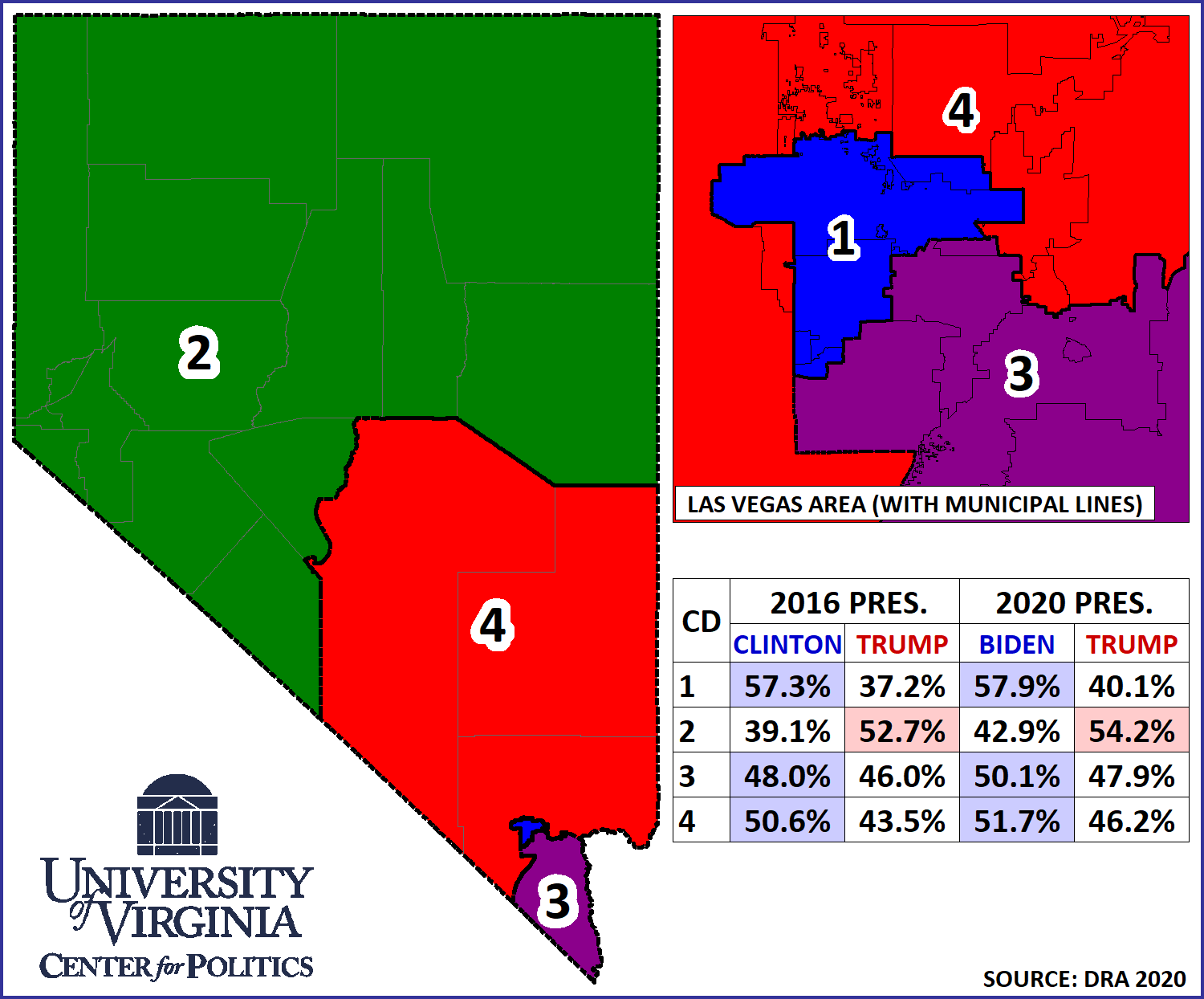
Southern Nevada, dominated by Clark County, is the state’s population and economic powerhouse. Home to Las Vegas, Henderson, and North Las Vegas, this region is a robust Democratic stronghold. Its political leaning is a direct consequence of its immense population density, diverse demographics, and the overwhelming influence of the tourism and gaming industries.
The Las Vegas Strip alone, with its iconic landmarks like the Bellagio, Caesars Palace, and the MGM Grand, employs hundreds of thousands of people. The workforce, drawn from various backgrounds and often represented by powerful unions, tends to vote Democrat. Beyond the bright lights, the extensive suburban areas of Henderson and North Las Vegas are home to working-class families and retirees, many of whom also lean Democrat.
For visitors, Southern Nevada offers an unparalleled array of hotels, resorts, entertainment, and dining experiences. From high-end luxury suites at The Venetian Resort to boutique hotels in the Arts District of Downtown Las Vegas, the options cater to every preference and budget. Beyond the urban sprawl, natural attractions like Red Rock Canyon National Conservation Area and Valley of Fire State Park are easily accessible, offering a contrast to the city’s hustle and bustle. The region’s Democratic leanings also reflect a greater emphasis on social programs, environmental protection, and urban development, all of which subtly shape the visitor experience.
Northern Nevada: A Balancing Act of Tech and Tourism
Northern Nevada, centered around Washoe County and its principal cities of Reno and Sparks, presents a more nuanced political picture. While traditionally more Republican than its southern counterpart, Washoe County has been trending Democrat in recent years, largely due to an influx of tech companies and residents from California’s Silicon Valley. The presence of companies like the Tesla Gigafactory has diversified the economy beyond gaming and tourism, bringing a younger, often more liberal, professional class.
Reno, known as “The Biggest Little City in the World,” offers a different kind of Nevada experience. Its casinos and hotels provide a lively atmosphere, but the city also prides itself on its vibrant Midtown Reno district, thriving arts scene, and proximity to stunning natural beauty. Lake Tahoe, a world-renowned landmark straddling the California border, draws outdoor enthusiasts year-round for skiing, hiking, and water sports. Accommodation options range from cozy cabins near Lake Tahoe to modern hotels in Downtown Reno.
This blending of traditional Nevada industries with new tech ventures makes Northern Nevada a fascinating region politically. It often serves as a crucial swing area, reflecting the tension between preserving long-standing local traditions and embracing rapid modernization. The lifestyle here is a blend of rugged outdoorsmanship and urban sophistication, influencing local governance and public services.

Rural Nevada: Conservative Heartland Amidst Vast Landscapes
Beyond the urban corridors of Clark and Washoe counties lies the vast expanse of Rural Nevada, a collection of smaller counties that are overwhelmingly Republican. These areas, characterized by their wide-open spaces, rich mining history (from the Comstock Lode to modern operations), ranching, and small-town communities, embody a more traditional, conservative Nevadan identity.
Counties like Elko, Lyon, Nye, and White Pine consistently vote Republican by significant margins. The populations here are generally less diverse, prioritize individual liberties, limited government, and resource extraction, which shapes their political outlook. Iconic towns like Virginia City, a historic mining town and major tourist attraction, and Ely, a gateway to Great Basin National Park, offer glimpses into Nevada’s frontier past and present.
For adventurous travelers, Rural Nevada offers unparalleled opportunities for ecotourism, stargazing, and exploring remote natural landmarks. Accommodation often means charming motels, rustic cabins, or RV parks, providing a stark contrast to the luxurious resorts of Las Vegas. The lifestyle here is one of self-reliance and community, and visitors can experience authentic Wild West charm, far removed from the political debates of the major cities. Events like Burning Man, held in the Black Rock Desert, though drawing a liberal crowd, exist within this conservative landscape, highlighting Nevada’s capacity for diverse expression.
Unpacking the Influence of Tourism, Gaming, and Lifestyle
The economy of Nevada is distinctively shaped by its two colossal industries: tourism and gaming. These sectors are not just economic powerhouses; they are powerful political forces that influence everything from labor laws to infrastructure development, profoundly impacting the lifestyle of residents and the experience of visitors. Understanding this interplay is key to grasping Nevada’s political complexity.
How Industries Shape Policy and Culture
The gaming and hospitality industries are the largest employers in Nevada, particularly in Clark County. The sheer number of employees in these sectors gives labor unions, such as the aforementioned Culinary Workers Union, immense political leverage. These unions advocate for higher wages, better benefits, and worker protections, often aligning their political endorsements and lobbying efforts with the Democratic Party. This ensures that issues relevant to the service industry workforce remain central to the political discourse.
On the other hand, the corporate owners of the major resorts and casinos also wield significant influence. While they might engage with both parties, their interests often lie in policies that promote economic growth, favorable tax environments, and streamlined regulations, which can sometimes align with Republican platforms. This dynamic creates a constant push and pull, where both major parties must appeal to the industry’s various stakeholders to secure victory.
Beyond direct political influence, these industries shape the state’s cultural fabric. The 24/7 nature of Las Vegas, for instance, fosters a unique rhythm of life. The need to attract global tourism also encourages a certain degree of social liberalism, as the city thrives on entertainment, diverse cultural offerings, and an open-minded approach to lifestyle. This atmosphere contrasts sharply with the more traditional values often found in Rural Nevada.
Diverse Lifestyles Across the Silver State
The economic engines fuel distinct lifestyles across Nevada. In Las Vegas and Reno, urban lifestyles revolve around diverse employment opportunities, vibrant nightlife, extensive dining options, and access to international travel via Harry Reid International Airport. For residents, the focus might be on career growth in hospitality, tech, or entrepreneurship. For visitors, it means a plethora of choices for every aspect of their trip, from luxury accommodation to budget-friendly hotels, and experiences ranging from high-stakes gambling to world-class shows and concerts.
In Rural Nevada, the lifestyle is often tied to the land and smaller, tight-knit communities. Here, outdoor recreation, hunting, fishing, and community events are central. The economy relies more on mining, ranching, and localized tourism to natural landmarks like Great Basin National Park or Lake Mead. This difference in lifestyle naturally translates into different political priorities and voting behaviors, making a statewide consensus difficult to achieve and cementing Nevada’s reputation as a political battleground.
Navigating Nevada: A State of Contrasts for Every Traveler
Understanding Nevada’s intricate political tapestry enriches the experience for any traveler. It’s not just about knowing whether a region votes Democrat or Republican, but recognizing how these leanings manifest in the local culture, infrastructure, and the very accommodations and attractions available. Nevada truly is a state of fascinating contrasts, offering something for every type of visitor.
Accommodation Choices Reflecting Diverse Preferences
The diverse political and economic landscapes of Nevada are perfectly mirrored in its vast range of accommodation options. In the heavily Democratic urban centers of Las Vegas and Reno, visitors can find everything from opulent, five-star resorts like the Wynn Las Vegas or ARIA Resort & Casino, complete with all imaginable amenities and entertainment, to boutique hotels and trendy apartment rentals catering to a more modern, liberal-leaning clientele. These areas are designed for high-volume tourism, offering convenience, diverse dining, and a vibrant nightlife.
As one ventures into the more Republican-leaning rural counties, the accommodation choices shift dramatically. Here, you’ll find charming, independently owned motels, rustic cabins near natural attractions like Mount Charleston or Lake Tahoe, and ample opportunities for RV camping or even dispersed camping for those seeking solitude and a return to nature. Booking here is often simpler, with a focus on practicality and access to outdoor activities rather than lavish amenities. Even in smaller gaming towns like Laughlin or Mesquite, while offering casinos and hotels, the atmosphere is generally more subdued and community-oriented than the spectacle of Las Vegas.
Experiences Beyond the Ballot Box
Regardless of its political leanings, Nevada offers an incredible array of experiences. In the Democratic hubs, tourism thrives on cutting-edge entertainment, celebrity chef restaurants, world-class shopping, and innovative urban developments. Visitors can explore the dynamic Fremont Street Experience in Las Vegas, enjoy a performance at the Smith Center for the Performing Arts, or discover the burgeoning tech scene in Reno. The lifestyle here is modern, fast-paced, and globally connected.
Venturing into the Republican rural areas unveils a different side of the Silver State. Here, travelers can immerse themselves in Wild West history in Virginia City, explore ghost towns like Goldfield, or discover the natural wonders of the Great Basin Desert and its majestic landmarks. Outdoor activities abound, from hiking in the Ruby Mountains near Elko to fishing in Pyramid Lake. These areas emphasize a rugged lifestyle, local authenticity, and a connection to Nevada’s storied past, offering a tranquil escape from the urban hustle.
In conclusion, asking “Is Nevada Democrat or Republican?” is to miss the nuances of this complex and captivating state. It is, and likely will remain, a true swing state, a vibrant blend of conflicting political ideologies, economic interests, and diverse lifestyles. For those looking to travel, find accommodation, or simply experience the local culture, Nevada’s political fluidity is not a detractor but an integral part of its charm, offering a rich tapestry of experiences that reflect the very soul of the American West.
LifeOutOfTheBox is a participant in the Amazon Services LLC Associates Program, an affiliate advertising program designed to provide a means for sites to earn advertising fees by advertising and linking to Amazon.com. Amazon, the Amazon logo, AmazonSupply, and the AmazonSupply logo are trademarks of Amazon.com, Inc. or its affiliates. As an Amazon Associate we earn affiliate commissions from qualifying purchases.