
Nestled deep within the desolate, sun-baked landscape of southern Nevada, Area 51 stands as one of the most enigmatic and heavily guarded locations in the United States Air Force lexicon. For decades, its very existence was shrouded in impenetrable secrecy, fueling a wildfire of speculation and conspiracy theories that have captivated the public imagination for generations. Far from being just another military installation, Area 51 has transcended its original purpose to become a global landmark synonymous with the unknown, UFOs, and extraterrestrial life. This article delves into the history, myths, and travel opportunities surrounding this mysterious desert outpost, offering a comprehensive guide for those drawn to its magnetic allure, all while considering the unique blend of tourism, accommodation, and lifestyle experiences that define a trip to this iconic destination.
The Enigmatic Heart of the Nevada Desert
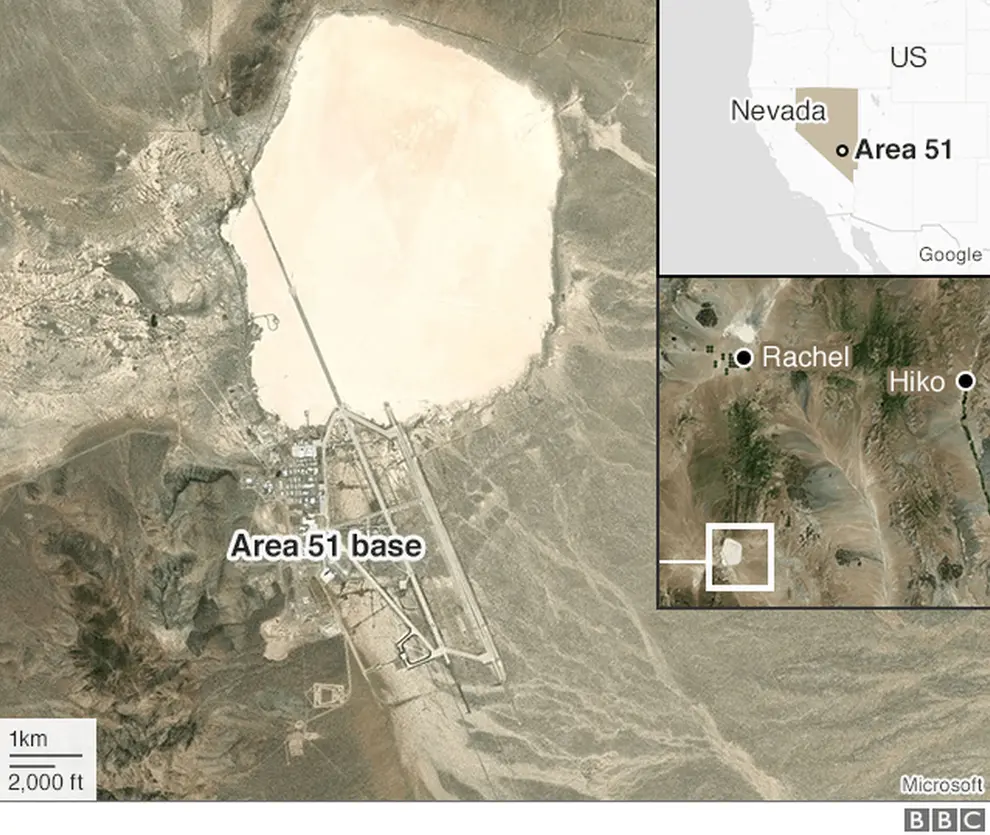
Long before it became a household name associated with little green men, Area 51 was a covert operational site, crucial for the defense and technological advancement of the United States. Its location, intentionally chosen for its extreme remoteness, ensured maximum discretion for highly sensitive projects.
A Legacy of Secrecy and Innovation
The story of Area 51 officially began in 1955 when the Central Intelligence Agency (CIA) and the United States Air Force selected the site, adjacent to a dry lakebed known as Groom Lake, as a secret testing facility for the U-2 spy plane program. In the height of the Cold War, the need for high-altitude reconnaissance was paramount, and the U-2 Dragon Lady represented a groundbreaking leap in aviation technology. The extreme secrecy around its development and testing created the initial veil of mystery that would eventually define Area 51. Flights of the experimental aircraft, often operating at altitudes far beyond commercial airliners, were frequently mistaken for UFOs by civilian pilots and ground observers, unknowingly sowing the first seeds of extraterrestrial myths.
Over the ensuing decades, Area 51 continued to serve as a crucible for advanced aerospace development. It was here that other revolutionary aircraft, such as the Lockheed A-12 Oxcart (predecessor to the SR-71 Blackbird) and the stealth F-117 Nighthawk bomber, underwent their clandestine testing. The very existence of the base was kept under wraps until 2013, when the CIA formally declassified documents confirming its purpose and history, effectively acknowledging what many had long suspected. This declassification provided a tangible history to the site, yet it did little to quell the more fantastical theories. The official narrative, however, firmly establishes Area 51 as a monument to human ingenuity and strategic defense, a landmark of aerospace history rather than alien contact.
The Birth of a Conspiracy Theory
While the military kept tight lips, the vacuum of official information allowed a rich tapestry of conspiracy theories to flourish. The remote location, the unmarked government vehicles, and the intense security measures only added fuel to the fire. The most prominent and enduring myth posits that Area 51 is not merely a testing ground for advanced aircraft but a clandestine facility housing crashed UFOs, extraterrestrial technology, and even alien beings themselves. This notion gained significant traction in the late 1980s when a man named Bob Lazar claimed to have worked at a site called S-4, south of Area 51, where he allegedly reverse-engineered alien propulsion systems. While Lazar’s claims have been largely discredited, his narrative cemented Area 51’s place in popular culture as the ultimate repository of alien secrets.
Connections to the legendary 1947 Roswell, New Mexico, incident, where an alleged “flying disc” crashed, further intertwined Area 51 with UFO lore. The idea that debris and alien bodies from Roswell were transported to Area 51 for secret study became a cornerstone of the alien conspiracy narrative. This enduring mystery transformed Area 51 from a top-secret military facility into a beacon for alien enthusiasts, amateur ufologists, and curious travelers seeking a brush with the paranormal. The blend of government secrecy and public fascination has made Area 51 a unique kind of landmark, one defined as much by its unconfirmed stories as its verifiable history.
Exploring the Extraterrestrial Highway and Beyond
For travelers and tourists captivated by the allure of the unknown, a journey to the vicinity of Area 51 offers a truly unique experience. While direct access to the base remains strictly forbidden, the surrounding region has embraced its enigmatic neighbor, transforming itself into a fascinating destination for adventure seekers and alien enthusiasts.
Gateway Towns and Alien Encounters
The most famous route to experience the mystique of Area 51 is the Extraterrestrial Highway, officially designated as Nevada State Route 375. This scenic highway, stretching through the vast, sparsely populated Lincoln County, is dotted with alien-themed attractions that cater to the curious traveler. Driving this route is a quintessential part of the Area 51 experience, offering stunning desert vistas alongside quirky roadside stops.
The tiny town of Rachel, often referred to as the “UFO Capital of the World,” is the closest civilian settlement to Area 51. With a population barely over 50, Rachel is home to the iconic Little A’Le’Inn, a restaurant, bar, and motel that serves as a vital hub for visitors. This rustic establishment is plastered with alien memorabilia, photographs, and news clippings, offering a convivial atmosphere where travelers can swap stories of strange lights in the sky and enjoy “Alien Burgers.” It’s more than just a place to eat; it’s a living museum of Area 51 lore and a key stop for anyone on an extraterrestrial pilgrimage. The accommodations here are simple but authentic, providing a true taste of remote Nevada living.

Further along the Extraterrestrial Highway, visitors can find other points of interest such as the Alien Research Center near Hiko, an oddly shaped gift shop offering souvenirs, maps, and information about local sightings. The nearby E.T. Fresh Jerky stand offers a fun, if slightly kitschy, stop for snacks and more alien-themed merchandise. Even towns like Alamo, though not directly on the highway, serve as a jumping-off point for exploring the wider region, offering a few more options for fuel and basic supplies, essential in such a remote area. These unique attractions transform a simple road trip into an immersive travel experience, blending local culture with the global phenomenon of Area 51.
Essential Travel Tips for the Curious Tourist
Embarking on an Area 51 adventure requires careful planning, especially due to the region’s remote nature and limited services. For tourism focused on exploration and discovery, preparation is key. Most visitors typically approach from Las Vegas, roughly a two-hour drive to the start of the Extraterrestrial Highway.
- Fuel and Supplies: Gas stations are extremely scarce along Nevada State Route 375. Ensure your vehicle has a full tank before departing larger towns like Las Vegas or Alamo. Carry plenty of water, snacks, and emergency supplies, as cell service is spotty to non-existent in many areas.
- Respect Boundaries: This is perhaps the most critical tip. While exploring the public roads near Area 51 is permitted, attempting to cross the clearly marked boundary lines will lead to immediate and serious consequences. The area is under constant surveillance, and trespassers face arrest, hefty fines, and potentially even federal charges. Look for “No Trespassing” signs, warning signs, and white unmarked SUVs, often referred to as “camo dudes,” patrolling the perimeter. These boundaries are not suggestions; they are strictly enforced.
- Vehicle Preparation: A reliable vehicle is essential. While a 4×4 isn’t strictly necessary for the paved Extraterrestrial Highway, exploring some dirt roads or lesser-known points of interest might benefit from one. Always inform someone of your travel plans, especially if venturing off the main road.
- Best Time to Visit: The desert climate can be extreme. Spring and fall offer the most comfortable temperatures for exploring. Summers are brutally hot, and winters can be surprisingly cold. Nighttime offers the best chance for stargazing and perhaps even catching a glimpse of unexplained lights, a core part of the Area 51 lifestyle for enthusiasts.
Accommodation and Lifestyle for the Area 51 Adventurer
The choice of accommodation and the overall lifestyle experience around Area 51 can vary dramatically, catering to different budgets and travel preferences. From rustic charm to luxurious comfort, planning your stay is an integral part of this unique adventure travel.
Where to Stay: From Remote Stays to Urban Comforts
For those seeking an immersive, authentic “alien experience,” the most direct accommodation options are found in the small towns along the Extraterrestrial Highway. The Little A’Le’Inn in Rachel offers basic motel rooms, providing a genuine sense of being at the heart of the mystery. While amenities are minimal, the experience of staying in the UFO Capital is unparalleled for enthusiasts. Other small motels, like the Desert Rose Motel in Alamo, offer similarly no-frills accommodation, prioritizing proximity over luxury. For adventurous types, camping under the vast, star-filled Nevada sky can be an unforgettable experience, though facilities are virtually non-existent, requiring self-sufficiency.
Alternatively, many travelers choose to use Las Vegas as their base. The “Entertainment Capital of the World” offers an endless array of hotels, from budget-friendly options to opulent resorts like the Bellagio or Venetian Resort. From Las Vegas, Area 51 is easily accessible as a day trip, allowing visitors to enjoy the comforts of a major city after a day of desert exploration. This lifestyle choice offers the best of both worlds: the thrill of the mysterious desert by day and the vibrant nightlife and luxury amenities of Las Vegas by night. Several tour operators even offer guided excursions from Las Vegas to the Extraterrestrial Highway, providing convenience and expert insights into the local lore.
Experiencing the Area 51 Lifestyle: Beyond the Fences
The “Area 51 lifestyle” is an interesting blend of curiosity, adventure, and respect for the unknown. It’s about more than just seeing signs; it’s about embracing the remote desert environment and the cultural phenomenon it has spawned. Photography is a popular activity, capturing the stark beauty of the Nevada landscape, the quirky alien sculptures, and the foreboding warning signs. Night sky observation is also a highlight, as the lack of light pollution provides unparalleled views of the Milky Way, further enhancing the feeling of being in a truly alien environment.
The annual events and gatherings, such as the infamous 2019 “Storm Area 51” social media phenomenon which led to smaller, peaceful gatherings like Alienstock, highlight the enduring public fascination. These events, though often tongue-in-cheek, speak to a collective desire to connect with the mystery and camaraderie among fellow enthusiasts. Beyond the base, Nevada offers other natural landmarks and attractions. Great Basin National Park or Death Valley National Park (straddling the California border) are within driving distance for those who want to extend their desert adventure beyond the alien theme, providing a broader nature-based tourism experience. A trip to Area 51 is a journey into an unparalleled piece of American lore, offering a unique travel experience that merges historical significance with pop culture mythology and the raw beauty of the desert.

The Cultural Impact and Enduring Mystery of Area 51
Regardless of whether one believes in extraterrestrial visitors, the cultural impact of Area 51 is undeniable. It has permeated popular culture, appearing in countless films, television shows, books, and video games. From the scientific skepticism of the New York Times to the paranormal investigations of the History Channel, Area 51 remains a captivating subject. Shows like “The X-Files” and movies like “Independence Day” have firmly entrenched its image as the ultimate secret government facility, making it a globally recognized symbol of hidden truths.
Even with declassification, the aura of secrecy persists. The government’s initial refusal to acknowledge its existence for so long has only solidified the belief among many that there’s still more to hide. This enduring mystery is what continues to draw thousands of tourists and enthusiasts to the remote corners of Nevada, eager to catch a glimpse of the unknown. Area 51 is more than just a military base; it’s a testament to the power of human curiosity, the allure of the unexplained, and the enduring legacy of a secret project that became a worldwide phenomenon. It stands as a unique landmark, not just for its physical presence, but for its profound imprint on collective imagination, inviting travelers to ponder the ultimate question: Are we alone?
LifeOutOfTheBox is a participant in the Amazon Services LLC Associates Program, an affiliate advertising program designed to provide a means for sites to earn advertising fees by advertising and linking to Amazon.com. Amazon, the Amazon logo, AmazonSupply, and the AmazonSupply logo are trademarks of Amazon.com, Inc. or its affiliates. As an Amazon Associate we earn affiliate commissions from qualifying purchases.