
Nevada, the Silver State, stands as a beacon for travelers worldwide, renowned for its dazzling entertainment, breathtaking natural landscapes, and unparalleled hospitality. From the iconic neon glow of Las Vegas and the serene beauty of Lake Tahoe to the historic charm of Virginia City and the vast wilderness of Great Basin National Park, Nevada offers an extraordinary tapestry of experiences. Whether you’re planning a luxurious resort stay, an adventurous road trip, a family vacation filled with unique attractions, or a business trip requiring top-tier accommodation, understanding the financial landscape is key to a seamless and enjoyable journey. One critical aspect of this financial planning, often overlooked until the bill arrives, is sales tax.
For any visitor or resident engaging in commerce within Nevada, the sales tax is an unavoidable part of most transactions involving tangible personal property. This article aims to demystify Nevada’s sales tax, explaining what it is, how it’s calculated, and its implications for travel, accommodation, dining, and shopping across the state. By shedding light on this crucial element of state finance, we hope to empower you with the knowledge needed to budget effectively, ensuring your focus remains on soaking in the unforgettable experiences Nevada has to offer. Understanding the nuances of sales tax isn’t just about saving a few dollars; it’s about gaining a clearer picture of your overall travel expenses, allowing for more informed decisions whether you’re splurging on a high-end souvenir from a boutique on The Strip or simply grabbing a quick bite at a local eatery in Reno. This financial savviness contributes to a stress-free lifestyle, enabling you to fully immerse yourself in the local culture and attractions without unexpected costs diminishing your enjoyment.
Understanding Nevada’s Sales Tax Landscape for Travelers
The sales tax in Nevada is a consumption tax imposed on the sale of most tangible personal property and certain services. It’s a crucial revenue stream for the state and local governments, funding essential public services and infrastructure. For travelers, this means that most purchases made during their visit, from souvenirs and clothing to meals and beverages (when purchased for off-premises consumption or as part of a tangible product package), will include sales tax. Unlike some other states, Nevada does not have a separate “tourism tax” on general goods and services beyond the standard sales tax, although specific taxes apply to lodging, which we will explore later.
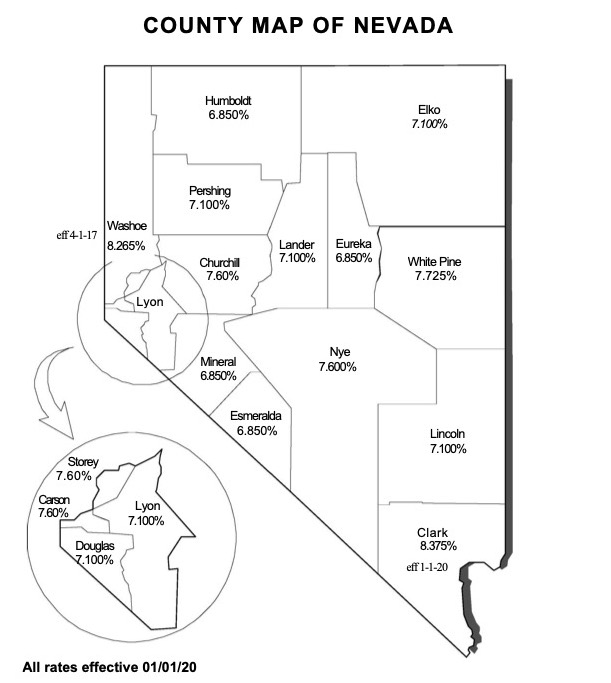
The structure of Nevada’s sales tax is a combination of a statewide rate and various local district rates, which can vary by county. This multi-tiered system results in different sales tax rates depending on where you make your purchase within the state. For instance, the sales tax rate in Las Vegas (Clark County) might differ from the rate in Reno (Washoe County) or Carson City. Being aware of these regional differences can be particularly helpful for budget travelers or those planning extensive shopping excursions.
The Basic Breakdown: State and Local Components
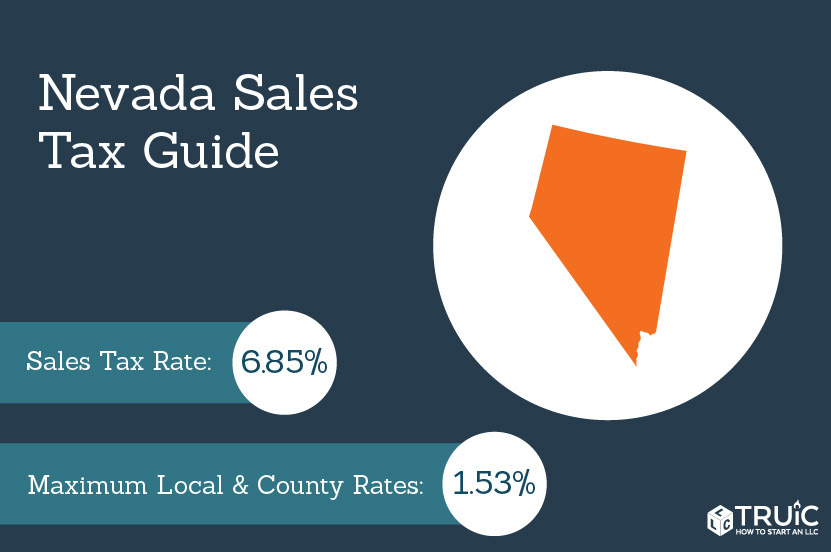
At its core, Nevada’s sales tax comprises a state-mandated base rate, currently 4.6%, and various county and local district rates. These local rates are typically established to fund specific projects or services within those jurisdictions, such as public transportation, infrastructure improvements, or economic development initiatives. The combined effect means that the sales tax rate you pay will fluctuate depending on the specific city or county where your transaction occurs.
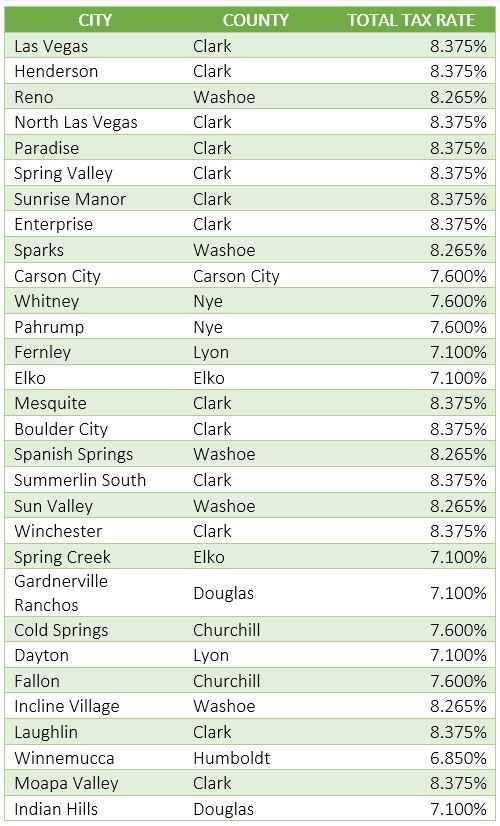
For example, in Clark County, home to Las Vegas and Henderson, the combined sales tax rate is one of the highest in the state, often reaching 8.375%. This is due to additional local option sales taxes dedicated to specific services like the Southern Nevada Regional Transportation Commission and other public safety and infrastructure projects. In contrast, Washoe County, encompassing Reno and Sparks, also has a significant rate, usually around 8.265%, reflecting its own unique local funding needs. Other counties, such as Storey County or Douglas County, might have slightly different rates. These variations underscore the importance of checking the specific rate for your travel destination within Nevada if budgeting is a primary concern.
For those interested in the details, the Nevada Department of Taxation provides comprehensive tables outlining the precise sales tax rates for each county and specific districts within the state. This level of detail is particularly useful for businesses, but for the average tourist, a general awareness of the rate in major cities like Las Vegas or Reno is usually sufficient for planning daily expenditures like dining out, purchasing clothing, or buying keepsakes from various attractions. For example, if you visit a high-end boutique at Caesars Palace on The Strip and buy a designer handbag for $1,000, you would pay an additional $83.75 in sales tax in Clark County, bringing the total to $1,083.75. This is a significant addition that shouldn’t be overlooked in a budget, especially for luxury travel enthusiasts.
Where Does Your Tax Dollar Go?
Understanding that sales tax is more than just an added charge can provide context to your spending. The revenue generated from sales tax directly supports a wide array of public services and infrastructure vital to both residents and visitors. A portion of the statewide sales tax goes into Nevada’s general fund, which finances education, healthcare, public safety, and other state-level programs. The local district components, as mentioned, are often earmarked for specific county or municipal projects.
For tourists, this means that a portion of the tax you pay on that souvenir t-shirt from Fremont Street Experience or the delicious meal at a Bellagio restaurant contributes to the upkeep of the roads you drive on, the emergency services that ensure safety, and even the marketing efforts that continue to draw visitors to Nevada’s world-class destinations. This perspective can transform the perception of sales tax from a mere nuisance to a small investment in the vibrant ecosystem that makes Nevada such an appealing place to visit and experience. It’s an indirect way in which every traveler contributes to the continued allure and functionality of the places they explore, enhancing the overall tourism experience for everyone.
Sales Tax vs. Other Tourist Taxes: What to Expect Beyond the Price Tag
While sales tax is a broad consumption tax, travelers to Nevada will encounter other specific taxes, particularly related to accommodation and certain services. It’s crucial to distinguish between these different types of taxes to avoid confusion and accurately plan your travel budget. Misunderstanding these distinctions can lead to unwelcome surprises on your bill, especially when planning longer stays or more elaborate trips that include various forms of entertainment and dining. This is particularly relevant for those focusing on “Accommodation” and “Hotels” as primary aspects of their trip, where the advertised room rate is often just the starting point.
Deciphering Lodging Taxes: Hotel Stays and Accommodation Costs
Perhaps the most significant additional tax travelers will encounter, beyond general sales tax, is the lodging tax, also known as the transient occupancy tax or room tax. This tax is specifically applied to the rental of hotel rooms, motel rooms, short-term vacation rentals, and other forms of temporary accommodation. Unlike sales tax, which applies to tangible goods, lodging tax is levied on the service of providing a place to stay.
The lodging tax rates in Nevada vary significantly by county and city, often being higher in major tourist hubs. For instance, Clark County, including Las Vegas, levies a substantial transient occupancy tax, which can be as high as 13.38% (including the standard sales tax portion that some counties incorporate into their lodging tax calculation or other specific room taxes for stadium/convention center funding). This means that a $200 per night hotel room at The Venetian Resort Las Vegas could have an additional $26.76 in lodging taxes, bringing the room cost to $226.76 before any resort fees. These resort fees, while not taxes, are another common addition to hotel bills in Las Vegas and other resort areas, further increasing the total cost of accommodation.
In Washoe County, encompassing Reno and Sparks, lodging tax rates are also considerable, typically ranging from 13% to 13.5% depending on the specific municipality. Even in smaller, more rural counties, a lodging tax will apply, though usually at a lower rate. This tax directly funds tourism promotion, convention centers, and other visitor-related services, making it a critical component of Nevada’s tourism infrastructure. When booking hotels or accommodation through various platforms, always check the “total price” breakdown to see the included taxes and fees, rather than just relying on the advertised nightly rate. This is particularly important for budget travel planning, as these added costs can quickly accumulate over a multi-night stay, especially at properties like the MGM Grand where resort fees are standard.
Gaming, Entertainment, and Service Charges
Beyond sales tax and lodging tax, visitors should also be aware of other potential charges. While there isn’t a direct “gaming tax” on players (the casinos pay taxes on their gross gaming revenue), the cost of entertainment, shows, and certain services might incorporate sales tax on tangible elements or include service charges. For example, if you purchase merchandise at a show venue, sales tax will apply. Similarly, some restaurants or venues might add a service charge, especially for large groups or during special events, which is distinct from sales tax and gratuity.
Tickets for concerts, shows, or sporting events are typically subject to sales tax on the ticket price itself, as they are considered a tangible form of entertainment access. This means that a $100 ticket to a Cirque du Soleil show will incur an additional $8.38 in Clark County sales tax. Understanding this prevents surprises when you’re planning your itinerary around Nevada’s legendary entertainment options. It’s part of the comprehensive “Experiences” and “Activities” budgeting for your trip, ensuring that you can enjoy the full range of tourism offerings without financial hitches.
Navigating Sales Tax Across Nevada’s Iconic Destinations
Nevada’s appeal lies in its diverse destinations, each offering a unique flavor of the Silver State experience. From the bustling urban centers to serene natural parks, the state promises an adventure for every traveler. However, as established, the sales tax rate can vary depending on your location, making it valuable to understand these differences when planning your itinerary and budget. Whether you’re indulging in retail therapy, exploring historical sites, or dining at world-class restaurants, knowing the local tax implications can help you make more informed decisions. This geographical breakdown is crucial for travelers who explore multiple regions of Nevada, allowing for a more precise lifestyle and budget plan.
Sales Tax in the Entertainment Capital: Las Vegas
Las Vegas is arguably Nevada’s most famous destination, a global magnet for entertainment, dining, and luxury shopping. As a result, it also has one of the highest combined sales tax rates in the state. Located in Clark County, the sales tax rate for purchases made within Las Vegas is currently 8.375%. This rate applies to most tangible goods purchased, including souvenirs from shops along The Strip, fashion items from upscale malls, electronics, and even take-out food from restaurants.
For tourists focusing on shopping, particularly for high-value items, this 8.375% can add a significant amount to the final price. For instance, purchasing a high-end watch for $5,000 would incur $418.75 in sales tax. Similarly, a shopping spree for clothing and accessories, easily totaling hundreds of dollars, would add a noticeable percentage to the final bill. When dining out, while the sales tax typically applies to food and beverages, it often doesn’t apply to the service itself. However, many restaurants will apply sales tax to the total food and drink bill. Given the sheer volume of dining and shopping opportunities in Las Vegas, from gourmet meals at celebrity chef restaurants to casual bites at food courts, accounting for this tax is essential for any budget, whether you’re on a luxury travel spree or trying to stretch your dollar. Moreover, exploring attractions like the Hoover Dam or Red Rock Canyon, while potentially incurring entrance fees, would only involve sales tax on any tangible goods purchased at their gift shops.
Exploring Reno, Lake Tahoe, and Beyond
Moving north to Reno, known as “The Biggest Little City in the World,” and the picturesque Lake Tahoe area, the sales tax rates remain significant but may differ slightly from Las Vegas. Reno and Sparks are situated in Washoe County, where the sales tax rate is generally around 8.265%. This rate applies to retail purchases in shops, art galleries, and restaurants across the region. Visitors enjoying the vibrant arts scene, outdoor activities, or gaming in Reno should factor this into their spending.
The Lake Tahoe basin, a stunning natural landmark straddling the Nevada-California border, presents a unique situation. On the Nevada side of Lake Tahoe, primarily in Douglas County and parts of Washoe County, the sales tax rates apply as per those counties (e.g., Douglas County is around 7.1%). This is notably lower than in Las Vegas or Reno. However, if you venture into California from Lake Tahoe, you’ll encounter California’s sales tax rates, which can also vary by county but have a higher statewide minimum. This is a crucial detail for travelers exploring both sides of the lake, as the state line effectively shifts the sales tax you’ll encounter.
Beyond these major hubs, Nevada’s diverse counties each have their own specific sales tax rates, which generally range from the statewide minimum of 4.6% up to around 8%. For example, Lyon County might have a rate of 7.775%, Pershing County might be 7.1%, and Elko County around 6.85%. Visiting historic towns like Virginia City (Storey County, often 7.725%) or exploring the scenic routes around Mount Charleston or Valley of Fire State Park will mean paying the local county sales tax rate on any purchases made there. For those embarking on a comprehensive Nevada adventure, whether it’s a family trip or a long-term stay, being aware of these subtle variations can contribute to more precise budgeting for souvenirs, local crafts, and dining experiences throughout their journey.
Budgeting and Smart Spending: A Traveler’s Guide to Nevada’s Taxes
A memorable trip to Nevada doesn’t just depend on choosing the right destinations and activities; it also hinges on smart financial planning. Understanding and accounting for sales tax, alongside other potential taxes and fees, is a cornerstone of effective budgeting for any traveler. Whether you’re aiming for a luxurious getaway, a budget-conscious adventure, or a well-balanced family trip, knowing how these costs impact your overall spending will allow for a more relaxed and enjoyable experience. This section provides practical tips to help you navigate Nevada’s tax landscape, ensuring that your financial preparation enhances your journey rather than detracting from it.
Tips for Dining and Shopping Smart
Dining and shopping are integral parts of the Nevada experience, from world-class restaurants in Las Vegas to quaint boutiques in Carson City. Here’s how to factor in sales tax:
- Assume Sales Tax on Most Tangible Goods: When budgeting for shopping, always assume an additional 7-9% (depending on the county) will be added to the sticker price of any item. This applies to clothing, souvenirs, electronics, art, and most packaged food items. If you’re eyeing a designer bag for $500, mentally add another $40-$45 for sales tax.
- Dining Out: Sales tax will typically be applied to your total food and beverage bill when dining in restaurants. For instance, a $100 meal in Las Vegas will actually cost you $108.38 before gratuity. Remember that the tax is on the price of the food and drinks, not on the service itself. This is important to remember when calculating tips, as the tip is usually based on the pre-tax amount.
- Grocery Shopping vs. Convenience Stores: For budget travel, buying groceries and cooking some of your meals can significantly cut down costs. Most staple groceries (fresh produce, meat, dairy) are exempt from sales tax in Nevada when purchased for home consumption. However, prepared foods or hot meals from grocery delis are typically taxable. Convenience stores and gas stations, on the other hand, often sell many taxable items, including sodas, snacks, and ready-to-eat meals. Plan accordingly if you’re stocking up for a road trip to Great Basin National Park or Valley of Fire State Park.
- Know Your County Rate: Before making large purchases, a quick check of the sales tax rate for the specific county you are in can be beneficial. While the differences might seem small, they can add up on expensive items or numerous purchases.
- Look for “All-Inclusive” Pricing: Some tour packages or specific promotions might advertise “all-inclusive” pricing, which could sometimes incorporate taxes. Always read the fine print to understand what is truly included to avoid surprises.
Planning Your Accommodation and Activity Expenses
Accommodation is often the largest single expense for travelers, and Nevada’s lodging taxes are a significant factor. Activities, from shows to tours, also have tax implications.
- Beyond the Nightly Rate: Never assume the advertised nightly rate for a hotel or vacation rental is your final cost. Always factor in the lodging tax (which can be 10-13% or more in major areas like Las Vegas or Reno) and any resort fees. A $150 room might end up costing $175-$200 per night once all taxes and fees are added. Use comparison websites that allow you to view the “total price” inclusive of taxes and fees to get an accurate picture. This is critical for effective “Accommodation” booking and “Hotels” comparisons.
- Resort Fees: While not a tax, resort fees are almost ubiquitous in Las Vegas and other resort towns. These mandatory daily charges, which can range from $30-$50+ per night, cover amenities like Wi-Fi, fitness center access, and local calls. They are charged per room, per night, in addition to the room rate and taxes. Always check if a resort fee applies when booking. For travelers on a budget, these fees can drastically alter the cost of a stay at places like the MGM Grand or Caesars Palace.
- Tickets and Tours: Sales tax generally applies to tickets for shows, concerts, theme park admissions, and certain guided tours (especially if they involve tangible goods or entry to taxable venues). When purchasing tickets online or at a venue, the listed price usually has the sales tax added at checkout. Budget for this increase when planning your entertainment and experiences schedule.
- Car Rentals: While the rental car itself is a service and not subject to sales tax, there are often various rental car taxes and fees, including a “tourism surcharge” or similar, which can add a significant percentage to your rental bill. These vary by location and rental company, so ensure you understand the full cost before reserving a vehicle, especially if you plan to explore landmarks like Mount Charleston or the scenic Death Valley National Park (though largely in California, a popular day trip from Nevada).
By meticulously planning and accounting for these various taxes and fees, travelers can enjoy a truly seamless and financially stress-free Nevada experience. It’s an essential aspect of “Lifestyle” travel, whether you’re seeking luxury or adventure on a tighter budget.
Conclusion: Embracing Your Nevada Adventure with Financial Savvy
Nevada offers an unparalleled array of travel experiences, from the dazzling lights of Las Vegas to the tranquil beauty of Lake Tahoe and the rugged allure of its vast wilderness. For both seasoned globetrotters and first-time visitors, understanding the nuances of local taxation is an indispensable part of planning a successful and enjoyable trip. Sales tax, while seemingly a minor detail, plays a significant role in the overall cost of your journey, impacting everything from your souvenir purchases and dining experiences to your choice of accommodation and entertainment.
We’ve explored how Nevada’s sales tax system operates, comprising both a state base rate and varying local district rates that result in different charges across counties like Clark County, Washoe County, Douglas County, Elko County, White Pine County, Nye County, and Lincoln County. We’ve also highlighted the critical distinction between general sales tax and other specific charges, such as the transient occupancy tax on hotels and vacation rentals, as well as the pervasive resort fees in many resort properties.
By being informed and factoring these costs into your budget from the outset, you can avoid unexpected expenses and focus on creating unforgettable memories. Whether you’re planning a luxurious stay at a Las Vegas mega-resort, a scenic family trip exploring national parks, or an extended stay embracing the local culture in Reno, financial preparedness is your best companion. It allows for a more relaxed and fulfilling experience, enabling you to truly immerse yourself in the destinations, attractions, and unique lifestyle offerings that make Nevada such a captivating place. So, plan smartly, spend wisely, and get ready to discover the magic of the Silver State with complete confidence.
LifeOutOfTheBox is a participant in the Amazon Services LLC Associates Program, an affiliate advertising program designed to provide a means for sites to earn advertising fees by advertising and linking to Amazon.com. Amazon, the Amazon logo, AmazonSupply, and the AmazonSupply logo are trademarks of Amazon.com, Inc. or its affiliates. As an Amazon Associate we earn affiliate commissions from qualifying purchases.