
For many, the mention of Nevada conjures images of glittering lights, world-class entertainment, and the allure of high-stakes gambling. Cities like Las Vegas and Reno are global magnets for tourism, offering unparalleled experiences from luxury resorts and gourmet dining to breathtaking natural landmarks like the Hoover Dam and the Valley of Fire State Park. Yet, behind the scenes of this vibrant tourism industry, a substantial workforce keeps the “Silver State” shining. Understanding the minimum wage in Nevada is crucial not only for those contemplating a move to this dynamic state for work but also for travelers who wish to appreciate the economic realities that shape the service they receive.

The minimum wage forms the bedrock of an employee’s earnings, especially in sectors heavily reliant on service staff, such as hospitality, food service, and retail, which are the lifeblood of Nevada’s economy. For tourists, knowing the local wage landscape can offer insights into the cost of living for those serving them, influencing everything from tipping practices to a broader understanding of the economic ecosystem they are visiting. For those considering a lifestyle change or a career in the state, grasping these figures is fundamental to budgeting and evaluating potential quality of life. This article will delve into the specifics of Nevada’s minimum wage, exploring its historical context, current structure, and its profound impact on the tourism-driven economy and the daily lives of its workers. We will also provide practical advice for both prospective employees and visitors, ensuring a comprehensive understanding of this vital economic indicator within the context of Nevada’s unique appeal as a travel destination and place to live.
Understanding Nevada’s Minimum Wage Landscape
Nevada’s approach to the minimum wage has evolved significantly over the years, reflecting broader economic trends and legislative efforts to ensure a living wage for its residents. Unlike the federal minimum wage, which serves as a baseline, individual states have the authority to set their own, often higher, rates. Nevada is no exception, and its journey towards a consolidated and higher minimum wage is particularly relevant given its economic reliance on sectors typically employing a large number of minimum wage earners.
Historically, Nevada implemented a two-tiered minimum wage system. This system differentiated between employers who offered qualifying health benefits to their employees and those who did not. The rationale behind this was to incentivize employers to provide health insurance, a critical component of employee welfare. Under this structure, employers who offered health benefits could pay a lower hourly wage than those who did not. This dual system, while aiming to address healthcare access, also created complexities for both employers and employees in understanding and adhering to wage regulations. It meant that two individuals performing similar jobs could legally earn different hourly rates based solely on their employer’s benefits package. This could be particularly confusing in a state with a high turnover rate in the service industry, where workers might move between establishments with varying benefit structures.
The landscape, however, began to shift with a focus on simplifying the wage structure and incrementally increasing the minimum pay floor for all workers. Legislative changes were enacted to phase out the two-tier system and establish a universal minimum wage that applies to all employers, regardless of their health benefits offerings. This move was widely seen as a step towards greater equity and clarity in wage standards across the state. The transition was designed to be gradual, allowing businesses to adjust to the rising labor costs over several years. This foresight acknowledged the potential impact on small businesses and the broader economy, particularly in a state where a significant portion of the workforce is employed in industries with historically tight profit margins.
The Current Minimum Wage and Its Tiers
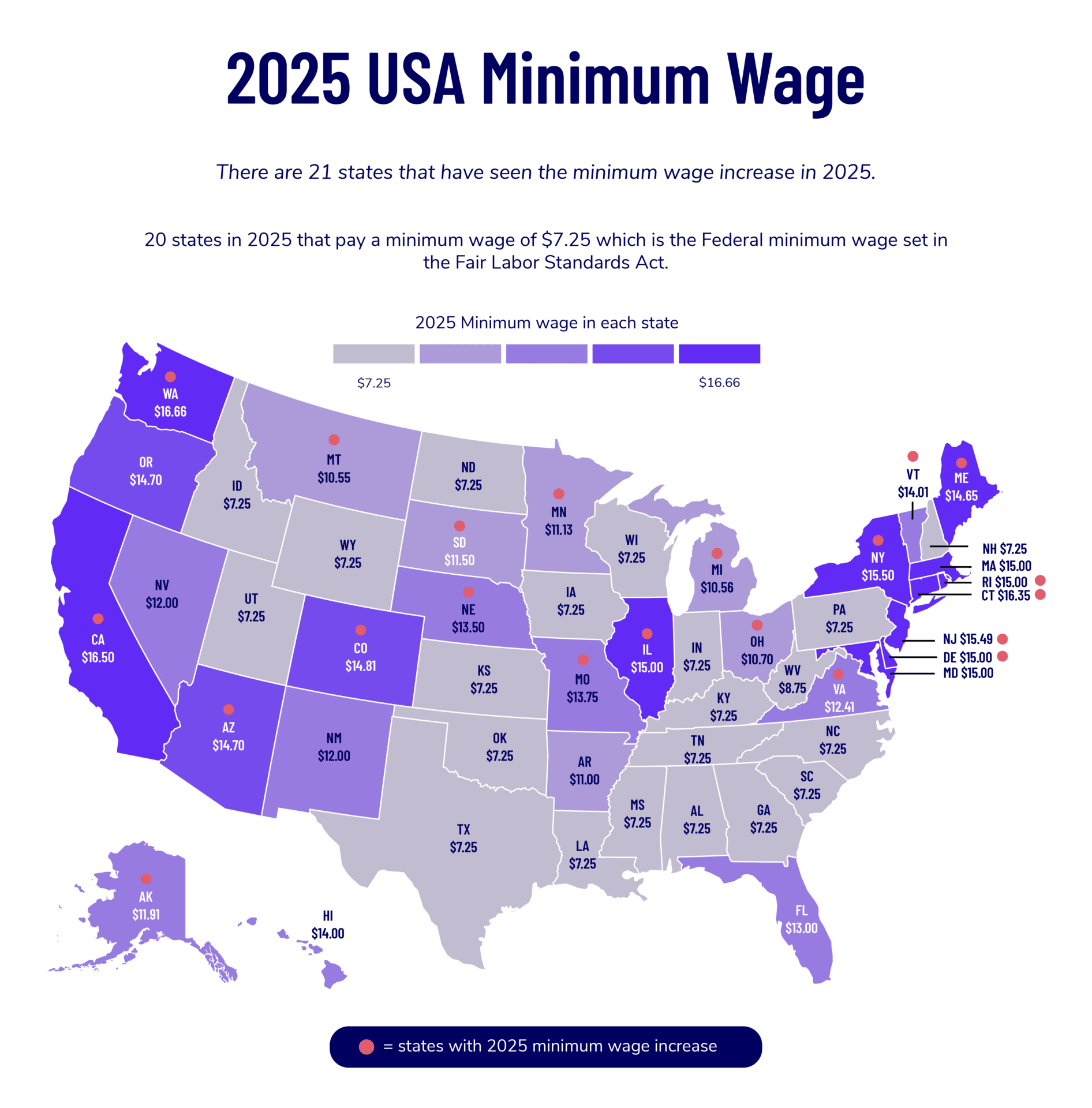
As of July 1, 2023, the minimum wage in the State of Nevada is $11.25 per hour. This figure represents a significant increase from previous years and marks a crucial step in the state’s plan to simplify and elevate the wage floor. Importantly, this current rate applies universally to all employers within Nevada, effectively eliminating the two-tiered system that once characterized the state’s wage policy. This means that whether an employer offers health benefits or not, all non-exempt employees must be paid at least $11.25 per hour. This universal application provides clarity and ensures a consistent minimum earning potential for workers across various industries.
Looking ahead, Nevada has already established a pathway for further wage increases. Effective July 1, 2024, the minimum wage is set to rise again to $12.00 per hour. This planned increase reflects a commitment to continually adjust the minimum wage to better align with the cost of living and to provide workers with more disposable income. This forward-looking approach offers predictability for both employers, who can plan for future labor costs, and employees, who can anticipate higher earnings. These incremental increases are a testament to the state’s dedication to supporting its workforce, especially those in the vital service sectors that are the backbone of its tourism and hospitality industries.
A Brief History of Wage Increases in Nevada
The evolution of Nevada’s minimum wage is a narrative of progressive legislative action aimed at improving worker livelihoods. For many years, the state’s minimum wage hovered closer to the federal minimum, with the two-tiered system being a defining feature. However, a significant shift occurred with the passage of Assembly Bill 456 in 2019. This landmark legislation established a clear roadmap for annual minimum wage increases, with the ultimate goal of reaching a universal minimum wage of $12.00 per hour by July 1, 2024.
Prior to AB 456, Nevada’s minimum wage had seen modest increases, but the dual system remained. For instance, in 2010, the rates were $7.25 and $8.25, demonstrating the persistent gap. The 2019 bill initiated a series of annual fifty-cent increases, which began in July 2020. Each year since, the wage has steadily climbed, moving from $9.00/$8.00 (with/without benefits) in 2020 to $10.50/$9.50 in 2022, and then to the unified $11.25 in 2023. This structured approach allowed businesses to gradually adapt to rising labor costs while providing workers with predictable increases in their earning potential. The elimination of the two-tier system is perhaps the most significant historical aspect, simplifying compliance for employers and ensuring that all workers, regardless of their employer’s benefits package, receive the same base pay. This historical trajectory underscores Nevada’s commitment to fostering a more equitable economic environment for its diverse workforce.
The Impact on Nevada’s Tourism and Hospitality Sector
Nevada’s economy is uniquely intertwined with its tourism and hospitality sector. From the sprawling resorts of Las Vegas and the lively casinos of Reno to the serene beauty of Lake Tahoe and historical sites in Carson City, the state attracts millions of visitors annually. This influx of tourists directly fuels a massive industry that employs a significant portion of Nevada’s population. Consequently, changes to the minimum wage have a particularly pronounced impact on this sector, affecting everything from operational costs for businesses to the quality of life for the countless individuals who ensure visitors have unforgettable experiences.
The minimum wage directly influences the operational budgets of hotels, restaurants, entertainment venues, and other tourism-related businesses. When the minimum wage rises, these businesses face increased labor costs, which are often their largest expense. This can lead to various responses: some may absorb the costs, others might adjust pricing for services or goods, and a few might explore automation or operational efficiencies to mitigate the impact. The delicate balance lies in ensuring that these adjustments do not deter tourists or negatively affect the high standards of service that Nevada is renowned for. On the other hand, a higher minimum wage can also lead to benefits for the industry, such as reduced employee turnover, improved morale, and a potentially higher quality of service from a more stable and experienced workforce. When employees feel adequately compensated, they are more likely to be engaged and dedicated, which directly translates into a better experience for guests at establishments like the Bellagio, Caesars Palace, or The Venetian Resort Las Vegas.
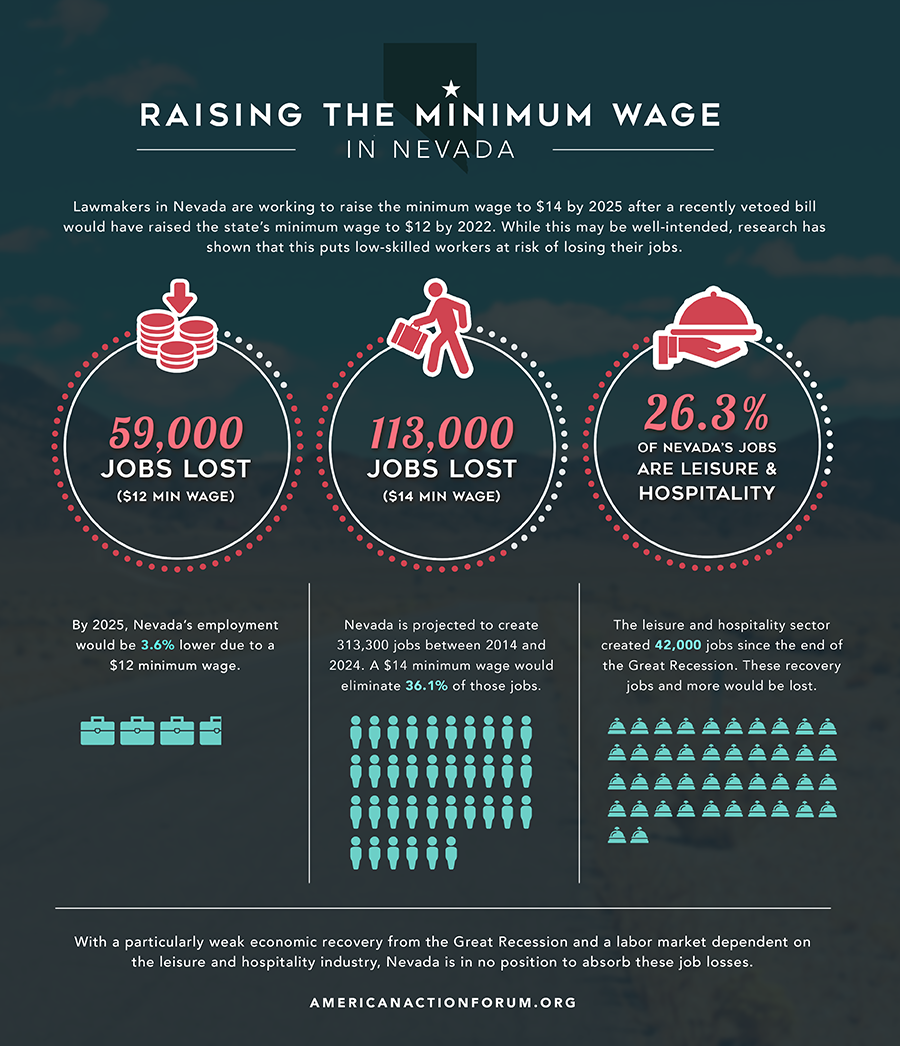
Furthermore, the minimum wage debate in Nevada often touches upon the broader economic health of the state. Critics of significant wage increases sometimes argue that it can stifle job creation or even lead to job losses, particularly in industries with thin profit margins. Conversely, advocates argue that higher wages stimulate the local economy by increasing consumer spending power among the working class, leading to greater demand for goods and services. For a state so dependent on consumer spending, both from tourists and residents, this dynamic is especially critical. The minimum wage, therefore, isn’t just a number; it’s a key lever in the complex economic machinery of Nevada’s tourism-driven prosperity.
Service Industry Workers: The Backbone of Nevada Tourism
The glamour and excitement of Las Vegas and other Nevada destinations are built upon the tireless efforts of its service industry workers. From hotel housekeepers ensuring pristine accommodations at the MGM Grand or Wynn Las Vegas, to front desk staff greeting guests, waiters and waitresses serving culinary delights, bartenders crafting cocktails, and security personnel ensuring safety – these individuals are the unsung heroes of the state’s tourism engine. Many of these essential roles fall into wage brackets that are directly impacted by minimum wage legislation.
These workers often form the first and last impression for visitors, directly influencing their overall experience. Their professionalism, friendliness, and efficiency contribute significantly to Nevada’s reputation as a world-class destination. While many positions in the casino industry, particularly those involving gaming, can command higher wages and significant tips, a large segment of the hospitality workforce, including those in housekeeping, entry-level food service, and some retail roles, rely heavily on their base hourly pay. For these workers, every increase in the minimum wage can make a substantial difference in their ability to cover living expenses, provide for their families, and maintain a decent quality of life in a state with often-high costs of living. A higher minimum wage can also help attract and retain talent in these critical roles, reducing turnover and contributing to a more experienced and skilled workforce, ultimately benefiting the visitor experience at major attractions like the Fremont Street Experience or The STRAT Hotel, Casino & Skypod.
Cost of Living vs. Minimum Wage in Tourist Hubs
Living and working in Nevada’s major tourist hubs, particularly Las Vegas and Reno, comes with its own set of economic challenges, particularly concerning the cost of living. While wages have been on an upward trend, the cost of housing, transportation, and daily necessities in these popular urban centers can be significantly higher than the state average or in less populated areas. This disparity often creates a tight squeeze for minimum wage earners, even with the recent increases.
For example, housing costs in metropolitan areas like Las Vegas have seen considerable appreciation in recent years. Rent for an apartment, or the cost of purchasing a home, can consume a large portion of a minimum wage earner’s income. Utilities, groceries, and transportation – especially for those who commute from more affordable suburban or exurban areas to work in the core tourist districts – further add to the financial burden. While $11.25 or $12.00 per hour might seem adequate in some parts of the United States, it can be a struggle to maintain a comfortable lifestyle in a vibrant, high-demand market like Nevada’s premier cities. This economic reality highlights the critical importance of tipping for many service industry professionals, as tips can significantly augment their base hourly wage, bridging the gap between minimum pay and the actual cost of living in these sought-after destinations. The contrast between the glamour of The Cosmopolitan of Las Vegas and the daily financial struggles of some of its staff underscores the complex economic landscape.
Lifestyle and Economic Realities for Workers and Visitors
The unique economic fabric of Nevada, heavily woven with threads of tourism and hospitality, creates a distinct lifestyle for its residents and offers particular considerations for visitors. For those who choose to make the “Silver State” their home, especially those employed in the service sector, navigating daily life often means a careful balance between earnings and expenses. For tourists, an awareness of these economic realities can enrich their travel experience, fostering a greater appreciation for the local culture and the people who make their visits so enjoyable. The minimum wage is more than just a legal requirement; it’s a foundational element influencing everything from housing choices and daily commutes for workers to the unwritten rules of social engagement, such as tipping, for visitors.
The pursuit of the “Nevada dream” often involves working in bustling environments that cater to a global clientele. While the allure of the bright lights and endless entertainment is undeniable, the lifestyle for many minimum wage earners can be characterized by demanding schedules and the constant need to budget meticulously. This is especially true in a state that prides itself on luxury and high-end experiences, where the cost of living in desirable areas can easily outpace entry-level wages. Understanding this dynamic is key to appreciating the resilience and dedication of the workforce. For travelers, this insight translates into a more informed and empathetic approach to their interactions, recognizing that their spending and gratuities directly contribute to the livelihoods of individuals providing their services. Whether exploring the natural beauty of Red Rock Canyon National Conservation Area or enjoying a show on the Las Vegas Strip, the economic backdrop informs much of the human experience in Nevada.
Budgeting for Employees in the Silver State
For an employee earning the minimum wage in Nevada, effective budgeting is not just a financial best practice; it is often a necessity for survival. Even with the current wage of $11.25 per hour and the impending increase to $12.00, managing finances in a state known for its vibrant, and often expensive, lifestyle requires careful planning. The most significant challenge often comes from housing costs. In areas surrounding Las Vegas or Reno, rents for even modest apartments can consume a substantial portion of a single income, sometimes exceeding 30-40% of gross pay. This forces many to seek housing further away from urban centers, leading to longer commutes and increased transportation expenses, whether for gas, vehicle maintenance, or public transit passes.
Beyond housing, other essential expenses quickly accumulate. Groceries, utilities, healthcare costs (even with employer-provided benefits, out-of-pocket expenses can be significant), and childcare expenses can strain a minimum wage budget. Employees often work multiple jobs or rely heavily on overtime hours to make ends meet. The allure of the Nevada lifestyle, with its world-class entertainment and outdoor activities in the Sierra Nevada mountains or the Mojave Desert, can feel distant for those focused on covering basic needs. Financial literacy and strategic budgeting become paramount, often involving meticulous tracking of every dollar, making tough choices about discretionary spending, and prioritizing savings for emergencies. For these dedicated individuals, the minimum wage represents the foundation upon which they must meticulously construct their financial stability in the dynamic “Silver State”.
Tipping Culture and Its Significance for Tourists
For travelers visiting Nevada, particularly in its major tourist destinations, understanding the local tipping culture is not just a matter of etiquette but also a significant way to support the local workforce. Many service industry positions, especially in restaurants, bars, and certain hotel roles, are structured around a base wage (which might be the minimum wage) supplemented substantially by gratuities. While Nevada does not have a separate, lower minimum wage for tipped employees (unlike some other states), tips remain a crucial component of their overall income, often making the difference between merely making ends meet and achieving a comfortable standard of living.
Tipping in Nevada is widely expected and considered an essential part of the service exchange. For instance, in restaurants and bars, a tip of 15-20% of the bill is standard for good service. Hotel housekeepers, bellhops, valets, and casino dealers also rely heavily on tips. Even for services that might not traditionally receive tips in other regions, like taxi drivers or spa attendants, a gratuity is customary. For tourists, factoring in these customary tips into their travel budget is important. It’s a direct way to acknowledge the hard work and dedication of the individuals who contribute to their travel experience and to help bridge the gap between the minimum wage and the often-high cost of living in places like Las Vegas or Reno. By participating thoughtfully in the tipping culture, visitors not only show their appreciation but also play a direct role in supporting the economic well-being of the workforce that makes Nevada such a welcoming and exciting destination.
Navigating Nevada’s Economy: Tips for Travelers and Job Seekers
Nevada’s vibrant economy, fueled by tourism, innovation, and a growing population, presents both opportunities and unique challenges. Whether you’re considering a move to the “Silver State” for employment or planning an unforgettable vacation, a clear understanding of its economic landscape, particularly concerning wages and living costs, is invaluable. For job seekers, aligning career aspirations with the realities of the local market and understanding the minimum wage framework is a critical first step. For travelers, appreciating the economic context of their destination enhances their experience, allowing for more informed interactions and a greater sense of connection with the local community. Navigating this dynamic environment effectively requires foresight, research, and a practical approach to financial planning.
The state’s allure extends beyond its famous entertainment and natural beauty; it’s also a hub for conventions, sports, and a burgeoning tech industry. This diversity creates a wide array of job opportunities, from entry-level service roles to highly specialized positions. However, the concentration of these opportunities in specific urban centers means that geographical considerations, such as commuting distances and housing availability, become significant factors. Similarly, tourists benefit from knowing how their travel decisions and spending habits contribute to, or are impacted by, the local economy. From choosing local businesses to understanding the value of a gratuity, travelers can actively engage with and support the communities they visit. This section aims to provide actionable advice for both prospective employees seeking to build a life in Nevada and for visitors aiming for a responsible and enjoyable travel experience.
Practical Advice for Prospective Employees
For individuals considering employment in Nevada, especially in roles that might pay the minimum wage or slightly above, thorough preparation is key. First, research the specific cost of living in the area where you intend to work and live. While the state minimum wage is $11.25 per hour (rising to $12.00 in July 2024), costs vary significantly between Las Vegas, Reno, and more rural communities. Housing is often the largest expense, so explore rental markets and commute times diligently. Consider areas slightly outside the main tourist hubs, which may offer more affordable living options, but factor in transportation costs.
Second, understand the total compensation package. Many jobs in the hospitality sector, particularly those in casinos and upscale restaurants, come with the potential for substantial tips. While the base minimum wage is important, these gratuities can significantly boost your overall income. Inquire about typical tipping potentials for the role you’re applying for. Also, ask about benefits such as health insurance, paid time off, and employee discounts, as these can add considerable value beyond the hourly wage. Third, develop in-demand skills. While entry-level positions are plentiful, acquiring specialized skills in hospitality (e.g., bartending certifications, advanced culinary training), customer service, or language proficiency can open doors to higher-paying roles and better career progression. Finally, network within the industry. Nevada’s service and tourism industries are vast, and connections can be invaluable for finding opportunities, learning about company cultures, and advancing your career in this competitive yet rewarding environment.
How Tourists Can Support the Local Economy
Tourists visiting Nevada have a powerful role to play in supporting the local economy and its workforce. Beyond just spending money, intentional choices can amplify their positive impact. First and foremost, embrace the local tipping culture. As discussed, tips are a vital component of income for many service professionals. Generous and thoughtful tipping directly acknowledges their hard work and helps bridge the gap between their base wages and the cost of living. A 15-20% tip for good service is standard in restaurants and bars, and smaller amounts for hotel staff (housekeepers, bellhops) and other service providers are customary.
Second, support local businesses. While the large resorts and chains are iconic, seek out independent restaurants, boutiques, and entertainment venues run by Nevada residents. These businesses often employ local staff, source goods locally, and reinvest profits back into the community, contributing to a more diverse and resilient economy. Explore local markets, art galleries, and unique experiences that go beyond the mainstream attractions. Third, be mindful of resource consumption. Nevada, particularly the Mojave Desert region, faces environmental challenges such as water scarcity. Practicing responsible tourism by conserving water, reducing waste, and respecting natural environments like Lake Tahoe or the Grand Canyon (which is partly accessible from Nevada) helps preserve the state’s long-term sustainability and ensures its continued appeal for future generations of visitors and residents. By making conscious choices, travelers can ensure their visit is not only enjoyable for themselves but also beneficial for the people and places that make Nevada so special.
LifeOutOfTheBox is a participant in the Amazon Services LLC Associates Program, an affiliate advertising program designed to provide a means for sites to earn advertising fees by advertising and linking to Amazon.com. Amazon, the Amazon logo, AmazonSupply, and the AmazonSupply logo are trademarks of Amazon.com, Inc. or its affiliates. As an Amazon Associate we earn affiliate commissions from qualifying purchases.