
Nevada, often referred to as the “Silver State,” is a land of striking contrasts. From the glittering neon lights of Las Vegas to the tranquil, high-desert landscapes and the pristine waters of [Lake Tahoe](https://lifeoutofthebox.com/lake- tahoe), it captivates visitors and residents alike. But beneath the surface of its stunning natural beauty and world-renowned entertainment lies a dynamic demographic story that profoundly shapes its travel industry, diverse lifestyles, and the very fabric of its communities. Understanding Nevada’s population—its size, growth patterns, distribution, and unique characteristics—is not merely an academic exercise; it’s a crucial lens through which to appreciate its vibrant culture, assess its tourism potential, and navigate its ever-evolving accommodation landscape.
For those planning a trip, considering a move, or simply curious about this captivating United States state, the numbers tell a compelling tale. They reveal why certain areas thrive with bustling activity, why others remain serene havens, and how the state continues to adapt to an influx of new residents drawn by its economic opportunities, distinct quality of life, and unparalleled recreational offerings. From the demand for luxury resorts in Clark County to the preservation efforts in its vast wilderness areas, population dynamics are at the heart of Nevada’s past, present, and future.
Nevada’s Population Snapshot: The Numbers and Growth
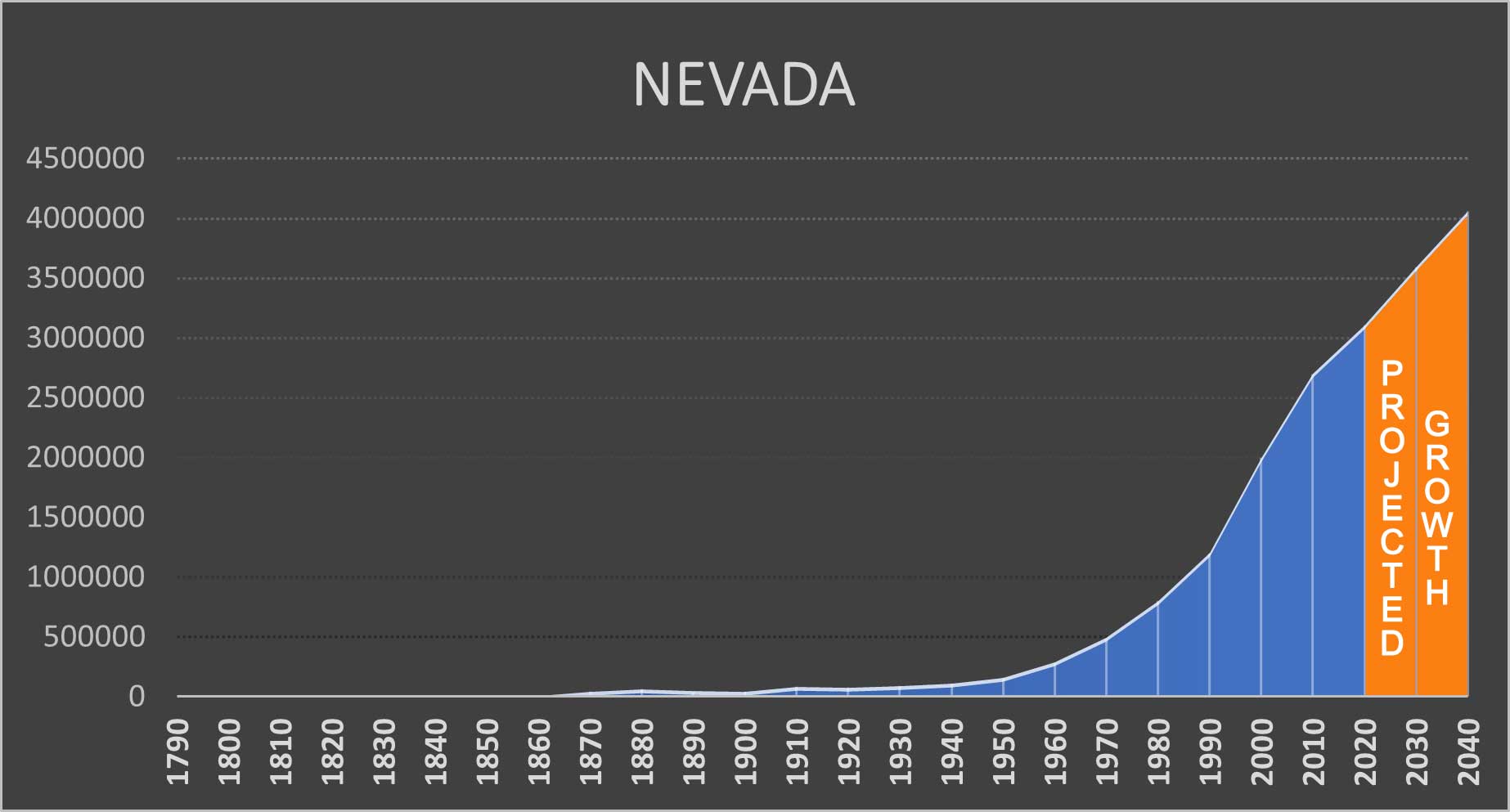
At its core, Nevada’s population story is one of rapid and sustained growth. Historically, the state has consistently ranked among the fastest-growing in the United States, a trend that reflects its appeal as a destination for both tourism and permanent residency. While exact figures fluctuate with ongoing census data and estimates, Nevada’s population has surged past 3 million residents in recent years, a significant milestone that underscores its transformation from a sparsely populated frontier to a bustling hub of activity.
This growth isn’t a recent phenomenon. The post-World War II era saw the initial boom, fueled by the legalization of gambling and the establishment of Las Vegas as an entertainment capital. Subsequent decades witnessed continued expansion, driven by diverse economic opportunities beyond tourism, including manufacturing, technology, and logistics. The allure of no state income tax, a relatively lower cost of living compared to neighboring California, and an abundance of sunshine has consistently attracted individuals and families seeking new beginnings.
Historical Trajectories and Future Projections
Looking back, Nevada’s population trajectory has been steep. In 1950, the state was home to just over 160,000 people. By the turn of the millennium, this number had swelled to nearly 2 million, and in just two decades since, it has added over a million more. This explosive growth has placed immense pressure and opportunity on infrastructure, services, and the state’s natural resources. It also directly impacts the travel and tourism sectors, creating a continuous need for new hotels, accommodations, and attractions to cater to both residents and the ever-increasing number of visitors drawn to the state.
Future projections suggest this growth will continue, albeit potentially at a more moderate pace. Demographers predict that Nevada will comfortably exceed 3.5 million residents in the coming years. This persistent influx influences everything from urban planning in cities like Henderson and Reno to the long-term sustainability of its popular landmarks and natural sites, such as Red Rock Canyon or the Hoover Dam. Understanding these trends is vital for investors in the hospitality sector, urban planners, and anyone interested in the state’s future. It signals a robust and expanding market for travel experiences, diverse lodging options, and lifestyle amenities.
Population Distribution: Where People Live and Its Impact on Travel
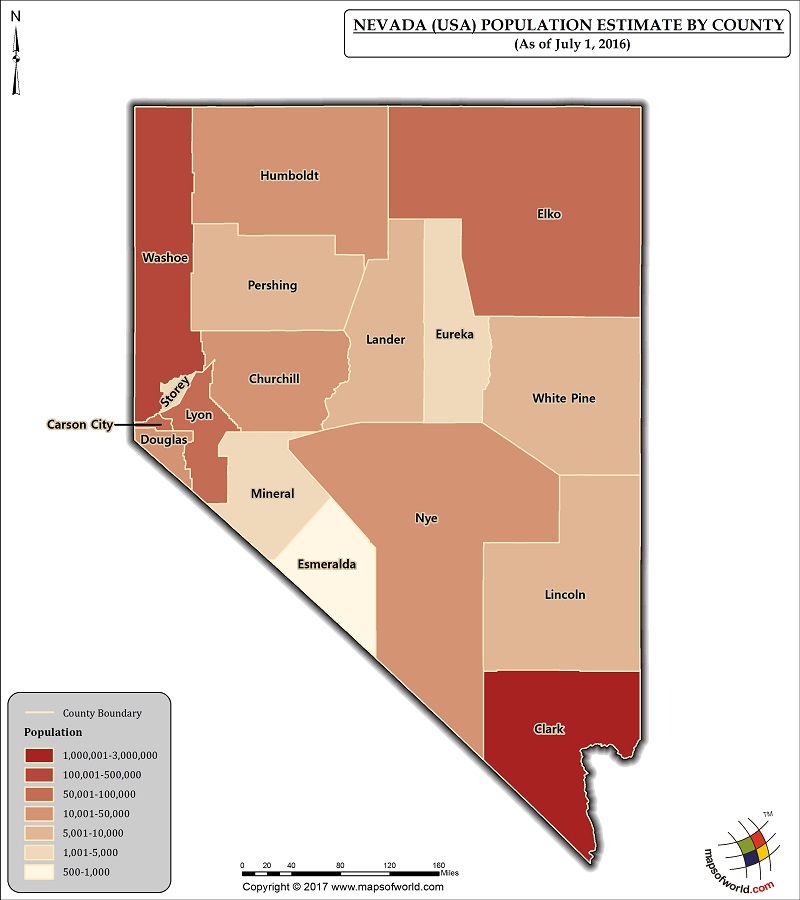
While Nevada’s overall population figures are impressive, the story becomes even more nuanced when examining how these residents are distributed across its vast landscape. The state is characterized by highly concentrated urban centers surrounded by expansive, sparsely populated rural areas. This uneven distribution significantly impacts the types of travel experiences available, the concentration of hotels and resorts, and the overall atmosphere of different regions.
The Las Vegas Metropolitan Area: The Heart of Nevada’s Population and Tourism
Unsurprisingly, the overwhelming majority of Nevada’s population resides in the Las Vegas Metropolitan Area. This includes not only the city of Las Vegas itself but also rapidly expanding neighboring cities such as Henderson and North Las Vegas. Approximately three-quarters of the state’s residents call this vibrant desert oasis home. This immense concentration of people translates directly into a colossal demand for accommodation options, from ultra-luxury suites at Bellagio or Caesars Palace to budget-friendly apartments and extended-stay hotels.
For travelers, this density means access to an unparalleled array of attractions, dining, shopping, and entertainment. The Las Vegas Strip alone boasts dozens of mega-resorts, each a destination in itself, offering everything from world-class shows to intricate themed environments. Beyond the Strip, the growing local population supports a thriving culinary scene, diverse cultural events, and family-friendly attractions that cater to residents as well as tourists. The population here not only drives the local economy but also creates a constant churn of innovation in the tourism sector, ensuring there’s always something new to experience.
Reno-Sparks and Carson City: Northern Nevada’s Urban Hubs
Moving northward, the Reno-Sparks metropolitan area represents Nevada’s second-largest population center. Combined with the state capital, Carson City, this region is home to a significant portion of the remaining residents. While smaller than Las Vegas, Reno and Sparks offer a distinct charm, often dubbed “The Biggest Little City in the World.” Here, the population supports a burgeoning tech industry alongside its traditional casino tourism, creating a unique blend of urban sophistication and outdoor adventure.
The population density in Northern Nevada directly influences its travel appeal. Visitors benefit from a robust selection of hotels, diverse dining, and cultural attractions, but with a more laid-back atmosphere than Las Vegas. Proximity to Lake Tahoe means residents and tourists alike have easy access to world-class skiing, hiking, and water sports, which further drives demand for cabins, villas, and various short-term accommodations in the surrounding areas. The resident population provides the workforce and consumer base that keeps these destinations vibrant year-round.
Rural Nevada: Vast Landscapes and Unique Experiences
Beyond these major population centers lies the vast expanse of Rural Nevada. This region, encompassing counties like Elko, White Pine, and Lander, is characterized by its wide-open spaces, historic mining towns, and unparalleled natural beauty. While home to a much smaller percentage of the state’s total population, these areas offer unique travel experiences that contrast sharply with the urban hubs.

The sparse population in Rural Nevada means a different kind of tourism flourishes here. It’s an appeal for those seeking solitude, outdoor adventure, and a glimpse into the state’s authentic past. Accommodation options tend to be more intimate – historic hotels, cozy inns, or RV parks – catering to travelers exploring Great Basin National Park, ghost towns, or venturing off-road. The relatively small resident population in these areas often plays a crucial role in maintaining local culture and providing essential services for the adventurous traveler, from guides to local eateries. This distribution pattern ensures that Nevada can cater to an incredibly wide spectrum of traveler preferences, from the high-energy urbanite to the quiet nature enthusiast.
The Demographic Tapestry: Influences on Culture and Tourism
Nevada’s rapid population growth has not been homogenous; it has resulted in a rich and diverse demographic tapestry. People from all corners of the United States and the world have been drawn to the Silver State, contributing to a vibrant multicultural environment that profoundly influences its local culture, culinary scene, and the very nature of its tourism offerings.
The state is a melting pot, with significant Hispanic/Latino, Asian, and African American communities, particularly concentrated in the urban centers. This diversity is not just a statistic; it’s a living, breathing component of Nevada’s appeal. Visitors can experience a global array of cuisines, from authentic Mexican and Filipino fare in Las Vegas and Reno to vibrant cultural festivals celebrating different heritages. This cultural richness enriches the travel experience, allowing guests to delve deeper into local traditions and discover experiences beyond the typical tourist brochures. Many hotels and resorts actively embrace this diversity in their staffing and entertainment programming, creating an inclusive and welcoming atmosphere.
Furthermore, the transient nature of many residents, particularly those in the service and entertainment industries, adds another layer to Nevada’s dynamic culture. There’s a constant flow of new ideas, talents, and perspectives that keep the state on the cutting edge of entertainment and hospitality. This human capital is a significant, if often unquantified, landmark of the state, shaping its global reputation as a place of innovation and excitement.
Population Dynamics and the Travel Industry: Impact on Hotels, Accommodation, and Attractions
The interplay between Nevada’s population dynamics and its colossal travel industry is intricate and mutually reinforcing. The resident population provides the workforce, consumer base, and innovative spirit that fuels the tourism engine, while the industry, in turn, attracts more residents. This relationship has a direct bearing on the development of hotels, the diversity of accommodation options, and the creation and maintenance of attractions and landmarks.
Hotel and Accommodation Demand
The continuous influx of residents, coupled with a steady stream of tourists, creates an enormous demand for all types of accommodation. In Las Vegas, for instance, the sheer volume of visitors necessitates hundreds of thousands of hotel rooms, ranging from sprawling mega-resorts like MGM Grand and The Venetian to boutique hotels and extended-stay options. This demand also drives innovation in the hospitality sector, with new suites, unique amenities, and personalized experiences constantly being introduced to attract discerning travelers.
Beyond traditional hotels, the growing resident population also fuels the market for alternative accommodation. The rise of short-term rentals, apartments, and villas caters to those seeking a more local experience, longer stays, or greater flexibility, particularly popular with families and business travelers. In areas like Lake Tahoe or near Mount Charleston, demand for cabins and vacation homes is significant, reflecting the preferences of both residents seeking weekend getaways and tourists looking for outdoor adventures. This diverse portfolio of lodging is a direct response to the varied needs arising from the state’s population density and its appeal as a multi-faceted travel destination.
Infrastructure and Landmark Development
Population growth also necessitates robust infrastructure development. This includes not only roads and utilities but also the continuous investment in attractions and landmarks that keep both residents and tourists engaged. New entertainment venues, convention centers, and cultural institutions are often developed with both populations in mind. For example, major sporting arenas in Las Vegas serve as hubs for local pride and global tourism, drawing fans from across the globe while providing entertainment for the local populace.
Natural landmarks like Valley of Fire State Park or Lake Mead also experience increased visitation as the state’s population expands. This necessitates careful management and investment in infrastructure like hiking trails, visitor centers, and camping facilities to preserve these natural treasures while allowing public access. The resident population plays a vital role in advocacy for these areas, ensuring their longevity for future generations of both Nevadans and visitors.
Living the Nevada Lifestyle: How Population Shapes Experiences
The population of Nevada fundamentally shapes the various lifestyles one can experience within its borders. From the bustling, round-the-clock energy of its major cities to the serene, star-filled nights of its rural expanses, the density and characteristics of its residents define the daily rhythm and opportunities available.
Urban Vibrancy and Sophistication
For the majority living in the Las Vegas or Reno metropolitan areas, life is defined by urban vibrancy. This means access to world-class dining, cutting-edge entertainment, professional sports, and a dynamic job market. The concentration of population supports a high level of luxury lifestyle options, from exclusive resorts and spas to high-end shopping and Michelin-starred restaurants. However, it also accommodates a diverse range of budget travel and lifestyle choices, with numerous options for affordable dining, entertainment, and family-friendly activities. The large population provides the critical mass necessary for such a diverse array of services and experiences to thrive, catering to both residents and visitors.
Outdoor Recreation and Rural Charm
Conversely, the sparse population of Rural Nevada fosters a lifestyle centered on outdoor recreation and community. Residents here enjoy unparalleled access to vast natural areas, offering opportunities for hiking, fishing, hunting, and stargazing. The pace of life is generally slower, and community ties are often stronger. For travelers seeking an escape from the crowds, these areas provide a tranquil contrast to the urban hubs. This rural lifestyle also supports niche tourism segments, such as eco-tourism and heritage tourism, drawing visitors interested in the state’s mining history, cowboy culture, or pristine wilderness. The relatively low population density ensures that these unique experiences remain authentic and accessible, preserving the charm that often attracts people to the less-traveled paths. Events like the Burning Man festival, while drawing temporary populations, are intrinsically linked to the vast, open spaces that Nevada’s low rural population density allows.
In conclusion, Nevada’s population is far more than just a number; it is the heartbeat of the Silver State. Its rapid growth, concentrated distribution, and vibrant diversity have profoundly shaped its identity as a global travel destination and a unique place to call home. This demographic story dictates the demand for its world-class hotels and accommodation options, enriches its local culture, and influences the development and preservation of its iconic landmarks and natural wonders. For anyone interested in travel, tourism, or simply understanding the dynamic interplay between people and place, comprehending Nevada’s population provides invaluable insight into the past, present, and exciting future of this remarkable state. Whether you’re drawn by the urban allure or the call of the wild, Nevada’s people are central to its enduring appeal.
LifeOutOfTheBox is a participant in the Amazon Services LLC Associates Program, an affiliate advertising program designed to provide a means for sites to earn advertising fees by advertising and linking to Amazon.com. Amazon, the Amazon logo, AmazonSupply, and the AmazonSupply logo are trademarks of Amazon.com, Inc. or its affiliates. As an Amazon Associate we earn affiliate commissions from qualifying purchases.